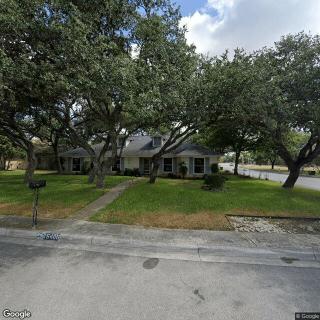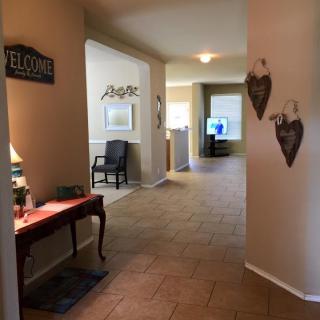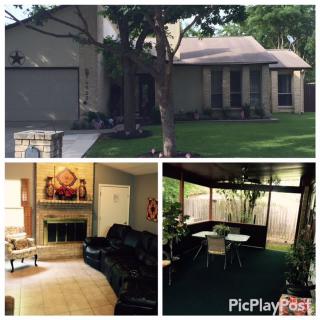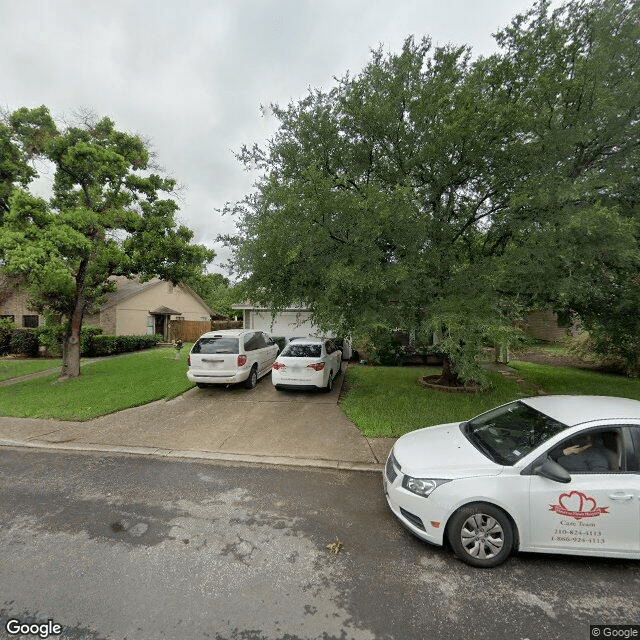
Ortega's Homestyle Assisted Living

Save
Ortega's Homestyle Assisted Living

Ortega's Homestyle Assisted Living

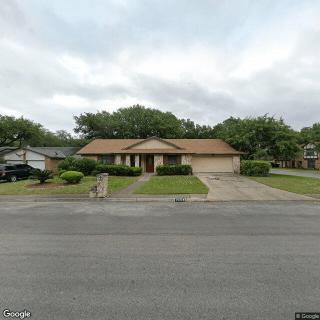
3417 Forest Frost, San Antonio, TX 78247

For more information about senior living options: (844) 490-3973

4 from 4 reviews
5 stars
3
4 stars
0
3 stars
0
2 stars
0
1 stars
1

Assisted Living Board and Care Home Memory Care Respite Care

Ortega's Homestyle Assisted Living Costs & Pricing

Ortega's Homestyle Assisted Living offers competitive pricing for its accommodations, with all room types available at a consistent monthly rate of $2,500. This pricing is significantly lower than the average costs in Bexar County and the broader Texas market. For instance, private rooms in Bexar County average $3,627 and $4,096 statewide, while studio and one-bedroom options also exceed Ortega's rates, coming in at approximately $3,708 and $3,506 respectively in the county and around $3,758 and $3,761 statewide. This favorable pricing structure not only underscores the affordability of Ortega's services but also highlights their commitment to providing quality care without compromising on comfort.

Floor plansOrtega's Homestyle Assisted LivingBexar CountyTexas
Private$2,500$3,627$4,096
Studio$2,500$3,708$3,758
1 Bedroom$2,500$3,506$3,761

What level of care are you interested in?

Assisted Living

Memory Care

Independent Living

Skilled Nursing Facility

Continuing Care Retirement Community (CCRC)CCRC

Other


Request a tour at Ortega's Homestyle Assisted Living

    Overall Review of Ortega's Homestyle Assisted Living

    Pros

    • pro The care was amazing.

    Cons

    • pro The experience with Ortega's was a nightmare.
    • pro A caregiver stole checks and spent $22,000 of their money.
    • pro The father was dropped and broke his femur.
    • pro He was told in the ER that he would die from this.
    • pro He died within six to eight months.
    • pro The stepmother's wheelchair was taken away because staff wanted her to stay in bed.
    • pro She died two months later from a fractured hip.
    • pro There are other issues.
    • pro Past reviews are from the previous owner and the previous employee.

    Review

    What begins as a hopeful attempt to place loved ones in a cared-for home can, for some families, fracture into a long, painful memory of what went wrong and what was lost. The account here centers on Ortega's and unfolds as a stark, painful street map of trust decimated by a cascade of troubling experiences. The writer describes a nightmare that started with the everyday reality of having a parent and a stepparent live under someone else's supervision, only to discover that the care they needed was undermined by a series of troubling incidents and choices. An initial, jarring concern centers on financial misconduct: a caregiver is accused of stealing checks and spending a substantial amount of money - twenty-two thousand dollars - leaving a family to pursue restitution payments to begin repairing the financial harm. The impact of that betrayal extends beyond the money, seeding a sense of vulnerability and fear about the entire caregiving environment.

    The second element of the story moves from financial concerns to physical harm and life-and-death stakes. The writer recounts that the father was "dropped," resulting in a fractured femur. In the emergency room, he was told that he would die, a prognosis that darkened the course of his life in the care setting. The narrative then notes that he did die within six to eight months. Those details - an incident that should have been a moment of urgent care turning into a grave prognosis, followed by a life cut short - leave an impression of preventable tragedy and of a system that did not seem to safeguard the people it was supposed to protect. The emotional weight of watching a parent endure such a decline compounds the sense of disillusionment with the care environment and raises deep questions about the standards of safety, attentiveness, and accountability in daily operations.

    Parallel to this, the story of the stepmother adds another layer of distress that the writer deems inseparable from the care setting's failures. It is told almost as a corollary to the father's experience: a wheelchair was taken away because staff supposedly wanted her to remain in bed. That action - presented as a deliberate choice by staff rather than a consequence of medical need - allegedly contributed to a decline that culminated in her death two months after fracturing her hip. The brevity of time from the injury to death is painted as a grim consequence of the facility's approach to mobility, autonomy, and safety, leaving the family to grapple with the bitter question of whether the care environment prioritized stability and comfort or control and restraint.

    Beyond these vehemently negative experiences, the account emphasizes that "there are other issues" - a phrase that signals a broader pattern of concern without detailing every incident. The writer indicates there were numerous problems, too many to post in full, which suggests a broader sense of systemic trouble rather than isolated missteps. The omission of specifics in this portion does not soften the gravity of what is described; rather, it underscores a perception of ongoing neglect, inconsistency, or mismanagement in a setting that is entrusted with the welfare of vulnerable residents. The implication is that, for this family, the overall experience felt cumulative and troubling, with each additional unspecified issue adding to a growing ledger of dissatisfaction and fear about care quality and safety.

    The narrative then shifts to the question of credibility and voices within the care community. The writer notes that some reviews prior to their account come from a previous owner or a former employee, implying that perspectives about Ortega's may diverge depending on who is speaking and when they were involved with the facility. This reminder - that different stakeholders can have drastically different experiences - invites readers to weigh testimonies carefully. It places the current account within a larger conversation about what constitutes good care, how families are treated in moments of crisis, and how accountability is pursued when things go wrong.

    Interwoven with the harsh recounting of loss and harm is a final, stark contrast encapsulated in a single line: "Amazing care." That closing note - appearing in a text that otherwise rails against serious failures - highlights the contradictory memories that families can carry from the same institution. It suggests that for some, Ortega's may still represent a place of genuine compassion and effective care, while for others it became a symbol of betrayal and preventable harm. The juxtaposition underscores the complexity of evaluating any senior care environment, where individual interactions, staff changes, and varying degrees of oversight can produce a spectrum of experiences that feel almost incompatible when placed side by side.

    In the end, the narrative presents a family's struggle to reconcile what happened with what should have happened in a setting dedicated to safety, dignity, and well-being. The financial betrayal, the life-altering injuries, the perceived denial of mobility, and the sense that there are more undisclosed issues together craft a portrait of a facility that left this family with deep questions, unhealed wounds, and a call for accountability. The story invites readers to consider not only the specific incidents but also the broader patterns they imply - patterns that demand scrutiny, transparency, and reforms that can restore trust for families who must place their loved ones in the hands of those who promise care and security.

    Features

    Housing

    • 6 resident community capacity 6 resident community capacity

    Types of Care

    • Assisted Living Assisted LivingAssisted living facilities provide crucial support and care for seniors who may need help with daily tasks such as medication management, bathing, and meal preparation. These communities offer a safe and comfortable environment where seniors can maintain their independence while receiving the assistance they need to thrive in their golden years.
    • Board and Care Home Board and Care HomeBoard and care homes provide a smaller, more intimate setting for seniors who require assistance with daily tasks but do not need the level of care offered by a nursing home. They offer personalized care, meals, and social activities in a homelike environment, ensuring that seniors receive individualized attention and support in their golden years.
    • Memory Care Memory CareMemory care is crucial for seniors as it provides specialized support and services for individuals with dementia or Alzheimer's disease. These programs offer a safe and secure environment where residents receive personalized care, cognitive stimulation, and help with daily activities. Memory care helps seniors maintain their independence, quality of life, and dignity while also providing peace of mind for their families.
    • Respite Care Respite CareRespite care provides temporary relief for caregivers, allowing them to recharge and attend to their own needs. It also gives seniors the opportunity to socialize, receive professional care, and experience a change of scenery, promoting overall well-being and reducing feelings of isolation.

    Amenities

    • Activities on-site Activities on-siteActivities on-site are important for seniors because they provide opportunities for socialization, mental stimulation, physical activity, and overall well-being. Engaging in activities can help seniors stay active, maintain their independence, and improve their quality of life.
    • Cable or satellite TV Cable or satellite TVCable or satellite TV is important for seniors because it provides entertainment, news, and companionship, helping to combat loneliness and boredom. It also offers a wide range of programming options tailored to different interests and preferences.
    • Devotional services off-site Devotional services off-siteDevotional services off-site are important for seniors as they provide spiritual nourishment, social engagement, and a sense of community outside of the senior living facility. This can enhance overall well-being and help combat feelings of isolation and loneliness often experienced by older adults.
    • Dining room Dining roomDining rooms are important for seniors as they provide a space for socialization, connection, and nutritious meals. They offer opportunities for residents to bond over shared meals, foster a sense of community, and promote healthy eating habits. Dining rooms also ensure that seniors have access to well-balanced meals tailored to their dietary needs and preferences.
    • Fully furnished Fully furnishedFully furnished senior living communities are important for seniors because they provide convenience, comfort, and a hassle-free moving experience. Seniors can easily settle into their new living space without the stress of having to buy and move furniture. This allows them to focus on enjoying their new home and community.
    • Garden GardenGardens are important for seniors as they provide a peaceful and therapeutic environment for relaxation, physical activity, and socialization. Being in nature has been shown to reduce stress, improve mood, and promote overall well-being. Gardens also offer opportunities for seniors to engage in gardening activities, which can improve mobility, flexibility, and cognitive function. Additionally, gardens create a sense of community and connection with others who share a passion for plants and outdoor spaces.
    • Housekeeping services Housekeeping servicesHousekeeping services are important for seniors because they help maintain a clean and safe living environment, promote independence, and reduce the risk of accidents or illnesses. Additionally, having assistance with household chores can alleviate physical strain and allow seniors to focus on other aspects of their well-being.
    • Indoor common areas Indoor common areasIndoor common areas are crucial for seniors as they provide a space for socialization, recreation, and community engagement, promoting overall well-being and reducing feelings of isolation and loneliness.
    • Move-in coordination Move-in coordinationMove-in coordination is important for seniors because it helps ease the transition into their new living environment. It ensures that all logistics, such as packing, organizing movers, and setting up utilities are taken care of, allowing seniors to focus on settling in and adjusting to their new home. Having a smooth move-in process can alleviate stress and anxiety, making the transition smoother and more enjoyable for seniors.
    • Outdoor space Outdoor spaceOutdoor spaces are important for seniors as they provide opportunities for physical activity, social interaction, exposure to natural light and fresh air, and a sense of connection to nature. Having access to outdoor spaces can improve overall well-being and quality of life for older adults living in senior communities.
    • Private PrivatePrivacy is important for seniors as it allows them to maintain their independence, dignity, and sense of control over their own lives. It also gives them the space and freedom to relax, reflect, and engage in activities that bring them joy and fulfillment. Creating private spaces within senior living facilities is crucial for promoting overall well-being and quality of life.
    • Telephone TelephoneTelephones are important for seniors as they provide a lifeline for communication with loved ones, emergency services, and healthcare providers. They offer a sense of security and independence, enabling seniors to stay connected and access assistance when needed.
    • Wi-Fi/high-speed internet available Wi-Fi/high-speed internet availableWi-Fi/high-speed internet is important for seniors to stay connected with loved ones, access online resources, and participate in virtual activities to combat feelings of loneliness and isolation. It also allows them to easily manage healthcare needs, access entertainment, and engage in lifelong learning opportunities.

    Transportation

    • San Antonio International (4 miles away) San Antonio International (4 miles away)

    Care Services

    • 24-hour supervision 24-hour supervision24-hour supervision is important for seniors to ensure their safety, well-being, and access to immediate assistance in case of emergencies or health issues. This constant support provides peace of mind for both seniors and their loved ones, allowing them to age in place with dignity and security.
    • Activities of daily living assistance Activities of daily living assistanceActivities of daily living assistance are important for seniors because they provide essential support with tasks such as eating, bathing, dressing, and mobility. This assistance helps seniors maintain their independence, dignity, and overall quality of life as they age.
    • Ambulatory care Ambulatory care"Ambulatory care services provide essential medical support and treatment to seniors without requiring hospitalization, allowing them to maintain their independence and quality of life while managing chronic conditions or receiving routine medical care."
    • Assistance with bathing Assistance with bathingAssistance with bathing is crucial for seniors as it helps maintain personal hygiene, prevents infections, and ensures their overall well-being and comfort. It also provides a sense of dignity and independence for seniors who may struggle with this task on their own.
    • Assistance with dressing Assistance with dressingAssistance with dressing is important for seniors because it helps maintain their independence, promotes personal hygiene, prevents accidents and injuries, and improves overall quality of life. This service ensures that seniors can continue to dress comfortably and confidently, despite any physical limitations they may have.
    • Assistance with transfers Assistance with transfersAssistance with transfers is crucial for seniors as it helps prevent falls and injuries, maintains their independence, and ensures they can safely navigate their living environment. It also provides peace of mind for both seniors and their loved ones.
    • Coordination with health care providers Coordination with health care providersCoordination with health care providers is crucial for seniors to ensure proper medical care, medication management, and overall well-being. This collaboration helps prevent overlapping treatments, track progress more effectively, and provide comprehensive support tailored to individual needs.
    • Diabetes diet Diabetes dietA diabetes diet is crucial for seniors as it helps manage blood sugar levels, reduce risks of complications, and improve overall health and well-being. By following a balanced and nutritious diet tailored to their specific needs, seniors can better control their diabetes and enhance their quality of life.
    • Diabetic care Diabetic careDiabetic care is crucial for seniors as they are more susceptible to developing diabetes due to aging and other health conditions. Proper management of diabetes can help prevent complications such as heart disease, vision loss, and nerve damage, improving the overall quality of life for seniors in senior living communities.
    • Meal preparation and service Meal preparation and serviceMeal preparation and service are crucial for seniors as they may have limited mobility or energy to cook nutritious meals. Having access to healthy and convenient food options can ensure they are getting the proper nutrition needed to maintain their overall health and well-being.
    • Medication management Medication managementMedication management is crucial for seniors to ensure they are taking the right medications at the correct dosages and times. This helps prevent adverse drug interactions, reduces the risk of medication errors, and promotes overall health and well-being. Proactive management also allows for adjustments as needed based on changing health conditions or new prescriptions.
    • Special dietary restrictions Special dietary restrictionsSpecial dietary restrictions are important for seniors because age-related changes in metabolism and health conditions can make it difficult for their bodies to process certain foods. By following a diet tailored to their specific needs, seniors can maintain their overall health and well-being, manage chronic conditions, and reduce the risk of complications such as malnutrition or food interactions with medications.
    • Transportation arrangement (medical) Transportation arrangement (medical)Transportation arrangements for medical purposes are essential for seniors as they may have difficulty driving themselves to appointments or accessing public transportation. Having reliable and safe transportation options ensures that seniors can receive timely medical care and maintain their health and well-being.
    • Transportation to doctors appointments Transportation to doctors appointmentsTransportation to doctors' appointments is crucial for seniors as it ensures they have access to necessary medical care and support for their health needs. Without reliable transportation, seniors may struggle to attend important appointments, leading to potential delays in treatment and health complications. Providing transportation services helps seniors maintain their overall well-being and quality of life.
    Dining

    • Diabetes diet Diabetes dietA diabetes diet is crucial for seniors as it helps manage blood sugar levels, reduce risks of complications, and improve overall health and well-being. By following a balanced and nutritious diet tailored to their specific needs, seniors can better control their diabetes and enhance their quality of life.
    • Meals provided Meals provided"Meals provided" are crucial for seniors in assisted living communities as it ensures they have access to nutritious, balanced meals without the stress of meal planning and preparation. This can help promote overall health and well-being for seniors who may have limited mobility or cognitive abilities.
    • Special dietary restrictions Special dietary restrictionsSpecial dietary restrictions are important for seniors because age-related changes in metabolism and health conditions can make it difficult for their bodies to process certain foods. By following a diet tailored to their specific needs, seniors can maintain their overall health and well-being, manage chronic conditions, and reduce the risk of complications such as malnutrition or food interactions with medications.

    Activities

    • Activities on-site Activities on-siteActivities on-site are important for seniors because they provide opportunities for socialization, mental stimulation, physical activity, and overall well-being. Engaging in activities can help seniors stay active, maintain their independence, and improve their quality of life.
    • Community-sponsored activities Community-sponsored activitiesCommunity-sponsored activities are important for seniors as they provide opportunities for social interaction, mental stimulation, and physical activity. These activities can help improve overall well-being, combat loneliness and isolation, and promote a sense of belonging and purpose among older adults.
    • Devotional activities offsite Devotional activities offsiteDevotional activities offsite are important for seniors because they provide social engagement, spiritual growth, and a sense of community outside of their living environment. This can improve overall well-being, mental health, and combat feelings of isolation or loneliness.
    • Scheduled daily activities Scheduled daily activitiesScheduled daily activities are important for seniors because they provide structure, socialization, mental stimulation, and physical activity. Engaging in regular activities can improve overall well-being and quality of life for seniors living in a community setting.

    Description

    Ortega's Homestyle Assisted Living, located in the heart of San Antonio, TX, offers a warm and welcoming environment designed to cater to the unique needs of its residents. This community specializes in a variety of care types including board and care, memory care, and respite care, ensuring that each resident receives the appropriate level of support tailored to their individual circumstances.

    The community is thoughtfully equipped with a range of amenities that enhance the quality of life for residents. Each living space is fully furnished for comfort and convenience, and residents can enjoy leisure time in beautifully landscaped gardens or relaxing indoor common areas. With services such as housekeeping and move-in coordination provided, families can feel assured that their loved ones are well cared for.

    At Ortega's, dining is a pleasurable experience with meals prepared to accommodate special dietary restrictions, promoting health while ensuring satisfaction. The dining room provides a communal setting where residents can enjoy meals together, further fostering social connections.

    A robust schedule of activities keeps residents engaged and active. Ortega's offers community-sponsored events and devotional activities offsite, ensuring there’s always something to look forward to. The staff also coordinate transportation arrangements for medical appointments and other outings, making it easy for residents to access healthcare providers nearby.

    Safety and personal care are paramount at Ortega’s Homestyle Assisted Living. Trained staff offer assistance with daily living activities such as bathing, dressing, medication management, and diabetic care. Residents receive dedicated support while maintaining independence in an encouraging environment.

    Conveniently located near local cafes, parks, pharmacies, physicians’ offices, restaurants, places of worship, theaters, and transportation options—Ortega’s allows residents easy access to everything they need while providing an inviting atmosphere perfect for enjoying life’s moments. Whether seeking short-term respite care or long-term residence with a focus on memory support or everyday living assistance, Ortega's Homestyle Assisted Living stands out as a compassionate choice for seniors in San Antonio.

    Nearby Places of Interest

    This particular area of San Antonio, Texas offers a variety of amenities and services that may be appealing to seniors looking for a convenient and comfortable living environment. With several pharmacies, physicians' offices, and a nearby medical clinic, residents have easy access to healthcare services. Additionally, there are places of worship within close proximity for spiritual fulfillment. The selection of restaurants and cafes provide opportunities for socializing and dining out, while the nearby theaters offer entertainment options. For those who enjoy outdoor activities, there are parks in the vicinity where one can relax and enjoy nature. Transportation options are also available for ease of travel. Overall, this neighborhood provides a well-rounded community with resources that cater to the needs and interests of older adults.

    Pharmacies

    • CVS Pharmacy (0.7 miles)
    • Walgreens (1.4 miles)
    • H-E-B Pharmacy (2.7 miles)
    • Walgreens (2.8 miles)
    • CVS Pharmacy (3.4 miles)
    • Worldwide Clinical Trials (4.3 miles)
    • Walgreens (4.4 miles)

    Places of Worship

    • Church of Jesus Christ of Latter Day Saints (1.4 miles)
    • Hope Church (2 miles)
    • Community Bible Church (2.4 miles)
    • Abiding Presence Lutheran Church (2.9 miles)
    • Northrock Church (3.6 miles)

    Restaurants

    • Sideliners Grill (1.4 miles)
    • Chili's Grill & Bar (2.9 miles)
    • Alamo Cafe (3 miles)
    • Max & Louie's New York Diner (3.5 miles)
    • Little Woodrow's (4 miles)
    • Whataburger (4.3 miles)
    • McDonald's (4.5 miles)

    Cafes

    • La Media Luna Cafe (1.7 miles)
    • Local Coffee (4.1 miles)
    • Theory Coffee Company (4.6 miles)
    • Starbucks (5.1 miles)
    • Starbucks (5.4 miles)
    • Starbucks (6.1 miles)

    Physicians

    • Adhd Clinic Of San Antonio (1.9 miles)
    • North Central Federal Clinic (2.6 miles)
    • Sonterra Dermatology (3.6 miles)
    • TruOrtho (3.8 miles)
    • Neurosurgical Associates (3.8 miles)
    • Northeast Pediatric Associates (4.1 miles)
    • Drs Bloom & Lynch/Vision Source (4.2 miles)

    Theaters

    • Regal Northwoods (2.8 miles)
    • Alamo Drafthouse Stone Oak (5.3 miles)
    • Alamo Drafthouse Park North (6 miles)

    Transportation

    • Skyplace Center (3.7 miles)
    • American Airlines (4.3 miles)
    • San Antonio International Airport (SAT) (4.4 miles)
    • Landmark Aviation (4.4 miles)
    • Terminal 1 Arrivals (4.4 miles)
    • Terminal A (4.4 miles)
    • Southwest Airlines Cargo (4.4 miles)

    Parks

    • Comanche Lookout Park (3.8 miles)
    • Phil Hardberger Dog Park (5.5 miles)
    • Phil Hardberger Park (5.6 miles)

    Frequently Asked Questions

    How much does it cost to live at Ortega's Homestyle Assisted Living in San Antonio, TX?
    Where is Ortega's Homestyle Assisted Living?
    Does Ortega's Homestyle Assisted Living provide care for residents with dementia or Alzheimer's disease?

    Nearby Communities

    Related Resources

    • dementia hallucinationsDementia-Related Hallucinations: Causes, Experiences, and Practical Approaches

      Dementia, particularly Lewy body dementia, often involves hallucinations that can significantly distress both patients and caregivers due to disruptions in sensory processing and neurotransmitter imbalances. Effective management includes compassionate communication, environmental adjustments, and a multidisciplinary approach to care while addressing the emotional needs of caregivers.

    • alzheimer's factsIlluminating Insights About Alzheimer's Disease: Ten Crucial Realities

      Alzheimer’s disease is a progressive neurological disorder that significantly impacts memory and cognitive functions, accounting for 60-80% of dementia cases, with early diagnosis being crucial yet challenging. It involves brain changes like beta-amyloid plaques and tau tangles, influenced by genetic and lifestyle factors, and while there is no cure, symptom management and support for caregivers are essential.

    • list of drugs linked to dementiaA Thorough Discussion of Medications Potentially Linked to Dementia Risk

      Dementia, influenced by aging and certain medications, may be exacerbated by drug classes such as anticholinergics, benzodiazepines, and antipsychotics, which are associated with cognitive impairment. Regular medication reviews by healthcare professionals are crucial for older adults to manage risks and optimize cognitive health.


    Get Pricing Ask A Question Schedule A Tour Contact Senior Advisor