
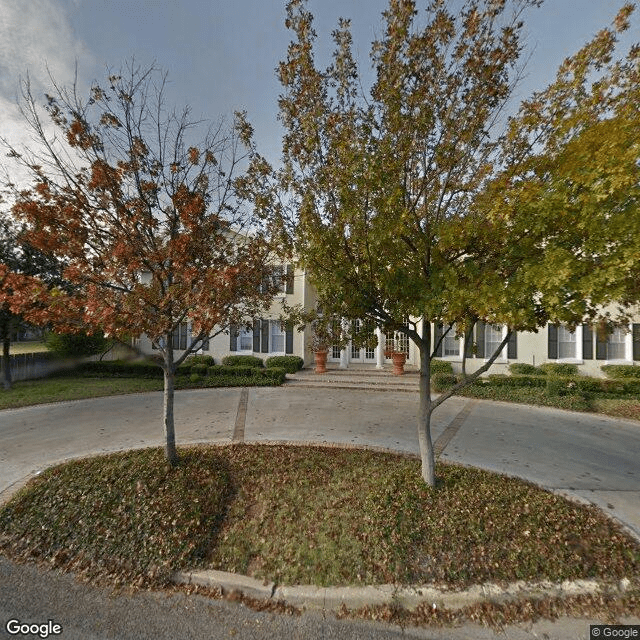
15 North Van Buren, San Angelo, TX 76903
To contact a resident: (325) 659-4581
For more information about senior living options: (866) 208-4318
The St. Angelus Costs & Pricing
The St. Angelus offers competitive pricing for its two-bedroom accommodations, with a monthly cost of $2,250. This rate is notably more affordable than the average costs in Tom Green County, which stand at $2,762, and significantly lower than the state average of $4,215 for similar properties across Texas. By providing such attractive pricing compared to both local and state averages, The St. Angelus presents a compelling option for those seeking quality living arrangements that offer value without compromising on comfort or amenities.
| Floor plans | The St. Angelus | Tom Green County | Texas |
|---|---|---|---|
| 2 Bedrooms | $2,250 | $2,762 | $4,215 |
Assisted Living communities with a similar price nearby
-
from -$140 / mo
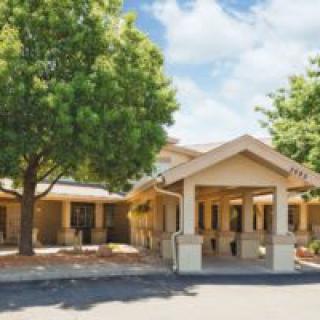
Brayden Park Assisted Living & Memory Care
$2,110 to $2,955 / month3.5 miles away
Overall Review of The St. Angelus
Pros
 It is described as the best assisted living facility in San Angelo.
- Deb and Karen provide great care for residents, including their own mother.
- The owners live on site and personally care for the residents.
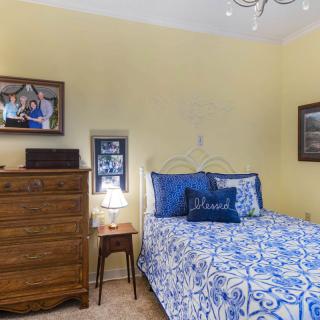
- The facility feels more like a home—calm, elegant, with charming apartments.
- Meals are home-cooked and served fresh every day.
- The pricing is reasonably moderate and offers good value for quality of life.
- It is locally owned and not a corporation, with warm, personal care.
Cons
 Many other assisted living facilities will try to extort as much money as they can out of the tenants.
- Websites for other elder facilities give false info about the cost of St. Angelus.
Review
The St. Angelus is best suited for families seeking a small, home-like assisted living experience in San Angelo, where warmth, personal attention, and stable, clearly communicated pricing come first. This community thrives when residents value a calm, elegant environment with apartment-level privacy and daily routines that feel close to home. The owners’ direct involvement matters: Deb and Karen live on site, and their family atmosphere translates into residents who are cared for as if they were part of a local extended family. Prospective residents who prioritize hands-on, relationship-driven care over institutional scale will find the care model here compelling, and those who prize fresh, home-cooked meals and a predictable cost structure will feel they’ve found real value.
Not everyone will find this the right fit. If there is a need for a larger community with extensive on-site clinical programs, a broad array of specialized services, or a robust memory-care or post-acute rehab track, alternatives may prove more suitable. The small footprint and limited bed capacity mean turnover and admission opportunities can be tight, so immediate availability is not guaranteed. For families seeking a corporate-backed operation with standardized protocols, broad marketing reach, and a broad menu of amenities, other facilities may deliver a different kind of assurance. In short, this is not the choice for those chasing scale or highly formalized, district-wide support networks.
The strongest positives align with the intimate, family-owned model. Care feels warm, friendly, and personalized, with residents treated as individuals rather than numbers. The on-site ownership fosters accountability and quick responsiveness; the owners’ direct oversight translates into consistent standards and a sense that the operation truly knows and cares for its residents. The daily rhythm, three home-cooked meals, snacks, and regular activities, creates a genuine home atmosphere rather than a clinical one. Apartments are described as having distinct, individual charms, reinforcing a sense of dignity and autonomy for each resident. Financials are equally compelling: the facility is repeatedly praised for moderate pricing, with several reviewers noting that other communities in town offer higher costs for less quality of life, and that rents have not increased over years, which reduces the anxiety around long-term budgeting.
These advantages do not occur in a vacuum and must be weighed against the practical limits. The most tangible constraint is the bed count: there are not many rooms, and availability can be a moving target. That limited capacity ensures a quiet, low-age turnover environment where staff can attend to residents more attentively, but it also creates a real risk of waiting lists for new admits. Pricing transparency is another area that requires direct contact; online listings may misstate figures, but reaching out for a direct quote yields a straightforward, fair picture of what the current resident experience costs. In this sense, the value proposition, quality of life at a reasonable price, offsets the lack of scale, but only for families prepared to grapple with potential entry delays.
For decision-makers evaluating next steps, a practical approach is essential. Schedule a candid visit early and request a frank breakdown of current availability, staffing ratios, and who delivers direct care on each shift. Ask pointed questions about RN coverage, assistance with activities of daily living, and escalation protocols for medical needs. Bring up pricing expectations and request a written, all-inclusive quote to compare against local alternatives, and verify what is included in that price (meals, snacks, activities, utilities). Observing the facility during daytime activity and talking with current residents or family members can reveal whether the home-like atmosphere matches the promises echoed in reviews. The central task is balancing the emotional pull of a warm, intimate setting with practical realities like bed availability and precise cost structures.
Ultimately, The St. Angelus stands out as a practical, trusted option for seniors who prioritize a personal, owner-led care model and a tangible sense of home. It excels for households that value consistency in caregiving, affordability relative to the quality of life offered, and the comfort of a locally owned operation where the family behind the business is visibly present. The main caveat, limited bed capacity, should not be dismissed, but aligns with the very strengths the community brings: genuine attentiveness, low turnover among residents, and a consistently calm, dignified living environment. For families willing to navigate a possible wait and who prefer a non-corporate, neighborly atmosphere with dependable, straightforward pricing, The St. Angelus offers a compelling, practical choice.
 Assisted Living
 Cats allowed
 Dogs allowed
 Activities on-site
 Bath tubs
 Devotional services off-site
 Indoor common areas
 Outdoor common areas
 Respite or short term stays offered
 Wheelchair accessible showers
 San Angelo Regional Mathis (7 miles away)
 Ambulatory care
 Incontinence care
 Kosher


 Understanding Medicaid Coverage for Assisted Living: A Comprehensive Guide
 How and When Medicaid May Cover Assisted Living Costs
 A Detailed Exploration of Assisted Living Medicaid Waivers Across the United States