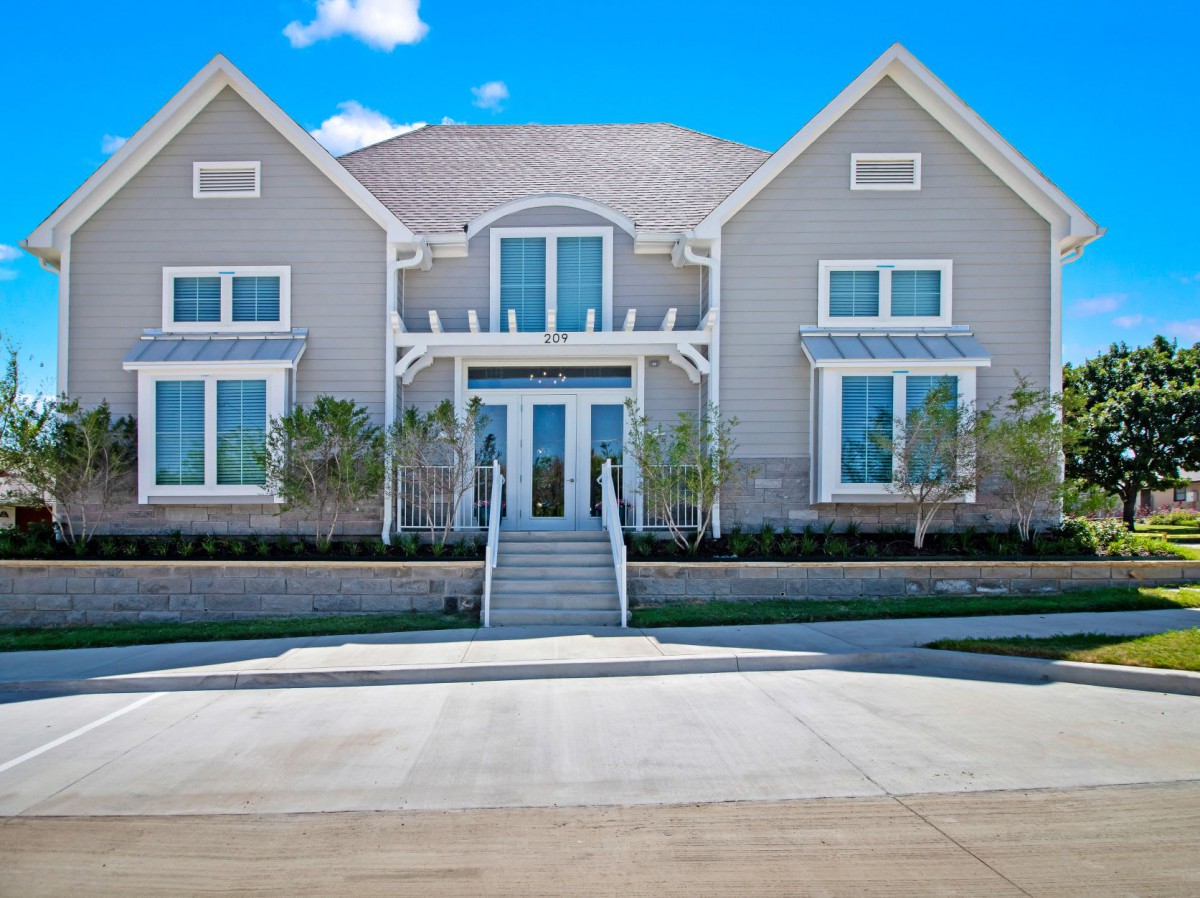

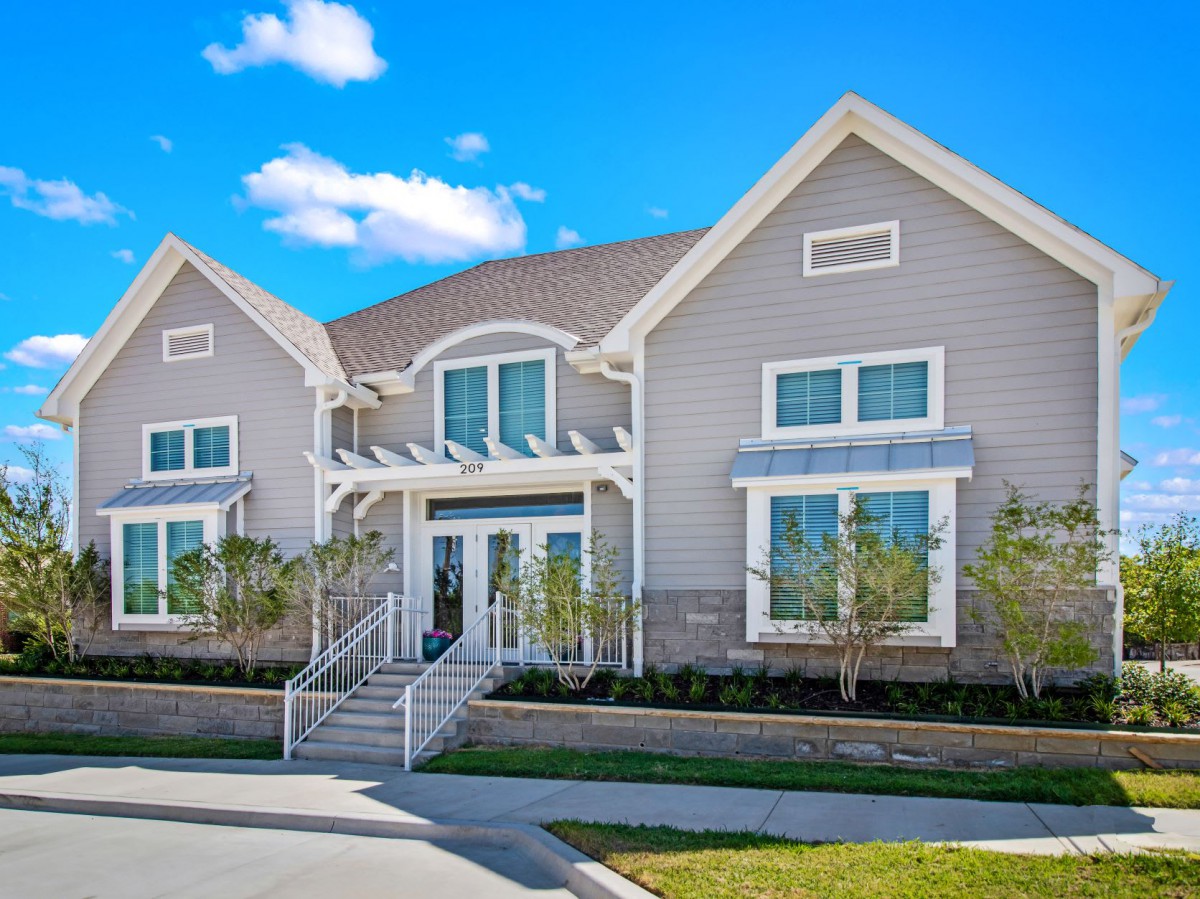











209 S Church St, Prosper, TX 75078
To contact a resident: (803) 417-2183
For more information about senior living options: (866) 208-4318
Lake Point Assisted Living Prosper Costs & Pricing
Lake Point Assisted Living Prosper offers competitive pricing in comparison to both Denton County and the broader Texas area. For semi-private rooms, residents can expect to pay $3,000 per month, which is significantly lower than the county average of $3,871 and the state average of $3,680. Private rooms are also attractively priced at $3,500, again undercutting the county's typical cost of $4,161 and the state's $4,096. However, for studio and one-bedroom accommodations, Lake Point's rates are higher; studios are priced at $4,500 compared to an average of $3,974 in Denton County and $3,758 statewide. Similarly, one-bedroom units are offered at $4,800 against a county average of $3,749 and a state average of $3,761. Overall, Lake Point Assisted Living Prosper provides a balanced approach to pricing that caters well to those seeking affordability in shared living while presenting premium options that reflect their value in more private settings.
| Floor plans | Lake Point Assisted Living Prosper | Denton County | Texas |
|---|---|---|---|
| Semi-Private | $3,000 | $3,871 | $3,680 |
| Private | $3,500 | $4,161 | $4,096 |
| Studio | $4,500 | $3,974 | $3,758 |
| 1 Bedroom | $4,800 | $3,749 | $3,761 |
Memory care communities with a similar price nearby
-
from +$466 / mo
Avalon Memory Care - Allen
$3,466 to $6,475 / month14.6 miles away -
from +$500 / mo
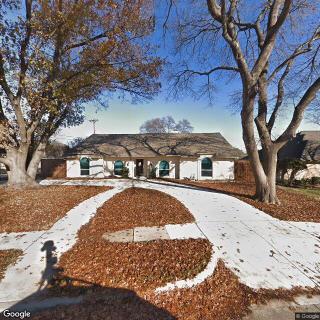
Locardia Homecare Living
$3,500 to $4,500 / month14.7 miles away -
from +$500 / mo
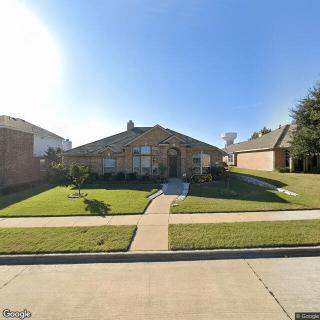
Nedges Nest
$3,500 to $4,000 / month14.1 miles away -
About the same
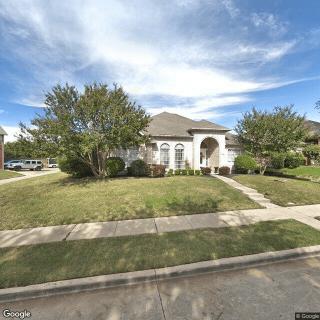
The Mulberry House 1
$3,000 to $3,500 / month9.2 miles away -
from +$250 / mo
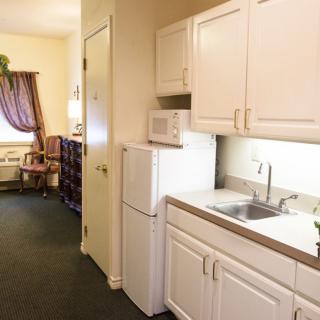
DaySpring Senior Living
$3,250 to $4,250 / month12.2 miles away
Overall Review of Lake Point Assisted Living Prosper
Pros
 The facility is described as the nicest Assisted Living facility in the DFW area, with staff who clearly care for the residents.
- The Prosper facility provides exceptional care from attentive caregivers and is a beautiful facility.
- The Prosper facility is praised for its amazing staff delivering a high level of care, and residents love it there.
- The Prosper facility is regarded as excellent and offers a wonderful environment.
- The caregivers at the facility are very caring and compassionate, making it a great senior living option.
- Lake Point Frisco is an amazing facility with a magnificent view, and its caregivers are caring and compassionate.
- Lake Point Prosper is a beautiful facility with caring caregivers and friendly residents, creating a positive therapy experience.
Cons
 The reviewer states that caregivers lied to residents many times.
- They claim caregivers don’t speak English, sleep on the job, text or play on their phones, and don’t have time to walk patients.
- They say information left for patients was hidden for a week and not read, delaying care.
- They describe constant turnover, no one in charge, and unreturned phone calls with no call buttons, forcing residents to yell for help.
- They report residents being left in soiled diapers for hours.
Review
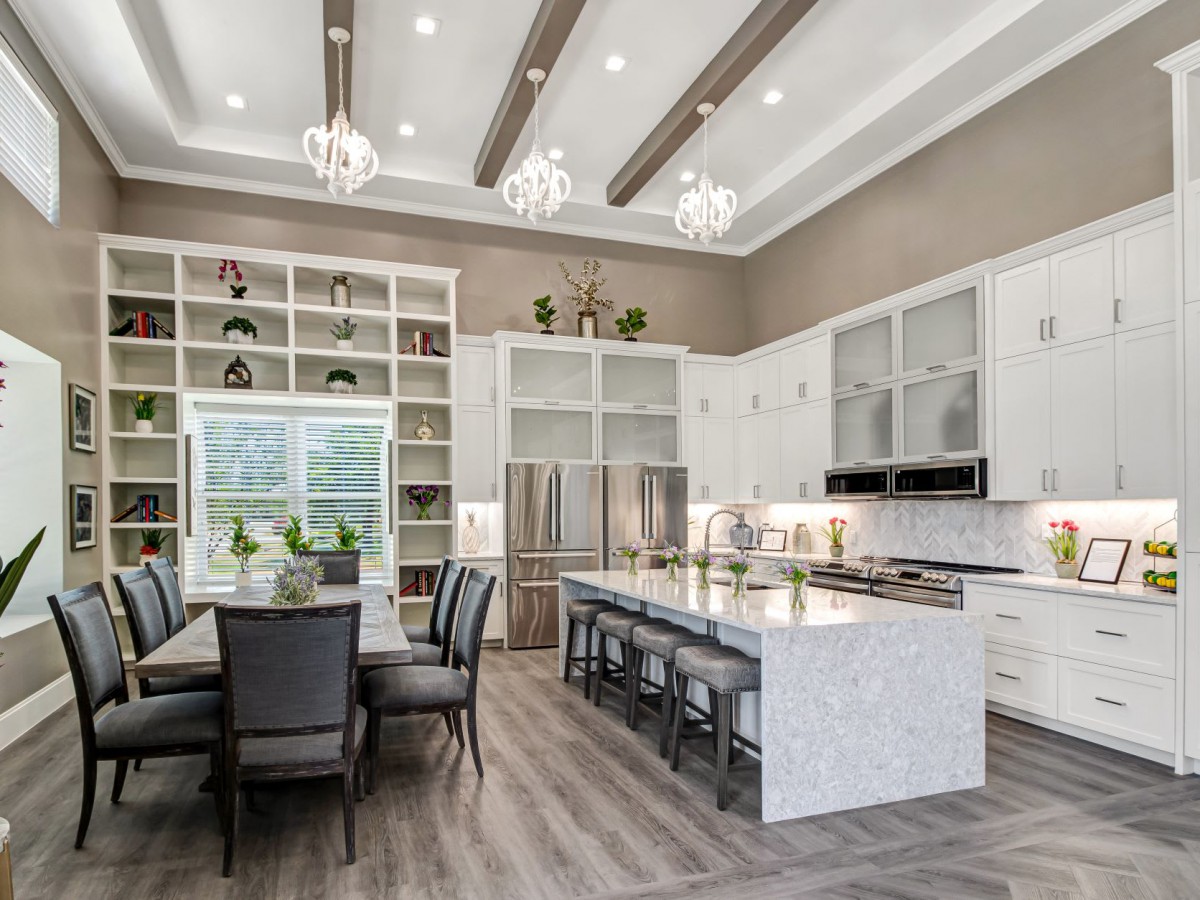
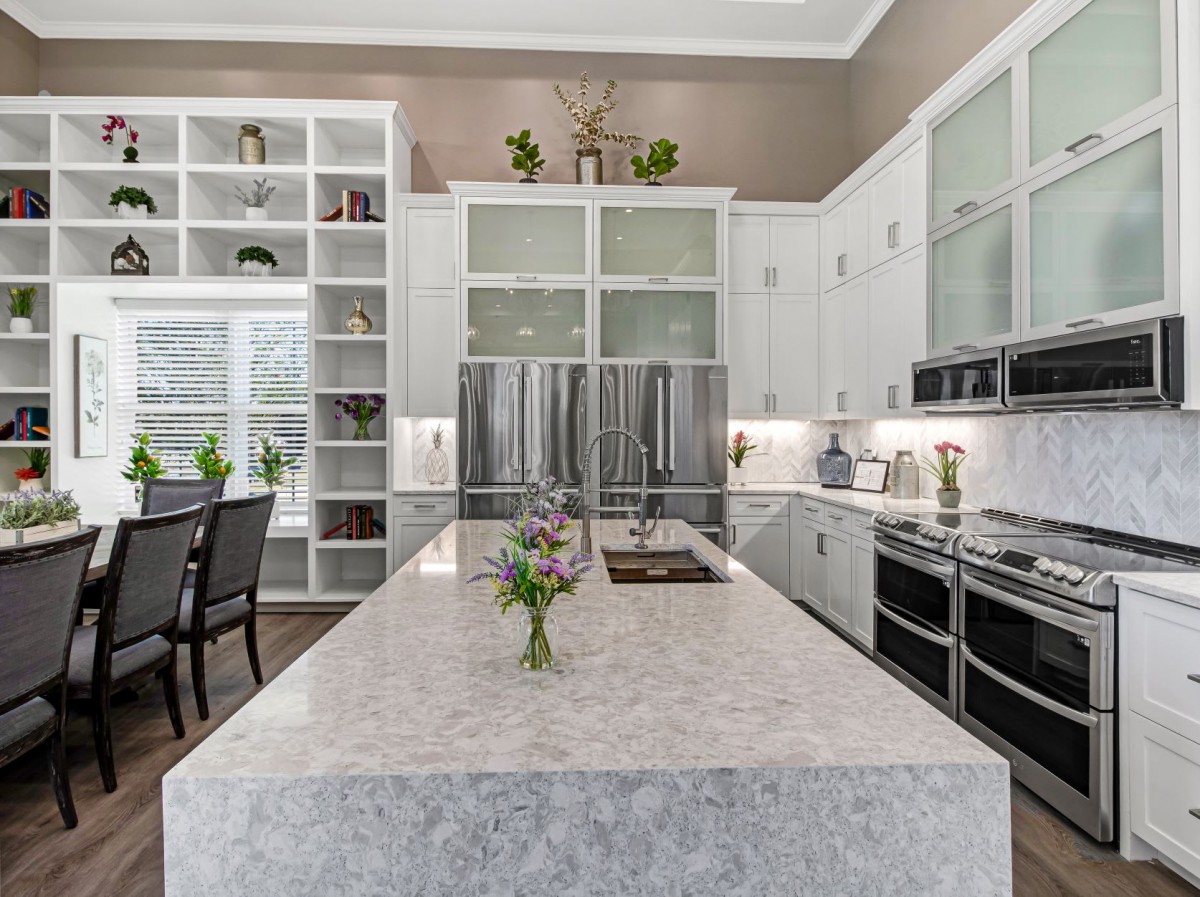
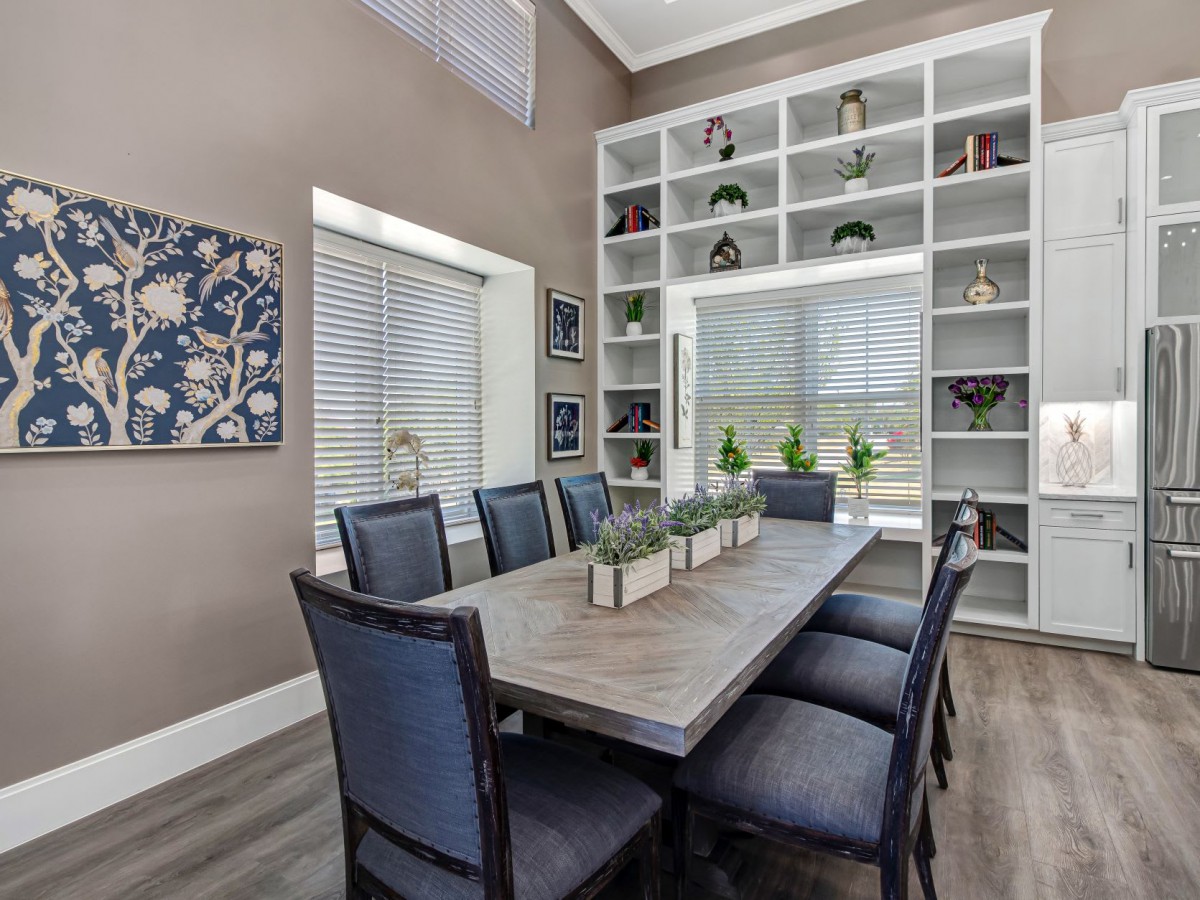
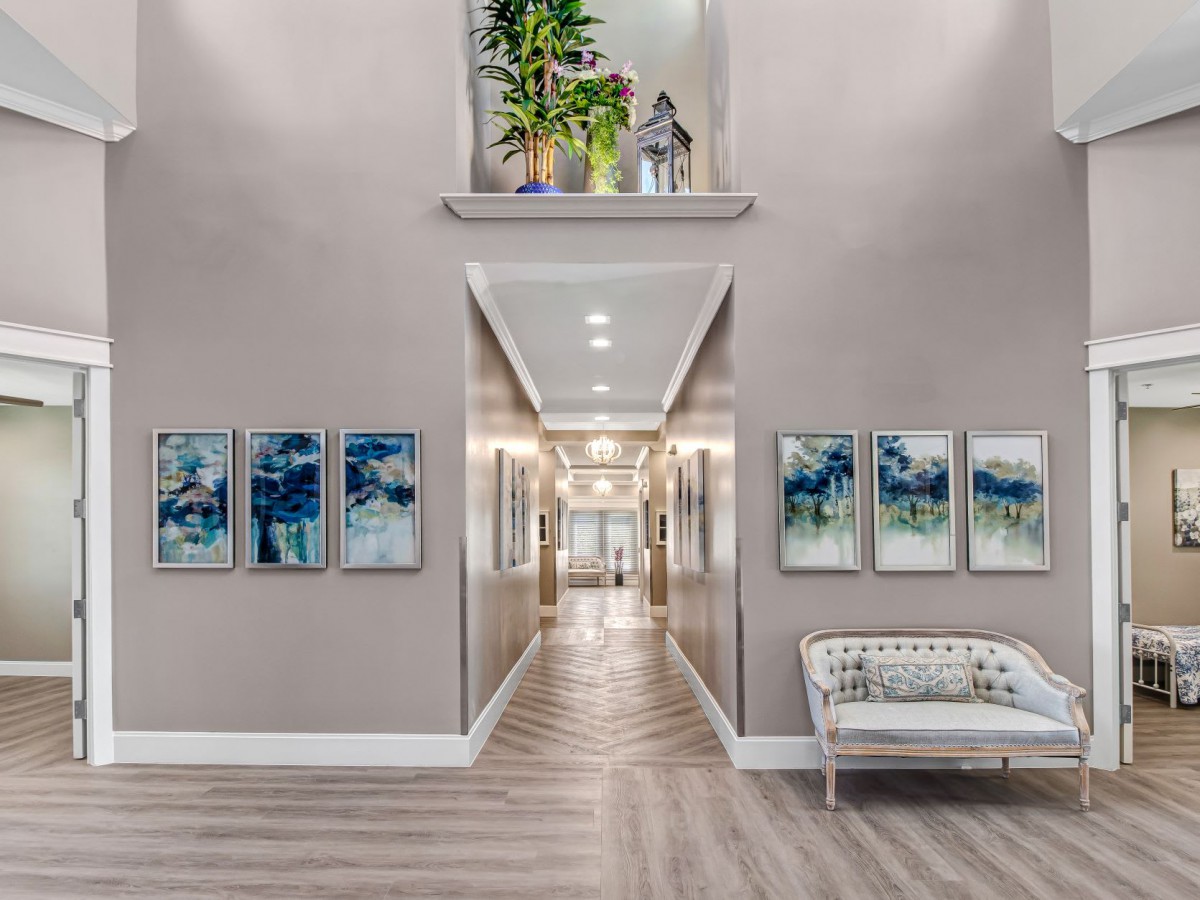
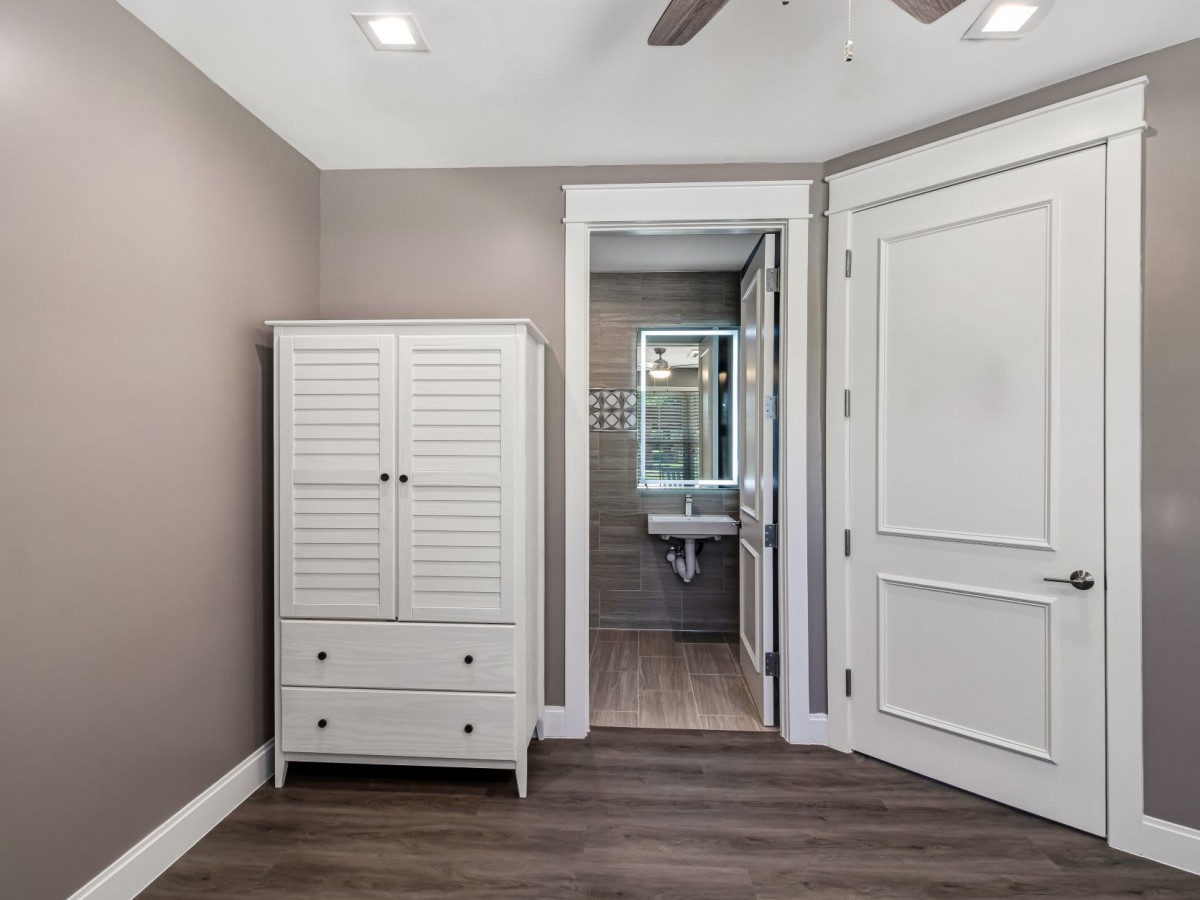
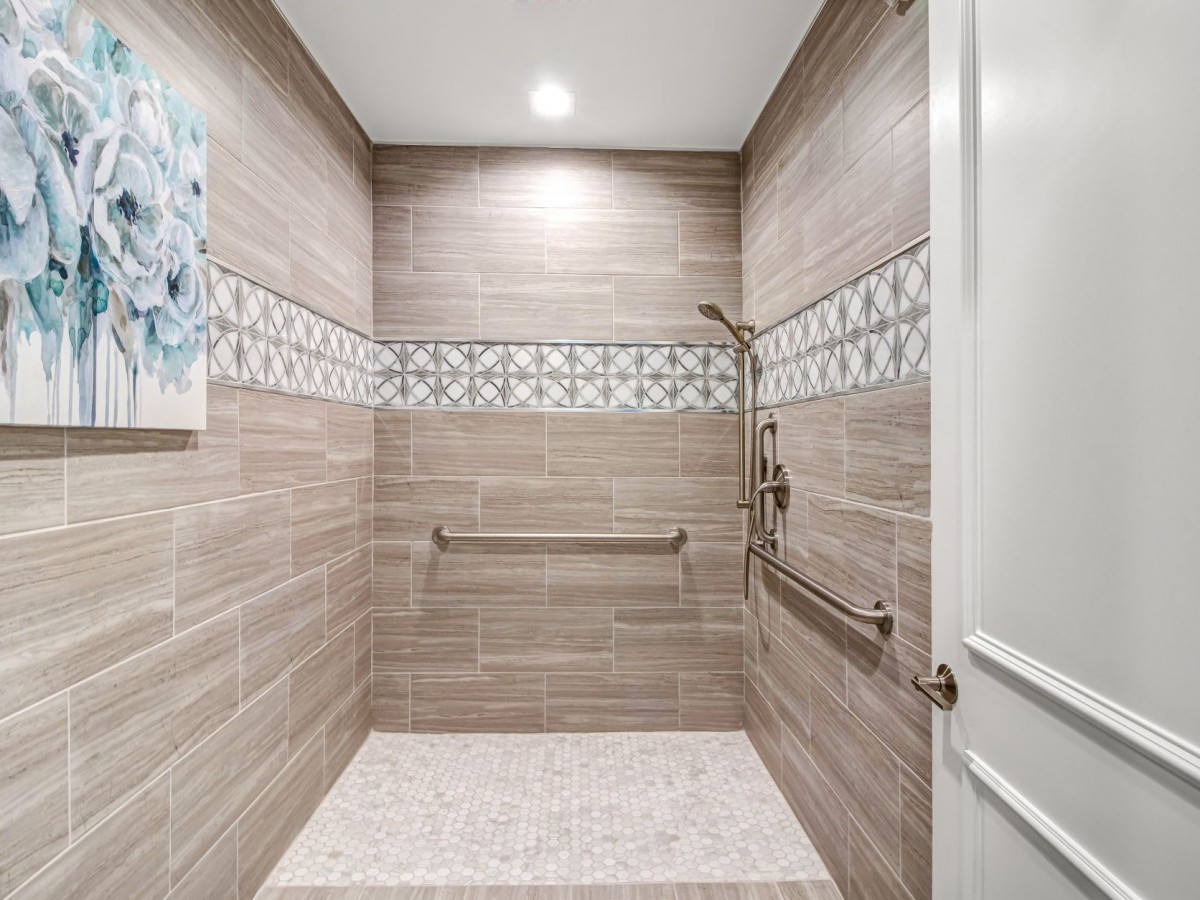
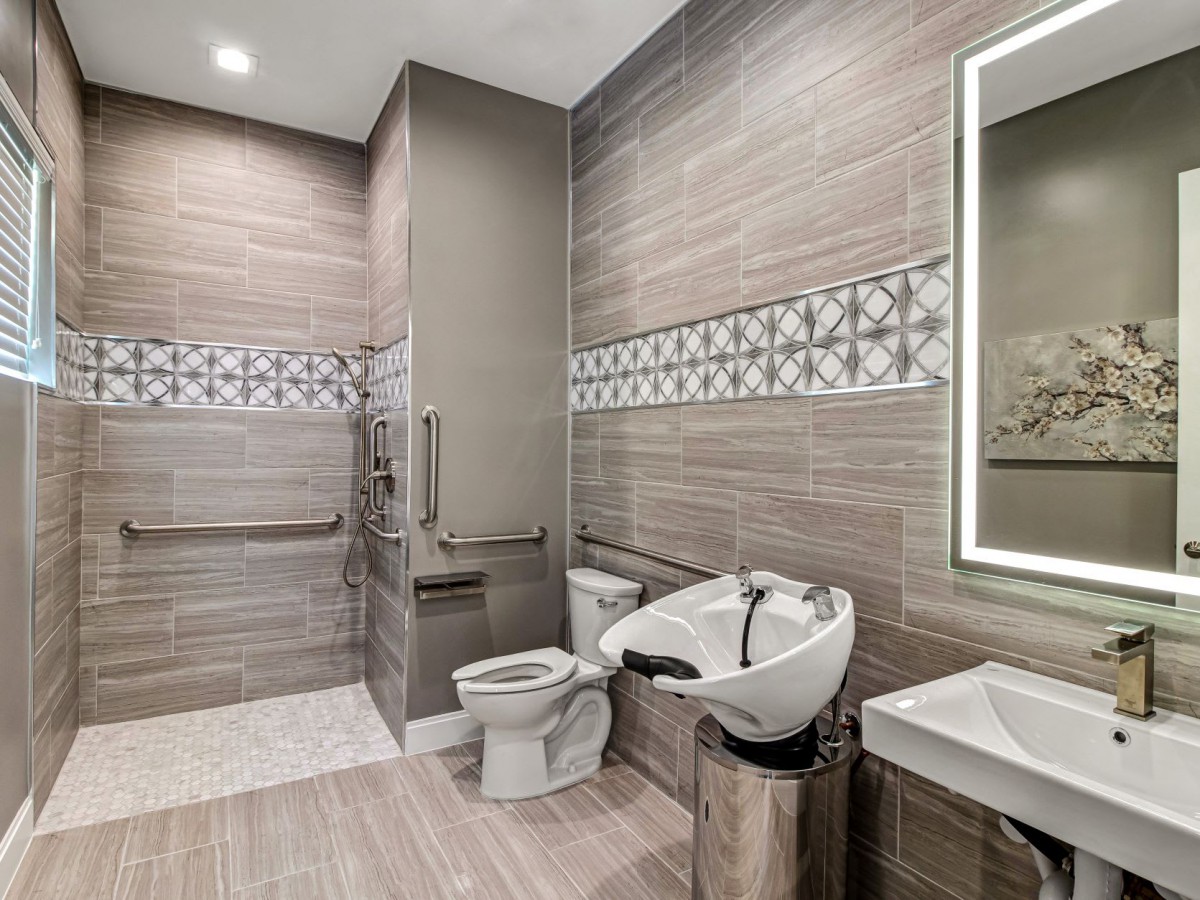
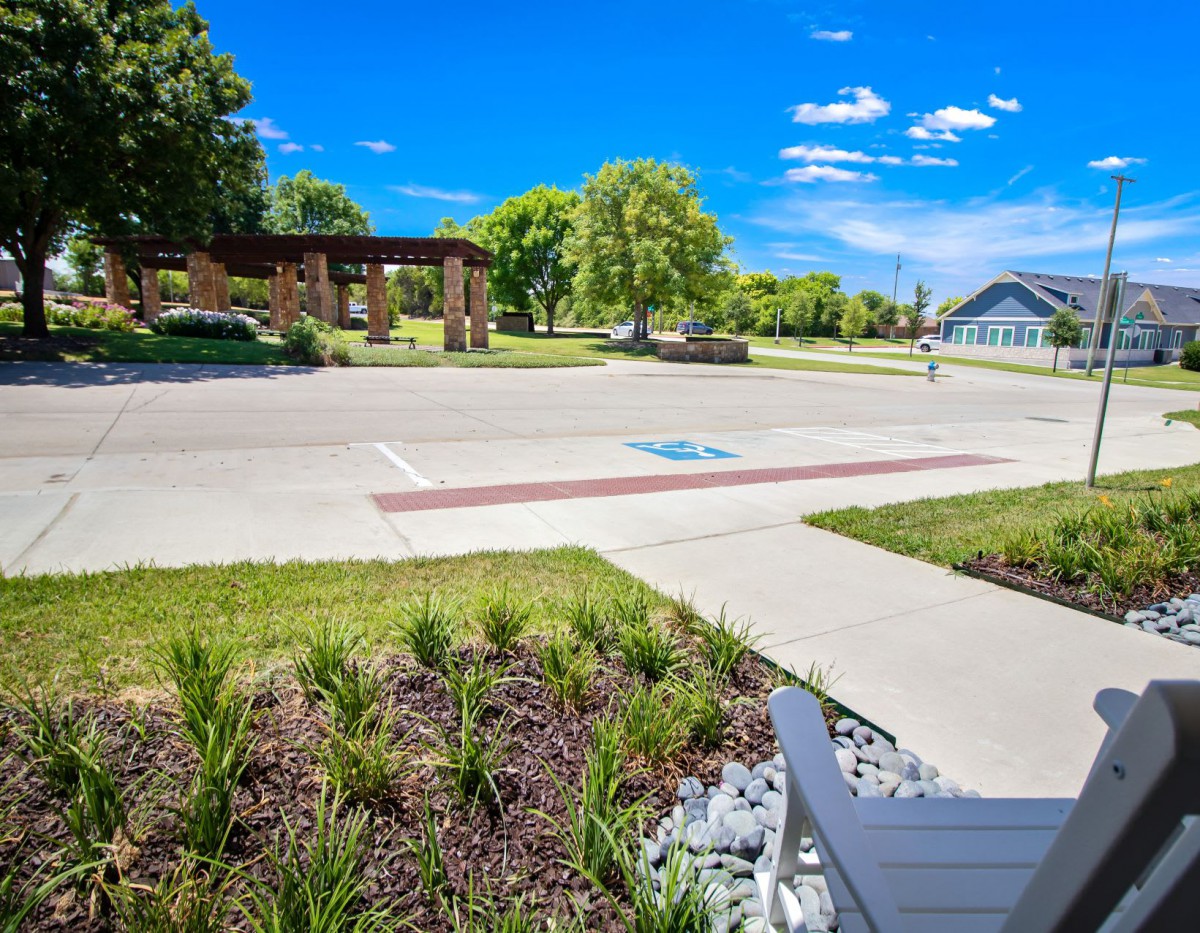
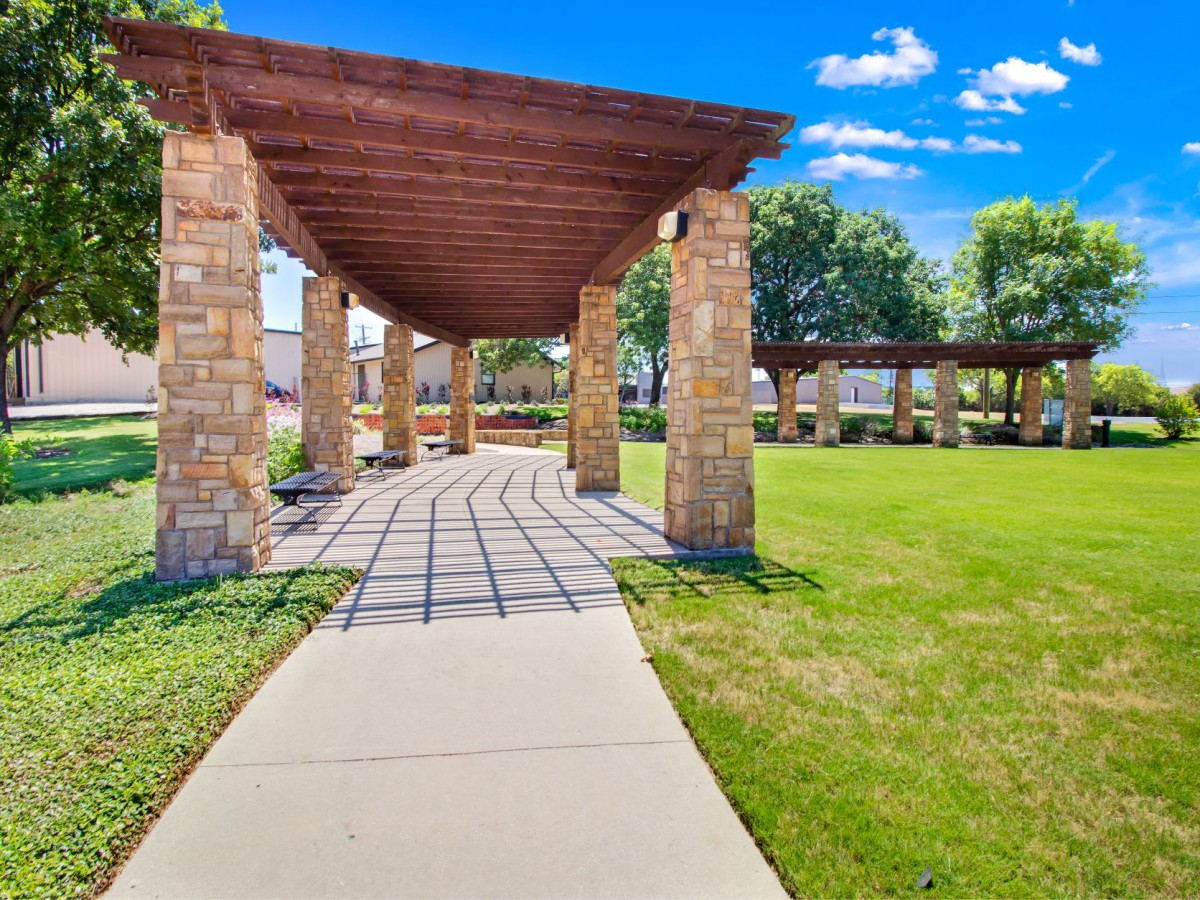
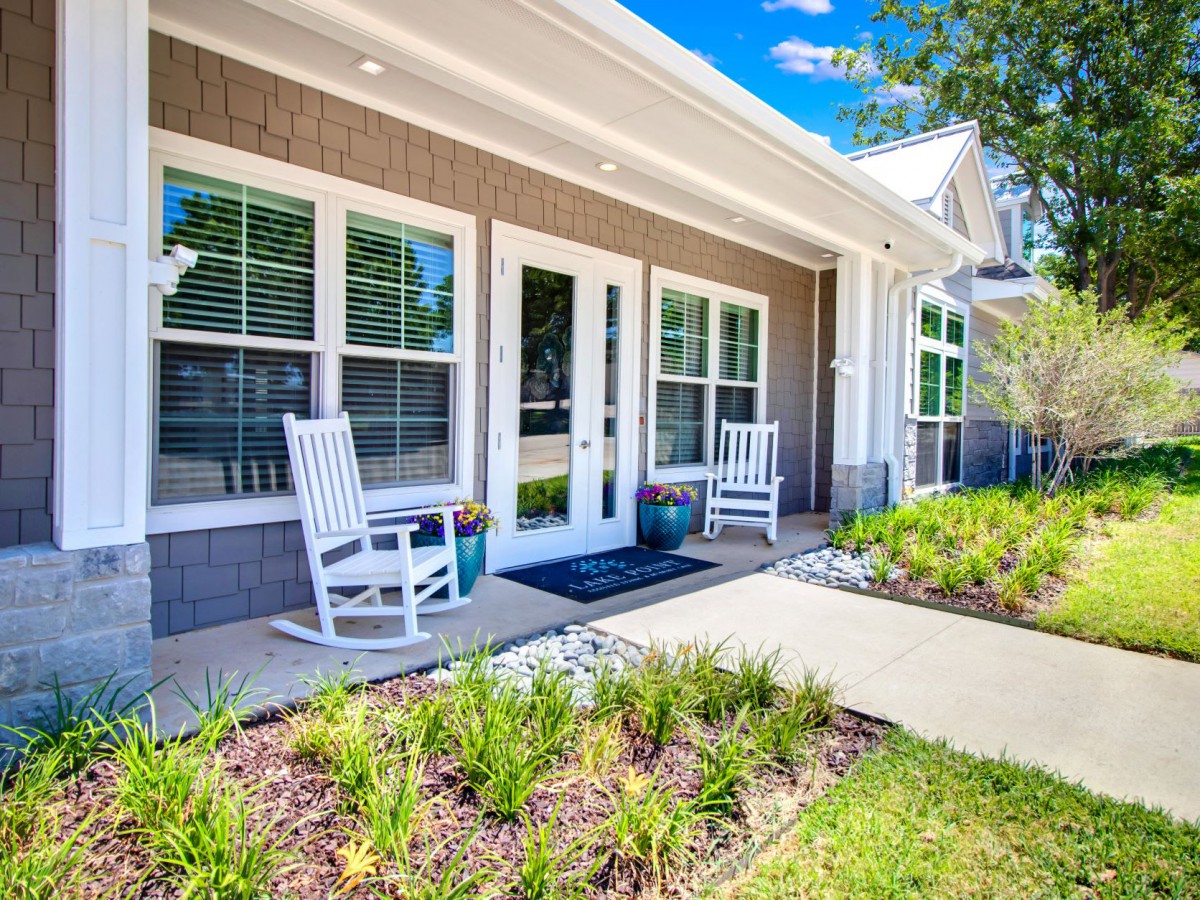
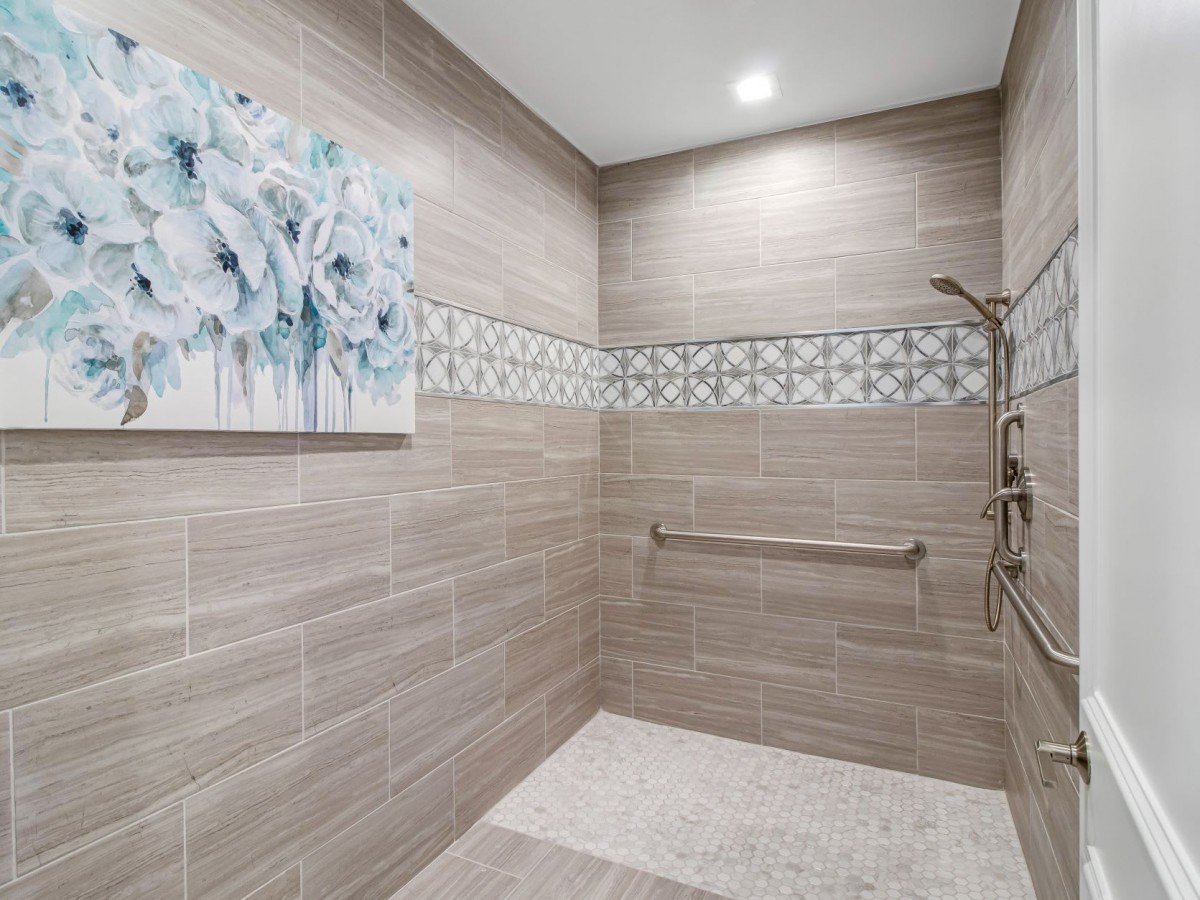
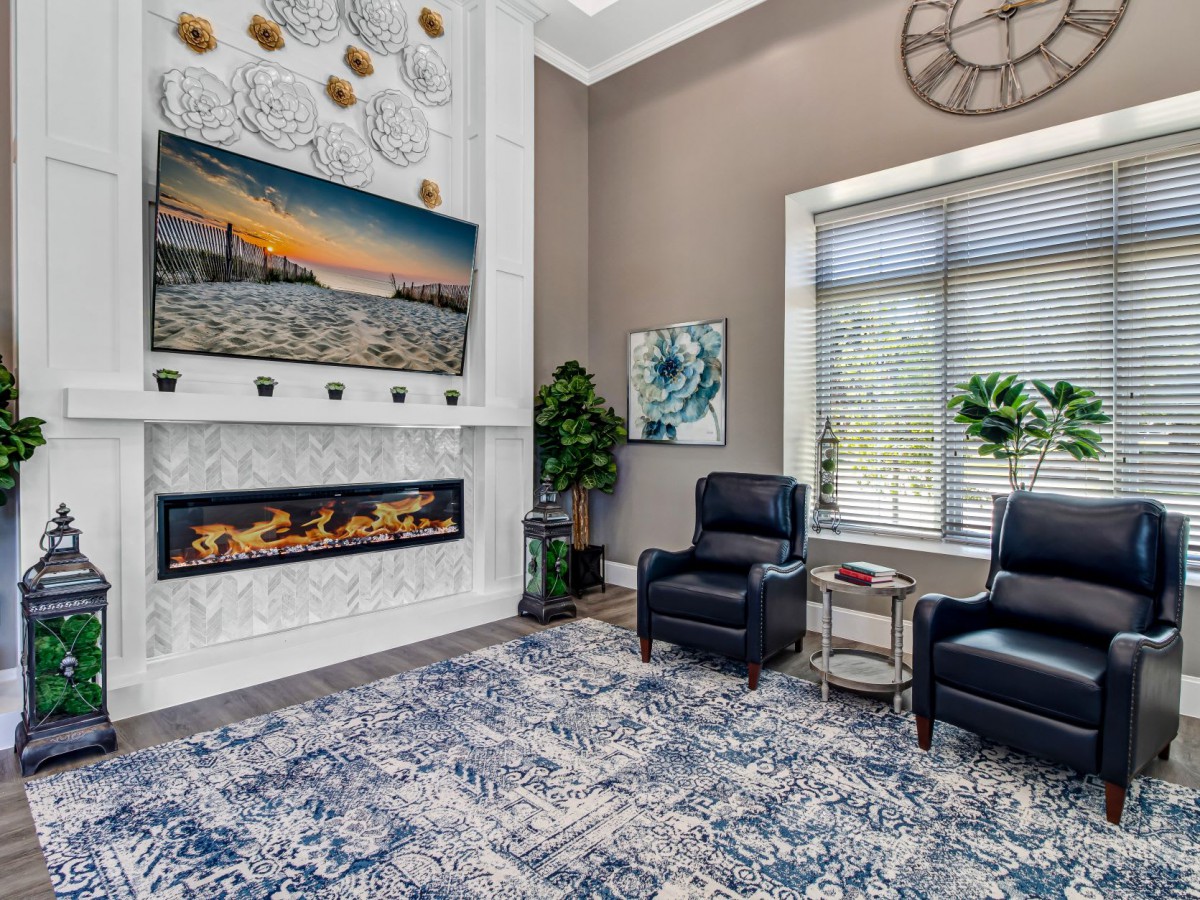
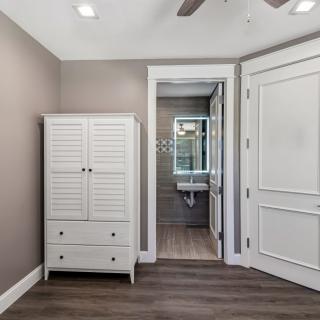
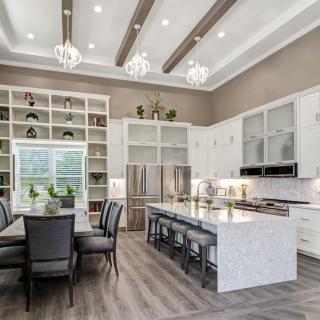
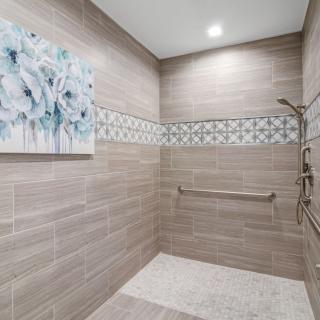
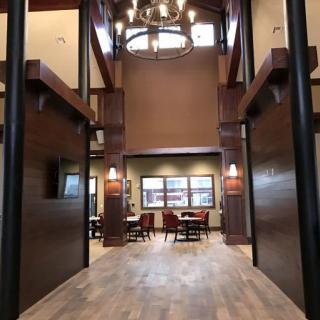
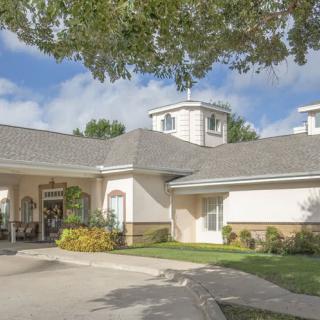
Lake Point Assisted Living Prosper is best suited for families seeking an upscale, resident-centric environment where memory-care and high-acuity support are realistically on the table, and where a warm, genuinely caring staff is visible day to day. The community’s appeal rests in private bathrooms in every room, an on-site chef for meals, and a facility feel that combines beauty with practicality. For residents who value a bright, aesthetically pleasing setting and want care teams that appear dedicated and engaged, Lake Point Prosper checks many boxes. It’s a place where the atmosphere and the staff’s bedside manner can translate into a reassuring daily experience for both residents and their families.
Those who may want to consider alternatives are households prioritizing flawless operational reliability and perfectly consistent communication. If language fluency or staff availability is non-negotiable, or if there is a heightened sensitivity to turnover and responsiveness, this facility warrants careful scrutiny. One reviewer highlights concerns about communication gaps, call-button reliability, and perceived staff attention, which are meaningful red flags for families who cannot tolerate lapses in safety or timely updates. Prospective residents with modest acuity or simple care needs might explore other options that emphasize tighter, more transparent oversight and steadier staffing.
The strongest positives here are tangible and meaningful. Families repeatedly praise caregivers for compassion and genuine care, and residents live in a setting that feels cared-for rather than clinical. The private room design and in-house culinary program contribute to a sense of dignity and daily comfort that can reduce stress for both resident and family. The facility’s capacity to support higher acuity or memory-care needs makes it a compelling choice for those determined to keep a loved one in place without compromising on specialized support. The combination of warmth, visual appeal, and functional amenities can offset many daily concerns when staffing is stable and well-led.
Yet the main caution is real. A single, highly critical account describes caregivers who do not communicate effectively, show signs of disengagement, and fail to read or respond to important information. The complaint includes a lack of call-button access, prolonged periods without attention, and apparent turnover with unclear leadership presence. Such issues strike at safety, dignity, and trust, and they cannot be dismissed as minor. They signal the need for rigorous due diligence: confirm leadership consistency, ask for current caregiver-to-resident ratios, observe call-button reliability during a tour, and probe the facility’s escalation processes for missed care or information gaps.
In weighing pros against cons, the balance hinges on leadership stability and operational discipline. If Glendale-like assurances of steady management, low turnover, and responsive communication can be verified, the positives, comfort, high-acuity readiness, and a pleasant environment, tave a strong offset to potential drawbacks. Families should demand concrete details before committing: recent staff turnover rates, language capabilities among frontline caregivers, a defined protocol for call-button responsiveness, and direct opportunities to meet the care director and lead nurses. A trial period or scheduled checks during peak activity times can reveal whether the promised warmth translates into consistent daily practice.
Ultimately, Lake Point Prosper is a compelling option for families prioritizing a polished setting with serious memory-care and high-acuity capabilities, delivered by caregivers who many times come across as genuinely devoted. It remains essential, however, to confront the concerns head-on with direct questions and verifiable assurances about staffing stability and communication systems. For families who can tolerate a rigorous vetting process and who value the combination of beauty, privacy, and robust care, the community offers a practical path forward. For those whose comfort hinges on unwavering operational predictability, it is prudent to compare alternate communities where staffing reliability and explicit oversight are non-negotiable guarantees.
 Assisted Living
 Memory Care

 How and When Medicaid May Cover Assisted Living Costs
 A Detailed Exploration of Assisted Living Medicaid Waivers Across the United States
 Exploring the Contrasts Between Assisted Living and Skilled Nursing