




948 Wiggins Pkwy, Mesquite, TX 75150
To contact a resident: (972) 698-2600
For more information about senior living options: (866) 208-4318
Overall Review of Christian Care Communities and Services-Mesquite, a CCRC
Pros
 The community was spotless when they moved in.
- The community has been wonderful.
- The resident loves their apartment.
- The community is peaceful.
- The gated community with 24-hour surveillance is appreciated.
- The resident has enjoyed activities and outings, including Blue Bonnet Trail, Ham's Peach Orchard, and The Arboretum.
- The staff member who assisted their loved one went above and beyond to help.
- Residents try to include the loved one in activities and are very helpful.
- The reviewer recommends the community as a great choice.
Cons
 The resident notes there is very little storage space and no pantry.
- The review highlights the lack of storage room and pantry as a drawback.
Review
Christian Care Communities and Services-Mesquite serves best those seniors who want to age in place within a true continuing-care campus: independent living with the comfort of a built-in path to assisted living, all on a secure, walkable Mesquite campus. The combination of a peaceful setting, well-kept apartments, and a robust slate of activities makes it an ideal home for residents who prize serenity, reliable security, and social programming as their core needs. The gated grounds and 24-hour surveillance provide a tangible sense of safety, which matters deeply to families seeking ongoing peace of mind. For someone who values bird-wathcing from the window, quiet mornings, and easy access to social outings, this community fits like a well-made system with room to grow.
For those weighing alternatives, a few facts are worth keeping front and center. The community’s strongest appeal rests on its continuum-of-care structure and the proven willingness of staff to advocate for residents and their families during transitions. But this same emphasis on a single-campus solution means less emphasis on abundant private storage or pantry space within individual residences. If personal storage or kitchen capacity is a high priority, or if a resident prefers a non-CCRC arrangement with different financial or service options, it makes sense to compare other independent living or assisted living settings that offer more expansive in-unit storage or more flexible pricing. In short, this option excels in security, community, and transition support, while it may disappoint those who need more horizontal space at the unit level.
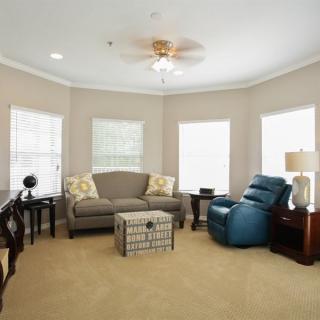
The most compelling pros line up with the community’s daily life and overall well-being. Move-in experiences are described as spotless and welcoming, with residents immediately feeling the sense of pride in their surroundings. The apartments offer views and a tranquil atmosphere that supporters of independent living will recognize as essential for mental and emotional balance. The social calendar reads as genuinely engaging, with outings that range from scenic trails to local venues, creating natural opportunities for neighbors to form connections and stay active. The presence of a responsive staff culture, elevated by a particular contact who helped shepherd a loved one into assisted living over a two-year period, speaks to an ecosystem that values families and continuity of care above mere occupancy.
That staff-to-resident dynamic matters when weighing pros against the only significant caveat: limited storage. The lack of storage space and absence of a pantry are real constraints for residents with substantial personal belongings or kitchen equipment. Yet the offsetting strengths are not cosmetic; they are practical and consistent. The security, courtesy, and intentional community-building reduce the emotional and logistical burden that often comes with aging in place on a large campus. The ability for residents to be integrated into daily living and activities, rather than isolated in their apartments, tends to sustain motivation, health, and a sense of belonging, which in turn can lessen the perceived impact of constrained cabinet and closet space.
From a decision-making standpoint, the Mesquite campus delivers clear value for families prioritizing predictable, supportive care in a secure, sociable setting. It excels for those who want a seamless integration of independent living with the option to transition to assisted living without leaving the community. The key buying signal is the demonstrated willingness of staff to go above and beyond for residents and their families, especially during transitions. That advocacy, combined with safety features and a lively activity calendar, creates a compelling case for choosing this campus when these factors align with the resident’s personality and daily routines.
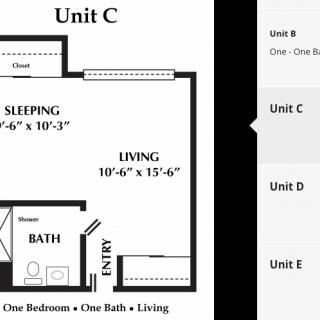
Bottom line: this community is a strong fit for seniors who want a serene, engaging, security-forward environment with credible transition support and a genuine sense of community. It is less suitable for those who place a premium on abundant private storage or pantry space, or who require a non-CCRC arrangement with different financial flexibility. Pros offset several cons, thanks to compassionate staff, active programming, and the peace of mind that comes from living on a gated campus. Prospective residents should plan a visit, talk with admissions about the transition process, and specifically clarify storage options and floor plans to determine whether the on-site advantages align with personal living preferences and long-term care expectations.
 Assisted Living
 Memory Care
 Activities off-site
 Beautician on-site
 Devotional services off-site
 Indoor common areas
 Outdoor common areas
 Respite or short term stays offered
 Wheelchair accessible showers
 Dallas Love (14 miles away)
 Ambulatory care
 Diabetic care
 Incontinence care
 Medication management
 Kosher
 Sensory-based programs






 When to Transition from Assisted Living to Memory Care: Key Indicators, Steps, and Finding the Right Community
 Understanding the Distinctions: Assisted Living and Memory Care Explained
 How to Communicate with a Loved One Living with Dementia: 10 Supportive Strategies