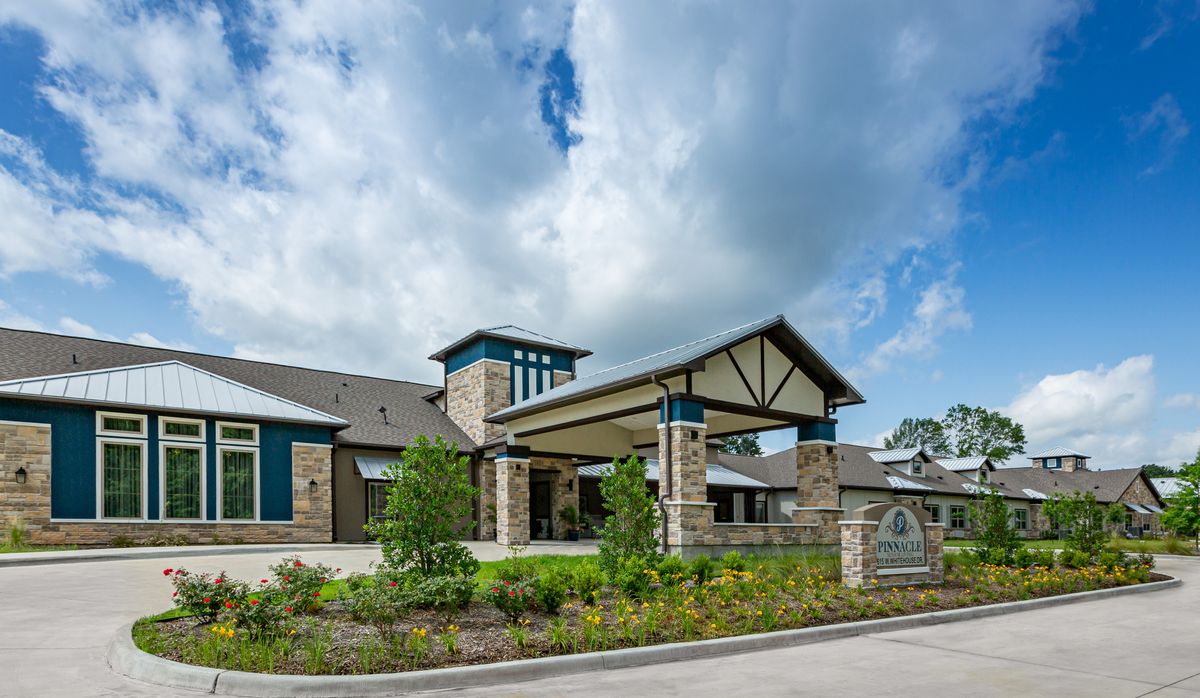
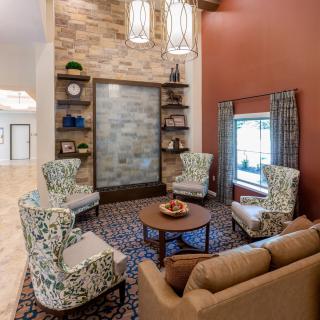
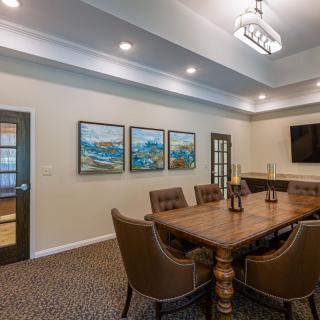
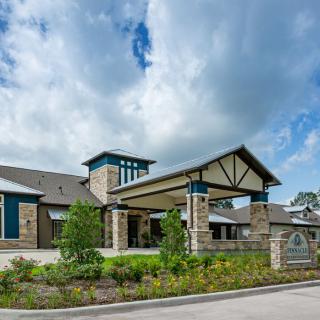
615 West Whitehouse Drive, Lufkin, TX 75904
For more information about senior living options: (866) 208-4318
Overall Review of Pinnacle Senior Living of Lufkin
Pros
 Pinnacle Senior Living feels like a second home and a second family to its residents.
- The Smile 4 JESUS Always motto is embraced by the community.
- The staff go above and beyond for their residents and are genuinely kind.
- The staff and residents are wonderful, making it a great place for senior living.
- Pinnacle is a great place to work and live.
- The facility is top notch, and residents enjoy their stay.
- Residents feel at home with helpful staff who respect their privacy.
- Pinnacle provides veteran support services.
Cons
 Memory care doesn’t get the attention the rest of the property gets.
- Seventy percent of the staff are great, but the rest are pitiful.
- An aide slammed the door behind them after entering a resident’s room in memory care, which was unsettling.
- The memory care wing lacks proper attention and care compared to the other areas.
- If memory care is needed, one should look elsewhere.
- The only thing missing in memory care is scheduled activities.
Review
Pinnacle Senior Living of Lufkin is best suited for families seeking a warm, home-like setting where staff treat residents like neighbors and care feels personal. The community shines for seniors who value privacy when desired, a steady stream of attentive caregivers, and a genuine sense of belonging, the kind of environment that eases the stress of surrendering independence and keeps loved ones socially connected. It works particularly well for residents who thrive on daily warmth from a stable team and who appreciate straightforward, transparent communication with family. Those with heavy memory-care needs or priorities built around a highly specialized memory program may want to explore other options.
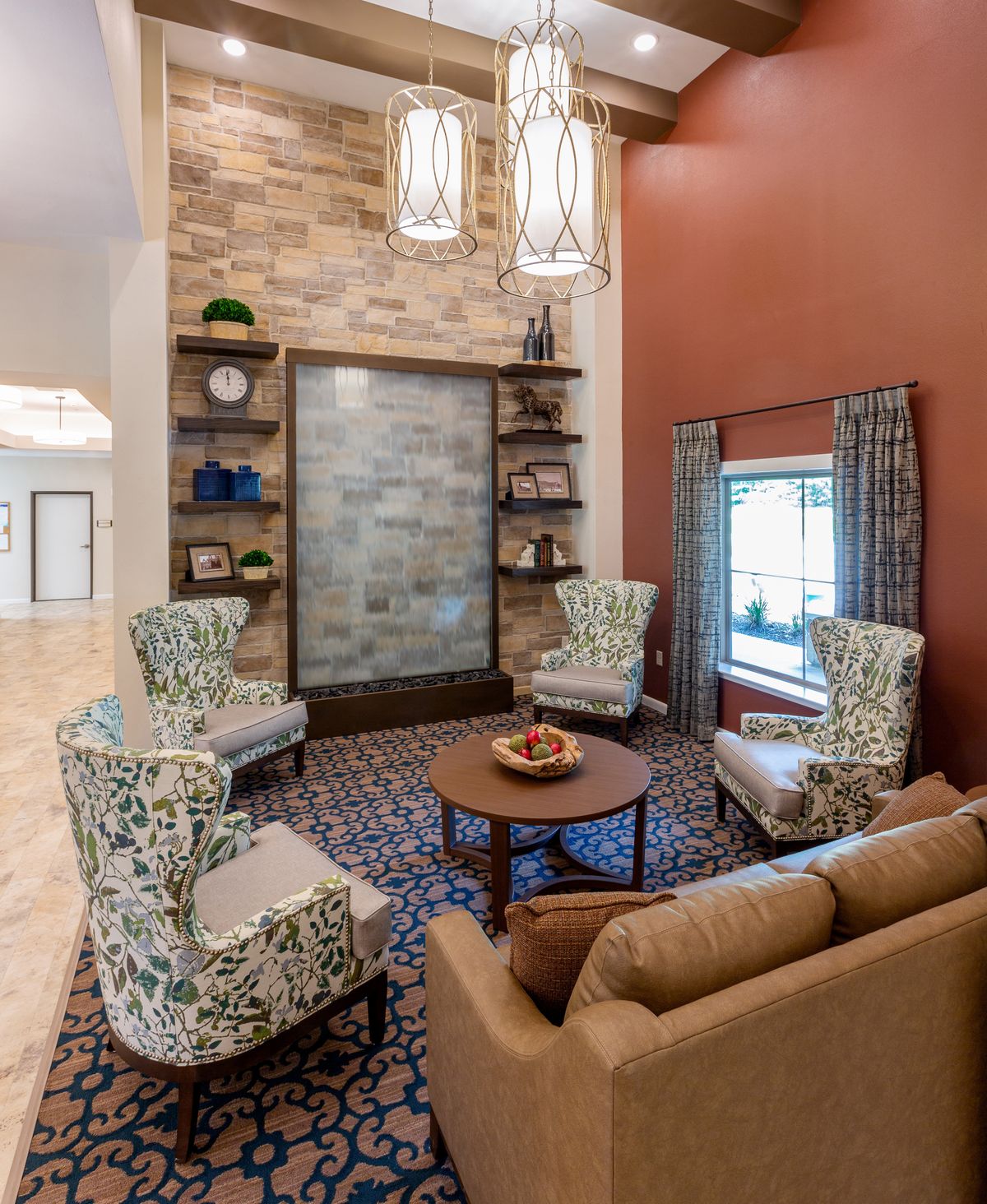
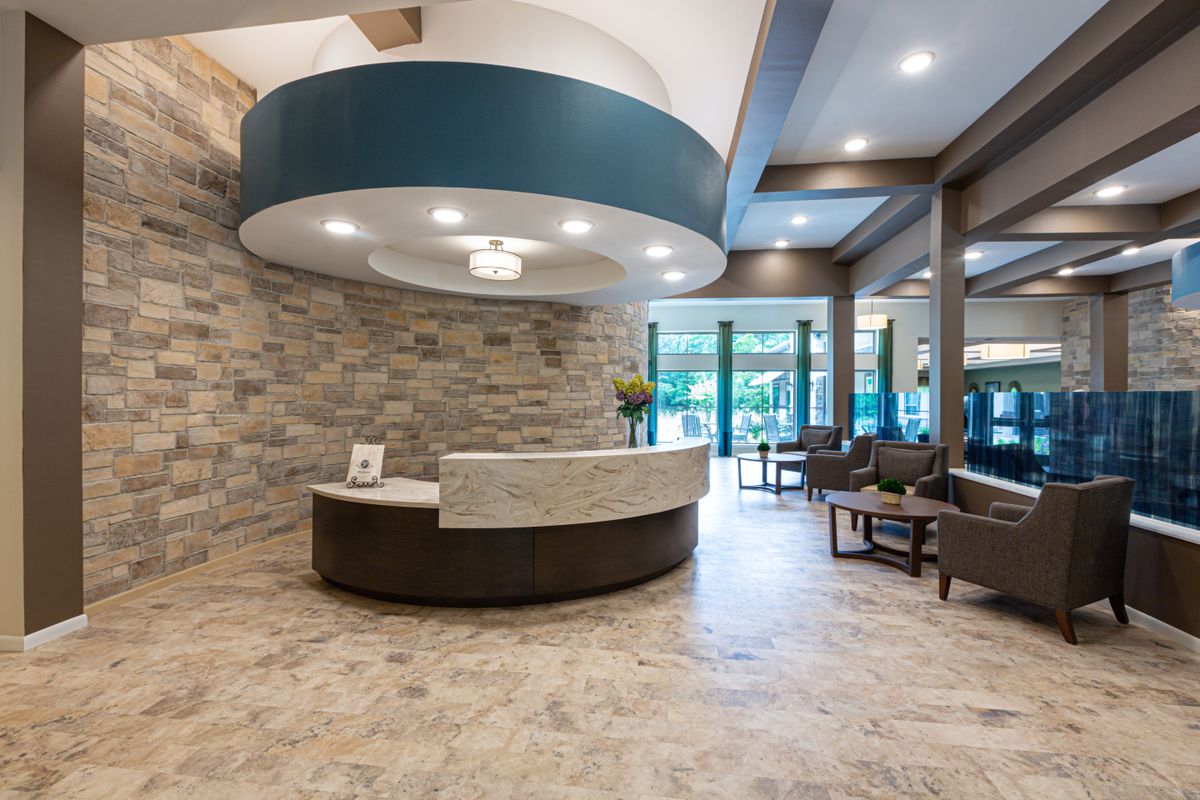
The strongest point in Pinnacle’s favor is the caregiving culture. Frontline caregivers are repeatedly described as going above and beyond, and administrators are viewed as genuinely invested. The staff’s daily interactions feel sincere, with residents treated more like family than as chores to check off. The setting supports companionship without sacrificing privacy, allowing residents to maintain independence when possible while knowing help is close at hand. Families flag the leadership and care partners as dependable, and the presence of veteran-support services adds meaning and purpose to life there, reinforcing a sense of belonging beyond routine tasks.
Yet memory care remains a clear Achilles’ heel in the eyes of several families. Reports of uneven attention across wings, five to six memory-care residents versus the busier, “other side”, raise legitimate concerns about resource allocation. Requests for more structured attention and scheduling in memory care have not always yielded the reassurance desired. An incident described by observers, a door slammed behind a resident by a staffer, highlights how lapses in training or tone can feel unsettling and trigger safety questions. Even when the bulk of the staff is excellent, the variability in care quality within memory care tangibly affects confidence for families with loved ones who live there, and the calendar of activities in that wing can seem thinner than ideal.
Those strengths offset the cons to a meaningful degree for typical assisted-living residents. The deep, consistent warmth, rapid issue responsiveness, and genuine partnership with families create a solid foundation of trust. Immediate notification when concerns arise reduces anxiety and supports informed decision-making. The combination of a homey atmosphere with capable, available staff makes Pinnacle a practical choice for families who value relational care over a perfectly uniform staff ratio across all wings. For many, this balance translates into a robust overall experience that preserves dignity, independence, and a sense of community.
Families considering alternatives should weigh the memory-care demand carefully. If a loved one requires relentless specialized cognitive care, a calendar packed with structured engagement, and a consistently high staff-to-resident ratio in memory care, other communities with a sharper focus on memory programming may outperform Pinnacle. Those who cannot tolerate even occasional staff missteps or who want a uniformly tight, training-centered culture across every wing may also find options that better match their standards. In short, Pinnacle serves well for many seniors, but memory-care intensity and consistency remain the deciding factor for others.
For decision-making, plan a thorough tour that includes the memory-care wing, and talk directly with caregivers and administrators about daily routines, activity schedules, and how staffing levels shift by time of day. Ask for concrete examples of response times, what happens when concerns are raised, and how families stay informed. Speak with current residents’ families about communication practices and observed consistency in care. If these criteria align with the family’s priorities, Pinnacle offers a compelling blend of warmth, privacy, and dependable care; if not, the field of options should be broadened to facilities with a stronger, more uniform emphasis on memory-care resources and daily programming.
 22 resident community capacity
 Assisted Living
 Memory Care
 Respite Care
 Beauty salon
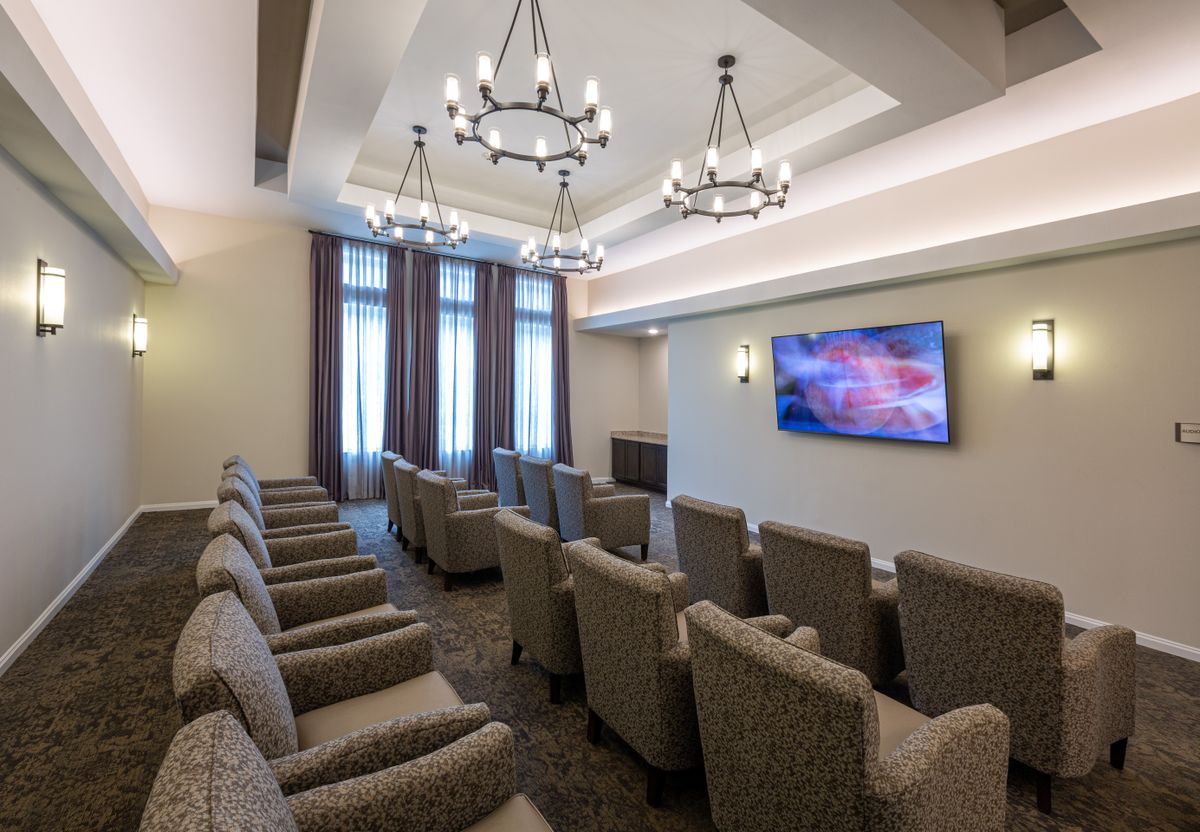
 Cable or satellite TV
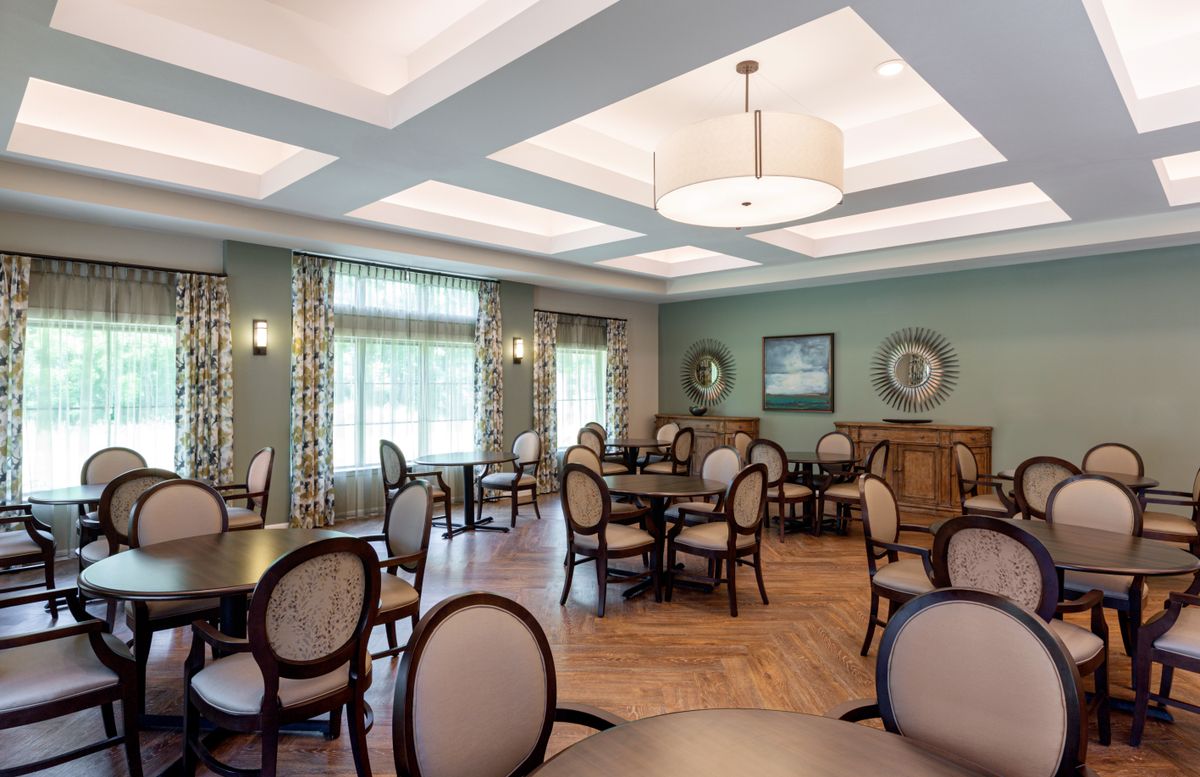
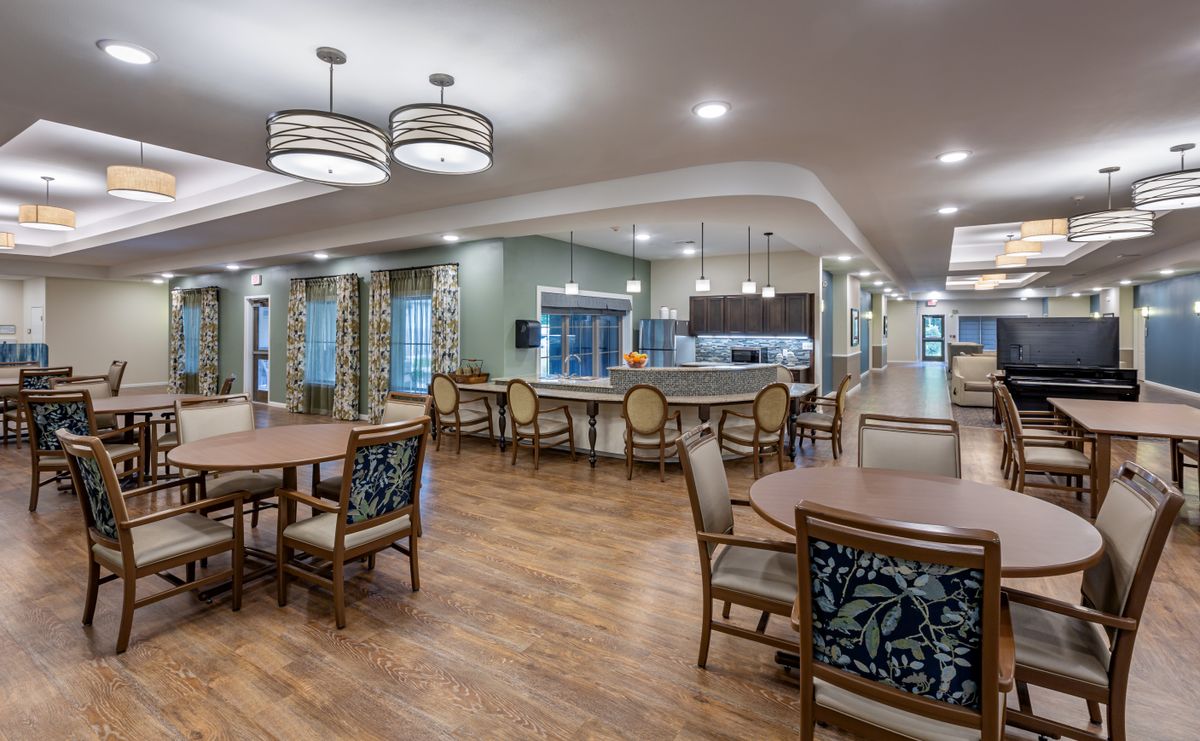
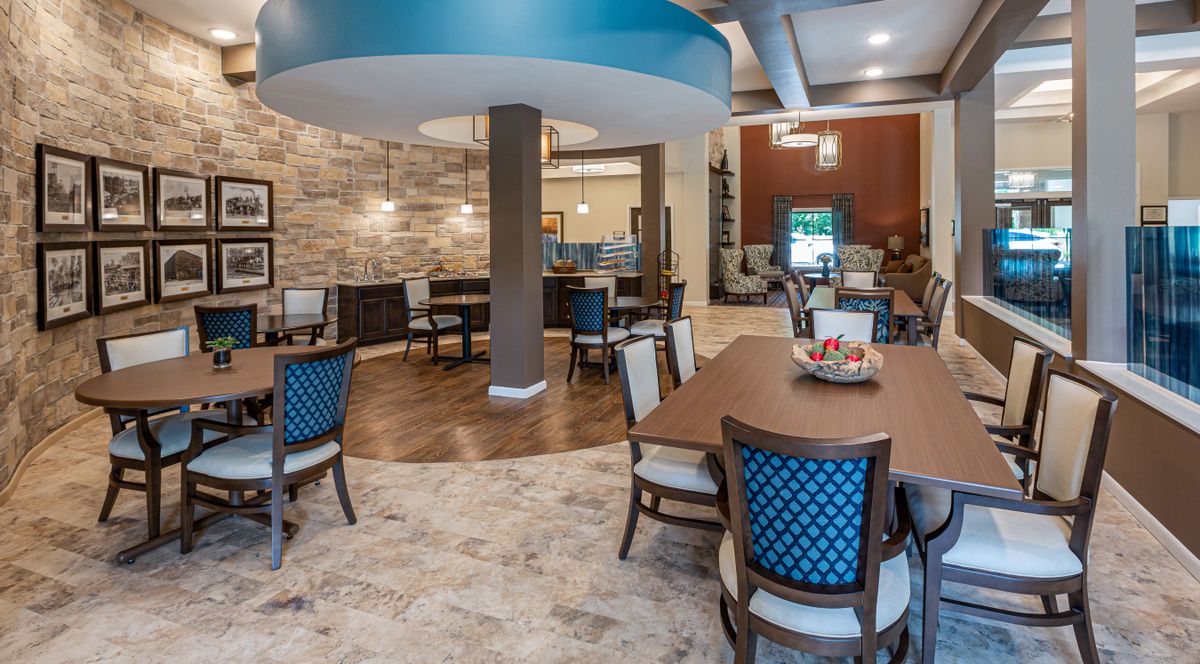
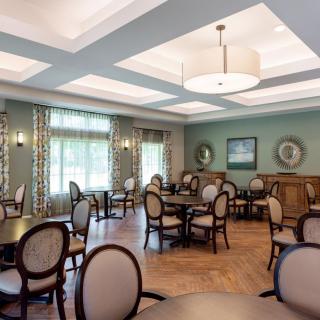
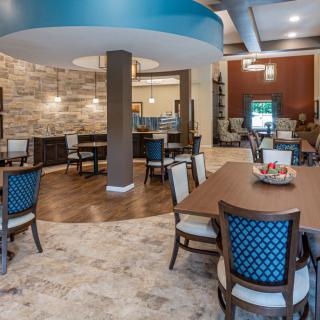
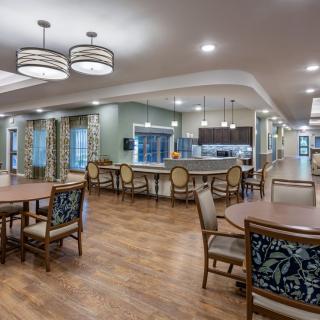
 Dining room
 Fully furnished
 Garden
 Housekeeping services
 Kitchenette
 Move-in coordination
 Outdoor space
 Restaurant-style dining
 Small library
 Telephone
 Wi-Fi/high-speed internet available
 Transportation arrangement (non-medical)
 12-16 hour nursing
 24-hour call system
 Activities of daily living assistance
 Assistance with bathing
 Assistance with dressing
 Assistance with transfers
 Diabetes diet
 Medication management
 Mental wellness program
 Special dietary restrictions

 Delirium and Dementia: Unraveling the Key Differences
 Are Dementia and Alzheimer's Disease Lethal? A Comprehensive Exploration
 Exploring the Power of Reminiscence Therapy for Individuals With Dementia