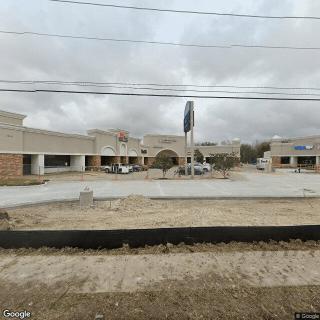
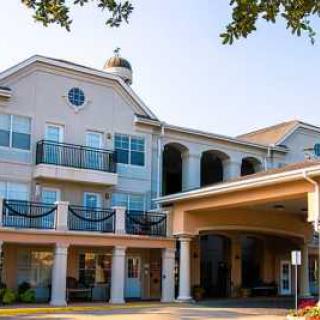
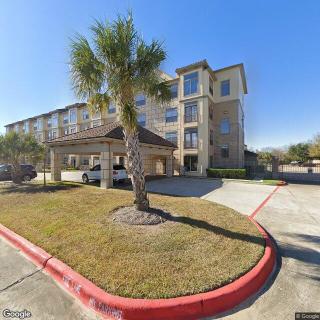
The Crossings is an assisted living and memory care community in League City, TX.
Information last verified:
255 North Egret Bay Boulevard, League City, TX 77573
For more information about senior living options: (866) 208-4318
4.2 from 84 reviews
5 stars
57
4 stars
12
3 stars
1
2 stars
3
1 stars
11
Overall Review of The Crossings
common
Staff care is frequently praised
Residents and families consistently describe the staff as caring and helpful.
A large share of reviewers highlight staff members who are attentive, professional, and supportive during rehab, nursing care, and everyday needs. Several families describe nurses, aides, and therapy teams as encouraging people through recovery, including help with physical therapy and routines. A few residents also point to friendliness and trustworthiness as part of what made the community feel safe and welcoming.
common6 reviews mention this
Food gets strong responses
Meals stand out, with many reviewers describing them as a positive part of life here.
Many reviews mention enjoying the food—calling it fantastic, wonderful, or something residents looked forward to during rehab. Some also describe meals as having variety and a menu loaded with choices, rather than feeling basic. One reviewer, however, describes a major delay waiting for the main meal, which is a clear outlier on dining timeliness.
common
Activities and social life
Residents describe a busy schedule of activities and opportunities to socialize.
Reviewers frequently mention activities, events, and the chance to meet other residents—ranging from daily scheduled programming to social gatherings. Families also describe how programming helps people stay engaged, including when health is changing or during transitions like rehab. Structured community outings and resident-centered events show up in multiple accounts, reinforcing that the social component is a recurring theme.
differentiator
Care levels support rehab needs
The community’s range of care levels is a recurring reason families choose it for recovery.
Multiple reviews discuss short-term rehab and skilled nursing after illness or surgery, describing ongoing nursing and therapy support. Several families say their loved ones were able to move between independent living, assisted living, and skilled rehab as needs changed, without having to start over elsewhere. This lines up with the care services the community offers across settings, including rehab and medication support.
caveat5 reviews mention this
Cost is a frequent concern
Pricing is a common complaint, with reviewers calling it very expensive.
Several reviewers say the community costs a lot, and they directly connect that expense to expectations around service. One review states long-term care is twice the price of other facilities, while another describes the overall price as the highest they looked at and provides a monthly figure. Others mention paying big bucks and feeling frustrated when the service they needed (including meal timing) did not meet expectations.
caveat
Communication and staffing issues appear
Some reviewers report understaffing, poor communication, or delays during critical moments.
While many reviews praise care teams, multiple critical reviews describe problems with staffing levels and the impact on patient experience. Several also mention communication failures—such as lack of feedback on a loved one’s wellbeing, delays coordinating paperwork and authorizations, or confusion during shift changes. There are also accounts of concerns being dismissed, which adds to a recurring caution about how issues are handled during stressful situations.
How we summarize
We summarize when many written reviews mention each theme; a review can touch several themes, and only frequently mentioned themes are displayed.
Features
Housing
68 resident community capacity
1-bedroom apartments
2-bedroom apartments
Types of Care
Assisted Living
Memory Care
Skilled Nursing Facility
Amenities
Air-conditioning
Beautician on-site
Beauty salon
Cable or satellite TV
Computer center
Dining room
Fitness room
Full kitchen
Fully furnished
Gaming room
Garden
Housekeeping services
Kitchenette
Laundry
Move-in coordination
Outdoor space
Private bathrooms
Restaurant-style dining
Small library
Swimming pool
Telephone
Wellness center
Wi-Fi/high-speed internet available
Transportation
William P X (15 miles away)
Community operated transportation
Transportation & parking
Transportation arrangement
Transportation arrangement (non-medical)
Transportation to doctors appointments
Care Services
12-16 hour nursing
24-hour call system
24-hour supervision
Activities of daily living assistance
Assistance with bathing
Assistance with dressing
Assistance with transfers
Diabetes diet
Meal preparation and service
Medication management
Mental wellness program
Mild cognitive impairment
Physical therapy
Special dietary restrictions
Specialized memory care programming
Dining
Diabetes diet
Special dietary restrictions
Activities
Activities off-site
Community-sponsored activities
Concierge services
Fitness programs
Planned day trips
Religious services
Resident-run activities
Scheduled daily activities
Languages Spoken
English
Nearby Places of Interest
Restaurants
Whataburger (0.3 miles)
Sonic Drive-In (2 miles)
Chick-Fil-A (2.1 miles)
JINYA Ramen Bar - NASA (2.1 miles)
Wendy's (2.1 miles)
La Brisa on the Creek (2.3 miles)
Saloon Door Brewing (2.3 miles)
Places of Worship
St Mary Catholic School (0.5 miles)
Nassau Bay Baptist Church (1.9 miles)
Parks
Nassau Bay City Park (1 miles)
Sabal Park (1.5 miles)
Hometown Heroes Park (2.2 miles)
University Green Park - Doggie Walk/Run (3.5 miles)
Cafes
Starbucks (1.3 miles)
Java Owl Coffee House (2.1 miles)
Starbucks (2.1 miles)
Starbucks (2.6 miles)
Starbucks (3.4 miles)
Black Rock Coffee Bar (3.6 miles)
Starbucks (3.6 miles)
Physicians
Clear Creek Clinic PA (1.3 miles)
Gordon Bellah (1.9 miles)
Bay Area Diabetes & Endocrinology (1.9 miles)
Houston Methodist Primary Care Group (1.9 miles)
Houston Spine & Neurosurgery (2 miles)
Houston Methodist Orthopedics & Sports Medicine Nassau Bay Physical & Aquatic Therapy Center (2.1 miles)
The Crossings offers a comprehensive suite of services designed to enhance the quality of life for residents with dementia or Alzheimer's disease. Assistance with dressing and bathing ensures that individuals maintain personal hygiene and dignity, while meal preparation and service provide balanced nutrition tailored to their needs. Medication management is crucial for health maintenance, ensuring residents receive their prescribed treatments consistently. Activities of daily living assistance promotes independence in routine tasks, reducing frustration and anxiety. With 24-hour supervision, residents benefit from a safe environment that addresses potential emergencies promptly. The mental wellness program and specialized memory care programming engage cognitive functions creatively, supporting emotional well-being and social interaction. Additionally, physical therapy aids mobility and strength, enhancing overall health, which is vital for both mild cognitive impairment and advanced stages of dementia. Together, these features create a nurturing environment that encourages meaningful engagement while addressing the unique challenges faced by those living with memory-related conditions.
Nearby Communities
Mrc The Crossings
League City, TX
4.1 from 83 reviews
Diabetes-focused care with on-site activities and devotional options.
Baywind Village
League City, TX
4.5 from 157 reviews
Caring, competent staff with strong rehabilitation services.
Baywind Village Convalescent Center
League City, TX
4.3 from 121 reviews
Immaculately clean, welcoming setting with caring staff and engaging activities.
Oak Gardens Personal Care Home
League City, TX
4.6 from 104 reviews
$5,430 to $7,059 / month
Premium amenities and a vibrant assisted living environment with easy access to healthcare and nearby services.
The Delaney At South Shore
League City, TX
4.7 from 123 reviews
Beautiful, well-maintained community with attentive staff and rich amenities.
The Delaney at South Shore
League City, TX
4.7 from 200 reviews
$3,183 to $5,341 / month
Excellent dining and engaging activities in a beautiful, welcoming setting.
Senior Helpers of Greater League City/Galveston - League City, TX
League City, TX
4.7 from 41 reviews
Skilled nursing care with RN training and doctor oversight; flexible weekend availability.
Brookdale Clear Lake
Webster, TX
4.5 from 202 reviews
$2,515 to $2,925 / month
Friendly staff, engaging activities, and affordable pricing.
Baybrook Park Apartments
Webster, TX
4.5 from 24 reviews
Convenient access to dining, healthcare, worship, and recreation.
"Memory Care Pathways: A Holistic Guide to Dementia Support" outlines the complexities of dementia and its various types, emphasizing early detection, patient-centered care strategies, caregiver support, and long-term care options while addressing legal and financial considerations to enhance the quality of life for individuals with dementia and their families.
Sundown syndrome, or sundowning, is a phenomenon in dementia patients characterized by increased confusion and agitation during late afternoon and evening, influenced by factors like disrupted circadian rhythms and fatigue. Effective caregiver strategies include establishing routines and managing environmental light while addressing caregiver stress through support services.
Delirium is a rapidly onset, reversible cognitive disturbance often caused by acute medical issues, while dementia is a gradual and irreversible decline due to chronic neurodegenerative diseases. Accurate differentiation between the two is essential for appropriate treatment and management in older adults.
Get PricingAsk A QuestionSchedule A TourContact Senior Advisor
By clicking submit, you agree to our Partner's Terms of Use. You
also consent to receive calls and texts, which may be autodialed, from our Partner. Your consent is not a condition to
using our Partner's service. Please visit our Partner's Privacy Policy for information about their privacy practices.

 68 resident community capacity
 1-bedroom apartments
 Assisted Living
 Memory Care
 Skilled Nursing Facility
 Air-conditioning
 Beautician on-site
 Cable or satellite TV
 Computer center
 Dining room
 Fitness room
 Full kitchen
 Fully furnished
 Gaming room
 Garden
 Housekeeping services
 Laundry
 Move-in coordination
 Outdoor space
 Private bathrooms
 Restaurant-style dining
 Small library
 Swimming pool
 Telephone
 Wellness center
 Wi-Fi/high-speed internet available
 William P X (15 miles away)
 Community operated transportation
 12-16 hour nursing
 24-hour call system
 Activities of daily living assistance
 Assistance with bathing
 Assistance with dressing
 Assistance with transfers
 Diabetes diet
 Medication management
 Mental wellness program
 Physical therapy
 Special dietary restrictions
 Concierge services
 Planned day trips
 Religious services
 English
 Diabetes-focused care with on-site activities and devotional options.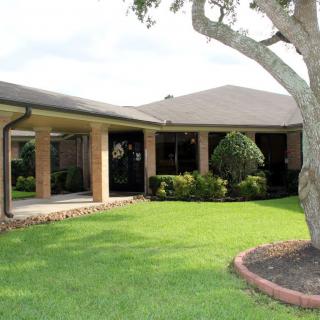

 Memory Care Pathways: A Holistic Guide to Dementia Support
 Comprehending Evening Confusion in Dementia: Causes, Manifestations, and Support
 Delirium and Dementia: Unraveling the Key Differences