
2750 Montgomery Rd, Huntsville, TX 77340
For more information about senior living options: (866) 208-4318
Overall Review of Montgomery Meadows
Pros
 Residents describe the community as quiet and friendly.
- Maintenance issues are handled promptly and efficiently.
- The retirement center offers activities like card clubs, exercise programs, and other community events.
- The brick buildings are well insulated, helping to keep electric bills very low.
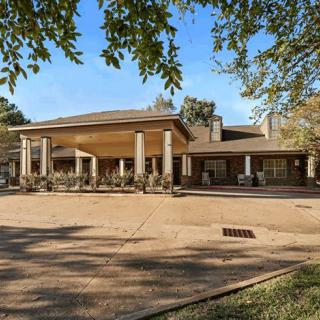
- The facility is designed for 55+ residents, with first-floor units and multiple sections that include clubhouses.
- The setting is peaceful and well cared for by its residents.
Cons
 Wyndi is very rude and neglectful.
- The manager is rude.
- The manager is always rude and threatens the sister-in-law.
- None of the residents were contacted when she was taken by ambulance.
- The landscaping is neglected and could be better maintained.
- The management imposes a $60 late fee and threatens eviction for late payment.
Review
Montgomery Meadows in Huntsville, TX is best suited for seniors 55 and older who are living on a fixed income and need truly accessible, affordable housing with a built-in social routine. The property’s emphasis on all-ground-floor units, brick construction, and strong insulation translates into notably low electricity costs and straightforward mobility. For residents who want an active senior community, the presence of clubhouses, organized card games, exercise programs, and a wide array of activities provides meaningful daily structure. In short, this is the right match for frugal households that prize independence, affordability, and social engagement over hotel-style services.
That said, potential residents who require consistently compassionate management or predictably smooth interactions should consider alternatives. The most persistent red flag across several accounts is management behavior, rude communication, canalized threats, and a willingness to use eviction language in tense financial moments. One review highlights a manager who repeatedly berates a family and even threatens a widow over a late fee, with no timely notification when a resident was medically assisted after wandering on site. These patterns point to a culture where tenants must navigate friction rather than feel protected or supported, a dynamic not everyone can tolerate.
The practical upside, affordability, accessibility, and an active social calendar, often brackets the downsides, but only when those benefits are unlocked by consistent, predictable service. Residents praise prompt maintenance and a quiet, neighborly environment, and the combination of on-site amenities with frequent activities helps many stay engaged without leaving the campus. The property’s approach to safety is visible through quarterly inspections and a full on-site kitchen (no meal service, but the means to self-provision), which supports independent living. Yet these positives cannot fully offset the sting of feeling unsupported during a personal or financial crisis, or the sense that management may swing toward punitive measures rather than partnership.
Specifics about day-to-day life reinforce the mixed picture. The community markets itself on fixed-income friendliness: every unit is on the first floor, and the complex is organized into sizeable sections with community houses. The space supports social life, cards, exercise programs, and a rich slate of activities, but residents must adapt to a few rigid rules, like furniture placement around windows for safety and the decision not to provide meals. The quarterly checks are framed as caretaking, but they can feel intrusive to those who value privacy or fear small repairs becoming leverage in disputes. Overall, the configuration is solid for independent seniors who want autonomy with a safety net, provided the administrative climate remains constructive.
The testimonials vary enough to demand a careful reader’s judgment. A resident who has stayed six months calls it quiet and responsive, with minor landscaping concerns that do not derail the overall experience. In contrast, another resident warns unequivocally against moving in, citing pest-related maintenance disputes and an eviction deadline that felt punitive and legally precarious. The gulf suggests that experience at Montgomery Meadows hinges on individual interactions with staff and on the specific lease terms in play. Prospective residents should treat these reports as a spectrum rather than a single narrative and verify current management practices firsthand.
For families weighing this option, a candid, incident-informed approach pays dividends. Start with a formal discussion about expectations for communications during emergencies, late-fee policies, and how disputes are resolved. Confirm whether the current management culture aligns with the priorities of stability, dignity, and predictable process. Consider visiting with current residents across different sections to gauge consistency in service quality. If high-touch care, flexible problem-solving, and proactive advocacy are non-negotiable, Montgomery Meadows may not be the best fit. If affordability, independence, and a robust activity calendar are the priority, and a willingness to navigate occasional friction with management exists, this community can still be a practical, value-driven choice.
 Board and Care Home





 Ten Vital Duties of a Senior Caregiver: A Comprehensive Guide
 9 Stimulating Memory Activities for Seniors: Puzzles, Cards, and Much More
 Managing Nursing Home Expenses After Medicare Coverage Ends