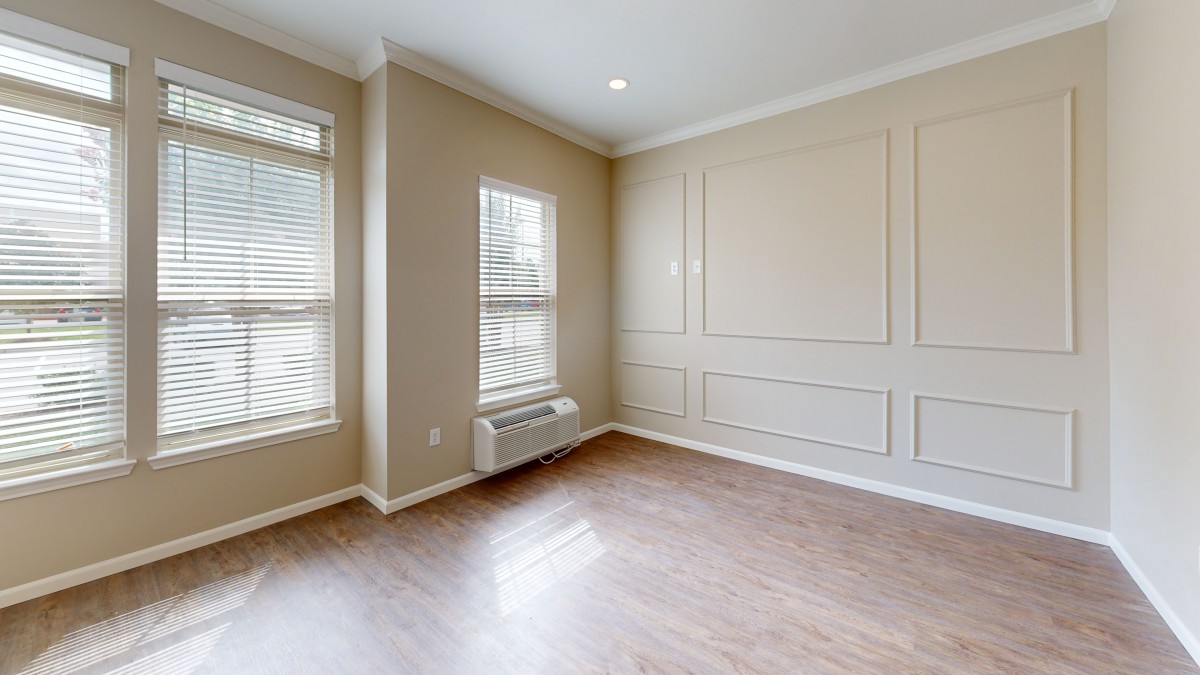
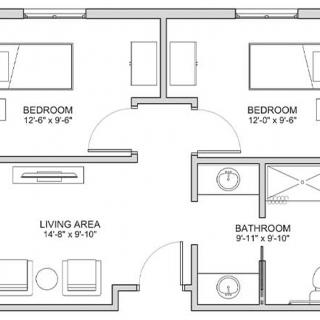
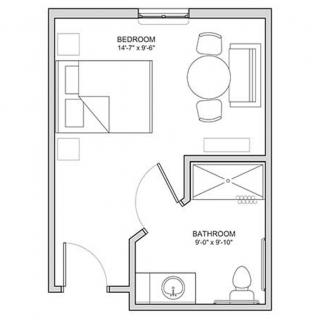
The Auberge At Vintage Lake offers competitive pricing compared to average costs for similar accommodations in Harris County and across Texas. For a studio, residents can expect to pay $3,600 per month, which is notably lower than the county average of $4,021 yet slightly above the state average of $3,758. The two-bedroom option is priced at $4,995, surpassing both the county and state averages of $4,574 and $4,215, respectively. Meanwhile, the semi-private room is offered at $5,150; this figure exceeds both the county's rate of $3,518 and the state's average of $3,680. Overall, while some options provide cost advantages in comparison to local averages, others reflect a premium that may be indicative of enhanced amenities or services provided by The Auberge At Vintage Lake.
Floor plans
The Auberge At Vintage Lake
Harris County
Texas
Studio
$3,600
$4,021
$3,758
2 Bedrooms
$4,995
$4,574
$4,215
Semi-Private
$5,150
$3,518
$3,680
Overall Review of The Auberge At Vintage Lake
common46 reviews mention this
Care staff feel attentive and kind
Residents and families repeatedly describe the staff as friendly, attentive, and supportive.
Across the reviews, families consistently mention warm greetings, staff members who are helpful when questions come up, and caregivers who interact with residents as individuals. Several residents’ loved ones also say their family members seem comfortable day to day, with staff helping with daily needs and addressing concerns. A minority of reviews are critical of care consistency, but even in those complaints, visitors often still acknowledge that some nurse or neighborhood team members were kind and communicative during visits.
common18 reviews mention this
Food and dining earn strong praise
Dining stands out in reviews for being well liked and accommodating.
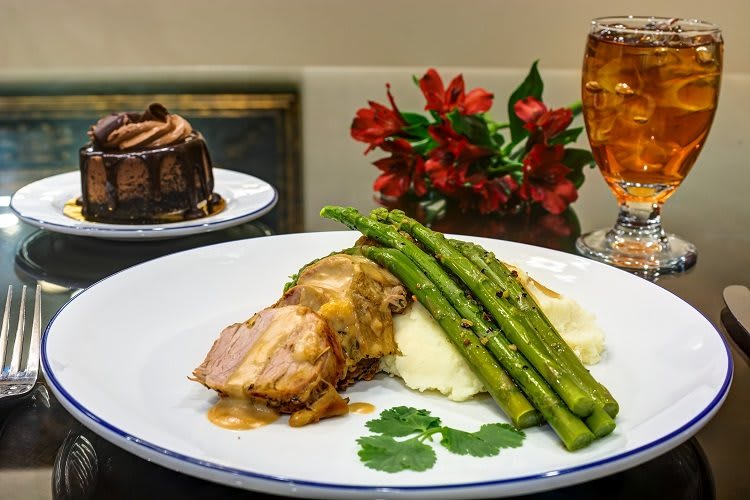
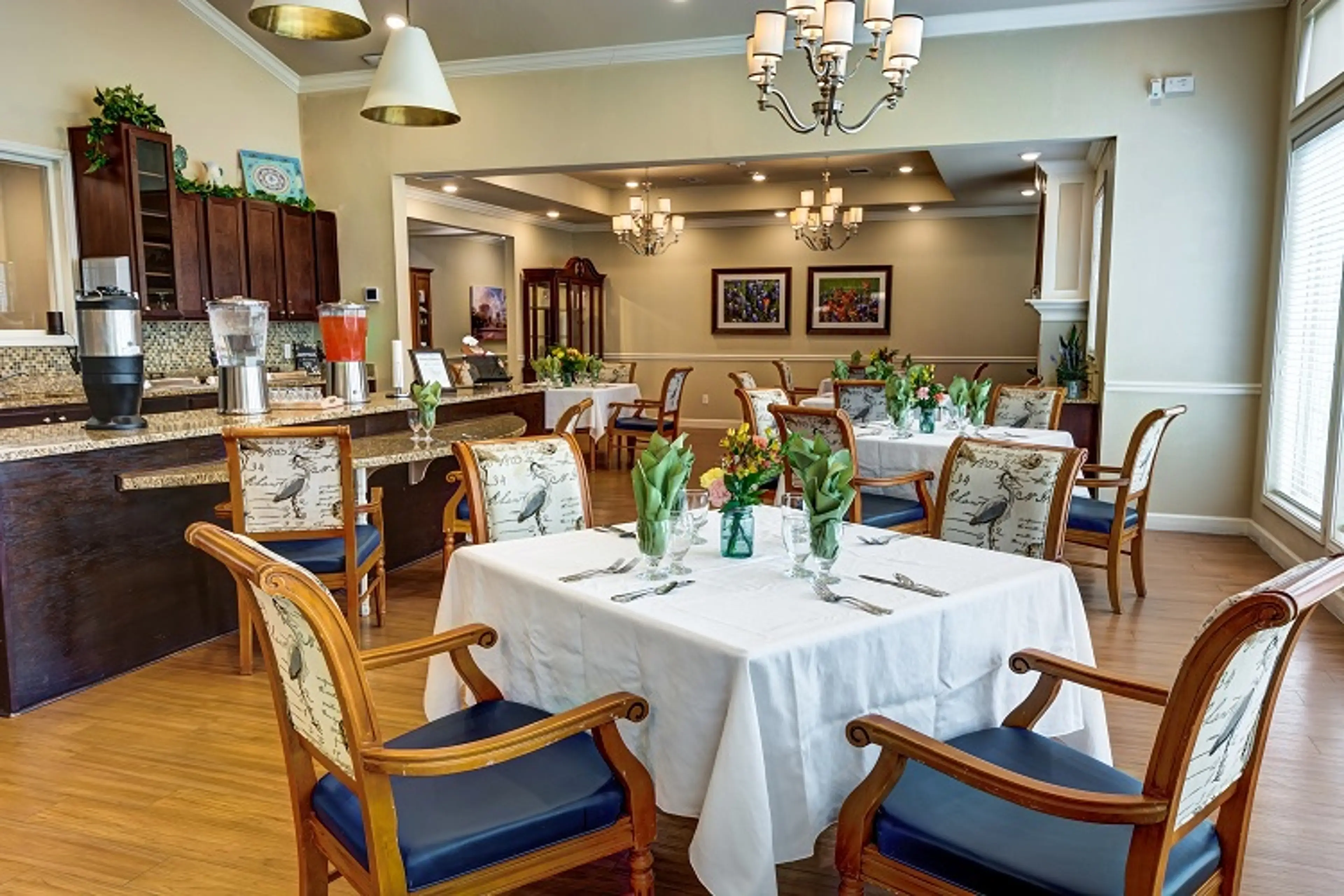
Multiple reviewers describe the meals as a highlight, including appreciation for good-tasting food and portions that help residents eat better. Several also reference diet accommodation, such as meeting special dietary restrictions. A few reviews raise concerns about food temperature or the quality of meal service, but overall the dining comments trend positive and align with the community’s restaurant-style dining offering.
common23 reviews mention this
Activities keep residents engaged
Many families say activities help residents stay active and included.
Residents and families frequently mention scheduled activities, entertainment, and group events that encourage socializing. Reviews also point to specific engagement moments like daily programming and special celebrations that make residents feel involved. Where feedback turns mixed, it is usually about spotty execution (like promised outings not happening or calendars not matching what actually occurs), rather than a lack of activity options altogether.
caveat10 reviews mention this
Care communication and medication control
Some residents’ families report concerns with communication and medication handling.
A set of reviews describe breakdowns in communication, including not being updated after incidents or relying on messaging instead of clear follow-up. Others mention medication administration problems, including missed psychiatric medications, insulin monitoring concerns, and situations that required hospital-level care. A few reviewers contrast this with having individual staff members who were responsive during visits, but the recurring concern is that management-level follow-through did not meet expectations for some families.
caveat4 reviews mention this
Price is often described as high
Several families say the monthly cost is difficult to manage.
Some reviewers describe the community as expensive and connect that concern to changes in care pricing. One review specifically calls out an increase that affected the ability to continue care. While other families express overall satisfaction with care value, these cost-related comments are a recurring reason for hesitation in the reviews.
How we summarize
Counts show how many written reviews mention each theme; a review can touch several themes, and only frequently mentioned themes are displayed.
Features
Housing
90 resident community capacity
Types of Care
Assisted Living
Memory Care
Amenities
Activities off-site
Activities on-site
Air-conditioning
Bath tubs
Beautician on-site
Beauty salon
Cable or satellite TV
Computer center
Devotional services off-site
Devotional services on-site
Dining room
Fitness room
Fully furnished
Gaming room
Garden
Garden view
Ground floor units
Handicap accessible
Housekeeping services
Indoor common areas
Kitchenette
Move-in coordination
Outdoor common areas
Outdoor space
Private bathrooms
Respite or short term stays offered
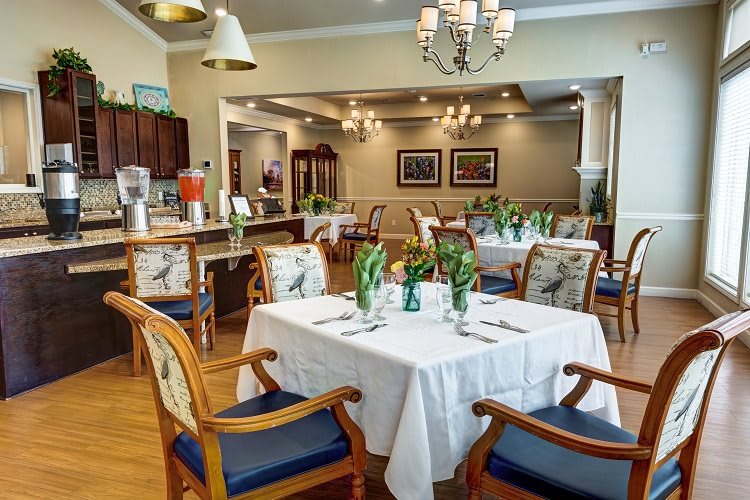
Restaurant-style dining
Small library
Telephone
Wellness center
Wheelchair accessible showers
Wi-Fi/high-speed internet available
Transportation
George Bush Intercontinental (13 miles away)
Community operated transportation
Transportation arrangement
Transportation arrangement (non-medical)
Transportation to doctors appointments
Care Services
12-16 hour nursing
24-hour call system
24-hour supervision
Activities of daily living assistance
Ambulatory care
Assistance with bathing
Assistance with dressing
Assistance with transfers
Coordination with health care providers
Dementia waiver
Diabetes diet
Diabetic care
High acuity care
Hospice waiver
Incontinence care
Meal preparation and service
Medication management
Mental wellness program
Mild cognitive impairment
Special dietary restrictions
Specialized memory care programming
Transportation arrangement (medical)
Transportation to doctors appointments
Dining
Anytime dining
Diabetes diet
Gluten-free
Guest meals
International cuisine
Kosher
Low / no sodium
Meals provided
No Sugar
Professional chef
Restaurant style dining
Room service
Special dietary restrictions
Special dining programs
Vegan
Vegetarian
Activities
Art classes
Catholic services
Community-sponsored activities
Concierge services
Cooking classes
Devotional activities offsite
Devotional activities on-site
Educational speakers / life long learning
Fitness programs
Jewish services
Mormon/LDS services
Other religious services
Planned day trips
Protestant services
Resident-run activities
Scheduled daily activities
Visiting Rabbi
Visiting chaplain or priest
Nearby Places of Interest
Restaurants
Black Walnut Cafe (0.5 miles)
Mo's Irish Pub (0.6 miles)
Perry's Steakhouse & Grille (0.9 miles)
Taco Cabana (1.1 miles)
Los Cucos (1.5 miles)
Whataburger (2 miles)
McDonald's (2.7 miles)
Pharmacies
CVS Pharmacy (1.4 miles)
CVS Pharmacy (1.6 miles)
Walgreens (2.2 miles)
Walgreens (2.6 miles)
Walgreens (2.8 miles)
Walgreens (2.9 miles)
CVS Pharmacy (3 miles)
Cafes
Starbucks (1.5 miles)
Panera Bread (1.8 miles)
Starbucks (7 miles)
Starbucks (7.3 miles)
Denovo Coffee (7.4 miles)
Pj's Coffee (7.6 miles)
Starbucks (7.8 miles)
Places of Worship
John Wesley United Methodist Church (2.6 miles)
St John Lutheran Church (5.8 miles)
First Metropolitan Church (7.1 miles)
Tomball Bible Churc (7.6 miles)
St John Neumann Catholic Church (7.8 miles)
New Life Fellowship (7.8 miles)
Parks
Matzke Park (2.8 miles)
Oakwood Glen Park and Jogging Track (3.3 miles)
Ponderosa Park (6.3 miles)
Willowood Park (6.6 miles)
Dyess Soccer Fields (7.3 miles)
Theaters
AMC Willowbrook 24 (3.5 miles)
Physicians
Affinity Medical Associates Clinic (3.9 miles)
Sterling Ridge Orthopaedics & Sports Medicine (5.8 miles)
The Auberge At Vintage Lake offers competitive pricing compared to average costs for similar accommodations in Harris County and across Texas. For a studio, residents can expect to pay $3,600 per month, which is notably lower than the county average of $4,021 yet slightly above the state average of $3,758. The two-bedroom option is priced at $4,995, surpassing both the county and state averages of $4,574 and $4,215, respectively. Meanwhile, the semi-private room is offered at $5,150; this figure exceeds both the county's rate of $3,518 and the state's average of $3,680. Overall, while some options provide cost advantages in comparison to local averages, others reflect a premium that may be indicative of enhanced amenities or services provided by The Auberge At Vintage Lake.
The Auberge At Vintage Lake offers a comprehensive range of features designed to support residents with dementia and Alzheimer's disease, ensuring their safety and well-being. The 24-hour supervision provides constant monitoring, allowing for immediate assistance during emergencies or moments of confusion. Assistance with activities of daily living, including bathing and dressing, helps maintain personal hygiene and dignity, while support with transfers reduces the risk of falls. Coordination with healthcare providers ensures that residents receive appropriate medical attention as needed, complemented by medication management for adherence to treatment plans. The dementia waiver acknowledges individual needs and allows for tailored approaches to care. Furthermore, incontinence care is handled sensitively to enhance comfort, while meal preparation ensures nutritional needs are met effectively. Engaging in specialized memory care programming alongside a mental wellness program promotes cognitive engagement and emotional health. Lastly, transportation arrangements facilitate access to medical appointments, fostering continuity of care that is crucial for individuals experiencing mild cognitive impairment or advanced dementia.
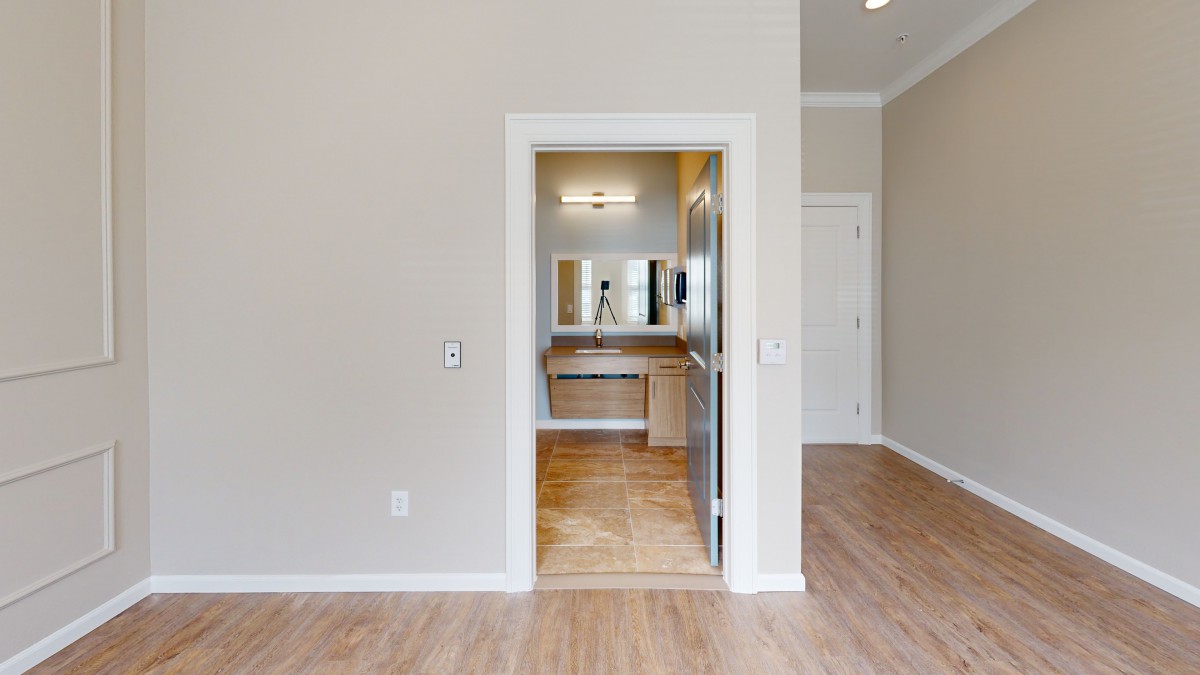
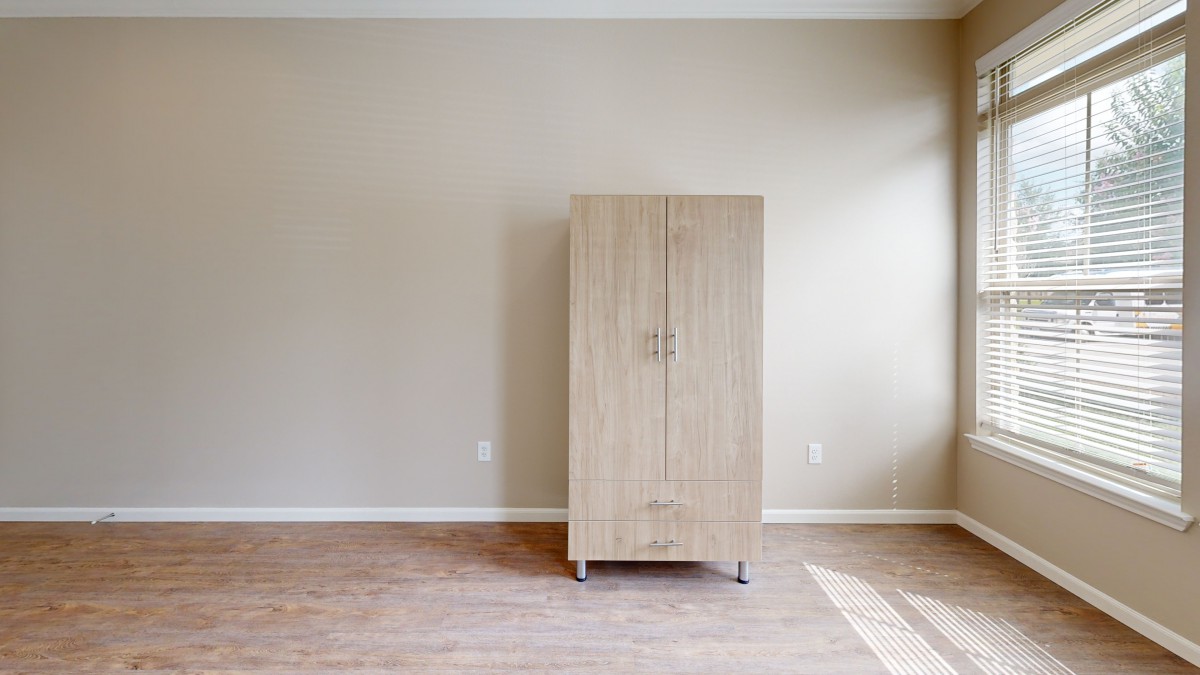
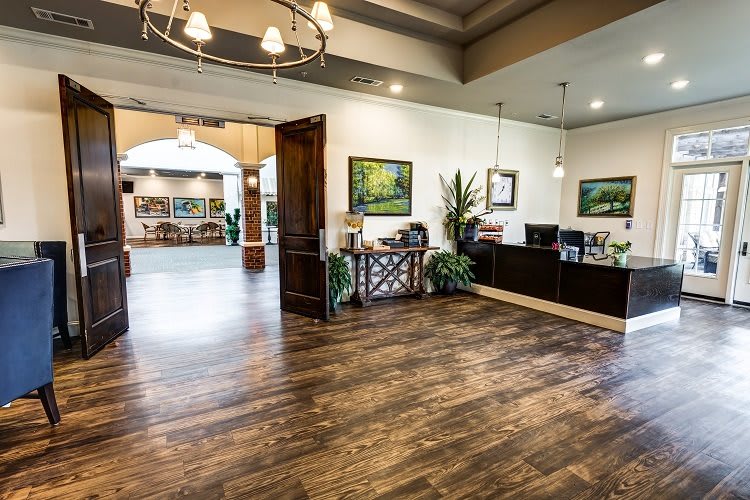
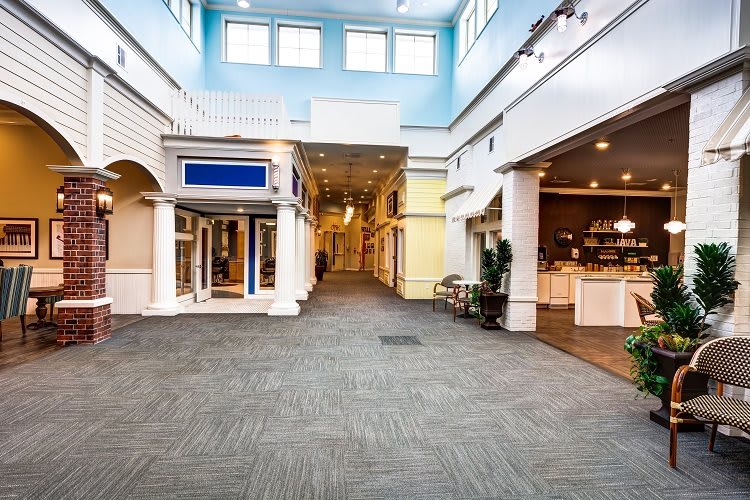
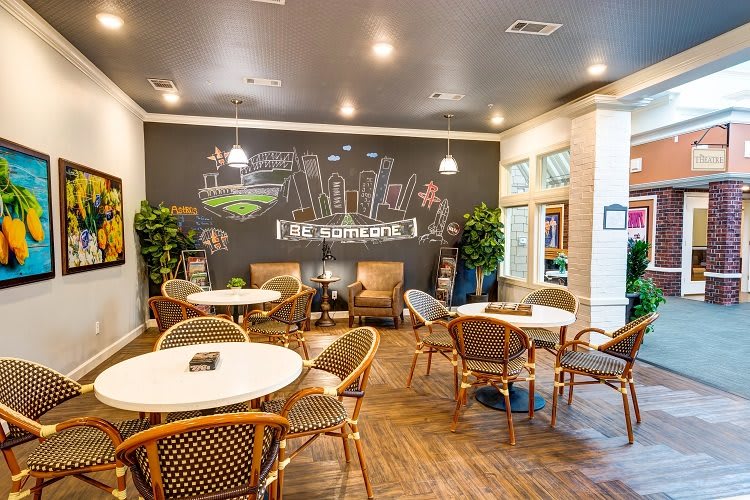
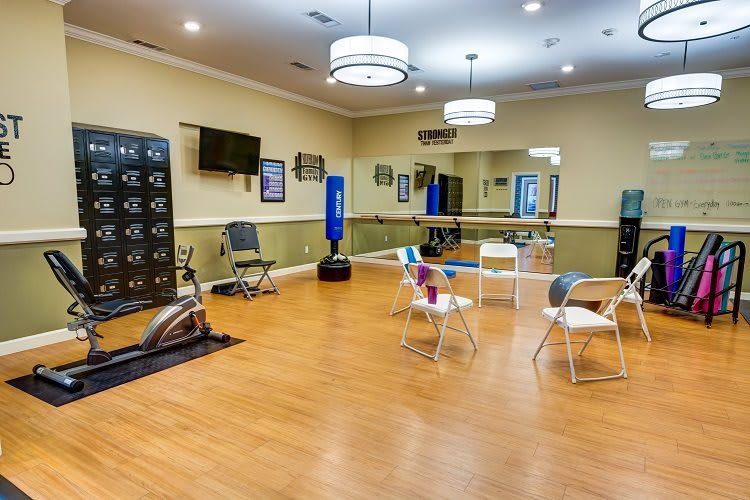
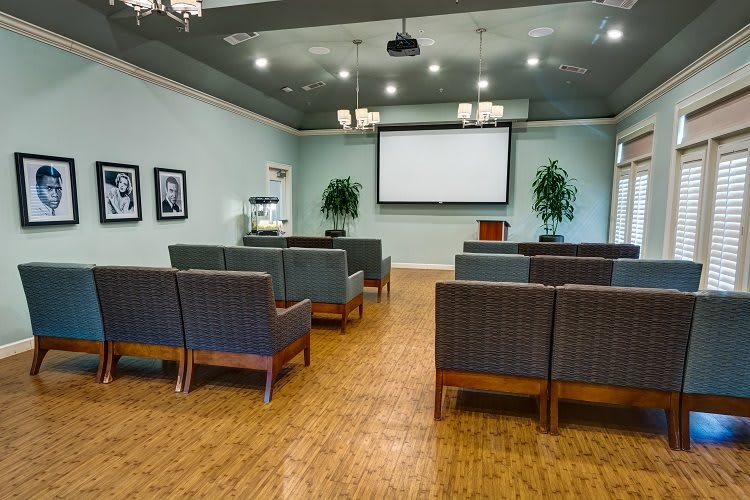
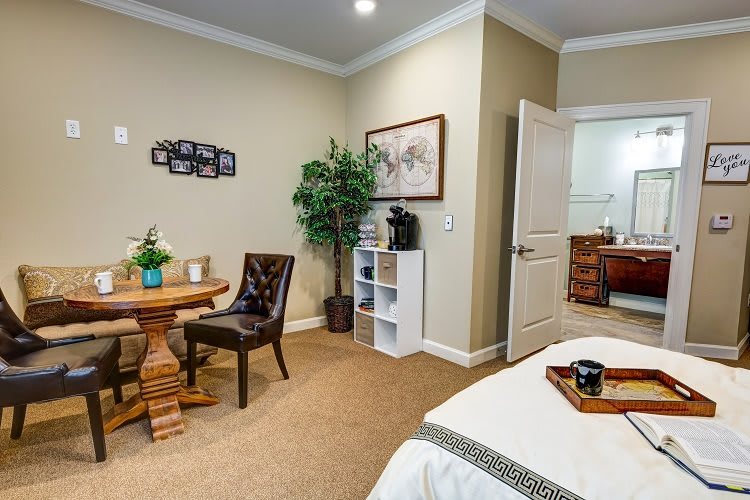
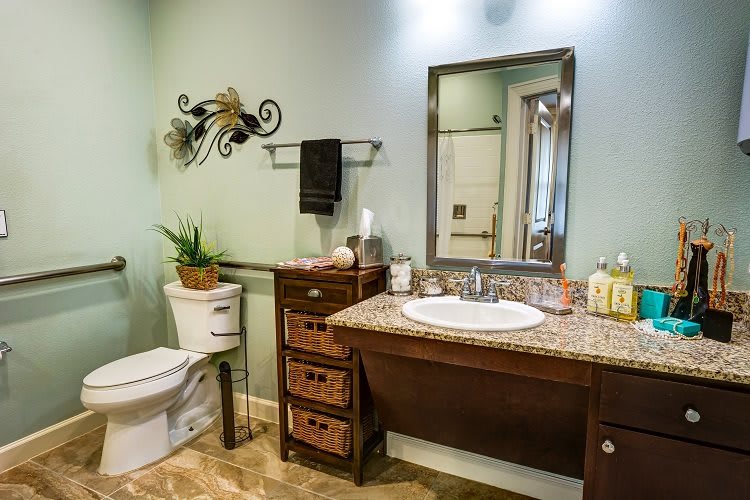
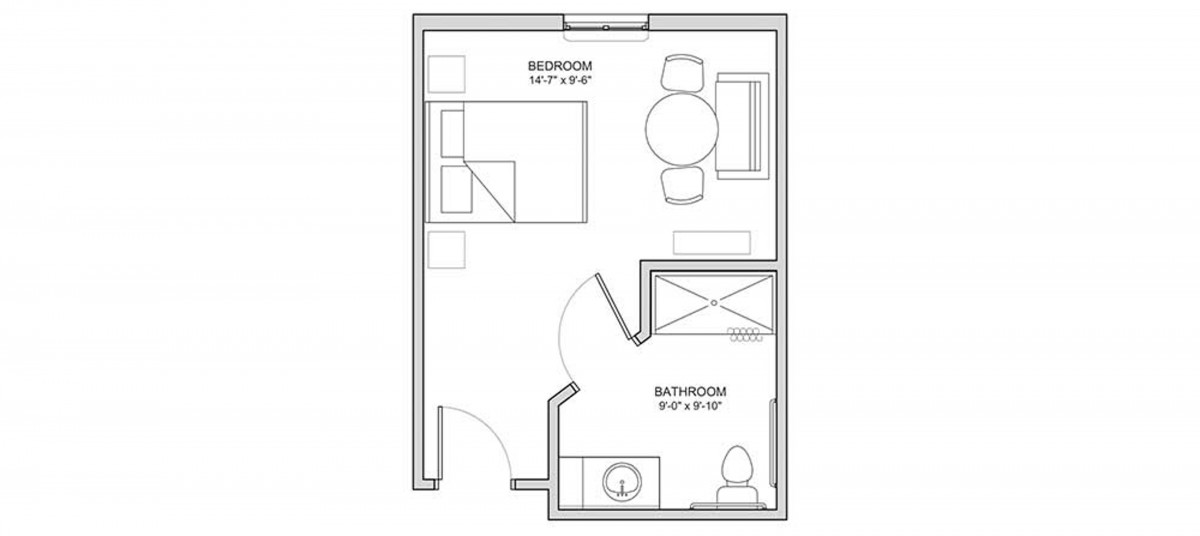
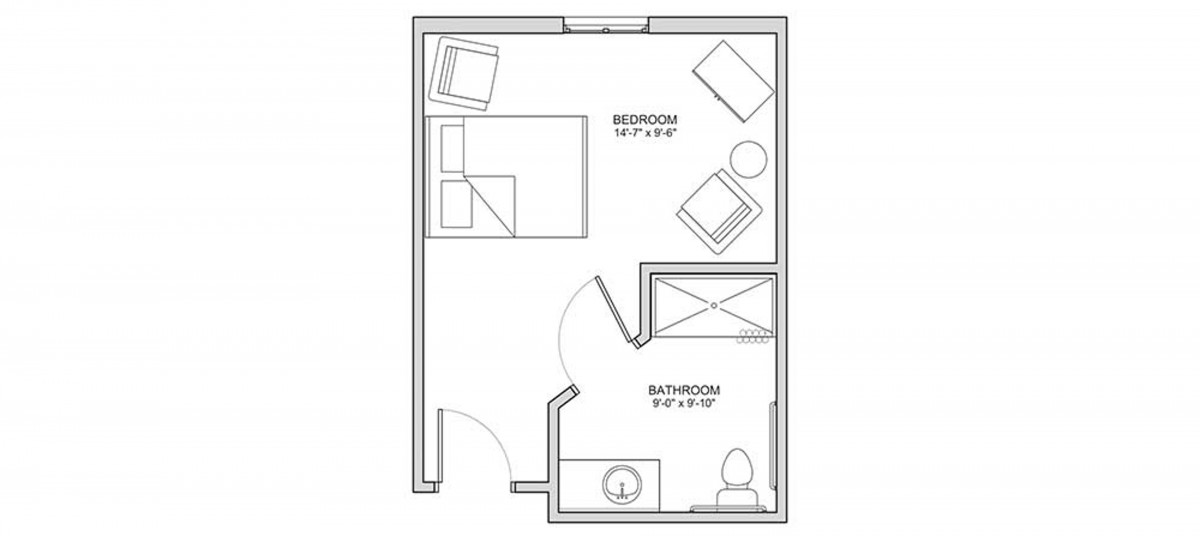
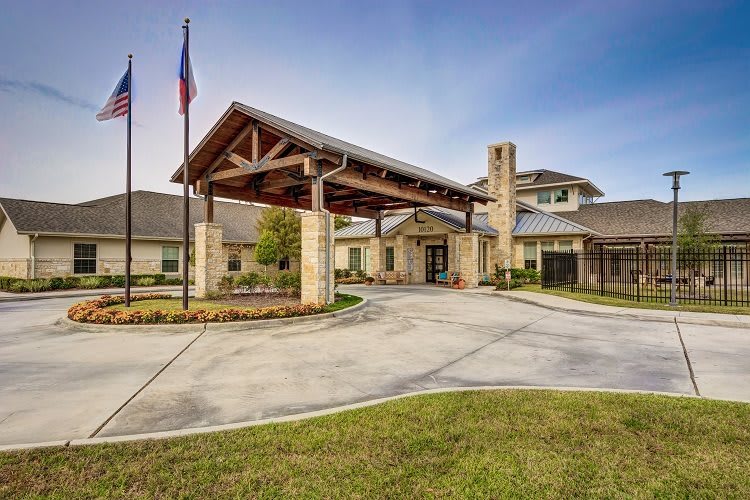
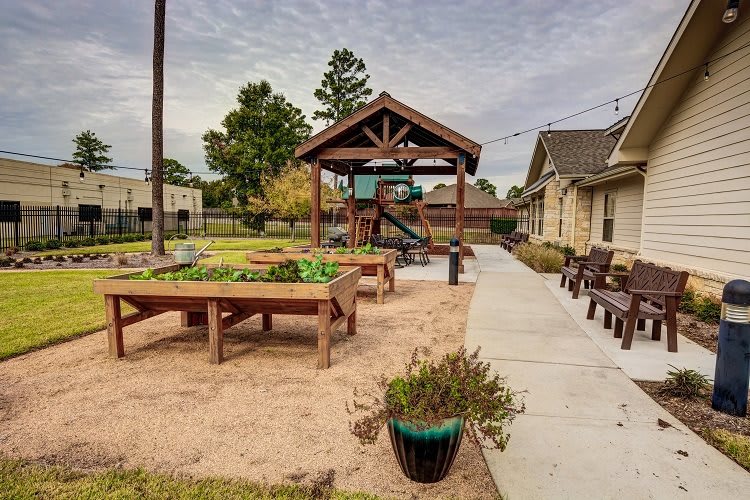
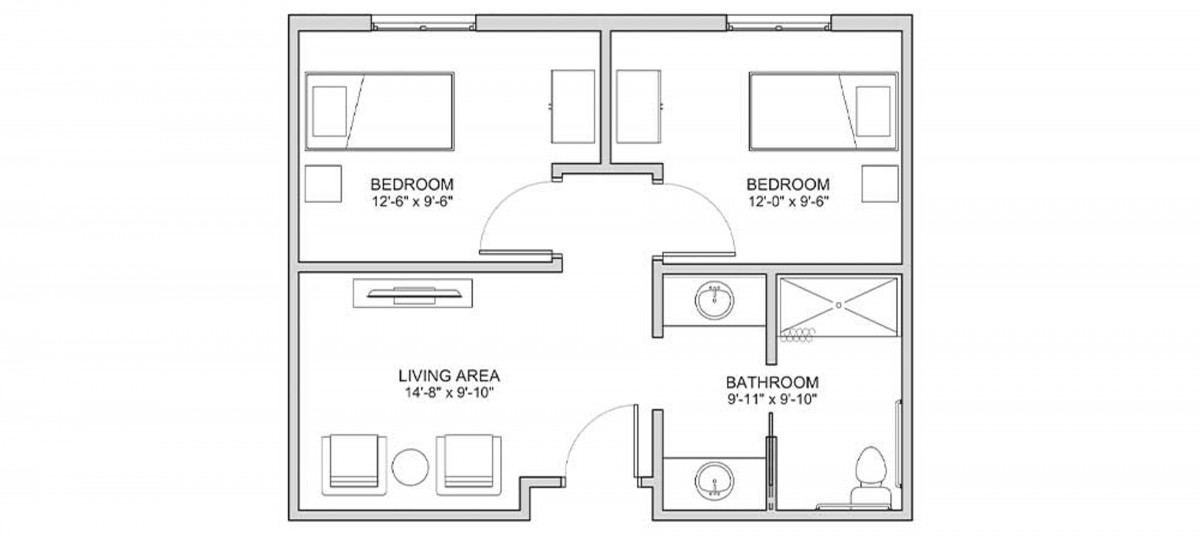
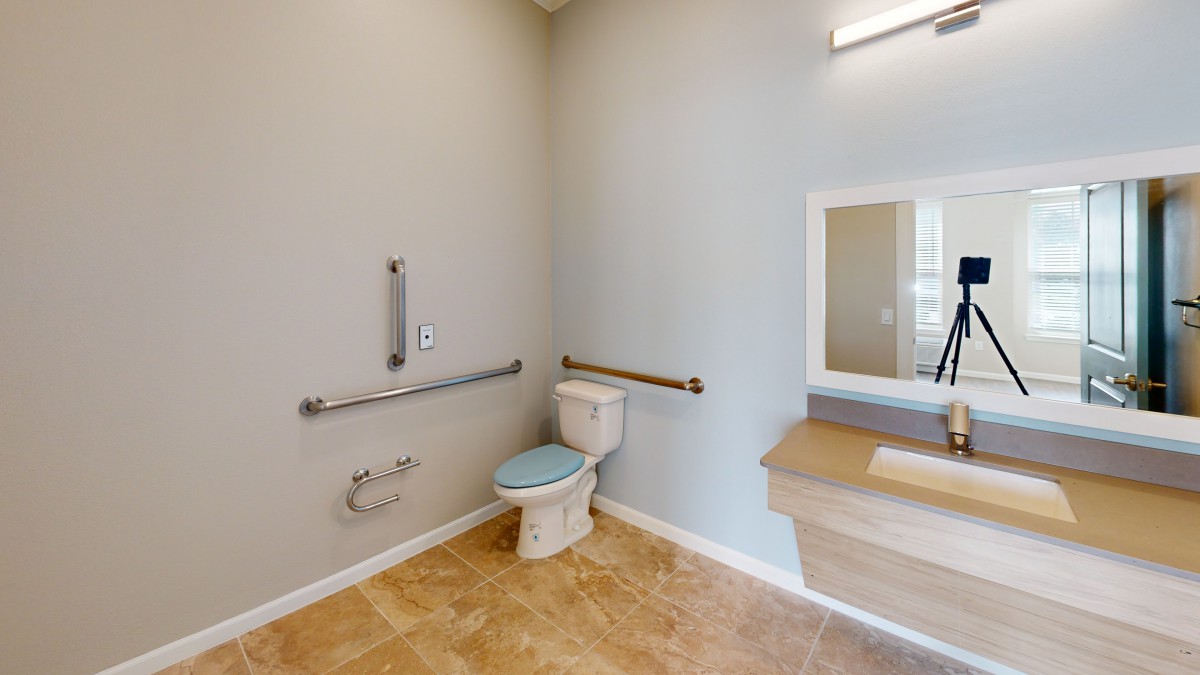
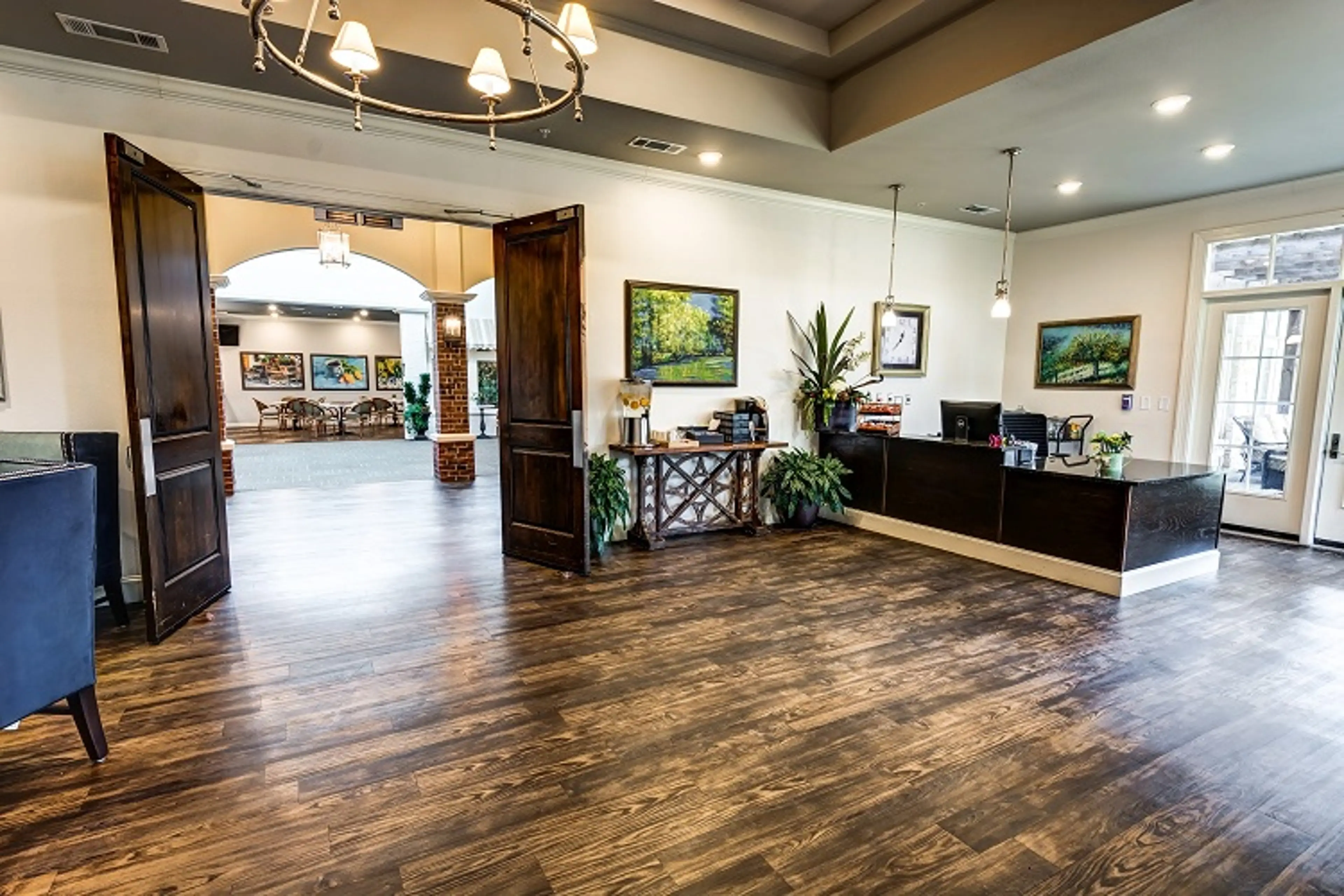
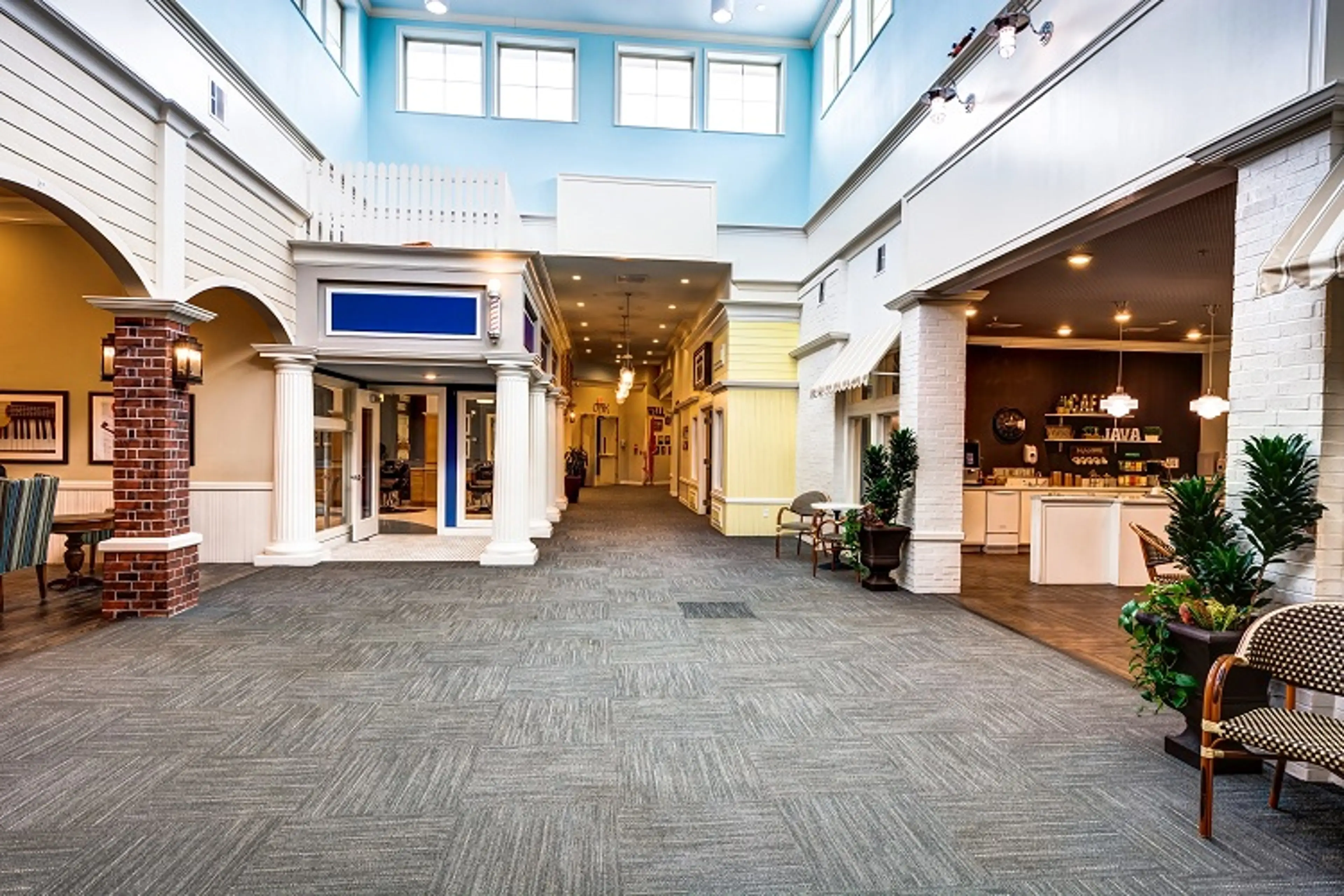
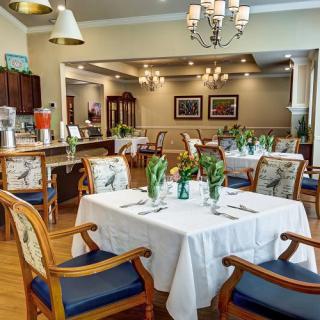
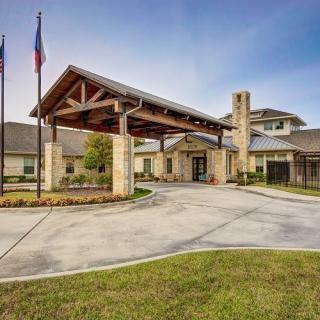
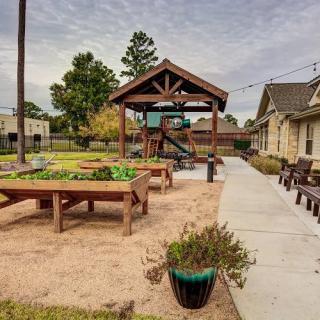
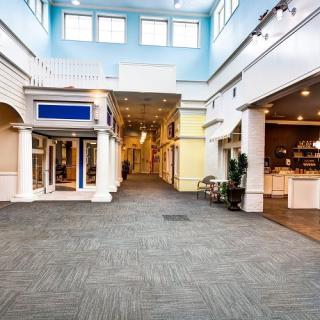
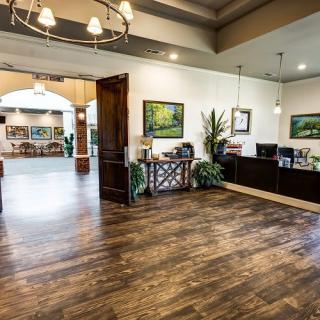
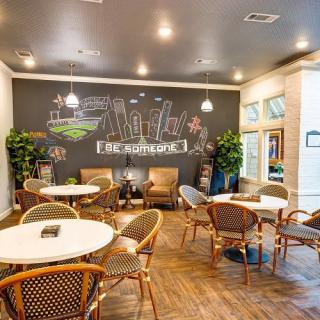
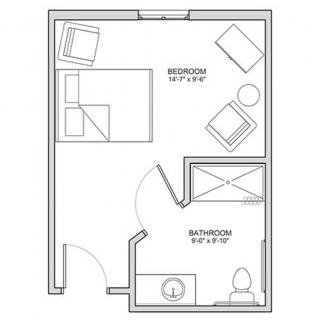
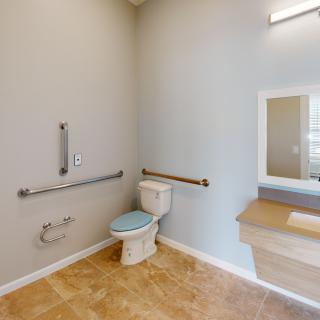
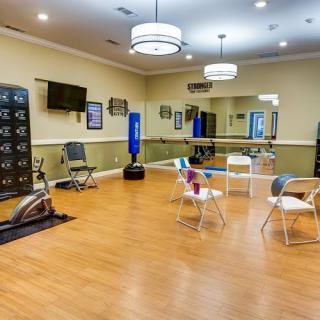
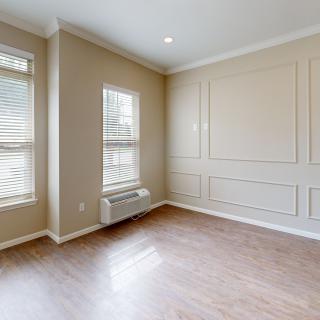
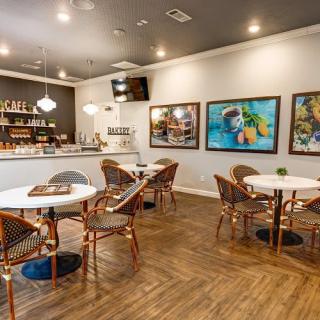
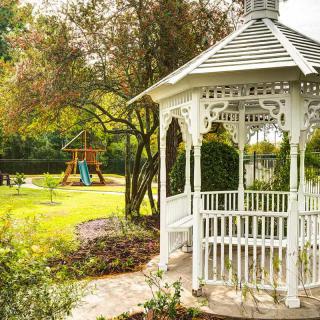
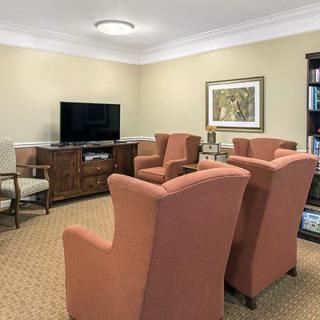
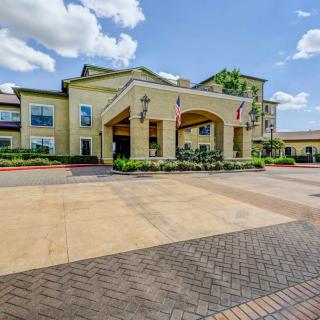
The Auberge At Vintage Lake on seniors.fyi includes 35 photos including images showing interior, floor plan, bathroom, dining, bedroom, lighting, decor, architecture, and more.
Nearby Communities
The Solana Vintage Park
Houston, TX
4.3 from 124 reviews
$4,740 to $8,795 / month
Attentive staff with personalized care in a well-maintained, engaging environment.
The Solana Preserve Vintage Park
Houston, TX
4.8 from 75 reviews
$4,030 to $5,365 / month
Friendly, attentive staff in a beautiful, activity-rich community.
The Auberge At Cypresswood
Houston, TX
4.1 from 33 reviews
$4,025 to $6,025 / month
Caring, attentive staff with engaging activities; pet-friendly environment.
Brookdale Champions
Houston, TX
4.4 from 85 reviews
$3,960 to $5,330 / month
Attentive staff, clean environment, and engaging activities (memory-care options).
Conservatory At Champion Forest
Spring, TX
4.7 from 143 reviews
$2,865 to $3,480 / month
Friendly staff and engaging activities in a well-maintained, welcoming setting.
Mera Vintage Park
Houston, TX
4.4 from 96 reviews
$1,450 to $2,090 / month
Resort-like atmosphere with extensive amenities and helpful staff.
Legend Oaks Healthcare And Rehabilitation Kyle
Houston, TX
1 from 2 reviews
Strong family advocacy and transparency.
Arella on Jones Active Senior Community
Houston, TX
4.7 from 78 reviews
$1,869 to $2,410 / month
Luxurious community with excellent staff and extensive on-site amenities.
Novellus Cypresswood
Spring, TX
4.4 from 93 reviews
$3,695 to $6,790 / month
Friendly staff and engaging activities in a clean, intimate setting.
Dementia encompasses a range of cognitive impairments characterized by types such as Alzheimer's and vascular dementia, and follows a seven-stage progression model known as the Global Deterioration Scale (GDS), highlighting varying symptoms and decline timelines. Early detection allows for lifestyle adjustments to potentially slow progression, while caregivers need support and resources to manage the challenges involved in caring for affected individuals.
The guide on holistic dementia care outlines the complexity of dementia and stresses the need for individualized caregiver strategies that include medical treatment, psychological support, and environmental adaptations, while emphasizing early detection, various therapeutic options, and caregiver support to enhance quality of life and maintain dignity.
Activities of Daily Living (ADLs) are fundamental tasks vital for an individual's independence, particularly in older adults over 85, and include functions like bathing and dressing; assessing ADLs alongside Instrumental Activities of Daily Living (IADLs) helps determine the level of required assistance due to age-related health challenges. Tailored support plans, involving family and community resources, are essential for maintaining dignity and autonomy in assisted living environments.
Television, Exercise Equipment, Mirrors, and Exercise Room
Seating Area and Cozy Atmosphere
Natural Light and Hardwood Floor
Seating
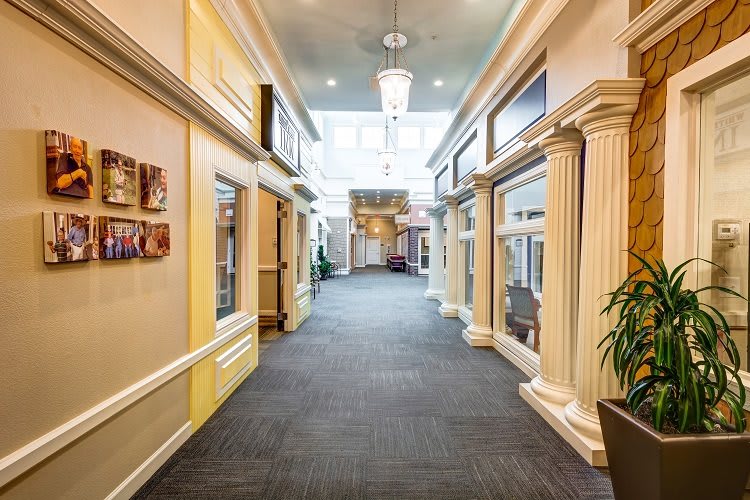
Hallway
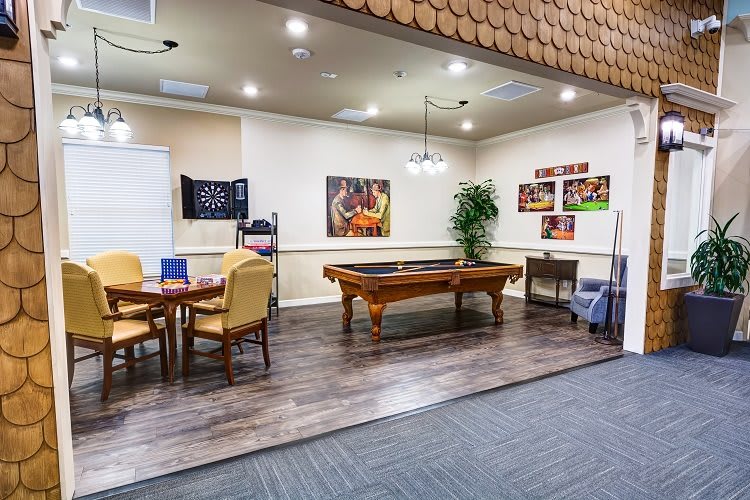
Billiards, Lounge Area, and Recreation Room
Office and Reception Area
Minimalist
Conference Room and Projector Screen
Grab Bars, Accessible, and Light Fixture
Bar
Architectural Design
Get PricingAsk A QuestionSchedule A TourContact Senior Advisor
By clicking submit, you agree to our Partner's Terms of Use. You
also consent to receive calls and texts, which may be autodialed, from our Partner. Your consent is not a condition to
using our Partner's service. Please visit our Partner's Privacy Policy for information about their privacy practices.


 90 resident community capacity
 Assisted Living
 Memory Care
 Activities off-site
 Air-conditioning
 Bath tubs
 Beautician on-site
 Cable or satellite TV
 Computer center
 Devotional services off-site
 Dining room
 Fitness room
 Fully furnished
 Gaming room
 Garden
 Ground floor units
 Handicap accessible
 Housekeeping services
 Indoor common areas
 Kitchenette
 Move-in coordination
 Outdoor common areas
 Private bathrooms
 Respite or short term stays offered
 Restaurant-style dining
 Small library
 Telephone
 Wellness center
 Wheelchair accessible showers
 Wi-Fi/high-speed internet available
 George Bush Intercontinental (13 miles away)
 Community operated transportation
 12-16 hour nursing
 24-hour call system
 Ambulatory care
 Assistance with bathing
 Assistance with dressing
 Assistance with transfers
 Diabetes diet
 Diabetic care
 High acuity care
 Hospice waiver
 Incontinence care
 Medication management
 Mental wellness program
 Special dietary restrictions
 Transportation arrangement (medical)
 Art classes
 Catholic services
 Concierge services
 Cooking classes
 Educational speakers / life long learning
 Jewish services
 Planned day trips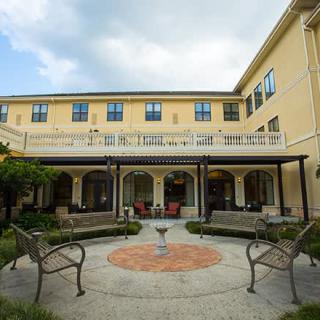
 Attentive staff with personalized care in a well-maintained, engaging environment.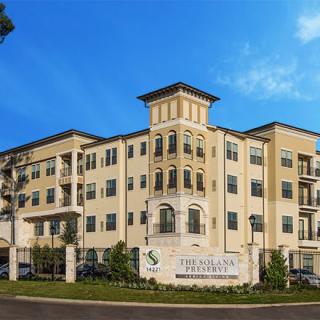

 Understanding Dementia Through Its Seven Stages: A Comprehensive Look at Progression and Expectations
 A Holistic Dementia Care Guide: Effective Strategies for Memory Support
 Comprehensive Insights into Activities of Daily Living (ADLs) and Their Assessment