
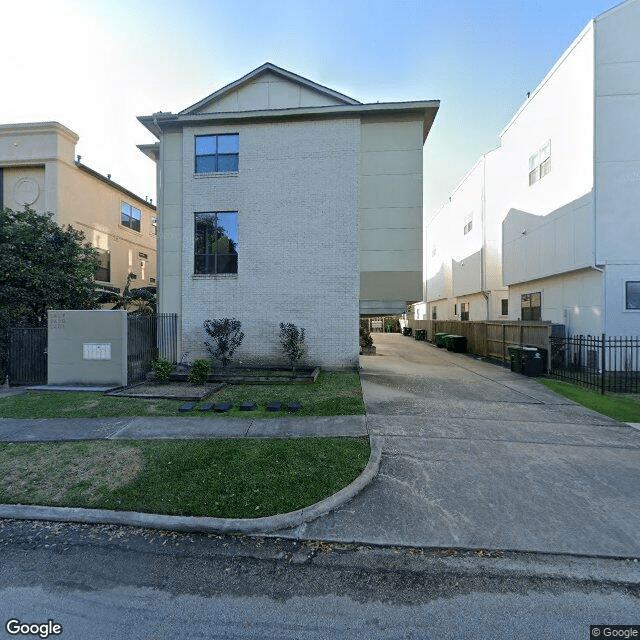
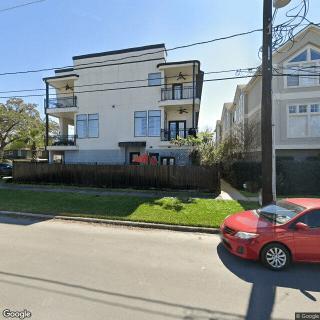
2429 Dorrington St, Houston, TX 77030
To contact a resident: (713) 665-3724
For more information about senior living options: (866) 208-4318
Overall Review of Personal Care Homes
Pros
 The facility deserves 20 stars.
- The care and love residents receive here is incredible.
- The owner, Susan, and the caregivers are truly angels, bringing love and compassion to every resident.
- Residents are never ignored or left alone.
- The staff treat residents and their families like family.
- The meals are fresh, home-cooked, balanced, with snacks, and activities are offered.
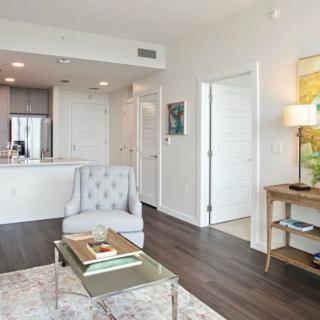
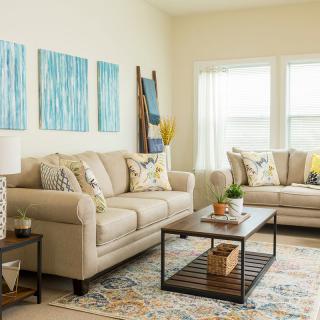
- The facility is cozy, comfortable, spacious, and very clean.
Review
This Houston personal care home is best suited for families who want a small, homelike setting where a devoted owner and a tight-knit caregiving team deliver unusually attentive, family-style care. It works particularly well for residents who need memory support, mobility assistance, oxygen, and wheelchair management, yet still benefit from a home atmosphere rather than a clinical campus. Families prioritizing safety, genuine warmth, and constant contact with caregivers will find this environment reassuring. Those who prefer the prestige and amenities of a larger campus, or demand a full cadre of on-site medical specialists and formal memory-care programming, should consider alternatives. The strongest match is a comfort-first model that emphasizes personalized attention over institutional scale.
At the core are people: Susan, the owner, and the caregiving team who are described as angels by families. The dynamic is undeniably intimate: residents are treated like family, and the same caregivers handle daily needs, meals, and activities with visible care. Crucially, concerns are not buried; when something arises, families are contacted promptly, and residents are not left unattended. That level of responsiveness translates into confidence for anxious relatives who must entrust daily living to others. In a setting where every gesture matters, this dependable responsiveness becomes the central virtue, turning basic daily routines into moments of reassurance rather than anxiety.
Quality-of-life details reinforce the decision: fresh, home-cooked meals that are balanced, along with snacks, contribute to daily satisfaction; there is a structured schedule of activities that keeps residents engaged without turning the home into a clinical institution. The physical space itself feels cozy and comfortable, with rooms that are described as spacious and easy to navigate. Cleanliness is evident, which matters for memory-impaired residents and oxygen users alike. For families evaluating day-to-day life, these tangible touches, proper meals, meaningful activity, and a comfortable, well-kept environment, often tip the balance toward choosing this home over more impersonal options.
On safety and responsiveness, the care approach shines. Residents with memory challenges, limited mobility, or oxygen dependence are watched with consistent vigilance; caregivers stay attentive to every signal, from feeding and hydration to safety checks and mobility assistance. The model hinges on quick, direct contact with families when concerns surface, reducing unease about what’s happening behind closed doors. While the facility lacks the scale of a larger operation, this focused attention yields a daily rhythm where residents appear well-supported and never neglected. In practical terms, the biggest win is the peace of mind that comes from knowing a caregiver team treats the person’s wellbeing as the top priority.
Nevertheless, a candid assessment recognizes potential trade-offs. The intimate, residential scale may mean fewer on-site medical professionals, less formal oversight, and fewer specialized programs than bigger communities. For seniors requiring aggressive medical management, extensive therapy services, or a broad roster of specialists, these gaps can matter. Yet the same strengths that make for a safe, loving home, tight-knit staff, quick communication, and a family-like culture, often compensate, because concerns are escalated rapidly and residents are never just another bed. Families should weigh whether the priority is a deeply personal, hands-on living experience or a facility that presents a wider continuum of clinical services.
Bottom line: for Houston families prioritizing a trustworthy, affectionate, home-like setting with strong family involvement and crystal-clear communication, this personal care home stands out as a top choice. Those who need a larger campus, more formal clinical programming, or specialized memory-care pathways may want to explore alternatives that offer those elements. The practical path is to visit, observe interactions between staff and residents, ask about staff ratios and shift coverage, and review how memory and mobility needs are managed day to day. If the parent’s priorities align with safety, warmth, and a genuinely domestic atmosphere, this community deserves serious consideration, and can deliver the peace of mind that taken-for-granted comforts often supply.
 Board and Care Home
 William P X (9 miles away)


 Effective Strategies for Keeping Seniors' Minds Active: A Deep Dive into Brain Games and Apps
 In-Depth Look at the VA Aid and Attendance Program
 Nurturing Our Loved Ones: A Daughter's Journey in Caring for Her Mother