

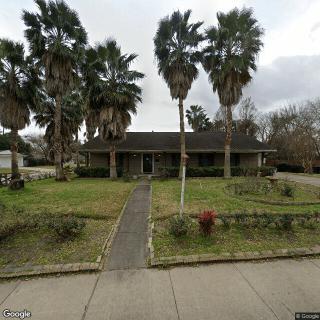
3139 West Holcombe Blvd, Houston, TX 77025
To contact a resident: (713) 203-2178
For more information about senior living options: (866) 208-4318
Overall Review of Home Helpers Memorial, TX
Pros
 Home Helpers has been wonderful to work with.
- The management and daily caregivers have gone above and beyond to help the parents maintain their home life.
- They have continued the PT routine, which has sped up the recovery process for mom.
- They do memory games and routines with Dad.
- The parents' spirits have improved, which is worth a million dollars.
Review
Home Helpers Memorial in Houston is best suited for families who want to keep a loved one at home while receiving highly engaged, practical caregiving after a stroke or in the context of dementia. The model centers on in-home management supported by daily caregivers who actively participate in rehabilitation and cognitive activities, rather than a traditional campus setting. This approach works exceptionally well when the objective is to preserve familiar routines, maintain independence in daily life, and leverage professionals who can deliver physical therapy, memory-friendly activities, and steady emotional support within the home environment. For families prioritizing continuity of care and a home-like atmosphere, this option stands out.
That said, certain scenarios call for considering alternatives. If 24/7 nursing supervision or a formal on-site memory-care program is non-negotiable, a traditional assisted living community or a memory-care facility with around-the-clock medical oversight may be a better fit. Families needing more structured social programming in a campus setting, or those seeking a facility with comprehensive on-site amenities beyond in-home caregiving, should evaluate other options. Cost structures, insurance or long-term care coverage, and the level of medical management required should also steer the decision toward or away from in-home care.
The strongest pros center on a responsive, collaborative approach from management and caregivers. From day one, the team’s dedication to keeping parents connected to their home life is clear: staff members go above and beyond to support recovery, independence, and daily routines. The ongoing physical therapy for the recovering mom is a tangible, high-value benefit, speeding up progress in a familiar setting. For Dad, memory games and cognitive routines embedded in daily care help sustain mental agility and mood. The resulting uplift in spirits is not merely anecdotal; it translates into better engagement, more optimism, and a more manageable caregiving journey overall. These elements collectively counterbalance the sense that care is “in-home” rather than “in-house hospital,” by delivering professional rigor in a familiar frame.
The alignment between pros and potential trade-offs hinges on staffing consistency and the home-based format’s limits. The advantages, personalized attention, continuity, and the ability to weave rehabilitation into everyday life, offset the lack of a centralized facility environment by preserving autonomy, reducing disruption to routines, and delivering tangible progress in recovery and mood. However, a decision-maker should acknowledge that in-home care relies on steady caregiver availability, clear scheduling, and ongoing coordination with therapy providers. When those supports stay stable, the experience feels cohesive and effective; when turnover or scheduling gaps arise, the benefits can quickly erode.
Practical diligence matters before committing. Prospective families should verify caregiver-to-patient ratios, confirm the licensure and scope of services, and understand how therapy progress is documented and communicated. It is wise to map out a realistic routine that includes therapy sessions, activities, and respite plans for family caregivers. Inquiries about weekend or after-hours coverage, consistency of caregivers, and the process for escalations if medical needs shift will reveal how well the model scales to changing conditions. A candid review of pricing, expected out-of-pocket costs, and what portions are covered by insurance or benefits will prevent surprises later.
In the end, Home Helpers Memorial offers a compelling, home-centered pathway for families navigating post-stroke recovery and dementia care. The clearest verdict: for those who prize preserving home life, receiving hands-on rehabilitation, and benefiting from a warm, actively engaged care team, this Houston option is a strong, practical choice. It excels when the family can rely on consistent staffing and a collaborative care plan that keeps therapy and cognitive activities integrated into daily living. For families needing a more clinical, campus-based memory-care environment or 24/7 medical supervision, alternatives should be considered; otherwise, this option delivers meaningful gains in recovery, mood, and daily quality of life while keeping the loved one where they belong, at home.
 William P X (10 miles away)






 Nurturing Our Elders: Linda's Journey of Supporting Her Mother
 A Comprehensive Exploration of Common Misunderstandings about Powers of Attorney
 Senior Move Management: Understanding the Role, Value, and Associated Costs