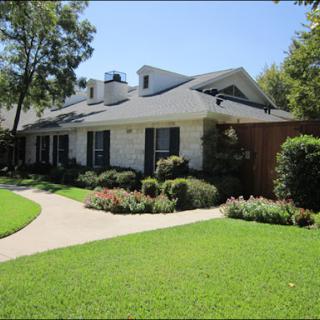
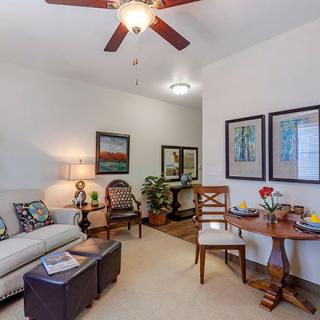
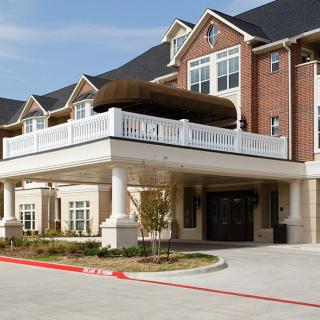
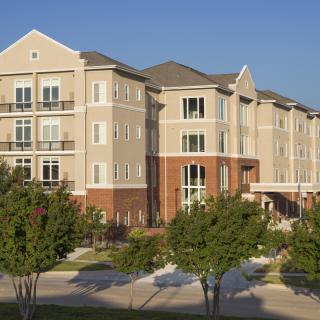
The Ridglea Senior Living in Fort Worth, TX

Save

  • Interior

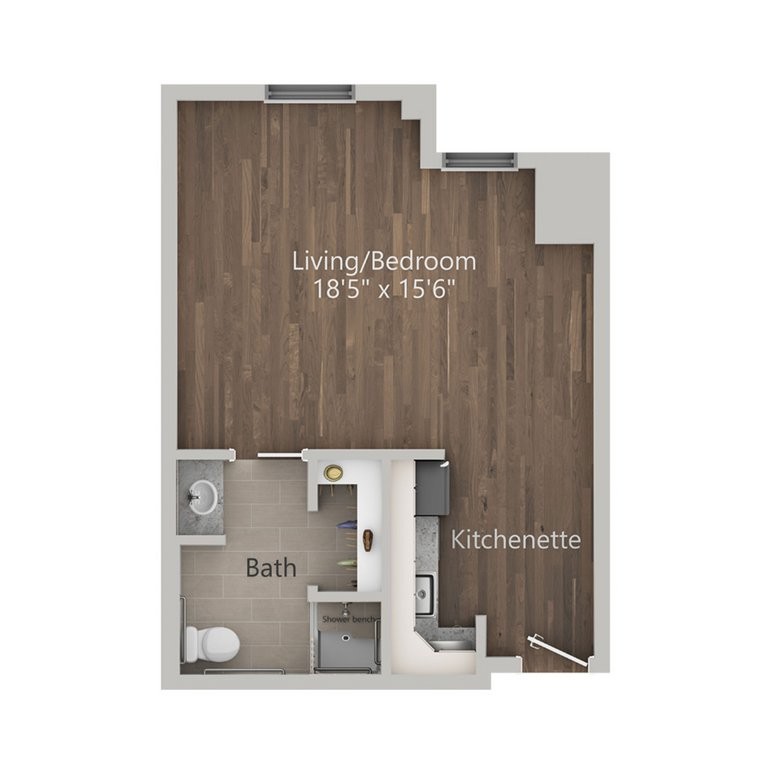
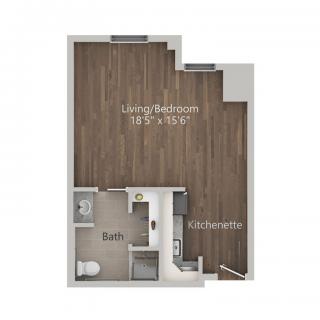
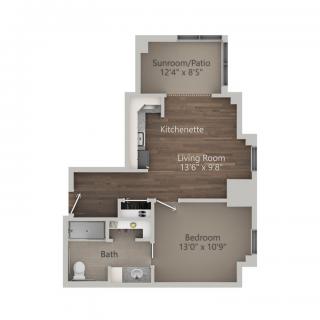
    Studio apartment floor plan with designated kitchen, living/bedroom, and bathroom areas.
  • Living Room

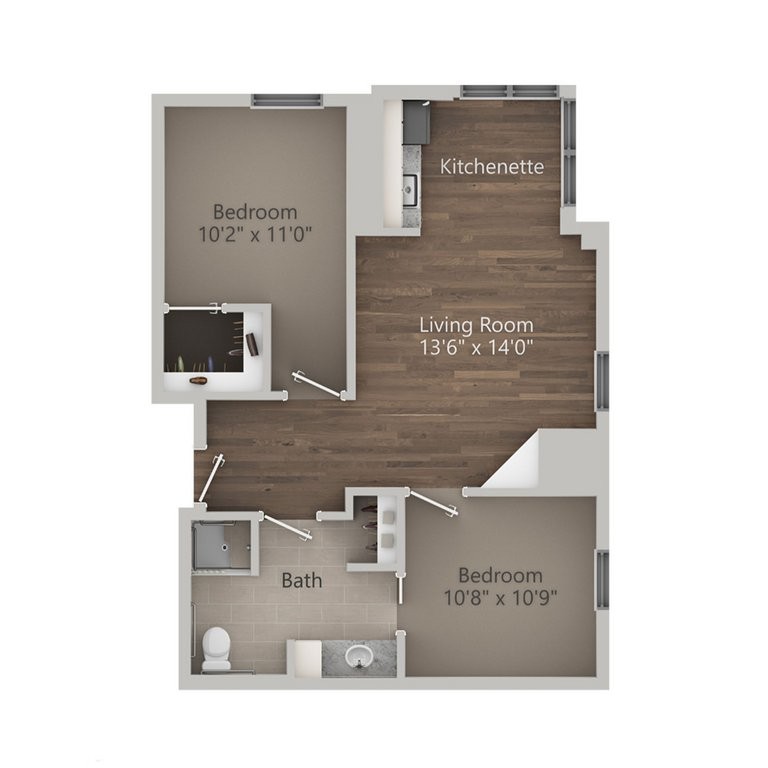
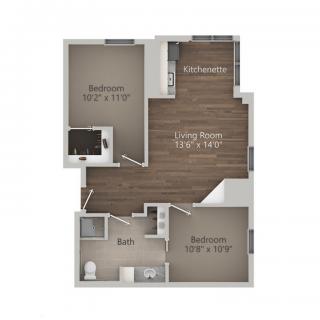
    A floor plan of a two-bedroom apartment with designated areas for the living room, kitchen, and bathroom.
  • Bedroom

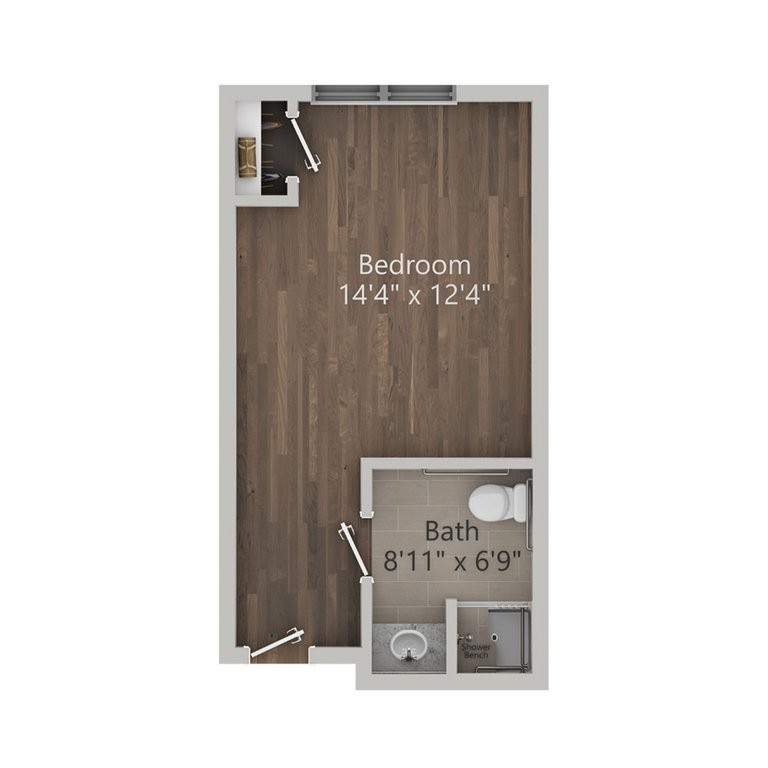
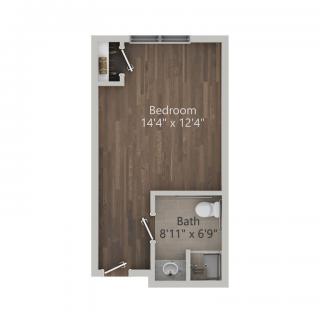
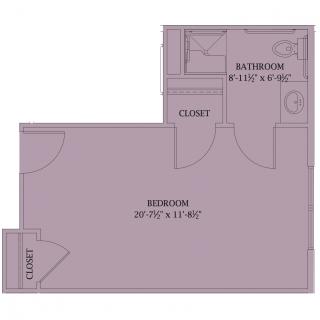
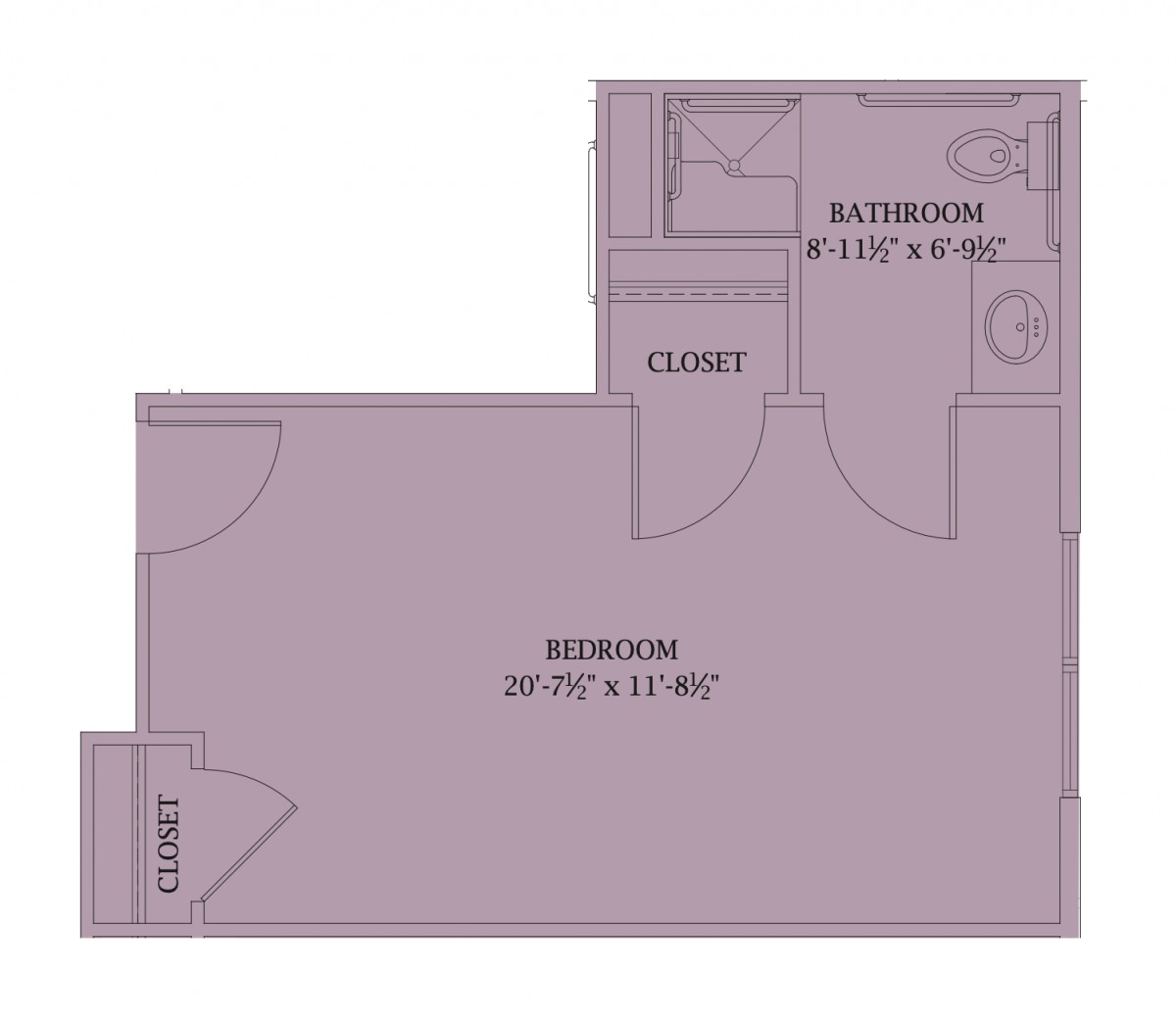
    Floor plan of a bedroom with an attached bathroom.
  • Kitchen

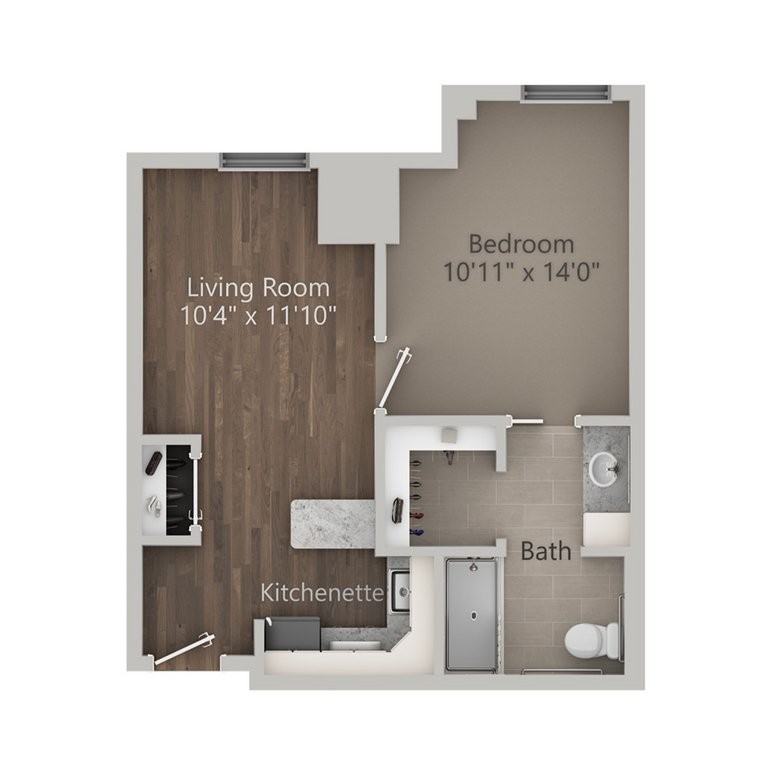
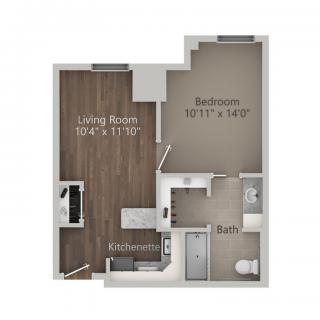
    A floor plan of a one-bedroom apartment with labeled rooms.
  • Floor Plan

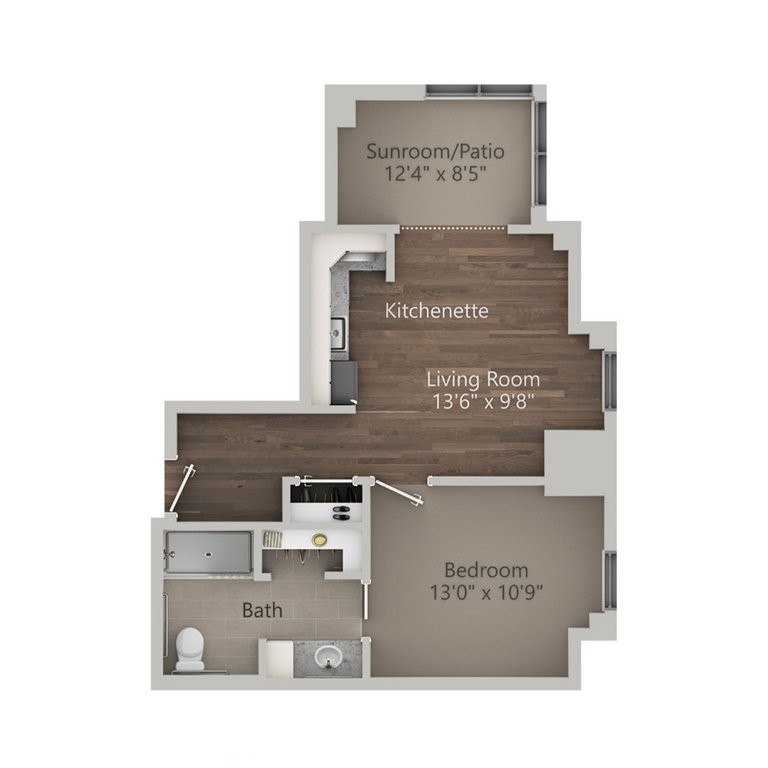
    One-bedroom apartment floor plan with living room, kitchen, and bathroom.
  • Bathroom

    A floor plan showing a bedroom with attached bathroom and closet.

The Ridglea Senior Living in Fort Worth, TX

Information last verified:

4109 Westridge Avenue, Fort Worth, TX 76116

For more information about senior living options: (844) 490-3973

4.6 from 63 reviews
5 stars
55
4 stars
2
3 stars
0
2 stars
1
1 stars
5

Seniors.FYI Elite Community Awards

Top 5% Senior Living Community in 2025

Add this award to your website

Overall Review of The Ridglea Senior Living

Pros

  • pro The Ridglea is beautiful, with gorgeous antiques, chandeliers, and abundant natural light.
  • pro The staff are compassionate and caring.
  • pro The facility is clean, well maintained, and welcoming.
  • pro The dining room and activities keep residents socially engaged and happy.
  • pro The food is outstanding and restaurant-quality, prepared by a skilled chef.
  • pro The Ridglea feels like home, with staff who know residents by name and treat them like family.
  • pro The community offers engaging programs and meaningful activities that keep residents active.
  • pro Families report peace of mind knowing their loved ones are well cared for.

Cons

  • pro They say it’s a terrible place and would not recommend it for any family member.
  • pro They claim management doesn’t care about workers or residents.
  • pro They describe it as understaffed and barely compliant with medication schedules.
  • pro They note caregiving is substandard despite the facility’s beauty.
  • pro They report residents being left with urine on them and describe the environment as filthy and unprofessional.
  • pro They say the front desk staff are rude and disrespectful.
  • pro They criticize the food as jail-like and overpriced.

Review

The Ridglea Senior Living in Fort Worth is best suited for families seeking a warm, home-like atmosphere in a smaller-to-mid‑sized setting that excels at social programming, resident engagement, and restaurant‑style dining. This community rewards residents who want a lively calendar of activities, regular opportunities to connect with others, and staff who feel more like a trusted extended family than a distant administrator. It is especially well matched for seniors who value familiarity, personal attention, and tangible daily routines that keep them active and connected. Those who prize a highly clinical, hospital‑style environment or who need extensive on‑site nursing supervision around the clock may want to look elsewhere.

Careful consideration should be given to who may want to explore alternatives. The Ridglea’s strengths sit squarely in social vitality, attentive staff, and a sense of “home,” but several reviews flag potential gaps in staffing consistency and access to care when demand surges. Families requiring rigid, 24/7 medical oversight or highly predictable med administration schedules might find themselves better served by facilities with larger clinical teams or more formalized nurse availability. For budget‑conscious buyers, the premium feel and amenities can still be a stretch, and those who fear a front‑line communications bottleneck should probe firsthand how response times hold up on busy days.

The strongest lever of The Ridglea’s value lies in how its pros reinforce each other. The building’s beauty, antique touches, ample natural light, and an inviting dining room, creates an atmosphere that makes residents feel seen and “at home” from day one. The culinary program stands out, with a chef who can customize meals and a varied menu that frequently earns praise. Residents are invited to events, but they also chart their own days through classes, chair exercises, shopping trips, bingo, and visits from family nights with live music. In assisted living and memory care alike, the staff’s warmth translates into persistent social connection: residents seem to know and be known, which fosters mood, mobility, and engagement.

A close look at staff and care reveals the spectrum of experience families report. On the positive side, residents and families repeatedly point to caregivers who are present, patient, and genuinely invested, with particular gratitude for leaders and activity coordinators who create purposeful days. The memory‑care program receives high marks for compassionate attention and age‑appropriate daily activities, with dedicated coordinators who work to sustain purpose and joy. Transitions, whether moving from independent living or shifting into memory care, are described as smoother when families witness direct, visible care partners on the floor, including executive leadership and on‑site directors who listen and respond. These elements underpin the sense that Ridglea is not merely a building, but a structured community where residents can rediscover a lively, social identity.

Yet, not every review mirrors the best‑case story. The occasional critique centers on understaffing during peak times and uneven communication; some families report delays in med administration or difficulty reaching someone by phone when urgent concerns arise. A few narratives extend beyond staffing into management dynamics, with concerns about front‑line responsiveness or organizational hiccups that briefly color impressions. While these issues are not universal, they are real enough to warrant candor: any family relying on Ridglea should verify current staffing schedules, insist on clear med‑pass protocols, and observe how the front desk and nursing staff handle peak periods. The best defense is a proactive tour, direct questions to the wellness director, and conversations with multiple residents about day‑to‑day needs.

With these realities in mind, Ridglea remains a compelling option for families who want the comfort of a well‑appointed, lively community and the reassurance of highly engaged staff who treat residents like family. The main offset to the concerns cited above comes from the consistent, meaningful activities, the engaging social life, and the tangible depth of care that residents and families describe after settling in. If affordability is understood as a planning factor and not a barrier, the value proposition strengthens further: many families discover the overall experience, meals, activities, campus ambiance, and staff relationships, creates a durable quality of life that offsets occasional service gaps. In short, Ridglea often represents the right fit for those who want a genuine sense of home and community with a strong emphasis on daily purpose.

For decision‑makers, the practical path is straightforward. Visit with an agenda: sample meals, observe a activity, and meet residents who share their day‑to‑day experiences. Ask current staff about typical response times, scheduling for medications, and how management handles concerns on a busy shift. Seek out the memory‑care team to understand how dementia‑friendly activities are integrated into the day and what a typical week looks like. If the goal is to minimize transition distress while maximizing social fulfillment, Ridglea delivers with a confident, experienced hand. If, instead, the priority centers on ironclad medical oversight, strict 24/7 nursing staffing, or a lower‑cost option, alternatives should be pursued without hesitation. The Ridglea is a strong, well‑regarded choice for many families, commendable enough to earn serious consideration, but with caveats that demand thoughtful verification before committing.

Features

Housing

  • 105 resident community capacity 105 resident community capacity
  • 1-bedroom apartments 1-bedroom apartments1-bedroom apartments are important for seniors because they provide a sense of independence, privacy, and autonomy while still offering the necessary space for comfortable living. These apartments allow seniors to maintain their own personal space and lifestyle preferences in a supportive community setting.
  • 2-bedroom apartments 2-bedroom apartments2-bedroom apartments are important for seniors because they provide extra space for guests, hobbies, and caregivers, as well as potential for additional income through roommates or rental.
  • Studio apartments Studio apartmentsStudio apartments are important for seniors because they offer a smaller, more manageable living space that is easier to navigate and maintain as physical abilities decline. Additionally, studio apartments provide seniors with independence and privacy while still being part of a community that offers support and social opportunities.

Types of Care

  • Assisted Living Assisted LivingAssisted living facilities provide crucial support and care for seniors who may need help with daily tasks such as medication management, bathing, and meal preparation. These communities offer a safe and comfortable environment where seniors can maintain their independence while receiving the assistance they need to thrive in their golden years.
  • Memory Care Memory CareMemory care is crucial for seniors as it provides specialized support and services for individuals with dementia or Alzheimer's disease. These programs offer a safe and secure environment where residents receive personalized care, cognitive stimulation, and help with daily activities. Memory care helps seniors maintain their independence, quality of life, and dignity while also providing peace of mind for their families.

Amenities

  • Air-conditioning Air-conditioningAir conditioning is important for seniors as they are more vulnerable to heat-related illnesses and may have underlying health conditions that make it difficult for them to regulate their body temperature. It helps to keep them comfortable, safe, and healthy in hot weather.
  • Beautician on-site Beautician on-siteHaving a beautician on-site at a senior living community is important for seniors as it allows them to easily access grooming and personal care services, boosting their self-esteem and overall well-being. It also provides convenience and helps seniors maintain their sense of independence and personal style.
  • Beauty salon Beauty salonBeauty salons are important for seniors because they provide a space for them to feel pampered, socialize, and maintain their personal grooming and hygiene. Regular visits to a beauty salon can help boost seniors' self-esteem and overall well-being.
  • Cable or satellite TV Cable or satellite TVCable or satellite TV is important for seniors because it provides entertainment, news, and companionship, helping to combat loneliness and boredom. It also offers a wide range of programming options tailored to different interests and preferences.
  • Computer center Computer centerA computer center is essential for seniors as it provides access to technology, communication tools, and resources that can enhance their daily lives. It allows them to stay connected with loved ones, engage in online activities, and learn new skills, ultimately promoting socialization and mental stimulation.
  • Dining room Dining roomDining rooms are important for seniors as they provide a space for socialization, connection, and nutritious meals. They offer opportunities for residents to bond over shared meals, foster a sense of community, and promote healthy eating habits. Dining rooms also ensure that seniors have access to well-balanced meals tailored to their dietary needs and preferences.
  • Fitness room Fitness roomHaving a fitness room in a senior living community is essential for seniors to stay active, maintain their physical health, and improve their overall well-being. Regular exercise can help prevent falls, reduce the risk of chronic diseases, and promote mental sharpness. It also provides social opportunities for residents to connect with others and enjoy a sense of community.
  • Fully furnished Fully furnishedFully furnished senior living communities are important for seniors because they provide convenience, comfort, and a hassle-free moving experience. Seniors can easily settle into their new living space without the stress of having to buy and move furniture. This allows them to focus on enjoying their new home and community.
  • Gaming room Gaming roomGaming rooms are important for seniors as they provide a fun and engaging environment for socializing, cognitive stimulation, and physical activity. Games can improve memory, problem-solving skills, and overall mental well-being while fostering friendships and reducing feelings of isolation.
  • Garden GardenGardens are important for seniors as they provide a peaceful and therapeutic environment for relaxation, physical activity, and socialization. Being in nature has been shown to reduce stress, improve mood, and promote overall well-being. Gardens also offer opportunities for seniors to engage in gardening activities, which can improve mobility, flexibility, and cognitive function. Additionally, gardens create a sense of community and connection with others who share a passion for plants and outdoor spaces.
  • Guasts at mealtime Guasts at mealtime"Guests at mealtime" offer seniors the opportunity for social interaction, companionship, and a sense of community during meals, which can help combat feelings of loneliness and isolation commonly experienced in senior living environments. It can also enhance their overall dining experience and improve their mental and emotional well-being.
  • Housekeeping services Housekeeping servicesHousekeeping services are important for seniors because they help maintain a clean and safe living environment, promote independence, and reduce the risk of accidents or illnesses. Additionally, having assistance with household chores can alleviate physical strain and allow seniors to focus on other aspects of their well-being.
  • Kitchenette KitchenetteKitchenettes are important for seniors living in senior living communities because they provide the convenience and independence of being able to prepare simple meals and snacks in the comfort of their own living space. This can help promote a sense of autonomy and well-being for seniors, allowing them to maintain some level of control over their dietary choices and daily routines.
  • Laundry LaundryLaundry services are important for seniors as they may have difficulty with physical tasks such as bending, lifting, or carrying heavy loads. Having access to laundry services can help seniors maintain personal hygiene, cleanliness, and independence in their daily lives.
  • Move-in coordination Move-in coordinationMove-in coordination is important for seniors because it helps ease the transition into their new living environment. It ensures that all logistics, such as packing, organizing movers, and setting up utilities are taken care of, allowing seniors to focus on settling in and adjusting to their new home. Having a smooth move-in process can alleviate stress and anxiety, making the transition smoother and more enjoyable for seniors.
  • Outdoor space Outdoor spaceOutdoor spaces are important for seniors as they provide opportunities for physical activity, social interaction, exposure to natural light and fresh air, and a sense of connection to nature. Having access to outdoor spaces can improve overall well-being and quality of life for older adults living in senior communities.
  • Private bathrooms Private bathroomsPrivate bathrooms are important for seniors in senior living communities because they provide independence, dignity, and comfort. Having a private bathroom allows seniors to maintain their personal hygiene routines without the need for assistance, promoting a sense of autonomy and privacy. Additionally, private bathrooms help prevent the spread of infections and provide a safe and clean environment for seniors to navigate safely.
  • Restaurant-style dining Restaurant-style diningRestaurant-style dining is important for seniors because it allows them to enjoy delicious, nutritious meals in a social and upscale setting. This enhances their dining experience, promotes healthy eating habits, and fosters socialization with fellow residents, ultimately contributing to their overall well-being and quality of life.
  • Small library Small librarySmall libraries are important for seniors as they provide access to a variety of reading materials, including books, newspapers, and magazines. This can help stimulate their minds, keep them engaged, and provide a sense of community through book clubs and other social activities. Additionally, reading has been shown to improve cognitive function and overall mental well-being in older adults.
  • Telephone TelephoneTelephones are important for seniors as they provide a lifeline for communication with loved ones, emergency services, and healthcare providers. They offer a sense of security and independence, enabling seniors to stay connected and access assistance when needed.
  • Wellness center Wellness centerWellness centers are important for seniors because they offer a variety of programs and services that promote physical, mental, and emotional well-being. These centers provide opportunities for exercise, socialization, education, and relaxation, helping seniors maintain their overall health and quality of life.
  • Wi-Fi/high-speed internet available Wi-Fi/high-speed internet availableWi-Fi/high-speed internet is important for seniors to stay connected with loved ones, access online resources, and participate in virtual activities to combat feelings of loneliness and isolation. It also allows them to easily manage healthcare needs, access entertainment, and engage in lifelong learning opportunities.

Transportation

  • Community operated transportation Community operated transportationCommunity operated transportation is crucial for seniors as it provides them with the means to access essential services, social activities, and medical appointments. It allows seniors to maintain their independence and quality of life by ensuring they can participate in activities outside of their homes. Additionally, community-operated transportation services offer a safe and reliable way for seniors to travel without having to rely on family or friends for assistance.
  • Transportation & parking Transportation & parkingTransportation and parking are vital for seniors as they offer access to essential services, activities, and social interactions. Reliable transportation options can help seniors maintain independence, stay connected within their community, and enjoy a higher quality of life. Additionally, convenient parking facilities ensure that seniors can easily access necessary resources and amenities without added stress or difficulty.
  • Transportation arrangement Transportation arrangementTransportation arrangements are crucial for seniors as they may face challenges with driving, mobility, or access to public transportation. Having reliable transportation services ensures that seniors can easily attend appointments, social activities, and maintain their independence and quality of life.
  • Transportation arrangement (non-medical) Transportation arrangement (non-medical)Transportation arrangements are essential for seniors as they provide access to essential services, activities, and social interactions outside the home. This service helps maintain independence, mobility, and overall well-being for seniors who may have limited transportation options.

Care Services

  • 12-16 hour nursing 12-16 hour nursing12-16 hour nursing care is crucial for seniors in order to ensure around-the-clock monitoring, timely medication administration, and prompt response to any health concerns or emergencies. This level of care helps to promote the overall well-being and safety of seniors living in senior living communities.
  • 24-hour call system 24-hour call system24-hour call systems are important for seniors because they provide peace of mind and immediate assistance in case of emergencies. This technology ensures that help is always available, promoting safety and security for elderly individuals living alone or in assisted living facilities.
  • 24-hour supervision 24-hour supervision24-hour supervision is important for seniors to ensure their safety, well-being, and access to immediate assistance in case of emergencies or health issues. This constant support provides peace of mind for both seniors and their loved ones, allowing them to age in place with dignity and security.
  • Activities of daily living assistance Activities of daily living assistanceActivities of daily living assistance are important for seniors because they provide essential support with tasks such as eating, bathing, dressing, and mobility. This assistance helps seniors maintain their independence, dignity, and overall quality of life as they age.
  • Assistance with bathing Assistance with bathingAssistance with bathing is crucial for seniors as it helps maintain personal hygiene, prevents infections, and ensures their overall well-being and comfort. It also provides a sense of dignity and independence for seniors who may struggle with this task on their own.
  • Assistance with dressing Assistance with dressingAssistance with dressing is important for seniors because it helps maintain their independence, promotes personal hygiene, prevents accidents and injuries, and improves overall quality of life. This service ensures that seniors can continue to dress comfortably and confidently, despite any physical limitations they may have.
  • Assistance with transfers Assistance with transfersAssistance with transfers is crucial for seniors as it helps prevent falls and injuries, maintains their independence, and ensures they can safely navigate their living environment. It also provides peace of mind for both seniors and their loved ones.
  • Coordination with health care providers Coordination with health care providersCoordination with health care providers is crucial for seniors to ensure proper medical care, medication management, and overall well-being. This collaboration helps prevent overlapping treatments, track progress more effectively, and provide comprehensive support tailored to individual needs.
  • Dementia waiver Dementia waiverDementia waivers are essential for seniors as they provide critical protections and accommodations for those experiencing cognitive decline. These waivers ensure individuals with dementia receive appropriate care, support, and resources to maintain their quality of life and dignity as they navigate the challenges of this progressive condition.
  • Diabetes diet Diabetes dietA diabetes diet is crucial for seniors as it helps manage blood sugar levels, reduce risks of complications, and improve overall health and well-being. By following a balanced and nutritious diet tailored to their specific needs, seniors can better control their diabetes and enhance their quality of life.
  • Hospice waiver Hospice waiverHospice waivers are important for seniors because they allow individuals to receive specialized end-of-life care and support at home or in a hospice facility. This waiver ensures that seniors can access the necessary resources and services to maintain comfort and dignity during their final days.
  • Meal preparation and service Meal preparation and serviceMeal preparation and service are crucial for seniors as they may have limited mobility or energy to cook nutritious meals. Having access to healthy and convenient food options can ensure they are getting the proper nutrition needed to maintain their overall health and well-being.
  • Medication management Medication managementMedication management is crucial for seniors to ensure they are taking the right medications at the correct dosages and times. This helps prevent adverse drug interactions, reduces the risk of medication errors, and promotes overall health and well-being. Proactive management also allows for adjustments as needed based on changing health conditions or new prescriptions.
  • Mental wellness program Mental wellness programMental wellness programs are essential for seniors as they promote cognitive stimulation, emotional support, and social engagement. These programs help prevent isolation, depression, and cognitive decline, ultimately enhancing the overall quality of life for older adults.
  • Mild cognitive impairment Mild cognitive impairment"Mild cognitive impairment" is important for seniors because it is an early stage of cognitive decline that can potentially progress to more severe conditions such as dementia. Recognizing and addressing mild cognitive impairment can help seniors receive appropriate care and support to maintain their quality of life and independence for as long as possible.
  • Special dietary restrictions Special dietary restrictionsSpecial dietary restrictions are important for seniors because age-related changes in metabolism and health conditions can make it difficult for their bodies to process certain foods. By following a diet tailored to their specific needs, seniors can maintain their overall health and well-being, manage chronic conditions, and reduce the risk of complications such as malnutrition or food interactions with medications.
  • Specialized memory care programming Specialized memory care programmingSpecialized memory care programming is crucial for seniors with cognitive impairments such as dementia or Alzheimer's disease. These programs provide a safe and supportive environment tailored to the unique needs of individuals with memory loss, helping them maintain their independence, dignity, and quality of life.
  • Transportation arrangement (medical) Transportation arrangement (medical)Transportation arrangements for medical purposes are essential for seniors as they may have difficulty driving themselves to appointments or accessing public transportation. Having reliable and safe transportation options ensures that seniors can receive timely medical care and maintain their health and well-being.
  • Transportation to doctors appointments Transportation to doctors appointmentsTransportation to doctors' appointments is crucial for seniors as it ensures they have access to necessary medical care and support for their health needs. Without reliable transportation, seniors may struggle to attend important appointments, leading to potential delays in treatment and health complications. Providing transportation services helps seniors maintain their overall well-being and quality of life.

Dining

  • Diabetes diet Diabetes dietA diabetes diet is crucial for seniors as it helps manage blood sugar levels, reduce risks of complications, and improve overall health and well-being. By following a balanced and nutritious diet tailored to their specific needs, seniors can better control their diabetes and enhance their quality of life.
  • Low / no sodium Low / no sodiumLow/no sodium options are important for seniors because excessive sodium intake can lead to high blood pressure, heart disease, and other health issues commonly experienced by older adults. By choosing low/no sodium foods, seniors can better manage their health and reduce their risk of developing these conditions.
  • Low fat Low fatLow fat diets are important for seniors because they can help reduce the risk of heart disease, stroke, and other health issues commonly faced by older adults. Consuming less fat can also help manage weight and improve overall health and well-being in the senior population.
  • Special dietary restrictions Special dietary restrictionsSpecial dietary restrictions are important for seniors because age-related changes in metabolism and health conditions can make it difficult for their bodies to process certain foods. By following a diet tailored to their specific needs, seniors can maintain their overall health and well-being, manage chronic conditions, and reduce the risk of complications such as malnutrition or food interactions with medications.

Activities

  • Activities off-site Activities off-siteActivities off-site are crucial for seniors as they provide opportunities for socialization, mental stimulation, and physical activity outside of their usual routine. This helps combat feelings of isolation and boredom, promotes overall well-being, and allows seniors to remain engaged in the community.
  • Community-sponsored activities Community-sponsored activitiesCommunity-sponsored activities are important for seniors as they provide opportunities for social interaction, mental stimulation, and physical activity. These activities can help improve overall well-being, combat loneliness and isolation, and promote a sense of belonging and purpose among older adults.
  • Concierge services Concierge servicesConcierge services are essential for seniors as they provide assistance with daily tasks and errands, enhance their quality of life by offering convenience and personalized care, and promote a sense of safety and security.
  • Fitness programs Fitness programsFitness programs are crucial for seniors as they help improve strength, flexibility, balance, and overall well-being. Staying active can reduce the risk of chronic diseases, improve mental health, and enhance quality of life in older adults.
  • Planned day trips Planned day tripsPlanned day trips are important for seniors because they offer opportunities for socialization, mental stimulation, and physical activity. They provide a change of scenery and help seniors stay engaged and connected to their community, promoting overall well-being and quality of life.
  • Religious services Religious servicesReligious services provide seniors with a sense of community, support, and spiritual fulfillment, which can improve their overall well-being and mental health. It also offers them opportunities for socialization and connection with others who share their beliefs.
  • Resident-run activities Resident-run activitiesResident-run activities are important for seniors as they encourage social interaction, creativity, and a sense of autonomy. These activities empower seniors to stay engaged and active in their community while fostering meaningful connections with their peers.
  • Scheduled daily activities Scheduled daily activitiesScheduled daily activities are important for seniors because they provide structure, socialization, mental stimulation, and physical activity. Engaging in regular activities can improve overall well-being and quality of life for seniors living in a community setting.

Languages Spoken

  • English EnglishEnglish is important for seniors as it allows them to communicate effectively with healthcare providers, understand important information related to their health and medications, stay connected with loved ones, and engage in social activities within their communities. It also opens up opportunities for lifelong learning and intellectual stimulation.

Description

The Ridglea Senior Living in Fort Worth, TX is an exceptional assisted living community that offers a range of services and amenities to cater to the unique needs of its residents. With housing options including 2-bedroom apartments and studio apartments, there is a comfortable living space for everyone.

This community specializes in providing Memory Care, ensuring that individuals with dementia or memory impairments receive the specialized attention they require. The dedicated staff provides 24-hour supervision and assistance with activities of daily living such as bathing, dressing, and transfers. They also coordinate with healthcare providers to ensure comprehensive care.

Residents enjoy a wide array of amenities that enhance their quality of life. From an on-site beautician and beauty salon for their grooming needs, to a fully furnished apartment that feels like home, every comfort is taken care of. The community-operated transportation makes it convenient for residents to go shopping or attend appointments. A computer center is available for those who wish to stay connected digitally, along with Wi-Fi/high-speed internet throughout the premises.

The dining experience at The Ridglea Senior Living is exceptional, offering restaurant-style meals prepared by professional chefs. Catering to special dietary restrictions such as low/no sodium and low-fat options ensures that residents' specific health needs are met.

Engaging activities are a priority in this community, with concierge services available to plan day trips and a variety of scheduled daily activities tailored to resident preferences. Fitness programs promote physical well-being while resident-run activities encourage social interaction and camaraderie amongst peers. Religious services are also provided for those seeking spiritual fulfillment.

In close proximity to The Ridglea Senior Living are numerous cafes, parks, pharmacies, physicians' offices, restaurants, places of worship, theaters, and hospitals. This convenient location allows residents easy access to essential services and ample opportunities for entertainment.

Overall, The Ridglea Senior Living provides seniors with a safe and comfortable environment where their physical well-being is prioritized, their social needs are met, and their individuality is celebrated.

Nearby Places of Interest

This part of Fort Worth, Texas, offers a diverse range of amenities for seniors looking to settle in the area. With several restaurants nearby such as Fuzzy's Taco Shop, Rise N3, and Mi Cocina, there are plenty of dining options to choose from. Additionally, pharmacies like Walgreens and CVS Pharmacy are conveniently located within a short distance for any medical needs. For healthcare services, there are reputable facilities like Cook Children's Pediatrics and Texas Health Clearfork in close proximity. The area also boasts a variety of entertainment options including theaters like AMC DINE-IN Clearfork 8 and parks such as Leonard Park and Overton Park for leisurely activities. Overall, this neighborhood provides a mix of convenience and recreational opportunities making it an attractive option for senior living in Fort Worth.

Restaurants

  • Fuzzy's Taco Shop (0.6 miles)
  • Braum's (0.9 miles)
  • Rise N°3 (1.1 miles)
  • Uncle Julio's (1.3 miles)
  • Zoli's Pizza (1.6 miles)
  • Chick-Fil-A (1.6 miles)
  • Mi Cocina (1.7 miles)

Pharmacies

  • Walgreens (0.6 miles)
  • CVS Pharmacy (1.5 miles)
  • Ridgmar Pharmacy (1.8 miles)
  • Walgreens (1.8 miles)
  • Perrone Legend Pharmacy (1.8 miles)
  • Walgreens (2.1 miles)
  • Walgreens (2.9 miles)

Physicians

  • Cook Children's Pediatrics - Fort Worth - Cityview (0.8 miles)
  • The Hand to Shoulder Center (0.8 miles)
  • Envision Imaging Hulen (1.7 miles)
  • U.S. Dermatology Partners Benbrook (1.9 miles)
  • Prime Diagnostic Imaging (1.9 miles)
  • Boulevard Clinic (2.6 miles)
  • Cook Children's Pediatrics Forest Park (3 miles)

Theaters

  • AMC DINE-IN Clearfork 8 (1 miles)
  • Movie Tavern Hulen (3 miles)

Hospitals

  • Texas Health Clearfork (1.1 miles)
  • Baylor Surgical Center (3.9 miles)
  • Regency Hospital of Fort Worth (4 miles)
  • Baylor Scott & White Hospital Medicine - All Saints (4.1 miles)
  • Pcu 4 (4.3 miles)
  • Texas Health Harris Methodist Hospital Southwest Fort Worth (4.3 miles)
  • Tele 4 (4.3 miles)

Cafes

  • Press Cafe (1.4 miles)
  • Starbucks (1.6 miles)
  • Starbucks (2.6 miles)
  • Starbucks (3.9 miles)
  • Starbucks (4 miles)

Parks

  • Leonard Park (1.9 miles)
  • Overton Park (2.2 miles)
  • Linwood Park (4.1 miles)

Places of Worship

  • St Stephen Presbyterian Church (3.5 miles)

Frequently Asked Questions

What floor plans and room types does The Ridglea Senior Living offer?
Where is The Ridglea Senior Living?
Does The Ridglea Senior Living provide care for residents with dementia or Alzheimer's disease?
What photos are available for The Ridglea Senior Living in Fort Worth, Texas?

Nearby Communities

  • The Riglea Senior Living

    The Riglea Senior Living

    Fort Worth, TX

    4.6 from 70 reviews
    $4,080 to $7,775 / month

    pro Caring staff in a luxurious, inviting environment.

  • BrightStar Care Fort Worth,  TX

    BrightStar Care Fort Worth, TX

    Fort Worth, TX

    4.4 from 20 reviews
     

    pro Easy scheduling with courteous, professional caregivers and high-quality, safety-focused care.

  • Visiting Nurse Assn

    Visiting Nurse Assn

    Fort Worth, TX

    4.4 from 5 reviews
     

    pro Consistent, compassionate in-home elder care with therapy support and good value.

  • Colonial Gardens - Fort Worth

    Colonial Gardens - Fort Worth

    Fort Worth, TX

    4.7 from 40 reviews
    $5,500 / month

    pro Compassionate, attentive staff in a clean, respectful setting with engaging activities.

  • Colonial Gardens Of Fort Worth Fw 1

    Colonial Gardens Of Fort Worth Fw 1

    Fort Worth, TX


    pro 24/7 staff availability with comprehensive care and engaging activities

  • Colonial Gardens Of Fort Worth Fw 2

    Colonial Gardens Of Fort Worth Fw 2

    Fort Worth, TX

    4.4 from 7 reviews
     

    pro Small, intimate board-and-care setting with 24/7 supervision and ADL assistance.

  • Brookdale Westover Hills

    Brookdale Westover Hills

    Ft. Worth, TX

    4.4 from 103 reviews
    $1,965 to $3,985 / month

    pro Caring staff, strong sense of community, and engaging activities with great dining.

  • The Westmore

    The Westmore

    Westworth Village, TX

    4.6 from 142 reviews
    $3,637 to $4,986 / month

    pro Attentive, family-like staff with engaging activities and well-maintained surroundings.

  • The Vantage at Cityview

    The Vantage at Cityview

    Fort Worth, TX

    4.6 from 175 reviews
    $4,550 to $6,645 / month

    pro Friendly staff and engaging activities.

Related Resources

  • assisted living waiver programA Detailed Exploration of Assisted Living Medicaid Waivers Across the United States

    Medicaid waivers for assisted living services provide vital support for seniors and individuals with disabilities in need of long-term care, with varying state-specific eligibility criteria and benefits. These waivers cover personal care and case management but often do not fully cover room and board, leading to waiting lists for many applicants.

  • assisted living vs skilled nursingExploring the Contrasts Between Assisted Living and Skilled Nursing

    The article compares assisted living and skilled nursing facilities, detailing their differing levels of assistance, medical support, cost structures, and day-to-day experiences. It emphasizes that assisted living is for those needing help with daily activities while maintaining independence, whereas skilled nursing facilities provide intensive medical care with 24-hour staff supervision.

  • active senior livingVibrant Senior Living: A Comprehensive Guide for Active Older Adults
    Vibrant Senior Living emphasizes active senior living communities that promote independence and engagement through diverse amenities and activities, fostering wellness and social interaction among older adults. These communities range from independent to assisted living, with a focus on personal growth, family involvement, financial planning, and leveraging technology to enhance residents' experiences.