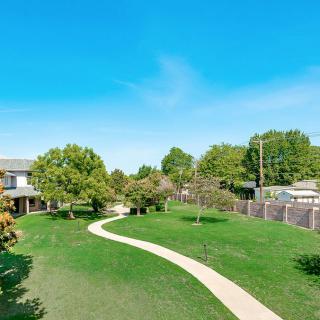
Community Homes For Adults in Dallas, TX

7628 Village Trail Drive, Dallas, TX 75254

For more information about senior living options: (844) 490-3973

4 from 5 reviews
5 stars
3
4 stars
1
3 stars
0
2 stars
0
1 stars
1

Assisted Living Board and Care Home Respite Care

Overall Review of Community Homes For Adults

Pros

  • pro Community Homes for Adults is the absolute best organization possible for state-of-the-art group homes and vocational, educational, social, and spiritual programs for adults with intellectual disabilities.

Cons

  • pro They keep ignoring offers to provide dental services for people with special needs.
  • pro They ignore requests to partner on dental services for people with special needs.

Review

Community Homes for Adults in Dallas is best suited for families seeking a stable, development-focused living environment for adults with intellectual disabilities. The community pairs purpose-built group homes with a broad spectrum of programs designed to cultivate practical skills and social engagement: vocational training, formal education, community activities, and spiritual support. For residents who flourish when housing and growth opportunities are tightly connected, this setting offers a clear path to greater independence within a supported framework. It is not simply a place to reside; it is a platform for ongoing development, with an emphasis on structured routines, meaningful daily work, and opportunities for social connectedness.

That clarity of purpose, however, comes with caveats. Families that require rapid placement or consistent, outside-the-organization responsiveness may want to consider alternatives. A review note highlights a friction point with external service outreach - specifically, attempts to coordinate dental services for residents were not met with engagement. While this may reflect a narrow area of interaction rather than overall quality, it signals a potential mismatch for families who rely on seamless collaboration with outside health partners or vendors. In such cases, a smaller provider, a different agency with a reputation for easier vendor onboarding, or a setting with a more integrated medical coordination model could be preferable.

The strongest qualifications of Community Homes for Adults rest on its programmatic depth. The facility markets itself as state-of-the-art in terms of living environments and opportunity-rich offerings. The combination of well-structured housing with vocational, educational, social, and spiritual programming creates a comprehensive ecosystem aimed at fostering independence and a sense of purpose. Residents are not merely housed; they are engaged in activities that build employable skills, everyday competencies, and social belonging. This breadth of offerings is precisely why the community earns favorable ratings and stands out in a field where execution matters as much as mission.

Yet the cited friction with external service outreach cannot be dismissed. The absence of visible, proactive engagement with partner professionals - demonstrated by a real-world example of ignoring outreach from a dental service provider - raises a practical concern. For families, this means potential delays or gaps in ancillary care that markets and other providers might deliver more promptly. It is a tangible reminder that even a strong, multi-faceted program can be undermined if coordination with outside professionals is inconsistent. In decision-making terms, this is a risk to weigh against the proven strength of on-site programming.

When weighing pros against the main con, the calculus tilts in favor of a strong developmental trajectory. The robust on-site offerings and the promise of a structured, supportive community can offset occasional coordination hiccups by delivering consistent daily value - skill-building, routine, peer connection, and purposeful activity - months and years down the line. However, for families whose goals include guaranteed, rapid access to external medical or dental care through streamlined partnerships, the existing gap can erode confidence and require proactive management. The organization's strengths do not erase the risk; they dilute it for most residents, but not for those with high reliance on external health services.

Practical takeaways for families facing this choice are clear. If the objective is a comprehensive, development-first living arrangement for an adult with intellectual disabilities, Community Homes for Adults offers substantial, well-rounded value and a tangible pathway toward greater independence. Prospective residents should seek concrete assurances on how external services are coordinated, who the primary points of contact are, and what escalation procedures exist if outreach becomes stalled. Inquire about staffing ratios, the cadence of programming, and how individualized goals drive daily schedules. Also ask for examples of vendor partnerships in place, and a plan for onboarding new services with minimal disruption.

In short, Community Homes for Adults is a persuasive option for families prioritizing long-term growth within a stable, engaging living environment. The caveat about external vendor responsiveness matters, but it does not overwhelm the core strengths: a state-of-the-art residential setting anchored by rich vocational, educational, social, and spiritual programs. For those who can tolerate the administrative friction in exchange for expansive development opportunities, the fit is strong. For families whose top priority is seamless external care coordination or faster service integration, it may be prudent to explore alternatives or demand explicit, written guarantees around vendor engagement before committing.

Features

Housing

  • 6 resident community capacity 6 resident community capacity

Types of Care

  • Assisted Living Assisted LivingAssisted living facilities provide crucial support and care for seniors who may need help with daily tasks such as medication management, bathing, and meal preparation. These communities offer a safe and comfortable environment where seniors can maintain their independence while receiving the assistance they need to thrive in their golden years.
  • Board and Care Home Board and Care HomeBoard and care homes provide a smaller, more intimate setting for seniors who require assistance with daily tasks but do not need the level of care offered by a nursing home. They offer personalized care, meals, and social activities in a homelike environment, ensuring that seniors receive individualized attention and support in their golden years.
  • Respite Care Respite CareRespite care provides temporary relief for caregivers, allowing them to recharge and attend to their own needs. It also gives seniors the opportunity to socialize, receive professional care, and experience a change of scenery, promoting overall well-being and reducing feelings of isolation.

Amenities

  • Cable or satellite TV Cable or satellite TVCable or satellite TV is important for seniors because it provides entertainment, news, and companionship, helping to combat loneliness and boredom. It also offers a wide range of programming options tailored to different interests and preferences.
  • Dining room Dining roomDining rooms are important for seniors as they provide a space for socialization, connection, and nutritious meals. They offer opportunities for residents to bond over shared meals, foster a sense of community, and promote healthy eating habits. Dining rooms also ensure that seniors have access to well-balanced meals tailored to their dietary needs and preferences.
  • Fully furnished Fully furnishedFully furnished senior living communities are important for seniors because they provide convenience, comfort, and a hassle-free moving experience. Seniors can easily settle into their new living space without the stress of having to buy and move furniture. This allows them to focus on enjoying their new home and community.
  • Garden GardenGardens are important for seniors as they provide a peaceful and therapeutic environment for relaxation, physical activity, and socialization. Being in nature has been shown to reduce stress, improve mood, and promote overall well-being. Gardens also offer opportunities for seniors to engage in gardening activities, which can improve mobility, flexibility, and cognitive function. Additionally, gardens create a sense of community and connection with others who share a passion for plants and outdoor spaces.
  • Housekeeping services Housekeeping servicesHousekeeping services are important for seniors because they help maintain a clean and safe living environment, promote independence, and reduce the risk of accidents or illnesses. Additionally, having assistance with household chores can alleviate physical strain and allow seniors to focus on other aspects of their well-being.
  • Move-in coordination Move-in coordinationMove-in coordination is important for seniors because it helps ease the transition into their new living environment. It ensures that all logistics, such as packing, organizing movers, and setting up utilities are taken care of, allowing seniors to focus on settling in and adjusting to their new home. Having a smooth move-in process can alleviate stress and anxiety, making the transition smoother and more enjoyable for seniors.
  • Outdoor space Outdoor spaceOutdoor spaces are important for seniors as they provide opportunities for physical activity, social interaction, exposure to natural light and fresh air, and a sense of connection to nature. Having access to outdoor spaces can improve overall well-being and quality of life for older adults living in senior communities.
  • Telephone TelephoneTelephones are important for seniors as they provide a lifeline for communication with loved ones, emergency services, and healthcare providers. They offer a sense of security and independence, enabling seniors to stay connected and access assistance when needed.
  • Wi-Fi/high-speed internet available Wi-Fi/high-speed internet availableWi-Fi/high-speed internet is important for seniors to stay connected with loved ones, access online resources, and participate in virtual activities to combat feelings of loneliness and isolation. It also allows them to easily manage healthcare needs, access entertainment, and engage in lifelong learning opportunities.

Transportation

  • Dallas Love (8 miles away) Dallas Love (8 miles away)
  • Dallas-Fort Worth International (16 miles away) Dallas-Fort Worth International (16 miles away)

Care Services

  • 24-hour supervision 24-hour supervision24-hour supervision is important for seniors to ensure their safety, well-being, and access to immediate assistance in case of emergencies or health issues. This constant support provides peace of mind for both seniors and their loved ones, allowing them to age in place with dignity and security.
  • Activities of daily living assistance Activities of daily living assistanceActivities of daily living assistance are important for seniors because they provide essential support with tasks such as eating, bathing, dressing, and mobility. This assistance helps seniors maintain their independence, dignity, and overall quality of life as they age.
  • Assistance with bathing Assistance with bathingAssistance with bathing is crucial for seniors as it helps maintain personal hygiene, prevents infections, and ensures their overall well-being and comfort. It also provides a sense of dignity and independence for seniors who may struggle with this task on their own.
  • Assistance with dressing Assistance with dressingAssistance with dressing is important for seniors because it helps maintain their independence, promotes personal hygiene, prevents accidents and injuries, and improves overall quality of life. This service ensures that seniors can continue to dress comfortably and confidently, despite any physical limitations they may have.
  • Assistance with transfers Assistance with transfersAssistance with transfers is crucial for seniors as it helps prevent falls and injuries, maintains their independence, and ensures they can safely navigate their living environment. It also provides peace of mind for both seniors and their loved ones.
  • Coordination with health care providers Coordination with health care providersCoordination with health care providers is crucial for seniors to ensure proper medical care, medication management, and overall well-being. This collaboration helps prevent overlapping treatments, track progress more effectively, and provide comprehensive support tailored to individual needs.
  • Diabetes diet Diabetes dietA diabetes diet is crucial for seniors as it helps manage blood sugar levels, reduce risks of complications, and improve overall health and well-being. By following a balanced and nutritious diet tailored to their specific needs, seniors can better control their diabetes and enhance their quality of life.
  • Meal preparation and service Meal preparation and serviceMeal preparation and service are crucial for seniors as they may have limited mobility or energy to cook nutritious meals. Having access to healthy and convenient food options can ensure they are getting the proper nutrition needed to maintain their overall health and well-being.
  • Medication management Medication managementMedication management is crucial for seniors to ensure they are taking the right medications at the correct dosages and times. This helps prevent adverse drug interactions, reduces the risk of medication errors, and promotes overall health and well-being. Proactive management also allows for adjustments as needed based on changing health conditions or new prescriptions.
  • Special dietary restrictions Special dietary restrictionsSpecial dietary restrictions are important for seniors because age-related changes in metabolism and health conditions can make it difficult for their bodies to process certain foods. By following a diet tailored to their specific needs, seniors can maintain their overall health and well-being, manage chronic conditions, and reduce the risk of complications such as malnutrition or food interactions with medications.
  • Transportation arrangement (medical) Transportation arrangement (medical)Transportation arrangements for medical purposes are essential for seniors as they may have difficulty driving themselves to appointments or accessing public transportation. Having reliable and safe transportation options ensures that seniors can receive timely medical care and maintain their health and well-being.
  • Transportation to doctors appointments Transportation to doctors appointmentsTransportation to doctors' appointments is crucial for seniors as it ensures they have access to necessary medical care and support for their health needs. Without reliable transportation, seniors may struggle to attend important appointments, leading to potential delays in treatment and health complications. Providing transportation services helps seniors maintain their overall well-being and quality of life.

Dining

  • Diabetes diet Diabetes dietA diabetes diet is crucial for seniors as it helps manage blood sugar levels, reduce risks of complications, and improve overall health and well-being. By following a balanced and nutritious diet tailored to their specific needs, seniors can better control their diabetes and enhance their quality of life.
  • Special dietary restrictions Special dietary restrictionsSpecial dietary restrictions are important for seniors because age-related changes in metabolism and health conditions can make it difficult for their bodies to process certain foods. By following a diet tailored to their specific needs, seniors can maintain their overall health and well-being, manage chronic conditions, and reduce the risk of complications such as malnutrition or food interactions with medications.

Activities

  • Community-sponsored activities Community-sponsored activitiesCommunity-sponsored activities are important for seniors as they provide opportunities for social interaction, mental stimulation, and physical activity. These activities can help improve overall well-being, combat loneliness and isolation, and promote a sense of belonging and purpose among older adults.
  • Scheduled daily activities Scheduled daily activitiesScheduled daily activities are important for seniors because they provide structure, socialization, mental stimulation, and physical activity. Engaging in regular activities can improve overall well-being and quality of life for seniors living in a community setting.

Description

This assisted living community in Dallas, TX offers a comfortable and supportive environment for adults in need of care. Residents can choose between the board and care home option or respite care, depending on their specific needs.

The community provides a variety of amenities to enhance the residents' quality of life. There is a spacious dining room where nutritious meals are served, ensuring that any special dietary restrictions are accommodated. The living spaces are fully furnished and residents also have access to outdoor spaces such as gardens for relaxation and enjoyment. Housekeeping services are provided to maintain cleanliness and tidiness throughout the community.

To ensure a smooth transition into the community, move-in coordination assistance is available. Furthermore, amenities such as telephone access and Wi-Fi/high-speed internet ensure that residents can easily stay connected with loved ones.

The professional staff at this assisted living community is experienced in providing assistance with activities of daily living, including bathing, dressing, and transfers. They work closely with healthcare providers to coordinate medical care for the residents when needed, including diabetes diet management and medication management.

Residents have access to scheduled daily activities to promote social engagement and overall well-being. Additionally, there are several nearby amenities for convenience, including two cafes, multiple pharmacies and physicians nearby for easy access to healthcare services. Transportation arrangements are also available for medical appointments.

Overall, this assisted living community in Dallas offers a comprehensive range of care services and amenities designed to support the independence and well-being of its residents while providing the peace of mind that comes from knowing they are in a safe and nurturing environment.

Nearby Places of Interest

Places of Worship

  • Episcopal Church Of The Transfiguration (0.9 miles)
  • Preston Hollow Presbyterian Church (4.9 miles)
  • Temple Emanu-El (5.6 miles)
  • Northway Christian Church (5.8 miles)
  • Webb Chapel Church of Christ (5.9 miles)
  • St Monica Catholic Church (6.1 miles)
  • Shiloh Missionary Baptist Church (6.4 miles)

Pharmacies

  • CVS Pharmacy (1.6 miles)
  • CVS Pharmacy (1.8 miles)
  • CVS Pharmacy (2.1 miles)
  • CVS Pharmacy (2.2 miles)
  • Walgreens (2.6 miles)
  • CVS Pharmacy (2.6 miles)
  • Walgreens (3 miles)

Restaurants

  • The Hideaway (1.6 miles)
  • Pappasito's Cantina (2.1 miles)
  • Al Biernat's North (2.6 miles)
  • Kenny's Wood Fired Grill (2.8 miles)
  • Guitars & Growlers (2.9 miles)
  • The Mucky Duck Bar (2.9 miles)
  • Ida Claire (3 miles)

Theaters

  • Alamo Drafthouse Cinema (2.1 miles)
  • AMC Theater Northpark (5.5 miles)
  • Alamo Drafthouse Lake Highlands (5.9 miles)

Physicians

  • Eye Care Associates (2.3 miles)
  • Eminent Medical Center (3.7 miles)
  • Pediatric Associates of Dallas (4.7 miles)
  • The ENT & Allergy Centers of Texas (5 miles)
  • Plano Orthopedic & Sports Medicine Center (5 miles)
  • Dhat (6.5 miles)
  • Baylor Medical Plaza (7 miles)

Cafes

  • Starbucks (2.8 miles)
  • Mimi's Star Cafe (4.4 miles)
  • Starbucks (5.4 miles)
  • Starbucks (5.7 miles)
  • Starbucks (6.3 miles)

Parks

  • Addison Circle Park (3.1 miles)
  • R.P Brooks Park (5.6 miles)
  • Russell Creek Park (5.7 miles)

Transportation

  • Arapaho Center Station (3.2 miles)
  • Park Lane Station (5.3 miles)

Hospitals

  • The Heart Hospital Baylor Plano (4.7 miles)
  • Texas Health Presbyterian Hospital Dallas (4.7 miles)

Frequently Asked Questions

Where is Community Homes For Adults?

Nearby Communities

  • Aimee's House

    Aimee's House

    Dallas, TX

    5 from 3 reviews
     

    pro Homemade meals and a caring, dementia-focused staff.

  • Chattington Manor

    Chattington Manor

    Dallas, TX

    4.3 from 7 reviews
    $2,889 to $3,300 / month

    pro Clean, safe environment with attentive staff and a home?like atmosphere.

  • Tophill Personal Care

    Tophill Personal Care

    Dallas, TX

    3 from 2 reviews
    $3,929 / month

    pro Affordable private room pricing compared to local and state averages.

  • Manchester Place Care Home Spring Valley

    Manchester Place Care Home Spring Valley

    Dallas, TX

    4.9 from 18 reviews
    $7,000 / month

    pro Compassionate, attentive staff in a clean, safe environment with personalized care.

  • Manchester Place Spring Valley

    Manchester Place Spring Valley

    Dallas, TX

    5 from 11 reviews
     

    pro Small, home-like setting with personalized daily living assistance and medical coordination.

  • The Family's Choice I

    The Family's Choice I

    Dallas, TX

     
    $3,500 to $4,000 / month

    pro Competitive pricing; private en-suite rooms; broad care services including high acuity and respite.

  • Signature Pointe

    Signature Pointe

    Dallas, TX

    4.4 from 190 reviews
    $2,300 to $4,500 / month

    pro Friendly staff, clean facilities, and engaging activities with good dining options.

  • The El Dorado

    The El Dorado

    Richardson, TX

    4.4 from 113 reviews
    $2,969 to $5,509 / month

    pro Friendly staff, quality dining, and a lively activity program in a safe, well-maintained setting.

  • The Reserve at North Dallas

    The Reserve at North Dallas

    Dallas, TX

    4.4 from 180 reviews
    $2,015 to $3,500 / month

    pro Friendly, caring staff with engaging activities and good value.

Related Resources

  • assisted living activitiesBeyond the Bingo Hall: 50+ Enriching Activities for Seniors in Assisted Living

    Assisted living communities offer diverse activities beyond traditional games to enhance seniors' physical health, cognitive well-being, emotional enrichment, and social connections, including fitness classes, creative expression, and intergenerational interactions. These enriching programs foster community bonds and support residents' independence and happiness.

  • assisted living vs memory careUnderstanding the Distinctions: Assisted Living and Memory Care Explained

    The article differentiates between assisted living and memory care, explaining that assisted living supports seniors with daily activities while promoting independence, whereas memory care provides specialized services for individuals with dementia, focusing on secure environments and cognitive support. It also addresses staff training, safety considerations, costs, family involvement, and transition strategies for families navigating these care options.

  • elderly parent refuses assisted livingGuiding Elderly Parents Who Refuse Assisted Living: 6 Practical Steps

    Family caregivers face emotional, legal, and practical challenges when elderly parents refuse assisted living, often due to fears of losing autonomy. Open conversations and professional assessments can help address these concerns while exploring alternatives and ensuring safety, potentially leading to legal guardianship if necessary.