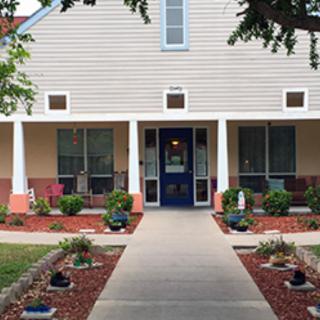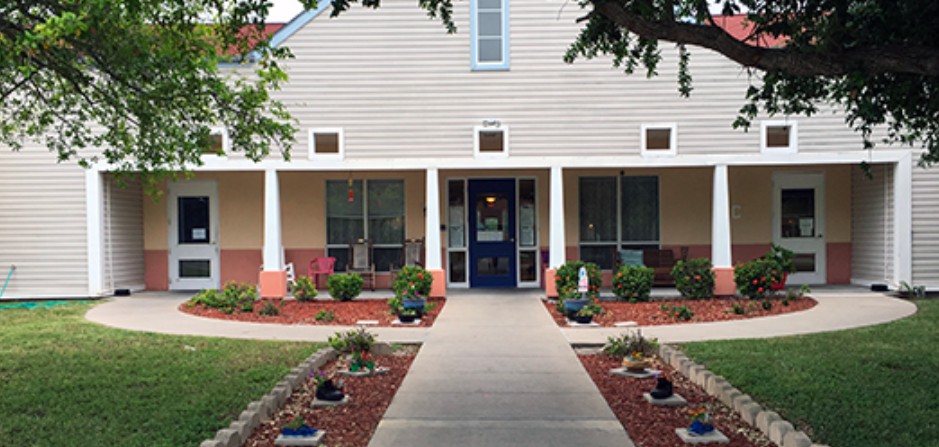
2822 Robby, Corpus Christi, TX 78410
For more information about senior living options: (866) 208-4318
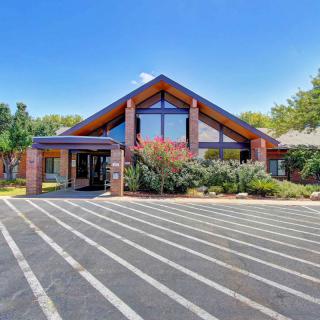
Overall Review of Villa Residential Care Of Corpus Christi Northwest
Pros
 The Villa NW has the best team of caretakers.
- The staff treats residents like family and even like royalty.
- They make it easy for residents to become part of the family and to make friends.
- The facility feels like home and transitions are seamless.
- The staff become very attached to residents and families feel the same love in return.
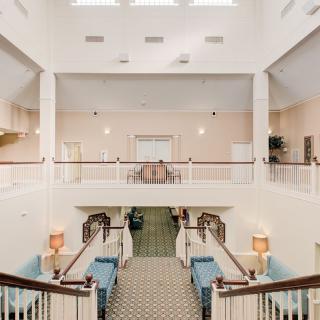
- The place is very clean and stays pleasant.
- Residents and visitors feel welcomed and cared for.
- The attendants treat residents with love, kindness, and respect.
- The staff provide strong support to families during difficult times.
- The staff are helpful, responsive, and keep families informed about health and welfare.
- Residents are happy and living comfortably after moving in.
- The staff are caring, patient, and take time to know each resident.
Cons
 The facility neglected her health, and she passed away a month later.
- They did not call the doctor or send her out despite two weeks of not feeling well.
- They failed her and her family.
- They should really be ashamed of themselves.
- The care has suffered due to staff cuts.
- There was not enough food for everyone, and meals were cut back.
- The staff were unprofessional for failing to notify the family when a relative was taken to the ER and admitted.
Review
Villa Residential Care Of Corpus Christi Northwest is best suited for families seeking a warm, home-like assisted living where staff form real bonds with residents and everyday life feels more personal than clinical. It is particularly well-suited for seniors who respond to a friendly, neighborly environment, where long-tenured caregivers know residents by name, routines feel predictable, and visits feel welcoming. Those prioritizing a strong sense of community and affectionate, everyday support will likely find a lot to value here. By contrast, families needing intensive, hospital-style medical oversight or constant physician-level monitoring should consider alternatives that emphasize on-site nursing and tighter clinical protocols.
The strongest assets lie in the human touch. Reviewers repeatedly describe a staff that acts like family, with caregivers who treat residents with warmth, respect, and patience. The environment is consistently described as clean and homey, with residents forming close relationships with caregivers and with other residents. Visitors report feeling part of a community rather than mere outsiders, and families praise the ease of transitions when moving a loved one in. For residents with dementia or other chronic conditions, the consistent, familiar faces and routines can translate into steadier days, reduced agitation, and a sense of belonging that is hard to replicate in more impersonal settings.
Communication and leadership are frequently highlighted as strengths when operations are running smoothly. Families note that staff members remain approachable, keep loved ones safe, and communicate about health concerns with a level of attentiveness that eases the caretaking burden on families from a distance. In several accounts, the executive team and frontline caregivers are described as dependable and responsive, with staff willing to go the extra mile to support both residents and visiting relatives. The result is a facility where the caregiving culture reinforces trust and a sense that people are cared for in a familiar, respectful way.
Yet the picture is not uniformly positive. The most jarring concerns center on serious gaps in medical responsiveness and communications in a subset of experiences. One family reports a grave outcome tied to alleged neglect and slow medical action, a reminder that even in the best environments, health needs can outpace even strong intentions. Other families recount occasions when care or information did not arrive promptly, notifications about hospital admissions or changes in health status were not always timely, and questions could go unanswered for too long. Staffing fluctuations, including reductions, are described as contributing to moments of strain, with some meals and overall service quality dipping when the team is stretched thin. These notes matter and should not be dismissed.
Given these realities, pros and cons must be weighed with a disciplined plan. The positive, relationship-driven care, home-like setting, and cleanliness can offset many days when routine care goes smoothly, especially for residents who thrive on stability and familial engagement. The reservations, potential gaps in medical escalation, variable staffing levels, and occasional resource constraints, do not negate the value of a caring community; they do, however, demand proactive due diligence. Prospective families should insist on transparent staffing metrics, a clearly defined medical oversight plan, and written expectations for escalation and family communication. A trial period, in which care plans, meals, and activity schedules are observed, can reveal whether the rhythm of the community aligns with a loved one’s needs.
Bottom line: Villa Northwest offers a compelling, life-enriching home atmosphere with caregivers who often become like family. For residents who prize connection, predictable routines, and a visibly caring staff, it can provide meaningful quality of life. For families with significant medical needs or a heightened concern about timely clinical responses, it is essential to verify that the facility can deliver consistent oversight and rapid escalation when health changes occur. In the decision process, prioritize direct conversations with the executive director, insist on recent staffing snapshots, review the care plan structure, and demand clear protocols for hospital or doctor communications. When these safeguards are in place, Villa Northwest is a strong option among Corpus Christi’s assisted living choices.
 80 resident community capacity
 Assisted Living
 Memory Care
 Air-conditioning
 Beauty salon
 Cable or satellite TV
 Computer center
 Dining room
 Fitness room
 Fully furnished
 Gaming room
 Garden
 Housekeeping services
 Kitchenette
 Move-in coordination
 Outdoor space
 Private bathrooms
 Restaurant-style dining
 Small library
 Telephone
 Wellness center
 Wi-Fi/high-speed internet available
 Corpus Christi International (6 miles away)
 Community operated transportation
 12-16 hour nursing
 24-hour call system
 Activities of daily living assistance
 Assistance with bathing
 Assistance with dressing
 Assistance with transfers
 Diabetes diet
 Medication management
 Mental wellness program
 Special dietary restrictions
 Concierge services
 Planned day trips


 Understanding Dementia Through Its Seven Stages: A Comprehensive Look at Progression and Expectations
 Safeguarding Your Memory Through the Golden Years: Eight Ways to Preserve Cognitive Health
 Comprehensive Insights into Activities of Daily Living (ADLs) and Their Assessment