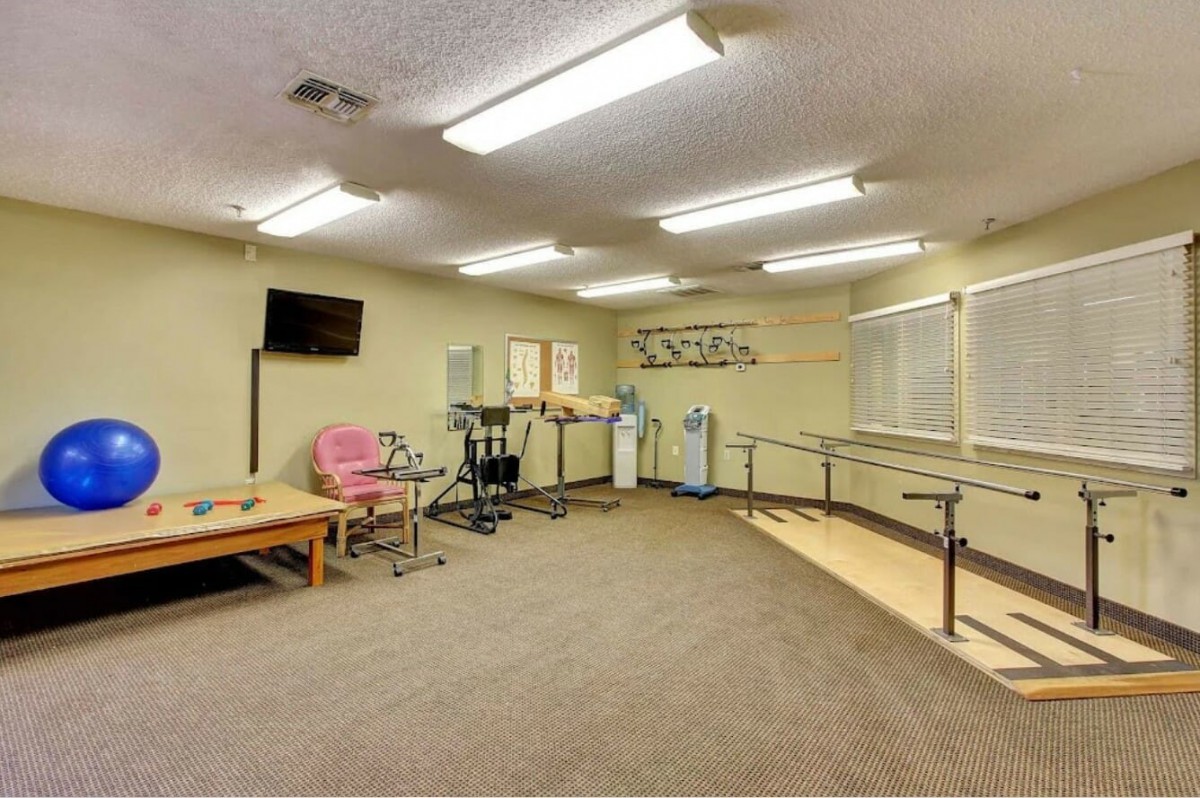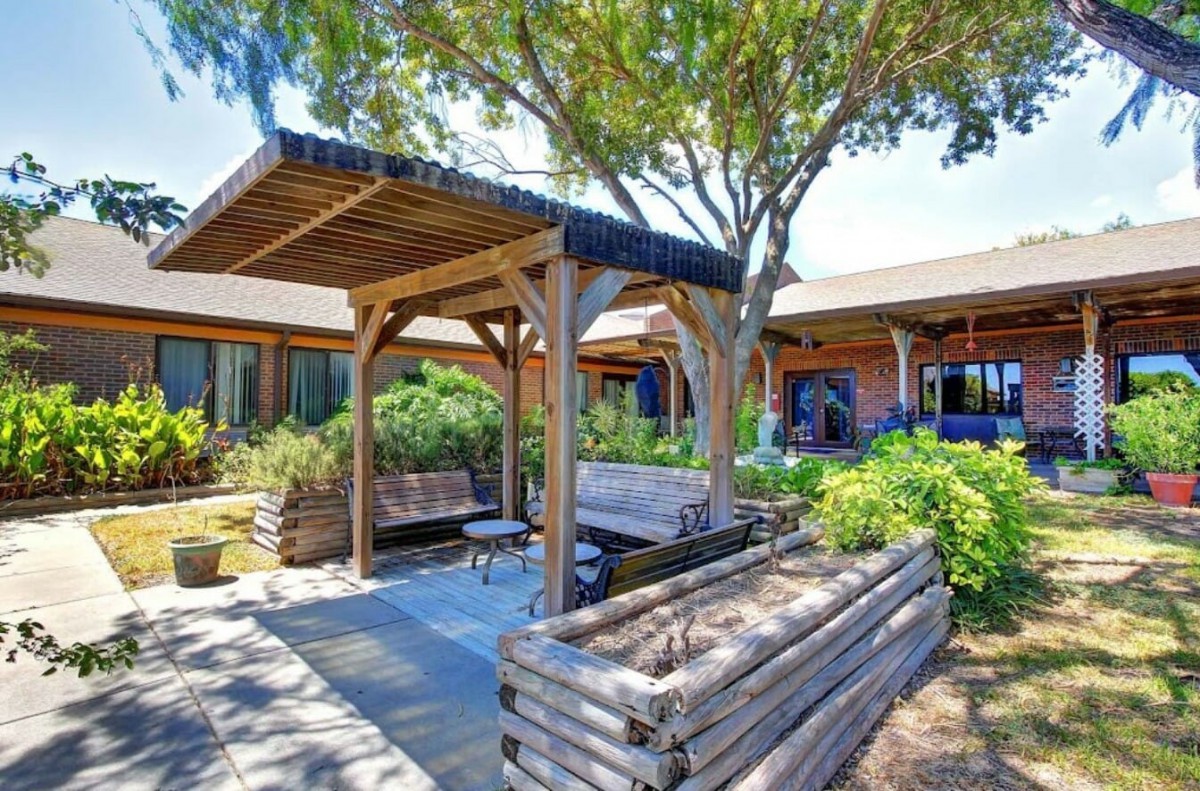
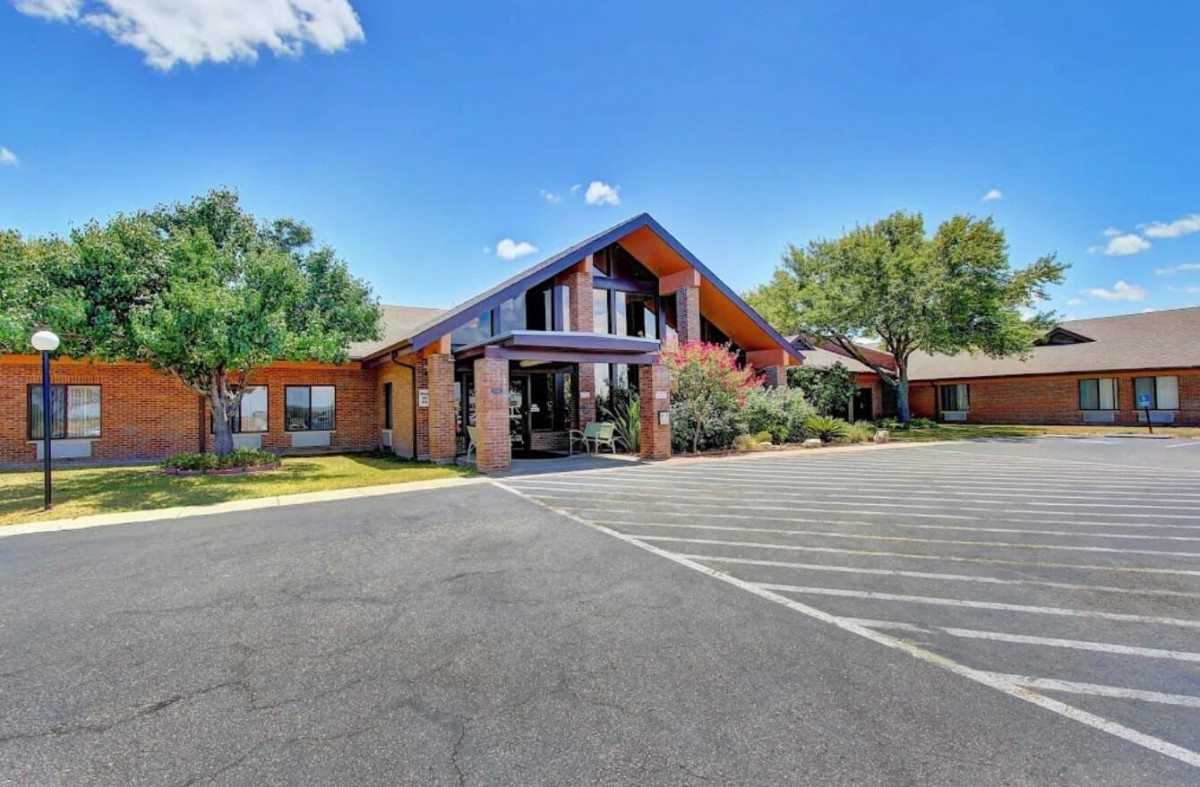
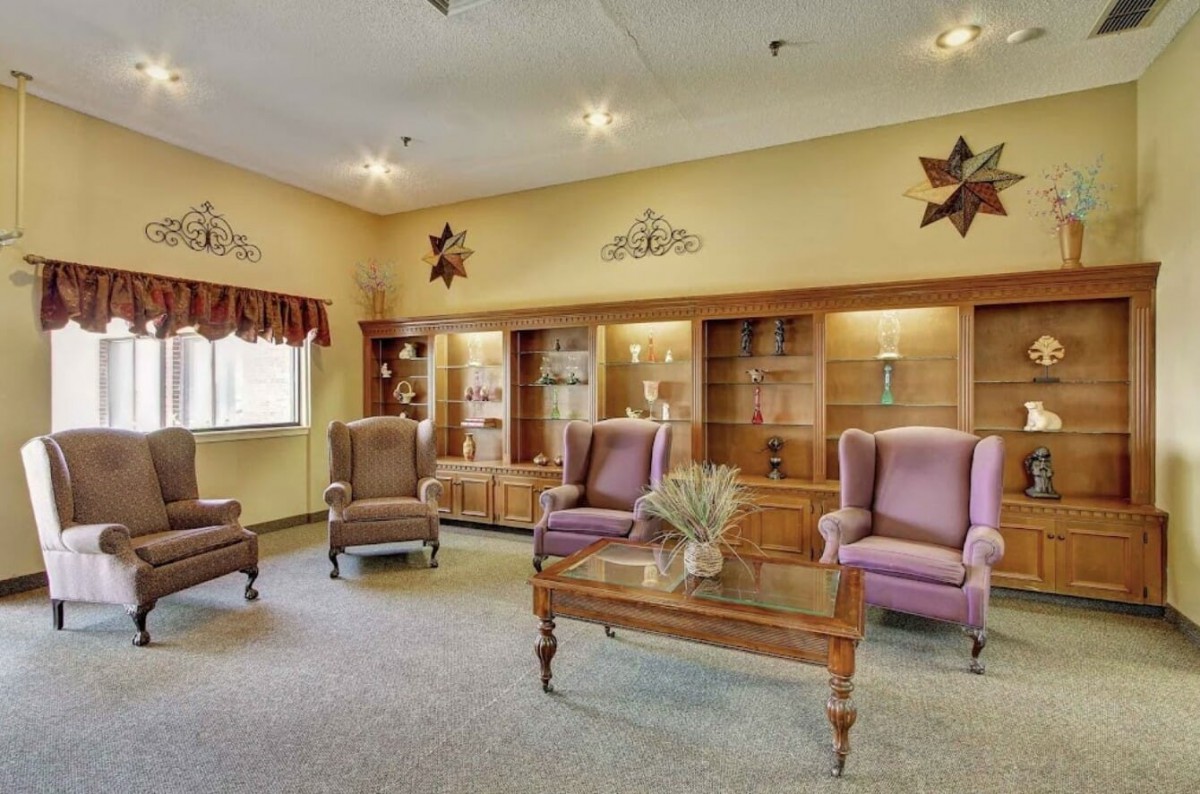
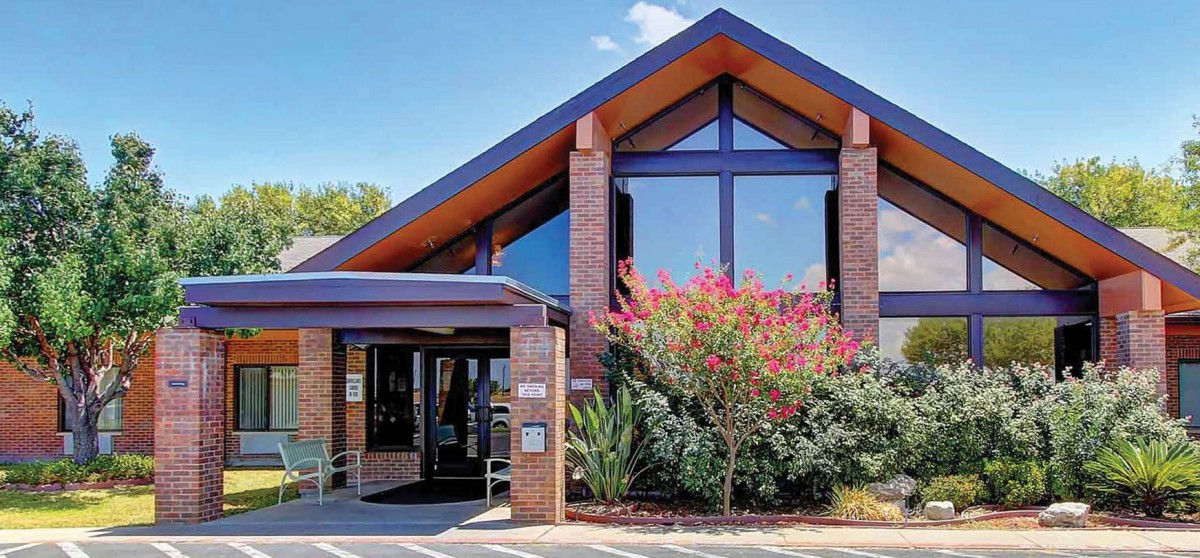





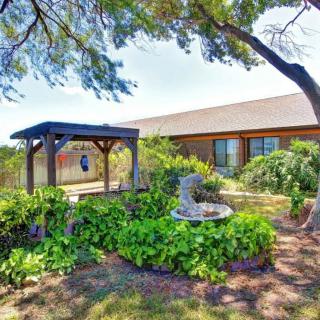

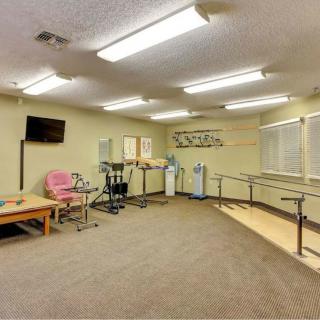
202 Fortune Drive, Corpus Christi, TX 78405
For more information about senior living options: (866) 208-4318
Senior Care Of Corpus Christi Costs & Pricing
Senior Care Of Corpus Christi offers competitive pricing for its studio accommodations, with a monthly cost of $1,790. This is notably lower than the average costs in Nueces County, where similar studio units can reach around $2,792. Additionally, when compared to the broader Texas market, which averages about $3,758 for comparable facilities, Senior Care Of Corpus Christi stands out as an economical choice for families seeking quality care for their loved ones. This pricing not only reflects the community's commitment to providing accessible senior care but also positions it as a valuable option amidst rising costs in both county and state averages.
| Floor plans | Senior Care Of Corpus Christi | Nueces County | Texas |
|---|---|---|---|
| Studio | $1,790 | $2,792 | $3,758 |
Skilled Nursing Facilities with a similar price nearby
-
from +$239 / mo
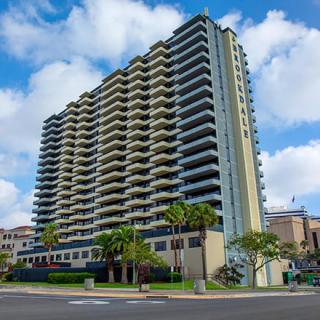
Brookdale Trinity Towers
$2,029 to $2,860 / month4.3 miles away -
About the same
TRISUN Care Center Westwood- Corpus Christi
$1,800 to $3,000 / month2.7 miles away
Overall Review of Senior Care Of Corpus Christi
Pros
 The facility is very welcoming and very clean.
- The care team works with the family on pricing and services, which makes a huge difference.
- The staff are very professional and very knowledgeable, and they put the patients first.
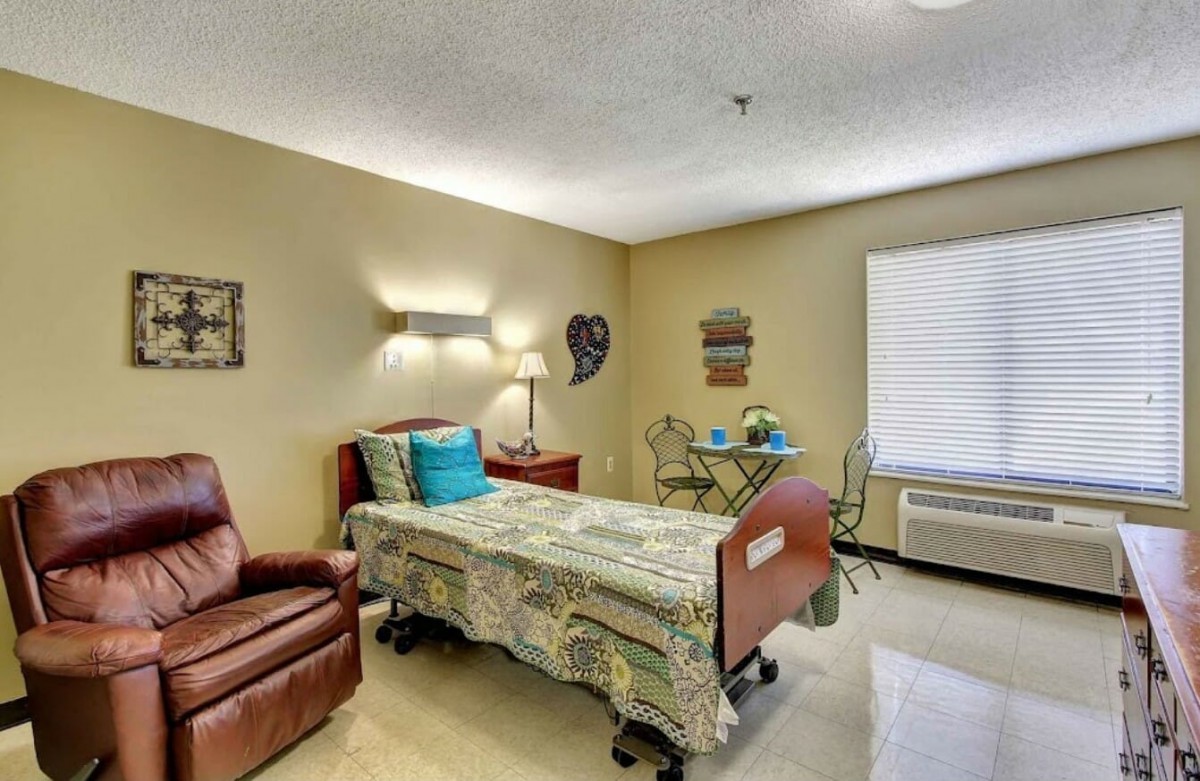
- His room is very nice, very clean, updated, and spacious, and it can be personalized.
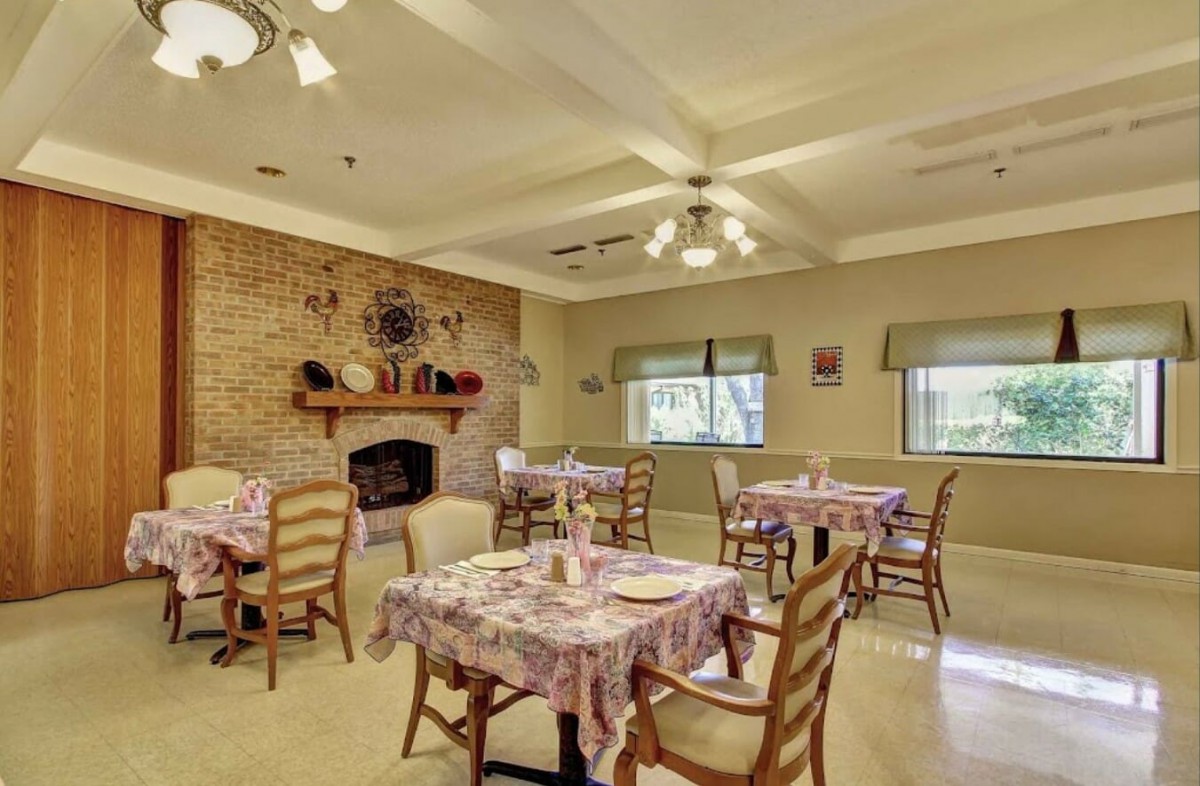
- The menu options are really good, with meals that require no substitutions, and there are many activities and opportunities for socialization.
- All belongings should be labeled with the resident's name and room number.
Review
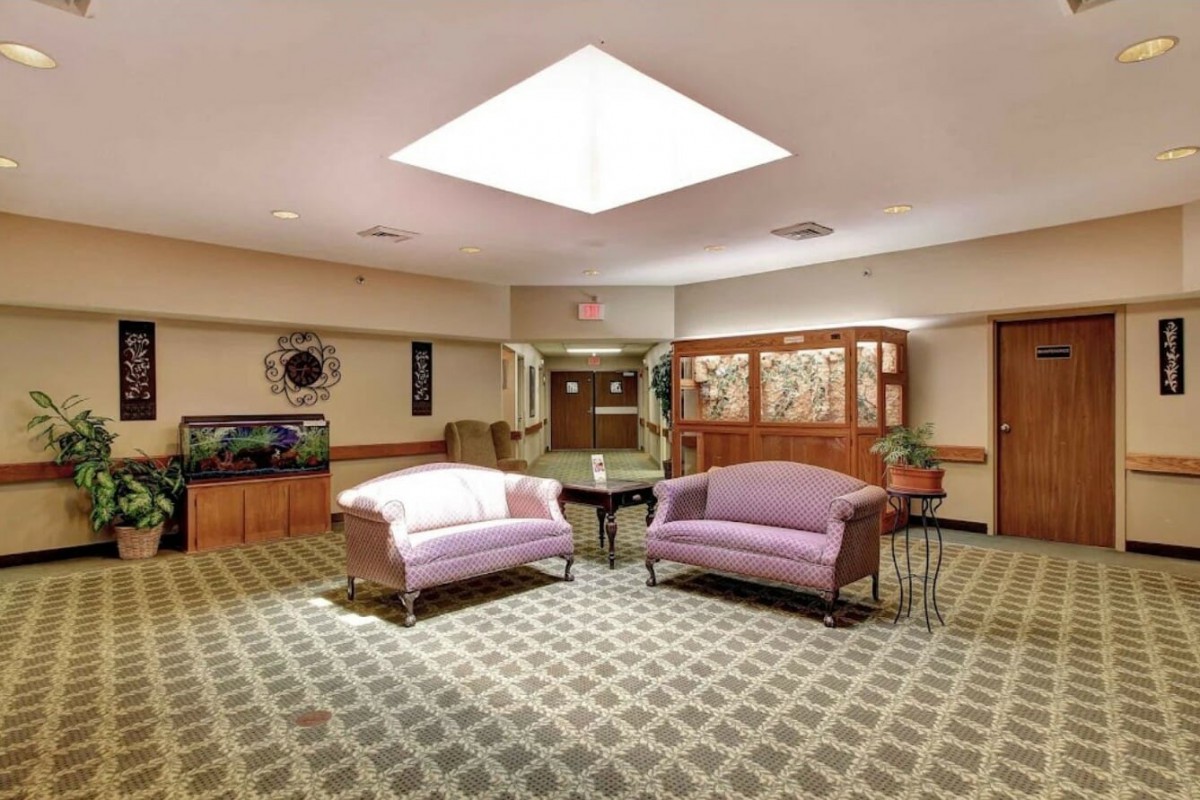
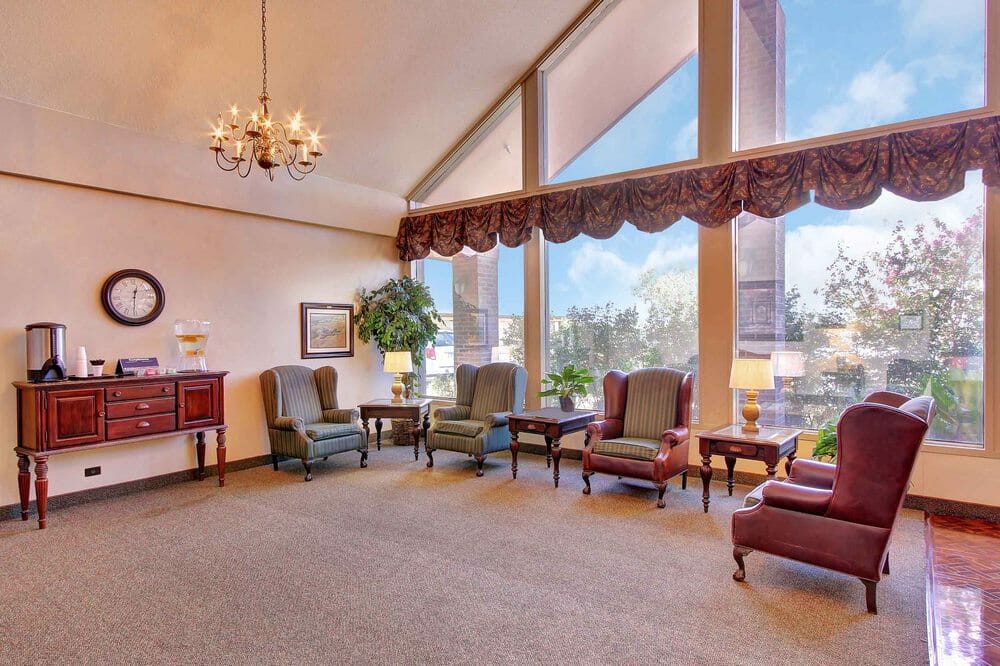
This community is best suited for families seeking a clean, welcoming environment with consistently professional staff and a clear emphasis on safety, personalized care, and social engagement. The Corpus Christi Caraday location described in the reviews comes across as well-kept and reassuring on day-to-day operations: residents are cared for by caregivers who are experienced and attentive, and services are delivered with a patient-first mindset. The living spaces are described as updated, spacious, and easy to personalize, which matters greatly for seniors wanting to preserve a sense of home. For families weighing nutrition and activity levels, the feedback on meals being solid and the menu offering ample social opportunities positions this option as a strong fit for seniors who value tasteful dining and an active day-to-day rhythm.
Those who may want to consider alternatives are typically those with needs beyond the scope of what a short-term or moderately active setting can sustain. The reviews note a week-long stay, which, while positive, does not establish a long-term performance record. Price sensitivity is clearly a factor, but the facility’s ability to negotiate pricing and tailor services is a plus, families that require stricter long-term pricing guarantees or a highly specialized care track may want to compare with other communities that offer more rigid pricing structures or deeper memory-care programming. In short, memory-care specialization, proven long-term outcomes, or a more fixed budget framework are legitimate reasons to look elsewhere.
The strongest pros, safe, professional care; a facility that feels well maintained; and a staff that prioritizes residents, offset potential uncertainties from the limited tenure of the visit. The size of the community appears to support meaningful staff-resident interactions without sacrificing responsiveness, and the emphasis on putting patients first translates into practical benefits like transparent pricing discussions and flexibility on services. While no explicit shortcomings are highlighted in the available feedback, the absence of long-run data means decision-makers should still ask prospective communities for concrete metrics: staff turnover, incident history, and consistency of service delivery over six months to a year.
A practical edge is the ability to customize living spaces and the breadth of social and enrichment options. The room in the review is described as nice, clean, updated, and spacious enough for personalization, a detail families know matters when reducing the anxiety of transition. Coupled with a dining program that offers multiple menu options, with the resident reporting satisfaction and no need for substitutions, this environment supports both dignity and daily enjoyment. The presence of abundant activities and socialization further strengthens the case for families prioritizing engagement and community connection as central metrics of quality.
From a decision-management perspective, practical steps are clear. Families should label belongings with name and room number to prevent mix-ups in a busy community, this admission reflects common-sense operational guidance that can reduce friction during move-in. Prospective residents should also verify what is included in the base rate versus add-ons, and seek clarity on what services can be scaled up or down as needs evolve. Given the reviewed experience, asking for a trial period or short-term engagement can help confirm fit before a longer commitment, especially when pricing and service customization play a pivotal role.
In sum, Senior Care Of Corpus Christi’s Caraday location presents a compelling option for seniors who value a safe, well-kept setting with professional, resident-first staff, generous opportunities for socialization, and the flexibility to tailor room spaces and services. It stands out for families seeking a balanced combination of strong day-to-day care, solid nutrition, and an active community life. Those pursuing highly specialized memory-care programs, or requiring rigid, long-term price guarantees, should compare with other providers to ensure alignment with specific care trajectories and budgetary expectations. For most families, this community is a practical, experienced choice worth serious consideration.
 66 resident community capacity
 Studio apartments
 Assisted Living
 Skilled Nursing Facility
 Activities on-site
 Air-conditioning
 Beautician on-site
 Cable or satellite TV
 Cafe
Cafe Computer center
 Devotional services off-site
 Dining room
 Fitness room
 Fully furnished
 Gaming room
 Garden
 Guest parking
 Housekeeping services
 Indoor common areas
 Kitchenette
 Laundry
 Move-in coordination
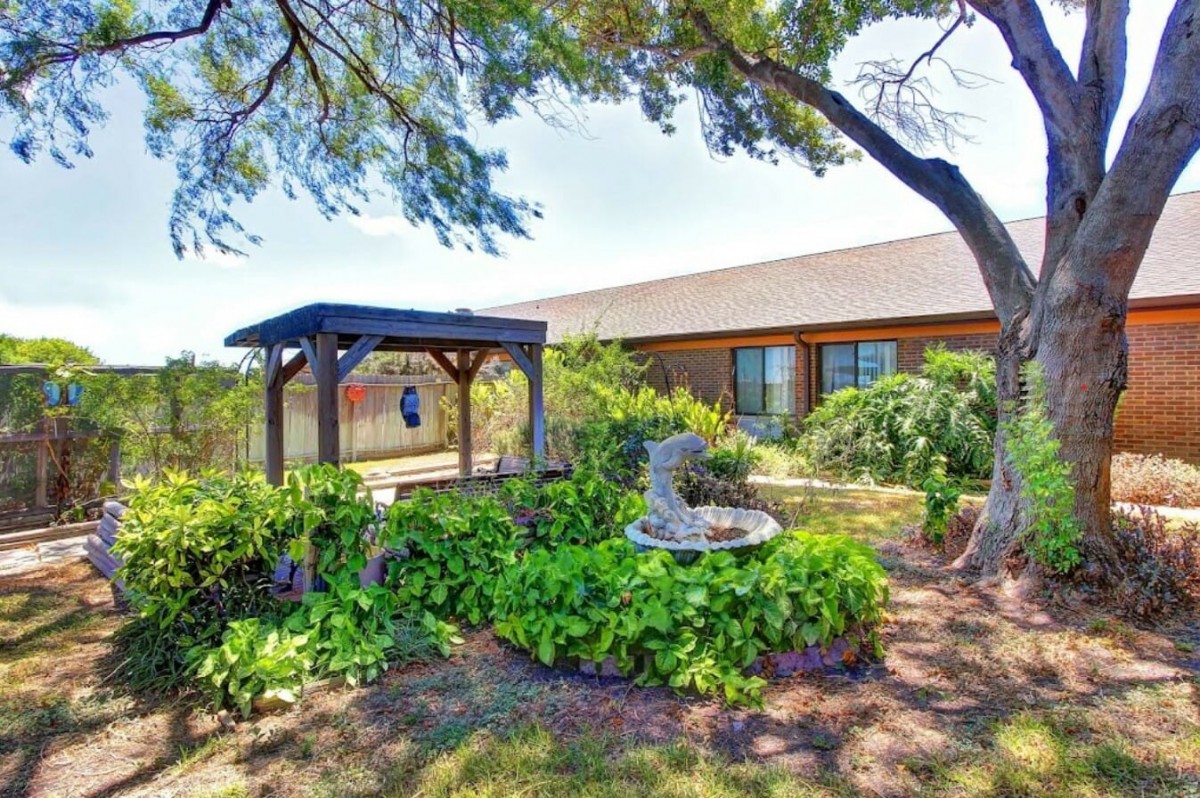
 Outdoor space
 Party space
 Private bathrooms
 Restaurant-style dining
 Small library
 Spa
Spa Telephone
 Wi-Fi/high-speed internet available
 Corpus Christi International (3 miles away)
 Community operated transportation
 12-16 hour nursing
 24-hour call system
 Ambulatory care
 Assistance with bathing
 Assistance with dressing
 Assistance with transfers
 Diabetes diet
 Diabetic care
 Medication management
 Mental wellness program
 Personal care assistants
 Special dietary restrictions
 Arts and crafts
 Concierge services
 Games
Games Live musical performances
 Planned day trips
 Stories
 English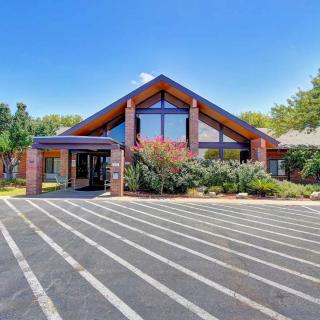

 Vibrant Senior Living: A Comprehensive Guide for Active Older Adults
 When to Transition from Assisted Living to Memory Care: Key Indicators, Steps, and Finding the Right Community
 Assisted Living and Memory Care: Understanding Their Core Differences