At Mirador, the monthly costs for housing reflect a competitive pricing structure compared to both Nueces County and the broader state of Texas. For a one-bedroom unit, residents can expect to pay $2,807, which is notably lower than the county average of $3,084 and significantly more affordable than the state average of $3,761. Similarly, the two-bedroom units at Mirador are priced at $3,596, again undercutting both Nueces County's rate of $3,664 and Texas's average of $4,215. This positioning not only highlights Mirador as an attractive option for potential residents but also underscores its commitment to providing quality living arrangements at a reasonable cost within the market.
Floor plans
Mirador
Nueces County
Texas
1 Bedroom
$2,807
$3,084
$3,761
2 Bedrooms
$3,596
$3,664
$4,215
Assisted Living communities with a similar price nearby
Residents describe being able to move between care levels without leaving the community.
Many reviewers mention Mirador as a place where care needs can change over time, including shifts between independent living, assisted living, memory care, and skilled nursing. Several say their family members started with rehabilitation or skilled nursing and then transitioned to another level within the same community. One reviewer also specifically points to the idea of age in place at Mirador, while another highlights that the community is set up for multiple care levels rather than just one.
common8 reviews mention this
Dining is a frequent focus
Dining quality comes up often, with many families describing meals as strong.
Dining is a recurring point in the reviews: multiple residents and families describe good, well-prepared meals and mention tailoring food to dietary needs. Others highlight enjoying dinner experiences and the variety available to independent-living residents. A smaller number of reviewers raise concerns about flavor or satisfaction with the food, showing this is not universally experienced the same way.
common13 reviews mention this
Staff are often described as helpful
Staff responsiveness and kindness are commonly mentioned by families and residents.
A consistent theme in the positive reviews is that residents feel supported by staff—described as helpful, caring, responsive, and attentive to requests. Several reviewers connect this to day-to-day experiences like help with needs, therapy support, and ongoing communication during recovery. At the same time, a few reviewers report negative experiences tied to staff behavior, delays in assistance, or concerns about how care was handled, so expectations appear to vary by situation.
caveat4 reviews mention this
Costs feel high for some
Pricing is a concern for some families even when other parts of the experience are praised.
Several reviews call Mirador expensive, including one that criticizes the overall affordability of the move-in or monthly cost. Another reviewer says it is very expensive, even while still describing the community as very nice. The pricing theme also appears alongside questions about deals and what is included, indicating that cost matters in how families evaluate the fit.
How we summarize
Counts show how many written reviews mention each theme; a review can touch several themes, and only frequently mentioned themes are displayed.
Features
Housing
66 resident community capacity
1-bedroom apartments
2-bedroom apartments
Types of Care
Assisted Living
Continuing Care Retirement Community (CCRC)
Independent Living
Memory Care
Respite Care
Skilled Nursing Facility
Pets
Cats allowed
Dogs allowed
Amenities
Activities on-site
Air-conditioning
Beautician on-site
Beauty salon
Cable or satellite TV
Cafe
Computer center
Devotional services on-site
Dining room
Financing advice
Fitness room
Full kitchen
Fully furnished
Gaming room
Garden
Guasts at mealtime
Guest parking
Home sale assistance
Housekeeping services
Indoor common areas
Kitchenette
Laundry
Move-in coordination
Outdoor common areas
Outdoor space
Private bathrooms
Respite or short term stays offered
Restaurant-style dining
Small library
Spa
Swimming pool
Swimming pool / hot tub
TV room
Telephone
VA Benefits Consultation
Wellness center
Wheelchair accessible showers
Wi-Fi/high-speed internet available
Transportation
Corpus Christi International (10 miles away)
Community operated transportation
Transportation & parking
Transportation arrangement
Transportation arrangement (non-medical)
Care Services
24-hour call system
24-hour supervision
Activities of daily living assistance
Ambulatory care
Assistance with bathing
Assistance with dressing
Assistance with transfers
Diabetes diet
Diabetic care
High acuity care
Incontinence care
Meal preparation and service
Medication management
Physical therapy
Special dietary restrictions
Dining
Diabetes diet
Kosher
Meals provided
Special dietary restrictions
Vegetarian
Activities
Activities off-site
Activities on-site
Arts and crafts
Book club
Community-sponsored activities
Concierge services
Cooking club
Devotional activities on-site
Educational speakers / life long learning
Fitness programs
Games
Gardening club
Live musical performances
Planned day trips
Religious services
Resident-run activities
Scheduled daily activities
Stories
Tai Chi
Wii bowling
Yoga / chair yoga
Languages Spoken
English
Nearby Places of Interest
This area of Corpus Christi, Texas offers a variety of amenities within close proximity for seniors looking to settle down. There are several dining options nearby such as Ara's Seafood & Steaks, Atomic Omlette and Grill, and Chick-Fil-A. Several physicians and urgent care facilities are also conveniently located, including Oso Urgent Care & Family Medicine and Allergy Partners of Corpus Christi. Pharmacy services can be easily accessed at Walmart Pharmacy and Walgreens. Places of worship like St Philip The Apostle Catholic Church provide spiritual support. For entertainment, seniors can enjoy cafes like Starbucks or catch a movie at Alamo Drafthouse Corpus Christi or Century 16 XD and IMAX theaters. In case of medical emergencies, hospitals like FMC Saratoga and Padre Behavioral Hospital are within reach. Overall, this area offers a blend of convenience and comfort for senior living.
Restaurants
Ara's Seafood & Steaks (0.3 miles)
Atomic Omlette and Grill (0.4 miles)
Cruzy's (0.4 miles)
Chick-Fil-A (0.6 miles)
Chicken Express (0.6 miles)
Luby's (0.7 miles)
Whataburger (0.8 miles)
Physicians
Kid's Clinic (0.5 miles)
Allergy Partners of Corpus Christi (0.5 miles)
Oso Urgent Care & Family Medicine (0.5 miles)
Dr. Glen R. Miller (0.5 miles)
Paul A Reder (0.6 miles)
Robert E. Caro (0.6 miles)
Gary Kao, MD - Interventional Pain Management (0.6 miles)
At Mirador, the monthly costs for housing reflect a competitive pricing structure compared to both Nueces County and the broader state of Texas. For a one-bedroom unit, residents can expect to pay $2,807, which is notably lower than the county average of $3,084 and significantly more affordable than the state average of $3,761. Similarly, the two-bedroom units at Mirador are priced at $3,596, again undercutting both Nueces County's rate of $3,664 and Texas's average of $4,215. This positioning not only highlights Mirador as an attractive option for potential residents but also underscores its commitment to providing quality living arrangements at a reasonable cost within the market.
The features offered by Mirador, such as 24-hour supervision, are essential for ensuring residents receive continuous support and a safe environment tailored to their unique needs. Assistance with activities of daily living, including bathing, dressing, and transfers, promotes independence while also addressing the challenges that individuals with dementia or Alzheimer's may face in these areas. Incontinence care is sensitively handled to maintain dignity and comfort, while meal preparation and service ensure that residents receive nutritious meals suited to their preferences and dietary requirements. Medication management helps to prevent complications associated with missed doses or incorrect medications, which is crucial for maintaining overall health. Additionally, physical therapy supports mobility and physical well-being, allowing residents to engage more fully in their daily lives. Collectively, these services create a comprehensive support system that fosters both safety and quality of life for individuals navigating memory-related challenges.
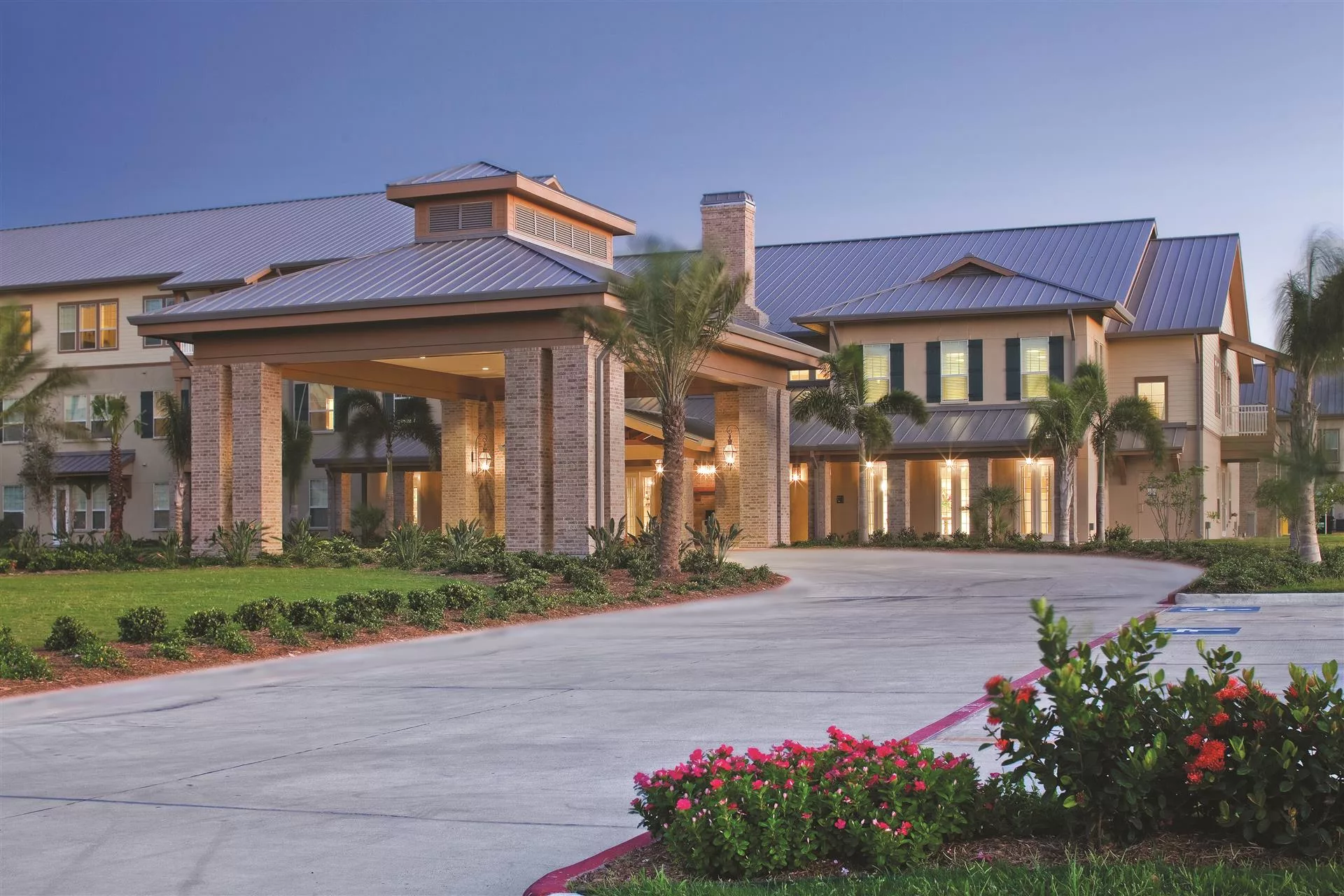
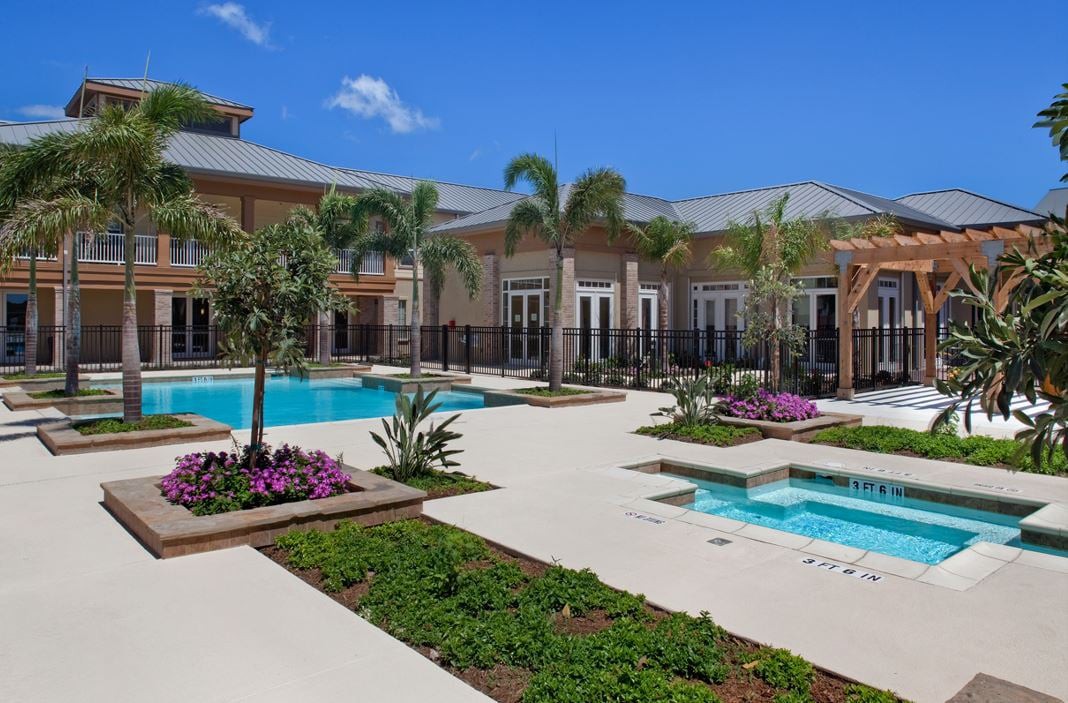
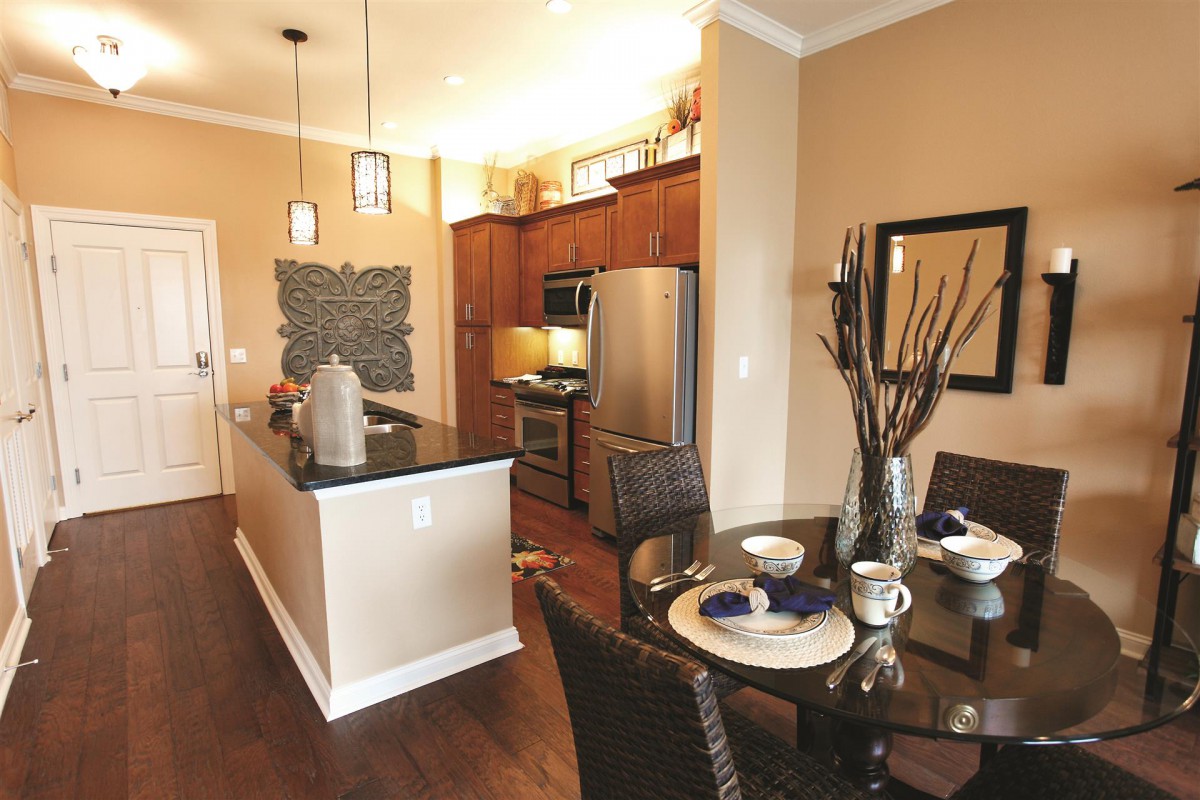
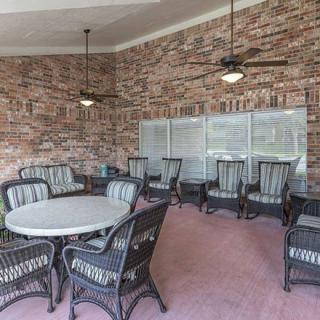
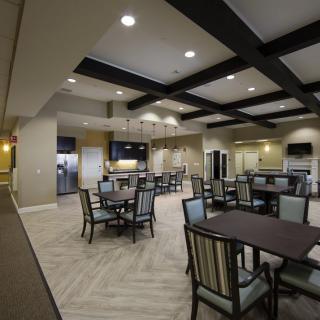
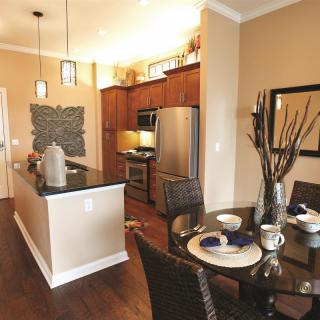
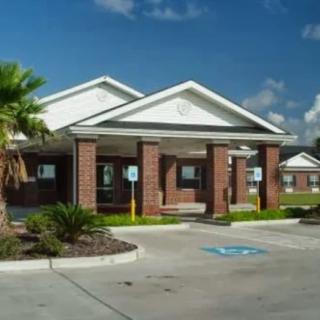
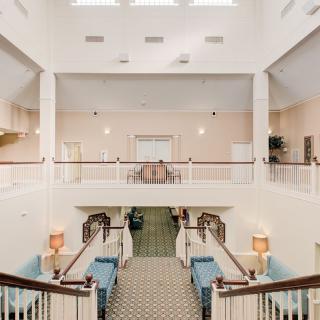
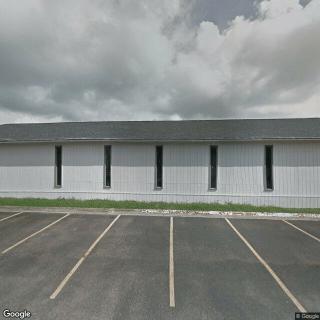
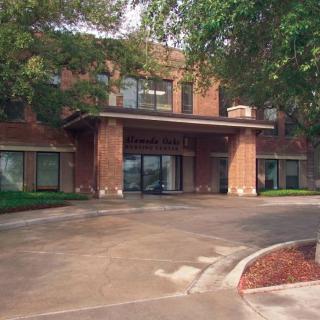
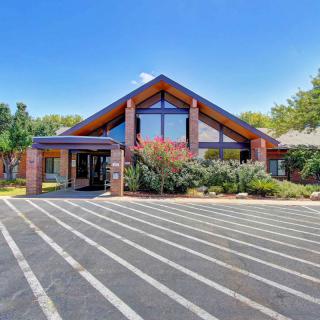
Mirador on seniors.fyi includes 5 photos including images showing landscaping, entrance, palm trees, building, architecture, lights, flag, swimming pool, and more.
Nearby Communities
Solstice Senior Living at Corpus Christi
Corpus Christi, TX
4.4 from 180 reviews
$1,695 to $2,995 / month
Friendly staff, engaging activities, and affordable pricing.
Harbor Place
Corpus Christi, TX
$2,150 to $4,068 / month
Competitive pricing with multiple unit options and extensive nearby amenities (healthcare, dining, transport).
Elan Corpus Christi
Corpus Christi, TX
4.7 from 83 reviews
Memory-care focused with 24/7 supervision and comprehensive services.
Cimarron Place Health & Rehabilitation Center
Corpus Christi, TX
3.7 from 124 reviews
Clean, secure environment with attentive staff and strong therapy.
The Waterford At Corpus Christi
Corpus Christi, TX
4.7 from 92 reviews
$2,525 to $3,515 / month
Professional, caring staff; welcoming environment and engaging activities.
Garden Estates of Corpus Christi
Corpus Christi, TX
4.3 from 135 reviews
$2,295 to $3,495 / month
Caring staff with good communication in a warm, boutique-like setting.
Casa De Oro Apartments
Corpus Christi, TX
3.4 from 47 reviews
Clean, well-maintained building with friendly staff.
Alameda Oaks Nursing Center
Corpus Christi, TX
4.2 from 77 reviews
Home-like environment with caring staff and engaging activities.
Caraday of Corpus Christi
Corpus Christi, TX
$2,250 to $4,000 / month
Competitive studio pricing with extensive amenities.
Dementia, influenced by aging and certain medications, may be exacerbated by drug classes such as anticholinergics, benzodiazepines, and antipsychotics, which are associated with cognitive impairment. Regular medication reviews by healthcare professionals are crucial for older adults to manage risks and optimize cognitive health.
Dementia often results in disrupted sleep patterns, leading to excessive daytime sleeping due to factors like brain damage affecting circadian rhythms, medication side effects, and lack of structure in daily activities. Caregivers must monitor these changes closely, as oversleeping can increase risks such as malnutrition or dehydration, and provide necessary support and routines to enhance patient engagement and well-being.
The transition from assisted living to skilled nursing care is often prompted by complex medical needs that assisted living cannot meet, with key indicators including frequent health declines, increased falls, severe memory issues, and caregiver burnout. Families should recognize these signs early to discuss options with healthcare providers and prepare for the emotional and logistical aspects of moving to a facility that offers comprehensive medical support.
Get PricingAsk A QuestionSchedule A TourContact Senior Advisor
By clicking submit, you agree to our Partner's Terms of Use. You
also consent to receive calls and texts, which may be autodialed, from our Partner. Your consent is not a condition to
using our Partner's service. Please visit our Partner's Privacy Policy for information about their privacy practices.






 66 resident community capacity
 1-bedroom apartments
 Assisted Living
 Continuing Care Retirement Community (CCRC)
 Independent Living
 Memory Care
 Respite Care
 Skilled Nursing Facility
 Cats allowed
 Dogs allowed
 Activities on-site
 Air-conditioning
 Beautician on-site
 Cable or satellite TV
 Cafe
Cafe Computer center
 Devotional services on-site
 Dining room
 Financing advice
 Fitness room
 Full kitchen
 Fully furnished
 Gaming room
 Garden
 Guest parking
 Housekeeping services
 Indoor common areas
 Laundry
 Move-in coordination
 Outdoor common areas
 Private bathrooms
 Restaurant-style dining
 Small library
 Spa
Spa Swimming pool
 Telephone
 Wheelchair accessible showers
 Wi-Fi/high-speed internet available
 Corpus Christi International (10 miles away)
 Community operated transportation
 24-hour call system
 Ambulatory care
 Assistance with bathing
 Assistance with dressing
 Assistance with transfers
 Diabetes diet
 Diabetic care
 High acuity care
 Incontinence care
 Medication management
 Physical therapy
 Special dietary restrictions
 Arts and crafts
 Book club
 Concierge services
 Cooking club
 Educational speakers / life long learning
 Games
Games Live musical performances
 Planned day trips
 Wii bowling
 English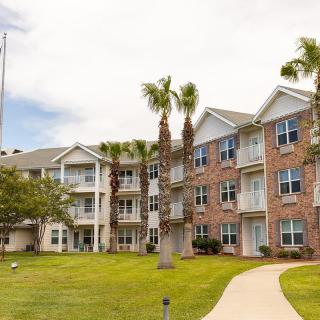
 Friendly staff, engaging activities, and affordable pricing.

 A Thorough Discussion of Medications Potentially Linked to Dementia Risk
 Why Do Dementia Patients Sleep So Much? Understanding Oversleeping, Stages, and Care Approaches
 8 Key Indicators That Suggest It May Be Time to Transition from Assisted Living to Skilled Nursing Care