Overall Review of Home Instead Senior Care - Conroe, TX
common
4 reviews mention this
Caregivers anticipate daily needs
Residents describe caregivers who quickly take over routines without needing constant direction.
Several reviewers say their caregiver learns the day-to-day routine and handles tasks without reminders. Others mention caregivers being step ahead—doing what needs to be done and even thinking through requests before they come up. A few reviews also highlight communication and engagement that helps make the home feel easier to manage.
common
5 reviews mention this
Help with appointments and transport
Care support includes getting residents to appointments and handling transportation needs.
Multiple families describe caregivers taking people to medical appointments and helping coordinate getting there. Reviewers also mention driving support for doctor visits and assisting with outings like shopping. In at least one case, transport help is paired with caregivers who provide updates back to family after the appointment.
common
6 reviews mention this
Office support and caregiver matching
Families describe strong communication from the office and careful caregiver placement.
Reviewers repeatedly mention that the office is responsive, helpful, and professional while arranging care. Several describe how they received assistance finding a good caregiver match and how changes to schedules were handled. Others highlight frequent or timely communication, including after shifts or around complex needs.
differentiator
2 reviews mention this
Hospice and short-term 24-hour help
Residents report support during hospice and short-term needs that include 24-hour coverage.
Two reviews describe care during a hospice period, with caregivers supporting daily needs as the situation changes. Another reviewer describes starting with 24-hour coverage for a short period after a hospitalization and then reducing hours once the person could move more independently.
How we summarize
Counts show how many written reviews mention each theme; a review can touch several themes, and only frequently mentioned themes are displayed.
Nearby Places of Interest
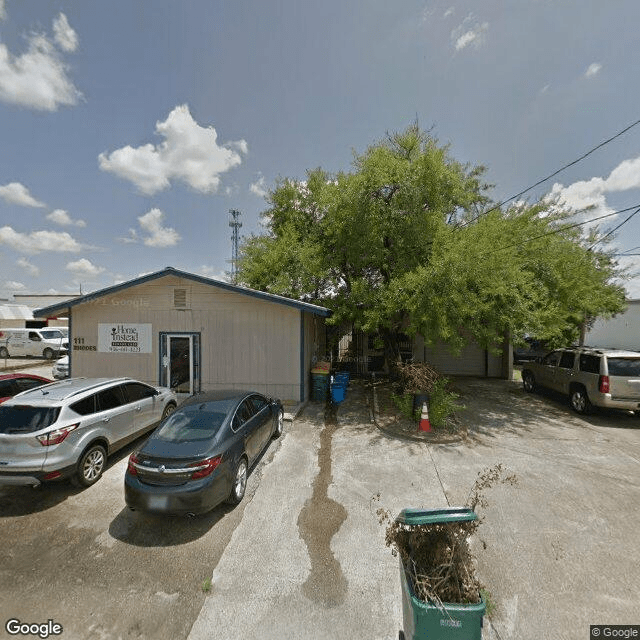
This part of Conroe, Texas, offers a convenient location with easy access to various healthcare facilities such as physicians' offices, hospitals, and pharmacies within close proximity. The area also provides a range of dining options including fast-food chains like Chick-Fil-A and Whataburger, as well as sit-down restaurants like Torchys Tacos and Pacific Yard House. Additionally, there are cafes like Summer Moon Coffee for a relaxed environment to enjoy a cup of coffee. For outdoor activities, there are several parks nearby such as Jacob's Reserve Park and W G Jones State Forest for leisurely walks or picnics. Overall, this area is well-equipped with essential amenities and services making it a suitable choice for senior living.
Physicians
- Medical Plus (0 miles)
- Center for Orthopaedics & Sports Medicine (0.3 miles)
- Primary Care Specialists (0.4 miles)
- Herrin Pediatric Clinic (0.4 miles)
- Jafri Abbas MD (0.4 miles)
- Conroe Pediatric Associates (0.4 miles)
- Retina and Vitreous of Texas (0.4 miles)
Hospitals
- Conroe Surgery Center (0.3 miles)
- Pulmonary Critical Care & Sleep Associates (0.5 miles)
- Solara Rehab (0.5 miles)
- Pre Admission Testing Conroe Regional Medical Center (0.6 miles)
- Montgomery County Mental Health Treatment Facility (3.7 miles)
- Texas Children's Hospital Maternal Fetal Medicine (5.4 miles)
- Aquino Vincent MD - St Luke's the Woodlands Hospital (5.4 miles)
Pharmacies
- Village Pharmacy (0.4 miles)
- Health Mart Pharmacy (0.4 miles)
- Roberds Pharmacy (0.5 miles)
- Walgreens (2 miles)
- CVS Pharmacy (2.2 miles)
- H-E-B Pharmacy (3.6 miles)
- CVS Pharmacy (3.6 miles)
Restaurants
- Torchy’S Tacos (0.6 miles)
- Chick-Fil-A (0.7 miles)
- Whataburger (0.7 miles)
- Pacific Yard House (1.8 miles)
- McDonald's (2.1 miles)
- Chick-Fil-A (2.4 miles)
- Luby's (2.6 miles)
Cafes
- Summer Moon Coffee (0.7 miles)
- Toasted Yolk Cafe (2.7 miles)
- 105 Cafe (2.9 miles)
- Starbucks (3.6 miles)
- Panera Bread (5.4 miles)
Places of Worship
- Sacred Heart Catholic Church (1.7 miles)
Parks
- Jacob's Reserve Park (3.4 miles)
- W G Jones State Forest (3.7 miles)
- Lions Park (4.4 miles)
- McDade Park (4.7 miles)
- Gene Campbell Sports Complex (5 miles)
Transportation
- Conroe-North Houston Regional Airport (CXO) (5 miles)

 George Bush Intercontinental (22 miles away)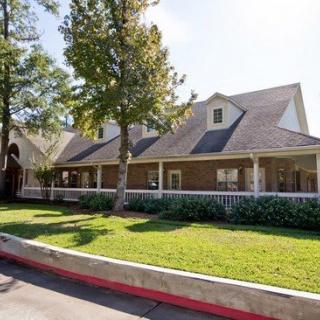
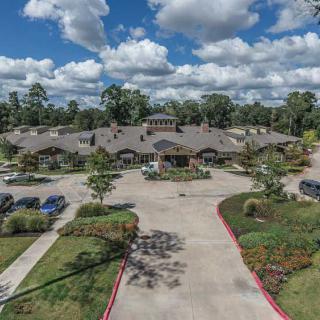
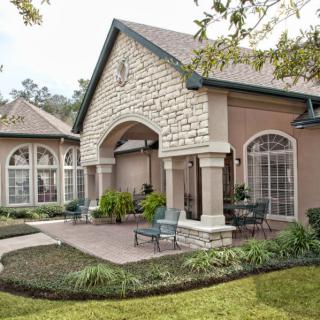
 Friendly, dedicated staff in a clean, cozy environment.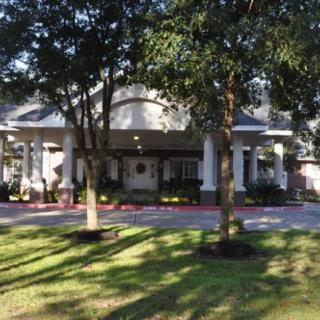


 Fecal Incontinence in Older Adults: A Comprehensive Guide
 Recognizing the Journey: Understanding and Navigating Anticipatory Grief
 Encouraging Participation in Adult Day Care: A Guide to Supporting a Hesitant Parent