
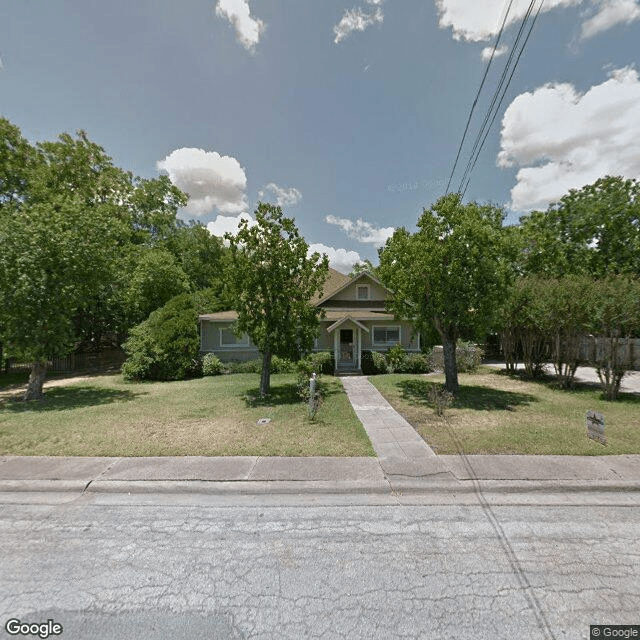
318 S Masonic St, Bellville, TX 77418
To contact a resident: (713) 725-4913
For more information about senior living options: (866) 208-4318
Rose Hill Assisted Living Costs & Pricing
Rose Hill Assisted Living offers competitive monthly rates for both semi-private and private accommodations when compared to broader local and state averages. At $2,950 for a semi-private room, the cost aligns perfectly with the average in Austin County, which suggests a strong value for residents seeking care in a supportive environment. For those opting for a private room, Rose Hill's rate of $3,450 is notably less than the Texas state average of $4,096, further highlighting the facility's commitment to affordability without compromising quality. This thoughtful pricing strategy positions Rose Hill as an appealing choice for families considering assisted living options in the area.
| Floor plans | Rose Hill Assisted Living | Austin County | Texas |
|---|---|---|---|
| Semi-Private | $2,950 | $2,950 | $3,680 |
| Private | $3,450 | $3,450 | $4,096 |
Senior living communities with a similar price nearby
-
About the same
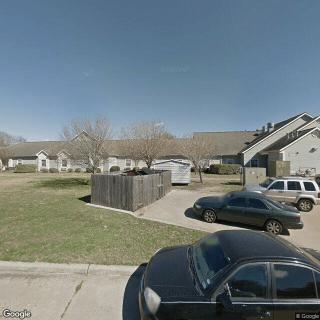
Argent Court Brenham
$3,000 to $3,650 / month15.0 miles away -
from -$230 / mo
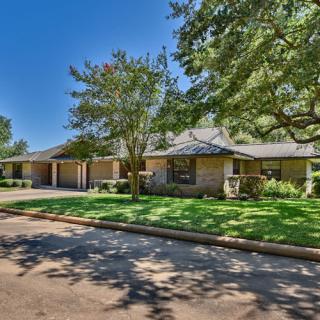
Kruse Village
$2,720 to $4,088 / month15.8 miles away -
from +$90 / mo
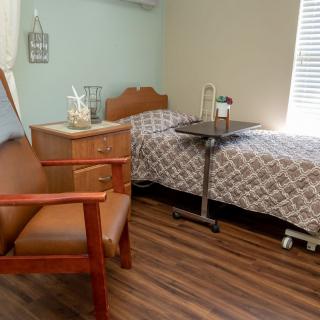
Columbus Oaks Healthcare Community
$3,040 to $9,700 / month23.0 miles away
Overall Review of Rose Hill Assisted Living
Cons
 They doubt the accuracy of Rose Hill's statements about how Medicaid works in their state.
- They warn others that what was stated may not be true.
- They feel the virtual tour with Rose Hill did not provide reliable information.
- They suggest others double-check Medicaid details elsewhere rather than trusting Rose Hill.
Review
Rose Hill Assisted Living in Bellville, TX is best suited for families seeking an affordable, Medicaid-facing option where daily living support matters more than upscale amenities. The community appears most appropriate for seniors who can operate within a fixed budget and are willing to navigate the Medicaid landscape rather than demand a premium care environment. In practical terms, Rose Hill offers a pathway to care without financial bloat, but that path hinges on getting clear, written confirmations about how funding actually works in Texas. For families prioritizing straightforward, budget-conscious placement over a polished presentation, this community warrants careful evaluation rather than a cursory glance.
Those who should consider alternatives are families that require absolute transparency and consistency around Medicaid terms. The sole available review notes that what is stated about Medicaid may not always be true, a warning sign for anyone juggling long-term costs and eligibility rules. If a resident needs higher acuity medical oversight, specialized memory care, or a track record of clearly communicated policies, nearby communities with more extensive comparative data likely offer more dependable reassurance. In short, Rose Hill may fit a restrictive budget, but it should not be the only option explored when predictability and trust in financial terms are non-negotiable.
The potential upside of Rose Hill, that it will accommodate a virtual tour and engage families remotely, is a meaningful practical advantage. A virtual tour lowers the barrier for scrutiny and helps families begin discussions without travel, which is valuable for those coordinating from out of town. However, this convenience does not erase the core concern raised by the review: inconsistent or uncertain Medicaid information. The most significant pro (accessibility and initial impressions) is insufficient to offset the primary con (unreliable or unclear funding details). Decisions rooted in incomplete fiscal assurances can quickly erode confidence as questions about coverage, co-pays, and billable services surface after enrollment.
Financial clarity must be the linchpin of any decision about Rose Hill. The report’s caveat, that Medicaid understanding in Texas may diverge from stated claims, creates a real risk to the resident’s financial plan and longevity in care. Prospective residents should demand current rate sheets, a written Medicaid policy, and a precise accounting of what services are included and what incurs private-pay charges. An admissions conversation must be complemented by direct engagement with a social worker or Medicaid specialist, plus a verification call to Texas Medicaid to confirm eligibility and coverage limits. Verbal assurances offer little protection; written, verifiable terms provide the only dependable foundation for a binding decision.
Beyond funding, practical daily-life considerations will determine whether Rose Hill can sustain a resident’s comfort and safety. The community’s environment, staffing responsiveness, activity offerings, meal quality, and safety features all demand thorough firsthand observation, especially when the available review provides limited detail. Families are advised to visit in person, observe staff–resident interactions, review the activity calendar, and sample meals if possible. Speaking with current residents or their families can illuminate consistency of care and communication. The right choice balances affordability with dependable care and transparent, ongoing communication; Rose Hill should be measured against those benchmarks against nearby options with more transparent histories.
Bottom line: Rose Hill is a legitimate option for budget-focused families who are prepared to verify every Medicaid claim and insist on written confirmations before signing. It is not the best fit for households that require crystal-clear policy terms, a proven record of consistent resident satisfaction, or robust medical oversight assurances. The prudent course is to schedule thorough in-person consultations with admissions and a social-services contact, secure written policy documents, and cross-check with Texas Medicaid guidance before committing. When those checks come back with clean, explicit terms and a predictable cost structure, Rose Hill can function as a viable, affordable entry point into assisted living; if not, expanding the search to neighboring communities remains essential.
 Board and Care Home
 Private
 Ambulatory care
 Diabetic care
 High acuity care
 Small 16-bed community enables personalized care.




 Comprehensive Look at Senior Blood Pressure Charts: Normal and Elevated Levels by Age
 Top Canine Companions for Older Adults
 Comprehensive Guide to Blood Pressure Charts for Older Adults: Understanding Normal and High Readings by Age