
2604 State Highway 71 East Building B, Bastrop, TX 78602
For more information about senior living options: (866) 208-4318
Overall Review of New Haven Assisted Living Of Bastrop
Pros
 The staff are praised for being great.
- The food is described as good.
- The reviewer is satisfied with their mother’s care.
- The caregivers are described as trying hard.
- The family notes that their father has found a great new place with eight months of no complaints.
- The cook is praised for tasty and nutritious food prepared with love.
- The reviewer is happy with the senior care services.
Cons
 They would not place a loved one there.
- Residents were being treated awfully.
- Call buttons often went unanswered for hours.
- Medications were managed with little explanation and questionable practices.
- The director dismissed concerns with “Like what?” and offered no accountability.
- Family was not informed about delirium or worsening conditions despite repeated requests.
- Mobility worsened after moving in.
- Even when call buttons worked, it could take an hour to get help.
- Leadership skirts around issues and refuses to admit fault.
- Caregivers are underpaid and overworked, leading to high turnover.
- The facility looks good on the outside but has underlying problems.
- Staff are inexperienced and turnover is rapid.
- Profit trumps care.
- There were privacy violations and inappropriate sharing by staff (e.g., a nurse aide on Snapchat).
Review
New Haven Assisted Living of Bastrop is best suited for seniors who prize a strong dining program and a welcoming, well-kept setting more than flawless caregiving reliability. The kitchen consistently earns praise for tasty, nutritious meals, and the campus presents as attractive and comfortable, a place that feels like home on the surface. Families should brace for a care model that can lag in critical moments and relies on monitoring that is not consistently dependable. This community tends to favor presentation and routine over highly proactive medical oversight, so it works best for residents with relatively modest medical needs who can cope with occasional gaps in responsiveness. In short, aesthetics and food quality are dependable positives; care reliability remains the big swing factor.
Those needing robust memory care or constant, around-the-clock monitoring should consider alternatives. Several reviews flag fundamental gaps in safety and responsiveness, including inconsistent call-button functionality, slow or missing caregiver response, and troubling medical oversights. If a loved one requires vigilant, immediate staffing, or if family members depend on frequent, transparent updates about delirium, infections, or medication changes, this community is not the safest bet. Prospective families should not discount the importance of strong leadership and reliable frontline coverage when evaluating whether a place can truly support memory-impaired residents or those with complex medications.
The strongest redeeming points center on the culinary program and the effort some staff demonstrate. When meals land well, residents eat well and feel nourished, which is meaningful for overall well-being and enjoyment of daily life. A few residents and families report positive experiences with caregivers who are clearly trying hard, even as turnover and pay issues undermine consistency. The facility’s appearance and atmosphere also provide a sense of dignity and comfort that can matter for quality-of-life and social moments. Taken together, these elements can create a favorable day-to-day experience for residents who can largely manage on their own or with limited assistance, provided expectations are calibrated to the realities of caregiving gaps.
Yet the cons are neither rare nor minor. The most troubling patterns involve safety and communication failures: call lights that fail, delayed responses that stretch into hours, and a leadership dynamic described by some families as evasive or defensive. Several families report medications being mismanaged or poorly explained, and there are instances where medical changes were made without timely, clear notification to families. Reports of patients experiencing delirium or extended mobility decline after moving in cast doubt on the facility’s ability to stabilize and monitor health status. The mix of underpaid, overworked caregivers and high turnover contributes to inconsistent care and made-to-order reasons to question long-term reliability.
Given these dynamics, the positives do not fully offset the core concerns. For residents with moderate needs and families who can tolerate a degree of ambiguity in daily care, the pleasant environment and good meals may carry meaningful weight. However, the repeated themes of inadequate supervision, inconsistent staffing, and opaque accountability tip the balance toward caution. The price point, where many families expect comprehensive, reliable care, also complicates the calculus: if payroll instability translates into turnover and gaps in basic safety, the value proposition collapses for those with real medical or cognitive requirements. In practice, the riskiest combination is high-acuity needs plus a premium dining-and-décor experience.
For families weighing a move to New Haven, a disciplined decision process is essential. Ask to tour during varying shifts and request direct conversations with the executive leadership and the wellness director to understand how issues are tracked and resolved day-to-day. Insist on a transparent view of call-light reliability, incident logs, and a recent medication-management audit. Request current caregiver-to-resident ratios, and seek assurances about staffing stability, wage progression, and retention strategies. If memory care is a requirement, verify specialized programming, staff training, and a proven track record in slowing decline and preventing safety incidents. If these assurances cannot be met, it is prudent to consider alternatives with stronger safety nets and more consistent communication.
 16 resident community capacity
 Assisted Living
 Cable or satellite TV
 Dining room
 Fully furnished
 Garden
 Housekeeping services
 Move-in coordination
 Outdoor space
 Telephone
 Wi-Fi/high-speed internet available
 Austin-Bergstrom International (23 miles away)
 24-hour supervision
 Activities of daily living assistance
 Assistance with bathing
 Assistance with dressing
 Assistance with transfers
 Diabetes diet
 Meal preparation and service
 Medication management
 Special dietary restrictions
 Transportation arrangement (medical)
 Transportation to doctors appointments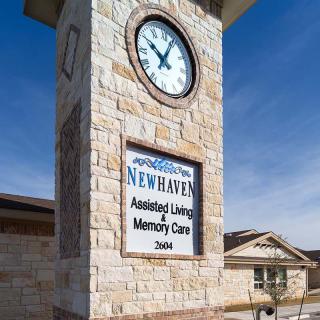








 8 Key Indicators That Suggest It May Be Time to Transition from Assisted Living to Skilled Nursing Care
 Vibrant Senior Living: A Comprehensive Guide for Active Older Adults
 When to Transition from Assisted Living to Memory Care: Key Indicators, Steps, and Finding the Right Community