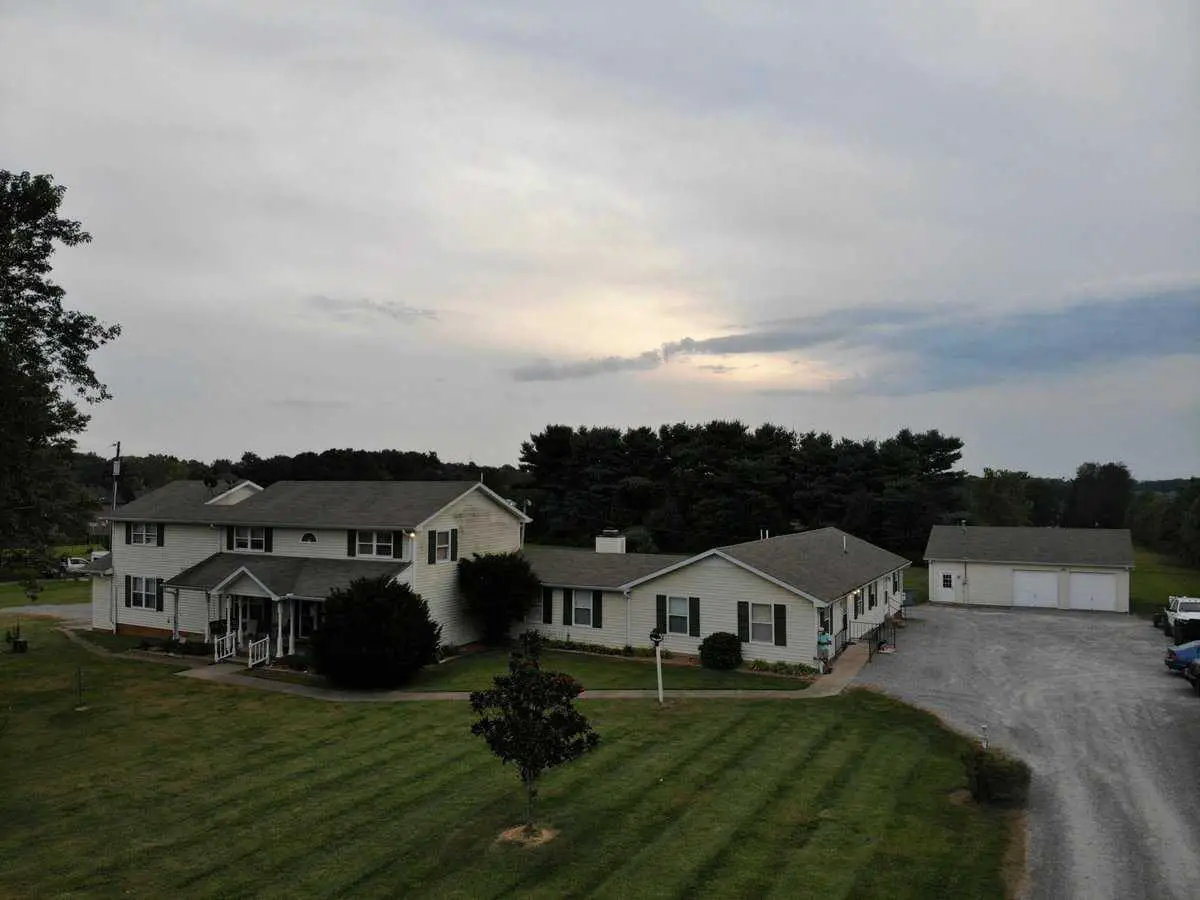
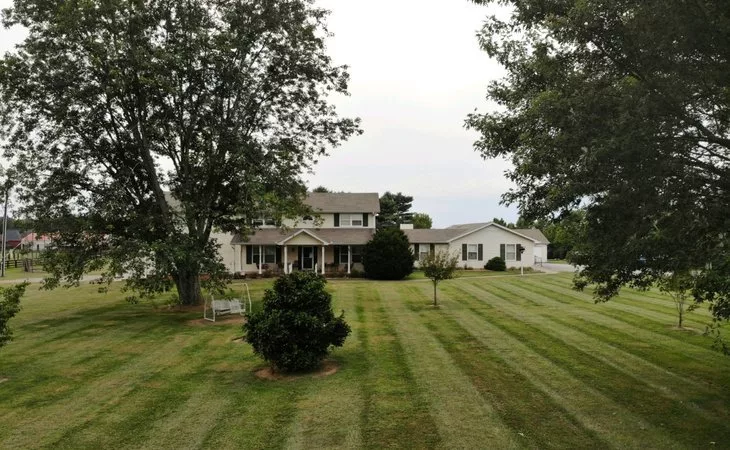
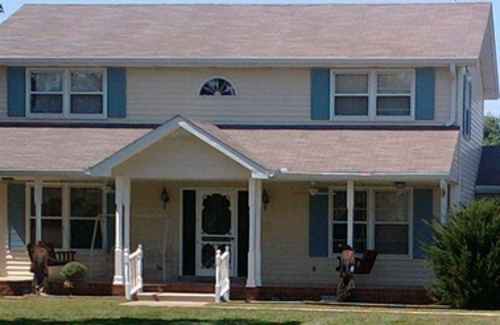
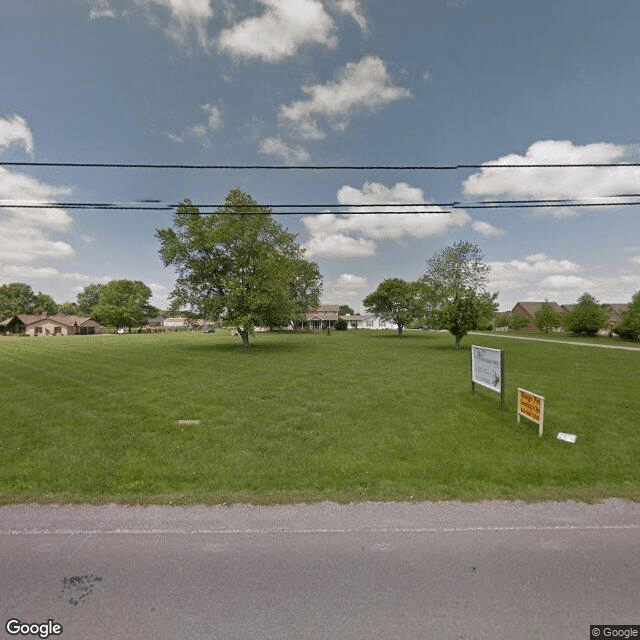
300 Sango Dr, Clarksville, TN 37043
To contact a resident: (931) 368-9622
For more information about senior living options: (866) 208-4318
The Waterford in Sango Costs & Pricing
The Waterford in Sango offers competitive pricing for its private rooms at $2,100 per month, which is significantly lower than both the average costs in Montgomery County at $2,520 and the broader state rate of $3,696 in Tennessee. This positions The Waterford as an appealing option for those seeking quality accommodations without the higher price tag associated with similar facilities in the region. Residents can enjoy a supportive community environment while benefiting from cost savings that enhance their overall lifestyle and well-being.
| Floor plans | The Waterford in Sango | Montgomery County | Tennessee |
|---|---|---|---|
| Private | $2,100 | $2,520 | $3,696 |
Senior living communities with a similar price nearby
-
from +$200 / mo

Arcadia Senior Living Clarksville
$2,300 to $3,132 / month5.9 miles away -
About the same

Fieldstone Place
$2,095 to $3,045 / month2.6 miles away -
About the same

Holiday Uffelman Estates
$2,079 to $3,499 / month4.9 miles away -
from +$100 / mo

Villages at The River Club
$2,200 to $2,800 / month1.0 miles away
Overall Review of The Waterford in Sango
Pros
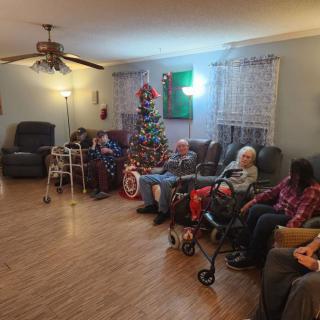
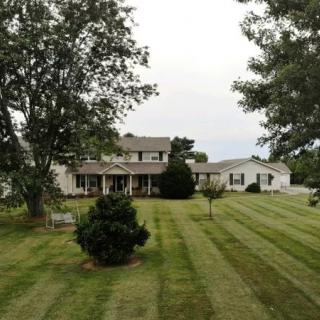
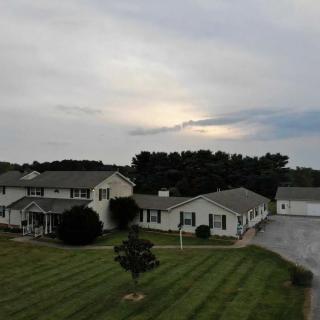
 The location is great and quiet.
- The staff seem attentive and knowledgeable about the provided care.
- The atmosphere is laid-back, with events available.
Cons
 The reviewer is not sure what to say here.
- They are still in the evaluation period.
Review
The Waterford in Sango is best suited for seniors who want a quiet, low-stress living environment where care is delivered with attentiveness and clarity, and where a laid-back atmosphere sits alongside accessible social opportunities. It works well for residents who value stability, predictable routines, and a modest activity calendar over high-energy programming or luxury amenities. In short, a calm, reliable setting with dependable staff supports a transition to assisted living for those who prefer a gentle pace and a focus on everyday wellness rather than showy amenities.
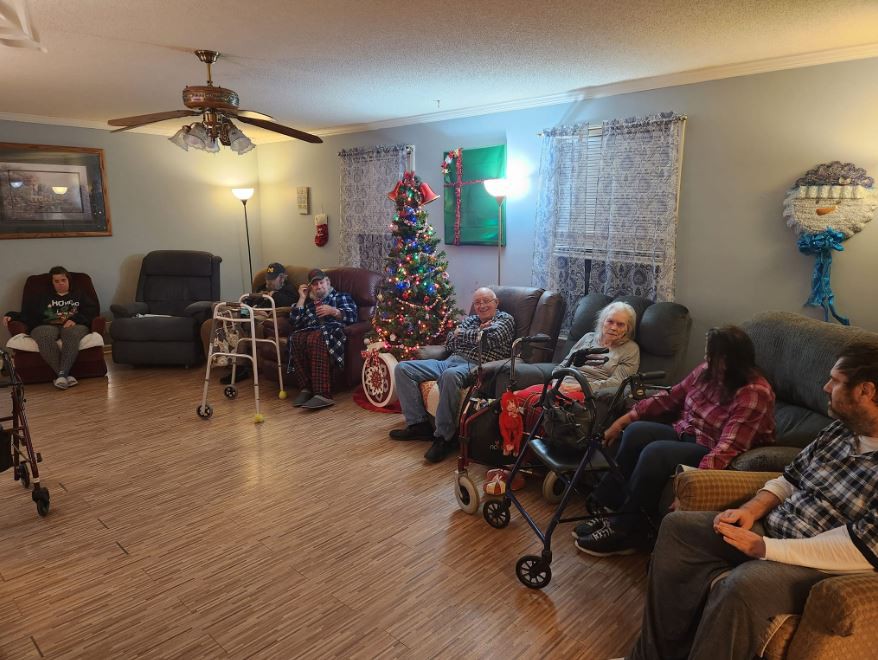
Positive indicators from the visit point to a comfortable location in the Clarksville area that minimizes travel stress and noise, which matters for memory support and bedtime routines. Staff are described as attentive and knowledgeable about the care offered, suggesting consistent daily oversight and responsive problem-solving. The atmosphere is described as laid-back, yet the presence of planned events signals that social engagement is available without forcing participation. For families, that combination, quiet surroundings plus accessible activity options, can translate into fewer daily disruptions and clearer expectations about what living there will feel like.
However, the limited number of published impressions requires caution. One reviewer notes ongoing evaluation, signaling that long-term satisfaction, specific outcomes, and the full breadth of services are still unproven to outsiders. The very small sample leaves questions about consistency across shifts, clarity of care plans, how care changes with evolving needs, and whether programming scales up for different resident profiles. Without more detailed feedback, risk is contained but real: prospective residents should verify what “care provided” encompasses, what the staffing rhythm looks like during morning and evening hours, and whether transportation, meals, and daily activities meet personal expectations.
Those who should consider alternatives are families seeking a more active day-to-day rhythm or more specialized care beyond standard assisted living. If memory care needs are prominent, if a robust, structured activities schedule, volunteer-driven events, or a broader social scene are priorities, this community may fall short. Also, if rigorous transparency on staffing levels, care planning, and measurable outcomes is essential, it is wise to compare with other options that publish these details and demonstrate stronger metrics across a broader resident base.
Before deciding, gather concrete assurances: request a full tour with a resident-focused meal, review sample care plans, and inquire about staff-to-resident ratios by shift, as well as how often care plans are updated. Ask for references from current families and how the community handles transportation, medication management, and emergency responsiveness. In the evaluation period, keep a checklist of what matters most, daily routine flexibility, the tone of staff interactions, and the sufficiency of on-site programming, and compare those to alternatives with more aggressive programming or different culture fits.
Overall, The Waterford in Sango presents a practical, dependable option for seniors who prize a quiet setting, attentive care, and a gentle social scene. The strengths in location, staff engagement, and a relaxed atmosphere offset potential gaps in programming or the absence of a lengthy track record, provided expectations align with a low-key, steady experience. For families prioritizing a calm, reliable environment, it is worth pursuing with structured questions and a hands-on trial. Those needing a more dynamic schedule or specialized care should confidently explore other communities where activity levels, memory support, and outcome transparency are more robust.
 Board and Care Home
 Dogs allowed
 Activities on-site
 Bath tubs
 Indoor common areas
 Outdoor common areas
 Private
 Respite or short term stays offered
 Wheelchair accessible showers
 Ambulatory care
 Diabetic care
 Incontinence care
 Meals provided



 Seniors and Modern Transportation: Exploring Uber, Lyft, and Other Ride-Hailing Options
 Comprehensive Guide to Qualifying for Home Health Care Services
 Powerful Realities of Elder Abuse and the Most Effective Ways to Report It