
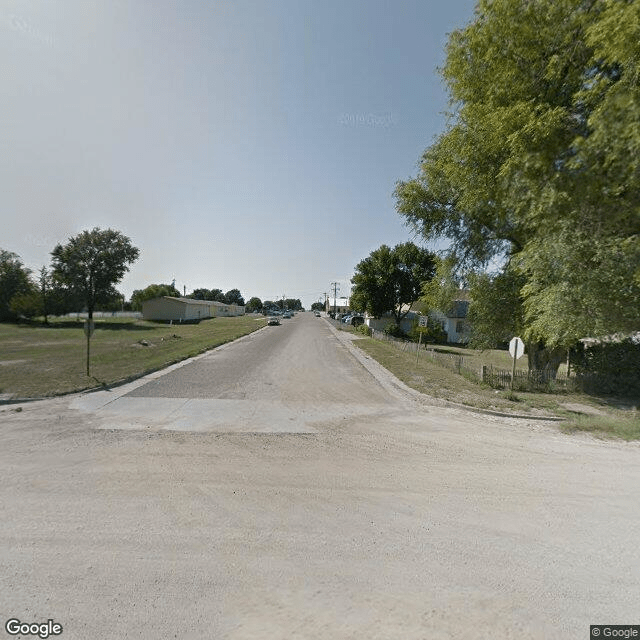
White River Health Care Ctr in White River, SD

Save
White River Health Care Ctr

White River Health Care Ctr in White River, SD

Investment Ave, White River, SD 57579

For more information about senior living options: (844) 490-3973

3 from 4 reviews
5 stars
2
4 stars
0
3 stars
0
2 stars
0
1 stars
2

Assisted Living

Overall Review of White River Health Care Ctr

Pros

  • pro The residents are lovely.

Cons

  • pro It is not a good place to work.
  • pro The staff are microaggressive.
  • pro They claim they do not condone disrespect toward new workers, yet they talk about employees and find their misery hilarious.
  • pro The YT woman with white hair is singled out.

Review

White River Health Care Center in White River, SD is best suited for seniors who want a plainly warm, resident-centered atmosphere where peers form the core social network. The strongest impression across the available experiences is that the residents themselves are lovely, creating a welcoming micro-community that can sustain daily life even when formal support feels inconsistent. For seniors who prize companionship, casual activity, and a sense of belonging in a small-town setting, this center can deliver meaningful interaction and daytime purpose. The trade-off is clear: the daily quality of life leans more on peer connection than on consistently polished professional support.

Families evaluating options should explicitly consider alternatives if highly professional care, consistent staff conduct, and a uniformly respectful work culture are non-negotiable. The staff environment described by a reviewer raises red flags about microaggressions, gossip, and disrespect toward new workers, which in turn threatens reliable care, timely assistance, and predictable routines. If the resident's needs extend beyond social engagement - such as help with activities of daily living, transportation to appointments, or steady, attentive supervision - this facility may fall short. In short, the decision hinges on whether the social warmth among residents can compensate for potential gaps in professional conduct and consistency.

The upside lies in the social dynamics. When residents connect, share routines, and look out for one another, the daily experience can feel stable and human, even if some staff interactions are uneven. A strong resident culture can elevate mood, encourage participation in activities, and provide a pressure release from isolation that can accompany aging. For seniors who arrive with a flexible, people-oriented mindset and a willingness to lean on peer relationships, this environment can be comfortable and dignified. The right fit here emphasizes peer support as a healing, social fabric, rather than a reliance on flawless staffing.

Conversely, the cited drawbacks deserve sober attention. The described staff behavior suggests a fragile morale landscape, where microaggressions and open gossip portray a culture of disrespect that undermines teamwork, trust, and consistency of care. When staff morale bleeds into daily operations, residents risk delayed assistance, miscommunications, and fluctuations in attentiveness. The referenced dynamics around a long-tenured staff member point to a climate that may struggle to enforce accountability and professional standards. Even with pleasant residents, such an environment challenges families seeking dependable, respectful, and predictable care delivery.

Balancing the positives with the negatives yields a practical, no-nonsense takeaway: the resident social climate can offset some operating weaknesses, but only to a point. For families able to tolerate potential staff inconsistency in exchange for daily peer interaction and a familiar, intimate setting, this may be a workable option. For those who prioritize unwavering staff responsiveness, clear behavioral expectations, and a consistently respectful culture, stronger alternatives should be explored. The decision should rest on direct observations of staff-resident interactions, first-hand accounts from current residents, and concrete questions about staffing stability and incident handling.

Practical next steps should frame the visit and conversation. Schedule a guided tour focused on watching real-time interactions between staff and residents, then request candid conversations with current residents and their families about daily routines, response times, and perceived reliability. Inquire about staffing ratios, turnover rates, and shift coverage to gauge consistency. Probe how conflicts are resolved, what accountability looks like, and what training is in place to curb disrespectful conduct. If the aim is a lively peer community, confirm ongoing engagement opportunities and transportation support to activities. If those assurances aren't solid, consider nearby communities with demonstrated strengths in staff culture and reliable, respectful care to safeguard long-term peace of mind.

Features

Types of Care

  • Assisted Living Assisted LivingAssisted living facilities provide crucial support and care for seniors who may need help with daily tasks such as medication management, bathing, and meal preparation. These communities offer a safe and comfortable environment where seniors can maintain their independence while receiving the assistance they need to thrive in their golden years.

Amenities

  • Activities on-site Activities on-siteActivities on-site are important for seniors because they provide opportunities for socialization, mental stimulation, physical activity, and overall well-being. Engaging in activities can help seniors stay active, maintain their independence, and improve their quality of life.
  • Devotional services off-site Devotional services off-siteDevotional services off-site are important for seniors as they provide spiritual nourishment, social engagement, and a sense of community outside of the senior living facility. This can enhance overall well-being and help combat feelings of isolation and loneliness often experienced by older adults.
  • Indoor common areas Indoor common areasIndoor common areas are crucial for seniors as they provide a space for socialization, recreation, and community engagement, promoting overall well-being and reducing feelings of isolation and loneliness.

Care Services

  • Ambulatory care Ambulatory care"Ambulatory care services provide essential medical support and treatment to seniors without requiring hospitalization, allowing them to maintain their independence and quality of life while managing chronic conditions or receiving routine medical care."
  • Diabetic care Diabetic careDiabetic care is crucial for seniors as they are more susceptible to developing diabetes due to aging and other health conditions. Proper management of diabetes can help prevent complications such as heart disease, vision loss, and nerve damage, improving the overall quality of life for seniors in senior living communities.

Dining

  • Meals provided Meals provided"Meals provided" are crucial for seniors in assisted living communities as it ensures they have access to nutritious, balanced meals without the stress of meal planning and preparation. This can help promote overall health and well-being for seniors who may have limited mobility or cognitive abilities.

Activities

  • Activities on-site Activities on-siteActivities on-site are important for seniors because they provide opportunities for socialization, mental stimulation, physical activity, and overall well-being. Engaging in activities can help seniors stay active, maintain their independence, and improve their quality of life.
  • Devotional activities offsite Devotional activities offsiteDevotional activities offsite are important for seniors because they provide social engagement, spiritual growth, and a sense of community outside of their living environment. This can improve overall well-being, mental health, and combat feelings of isolation or loneliness.

Description

White River Health Care Center is an assisted living community located in White River, SD. Our facility offers a range of amenities and care services to ensure the comfort and well-being of our residents.

For those seeking spiritual support, we provide devotional services off-site as well as devotional activities offsite. These opportunities allow residents to connect with their faith and engage in meaningful religious practices within their community.

Our indoor common areas are designed to create a warm and inviting atmosphere where residents can socialize, relax, and enjoy quality time with friends and family. These spaces are perfect for hosting gatherings or simply spending leisurely moments connecting with others.

At White River Health Care Center, we understand the importance of specialized care for individuals with diabetes. Our dedicated staff members are trained to provide diabetic care that meets the unique needs of our residents. From monitoring blood sugar levels to administering medication, we strive to ensure our residents receive proper care and attention throughout their stay.

In addition to our on-site amenities and care services, our location offers convenience with a pharmacy just a short distance away. This proximity simplifies medication management for our residents, allowing them easy access to any necessary prescriptions.

Furthermore, we understand the significance of spirituality in many individuals' lives. Therefore, we offer the convenience of having places of worship located nearby so that residents can partake in religious activities within close proximity to our community.

At White River Health Care Center, we are dedicated to providing exceptional assisted living experiences for our residents. With a focus on amenities, care services, and community engagement, we strive to create an environment where individuals can thrive physically, emotionally, and spiritually.

Nearby Places of Interest

This particular area of White River, South Dakota, offers convenient access to essential services for seniors. Within a short distance, there is a United Methodist Church providing spiritual support and community engagement opportunities. Additionally, Ranchland Drug is located nearby for easy access to prescription medications and healthcare needs. The proximity of these services can offer peace of mind and convenience for seniors looking to retire in the area. Overall, this neighborhood provides a sense of comfort and accessibility for older individuals seeking a supportive community environment.

Places of Worship

  • United Methodist Church (0.3 miles)

Pharmacies

  • Ranchland Drug (0.4 miles)

Frequently Asked Questions

Where is White River Health Care Ctr?

Nearby Communities

  • White River Health Care Center

    White River Health Care Center

    White River, SD

    3 from 4 reviews
     

    pro Extensive on-site amenities and 24/7 care, including restaurant-style dining with dietary options.

Related Resources

  • assisted living activitiesBeyond the Bingo Hall: 50+ Enriching Activities for Seniors in Assisted Living

    Assisted living communities offer diverse activities beyond traditional games to enhance seniors' physical health, cognitive well-being, emotional enrichment, and social connections, including fitness classes, creative expression, and intergenerational interactions. These enriching programs foster community bonds and support residents' independence and happiness.

  • assisted living vs memory careUnderstanding the Distinctions: Assisted Living and Memory Care Explained

    The article differentiates between assisted living and memory care, explaining that assisted living supports seniors with daily activities while promoting independence, whereas memory care provides specialized services for individuals with dementia, focusing on secure environments and cognitive support. It also addresses staff training, safety considerations, costs, family involvement, and transition strategies for families navigating these care options.

  • elderly parent refuses assisted livingGuiding Elderly Parents Who Refuse Assisted Living: 6 Practical Steps

    Family caregivers face emotional, legal, and practical challenges when elderly parents refuse assisted living, often due to fears of losing autonomy. Open conversations and professional assessments can help address these concerns while exploring alternatives and ensuring safety, potentially leading to legal guardianship if necessary.

