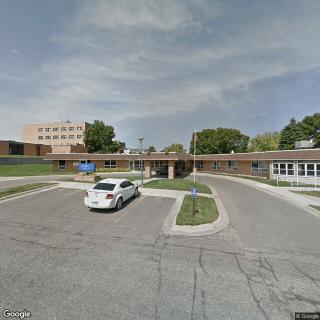
Edgewood Prairie Crossings Watertown Al in Watertown, SD

420 9Th Street Se, Watertown, SD 57201

For more information about senior living options: (844) 490-3973

4 from 4 reviews
5 stars
3
4 stars
0
3 stars
0
2 stars
0
1 stars
1

Assisted Living

Overall Review of Edgewood Prairie Crossings Watertown Al

Pros

  • pro The residents were upbeat during the tour.
  • pro The atmosphere was playful and lively, with no downtrodden mood.
  • pro There was no old folks' smell, contributing to a fresh, welcoming environment.
  • pro The common areas featured cozy decor with Afghans, pillows, and quilts.
  • pro The environment felt warm and friendly, and residents with dementia appeared happy and well cared for.
  • pro Families felt relief from caregiving stress thanks to the positive atmosphere.
  • pro Prairie Crossings was described as one of the best places, with the reviewer unable to think of many places better.

Cons

  • pro This facility should not be considered memory care except for the fact the door is locked.
  • pro Nursing prefers to snow residents vs. care for them.
  • pro If you put your loved one in this facility consider a nanny cam.
  • pro The promises they make upon admitting are not what you will see happening once you leave.

Review

Edgewood Prairie Crossings in Watertown is best suited for families seeking a warm, community-driven assisted living option that feels more like home than a clinical campus. It works well for residents who respond positively to a lively, upbeat atmosphere, where social engagement and a sense of everyday life trump a formal, institutional vibe. This community tends to attract individuals who value friendliness, accessibility, and a less "medical" ambience, and who are comfortable with a setting that emphasizes comfort, conversation, and familiar routines over high-tech care bells and whistles. It is especially fitting for seniors who do not require intensive memory-care programming but still benefit from a supportive, living-room-style atmosphere where staff interactions are personal and frequent.

On the upside, Prairie Crossings earns its strongest credibility from morale and mood. Multiple accounts describe residents as upbeat and engaged, with an environment that feels playful rather than somber. The absence of a strong "old folks" odor, along with cozy common areas draped in Afghans, custom pillows, and other homelike touches, reinforces a sense of warmth and belonging. Families report relief from caregiving stress when a loved one moves in, citing a supportive space where social life continues, meals are managed, and residents appear content in a community setting. For dementia care in particular, the positive word-of-mouth around happiness and sociability can translate into meaningful daily experiences for residents who do not require intensive medical interventions.

Yet substantial caveats accompany those advantages. A recurring concern is that Prairie Crossings is not a true memory-care facility, despite a locked entry that may be interpreted as protective. That distinction matters in planning care: for residents with more complex cognitive needs or wandering risks, the level of specialized supervision and staff expertise may fall short of what is required. Several voices warn that nursing staff can appear more focused on routine tasks than on individualized dementia care, raising questions about how responsive the team will be to evolving needs. The strongest red flag is a sentiment that promises made at admission may not always align with daily practices, prompting families to consider external monitoring or verification if choosing this community for a memory-affected loved one.

These realities create a balancing act. The cheerful, homey atmosphere and strong social fabric can significantly offset some of the downsides for residents whose care needs stay within what an assisted living model typically delivers. When a loved one thrives on companionship, familiar routines, and a less clinical setting, Prairie Crossings can deliver quality of life that feels protective and comfortable. However, the absence of robust memory-care programming, the potential gaps in nursing responsiveness, and the suggestion that promises may not be fulfilled mean risk can outsize reward for families managing significant cognitive impairment or high nursing expectations. In short, the positives make Prairie Crossings a compelling choice for some, but not for all, and especially not for those prioritizing memory-care specialization and airtight accountability.

Families considering alternatives will want to target facilities with explicit dementia-focused programming, higher-certified staffing ratios, and transparent performance metrics around care plans and daily interventions. For those with loved ones who need more intensive cognitive support, or who require steadfast oversight and verifiable outcomes, exploring other communities - particularly those with dedicated memory-care units - will likely pay off in better alignment with needs and expectations. The prudent path is to visit, speak with current residents and their families, and press for concrete answers about staff training, care plans, response times, and what is documented when admissions promises are made versus fulfilled.

Practical next steps are clear. Schedule a tour and observe staff?resident interactions during peak and quieter moments, noting responsiveness, warmth, and attentiveness. Ask pointed questions about memory-care capabilities, wandering precautions, and how daily activities are tailored to varying cognitive needs. Request exact staffing ratios by shift and review recent incident and care-change documentation. If choosing Prairie Crossings, frame the decision around a clear plan for monitoring and ongoing communication with the care team, and prepare a contingency plan should the resident's needs evolve beyond the facility's offerings. For families seeking a bright, sociable home for aging in place with companionship-filled days, Edgewood Prairie Crossings can be a strong fit; for those prioritizing memory-care depth and unwavering caregiving accountability, alternatives deserve serious consideration.

Features

Housing

  • 29 resident community capacity 29 resident community capacity

Types of Care

  • Assisted Living Assisted LivingAssisted living facilities provide crucial support and care for seniors who may need help with daily tasks such as medication management, bathing, and meal preparation. These communities offer a safe and comfortable environment where seniors can maintain their independence while receiving the assistance they need to thrive in their golden years.

Amenities

  • Beauty salon Beauty salonBeauty salons are important for seniors because they provide a space for them to feel pampered, socialize, and maintain their personal grooming and hygiene. Regular visits to a beauty salon can help boost seniors' self-esteem and overall well-being.
  • Cable or satellite TV Cable or satellite TVCable or satellite TV is important for seniors because it provides entertainment, news, and companionship, helping to combat loneliness and boredom. It also offers a wide range of programming options tailored to different interests and preferences.
  • Dining room Dining roomDining rooms are important for seniors as they provide a space for socialization, connection, and nutritious meals. They offer opportunities for residents to bond over shared meals, foster a sense of community, and promote healthy eating habits. Dining rooms also ensure that seniors have access to well-balanced meals tailored to their dietary needs and preferences.
  • Fully furnished Fully furnishedFully furnished senior living communities are important for seniors because they provide convenience, comfort, and a hassle-free moving experience. Seniors can easily settle into their new living space without the stress of having to buy and move furniture. This allows them to focus on enjoying their new home and community.
  • Garden GardenGardens are important for seniors as they provide a peaceful and therapeutic environment for relaxation, physical activity, and socialization. Being in nature has been shown to reduce stress, improve mood, and promote overall well-being. Gardens also offer opportunities for seniors to engage in gardening activities, which can improve mobility, flexibility, and cognitive function. Additionally, gardens create a sense of community and connection with others who share a passion for plants and outdoor spaces.
  • Housekeeping services Housekeeping servicesHousekeeping services are important for seniors because they help maintain a clean and safe living environment, promote independence, and reduce the risk of accidents or illnesses. Additionally, having assistance with household chores can alleviate physical strain and allow seniors to focus on other aspects of their well-being.
  • Kitchenette KitchenetteKitchenettes are important for seniors living in senior living communities because they provide the convenience and independence of being able to prepare simple meals and snacks in the comfort of their own living space. This can help promote a sense of autonomy and well-being for seniors, allowing them to maintain some level of control over their dietary choices and daily routines.
  • Move-in coordination Move-in coordinationMove-in coordination is important for seniors because it helps ease the transition into their new living environment. It ensures that all logistics, such as packing, organizing movers, and setting up utilities are taken care of, allowing seniors to focus on settling in and adjusting to their new home. Having a smooth move-in process can alleviate stress and anxiety, making the transition smoother and more enjoyable for seniors.
  • Outdoor space Outdoor spaceOutdoor spaces are important for seniors as they provide opportunities for physical activity, social interaction, exposure to natural light and fresh air, and a sense of connection to nature. Having access to outdoor spaces can improve overall well-being and quality of life for older adults living in senior communities.
  • Telephone TelephoneTelephones are important for seniors as they provide a lifeline for communication with loved ones, emergency services, and healthcare providers. They offer a sense of security and independence, enabling seniors to stay connected and access assistance when needed.
  • Wi-Fi/high-speed internet available Wi-Fi/high-speed internet availableWi-Fi/high-speed internet is important for seniors to stay connected with loved ones, access online resources, and participate in virtual activities to combat feelings of loneliness and isolation. It also allows them to easily manage healthcare needs, access entertainment, and engage in lifelong learning opportunities.

Care Services

  • 24-hour call system 24-hour call system24-hour call systems are important for seniors because they provide peace of mind and immediate assistance in case of emergencies. This technology ensures that help is always available, promoting safety and security for elderly individuals living alone or in assisted living facilities.
  • 24-hour supervision 24-hour supervision24-hour supervision is important for seniors to ensure their safety, well-being, and access to immediate assistance in case of emergencies or health issues. This constant support provides peace of mind for both seniors and their loved ones, allowing them to age in place with dignity and security.
  • Activities of daily living assistance Activities of daily living assistanceActivities of daily living assistance are important for seniors because they provide essential support with tasks such as eating, bathing, dressing, and mobility. This assistance helps seniors maintain their independence, dignity, and overall quality of life as they age.
  • Assistance with bathing Assistance with bathingAssistance with bathing is crucial for seniors as it helps maintain personal hygiene, prevents infections, and ensures their overall well-being and comfort. It also provides a sense of dignity and independence for seniors who may struggle with this task on their own.
  • Assistance with dressing Assistance with dressingAssistance with dressing is important for seniors because it helps maintain their independence, promotes personal hygiene, prevents accidents and injuries, and improves overall quality of life. This service ensures that seniors can continue to dress comfortably and confidently, despite any physical limitations they may have.
  • Assistance with transfers Assistance with transfersAssistance with transfers is crucial for seniors as it helps prevent falls and injuries, maintains their independence, and ensures they can safely navigate their living environment. It also provides peace of mind for both seniors and their loved ones.
  • Coordination with health care providers Coordination with health care providersCoordination with health care providers is crucial for seniors to ensure proper medical care, medication management, and overall well-being. This collaboration helps prevent overlapping treatments, track progress more effectively, and provide comprehensive support tailored to individual needs.
  • Diabetes diet Diabetes dietA diabetes diet is crucial for seniors as it helps manage blood sugar levels, reduce risks of complications, and improve overall health and well-being. By following a balanced and nutritious diet tailored to their specific needs, seniors can better control their diabetes and enhance their quality of life.
  • Meal preparation and service Meal preparation and serviceMeal preparation and service are crucial for seniors as they may have limited mobility or energy to cook nutritious meals. Having access to healthy and convenient food options can ensure they are getting the proper nutrition needed to maintain their overall health and well-being.
  • Medication management Medication managementMedication management is crucial for seniors to ensure they are taking the right medications at the correct dosages and times. This helps prevent adverse drug interactions, reduces the risk of medication errors, and promotes overall health and well-being. Proactive management also allows for adjustments as needed based on changing health conditions or new prescriptions.
  • Mental wellness program Mental wellness programMental wellness programs are essential for seniors as they promote cognitive stimulation, emotional support, and social engagement. These programs help prevent isolation, depression, and cognitive decline, ultimately enhancing the overall quality of life for older adults.
  • Special dietary restrictions Special dietary restrictionsSpecial dietary restrictions are important for seniors because age-related changes in metabolism and health conditions can make it difficult for their bodies to process certain foods. By following a diet tailored to their specific needs, seniors can maintain their overall health and well-being, manage chronic conditions, and reduce the risk of complications such as malnutrition or food interactions with medications.
  • Transportation arrangement (medical) Transportation arrangement (medical)Transportation arrangements for medical purposes are essential for seniors as they may have difficulty driving themselves to appointments or accessing public transportation. Having reliable and safe transportation options ensures that seniors can receive timely medical care and maintain their health and well-being.
  • Transportation to doctors appointments Transportation to doctors appointmentsTransportation to doctors' appointments is crucial for seniors as it ensures they have access to necessary medical care and support for their health needs. Without reliable transportation, seniors may struggle to attend important appointments, leading to potential delays in treatment and health complications. Providing transportation services helps seniors maintain their overall well-being and quality of life.
Dining

  • Diabetes diet Diabetes dietA diabetes diet is crucial for seniors as it helps manage blood sugar levels, reduce risks of complications, and improve overall health and well-being. By following a balanced and nutritious diet tailored to their specific needs, seniors can better control their diabetes and enhance their quality of life.
  • Special dietary restrictions Special dietary restrictionsSpecial dietary restrictions are important for seniors because age-related changes in metabolism and health conditions can make it difficult for their bodies to process certain foods. By following a diet tailored to their specific needs, seniors can maintain their overall health and well-being, manage chronic conditions, and reduce the risk of complications such as malnutrition or food interactions with medications.

Activities

  • Community-sponsored activities Community-sponsored activitiesCommunity-sponsored activities are important for seniors as they provide opportunities for social interaction, mental stimulation, and physical activity. These activities can help improve overall well-being, combat loneliness and isolation, and promote a sense of belonging and purpose among older adults.
  • Resident-run activities Resident-run activitiesResident-run activities are important for seniors as they encourage social interaction, creativity, and a sense of autonomy. These activities empower seniors to stay engaged and active in their community while fostering meaningful connections with their peers.
  • Scheduled daily activities Scheduled daily activitiesScheduled daily activities are important for seniors because they provide structure, socialization, mental stimulation, and physical activity. Engaging in regular activities can improve overall well-being and quality of life for seniors living in a community setting.

Description

Edgewood Prairie Crossings Watertown Al is an assisted living community located in Watertown, SD. This community offers a variety of amenities to ensure that residents have a comfortable and convenient living experience. Cable or satellite TV is provided for entertainment purposes, and there is a dedicated dining room where residents can enjoy their meals.

The apartments at Edgewood Prairie Crossings Watertown Al are fully furnished, and housekeeping services are available to keep the living spaces clean and tidy. Each apartment also has a kitchenette, allowing residents to prepare light meals or snacks if desired. Move-in coordination services are provided to assist new residents with their transition into the community.

Outdoor spaces are available for residents to enjoy some fresh air and take in the surrounding natural scenery. Telephone and Wi-Fi/high-speed internet services are also offered so that residents can stay connected with loved ones and engage in online activities.

Care services at Edgewood Prairie Crossings Watertown Al include 24-hour supervision, assistance with activities of daily living such as bathing and dressing, as well as assistance with transfers. The staff coordinates with health care providers to ensure that residents receive the necessary medical attention. Medication management services are available to help residents stay organized with their medication regimen.

The community understands the importance of maintaining a healthy diet, especially for individuals with diabetes or special dietary restrictions. Therefore, they provide diabetes diets and cater to special dietary needs.

Edgewood Prairie Crossings Watertown Al offers various activities for residents to participate in. There are resident-run activities as well as scheduled daily activities organized by the staff. This ensures that there is always something engaging happening within the community.

In terms of nearby amenities, there are three cafes, four parks, six pharmacies, seven physicians' offices, 37 restaurants, five transportation options, 21 places of worship, one theater nearby, and two hospitals nearby. This allows residents easy access to various services and opportunities for entertainment or socialization outside of the community.

Overall, Edgewood Prairie Crossings Watertown Al provides a comfortable and supportive environment for seniors who require assistance with daily activities. With its range of amenities and care services, residents can enjoy a fulfilling and vibrant lifestyle in this assisted living community.

Nearby Places of Interest

Restaurants

  • El Tapatio (0.2 miles)
  • Perkins Restaurant and Bakery (0.3 miles)
  • Tokyo Japanese Cuisine Of S P (0.3 miles)
  • Arby's (0.3 miles)
  • Taco Bell (0.3 miles)
  • Fuji Sushi & Hibachi Grill (0.3 miles)
  • Hardee's (0.4 miles)

Places of Worship

  • Bridge Church Of The C & Ma (0.3 miles)
  • Trinity Episcopal Church (0.7 miles)
  • Congregational Church (0.7 miles)
  • First Congregational Ucc (0.7 miles)
  • Dakota Conference of United Methodist Church (0.7 miles)
  • First United Methodist Church (0.7 miles)
  • Access Ministries (0.9 miles)

Transportation

  • U-Haul Neighborhood Dealer (0.4 miles)
  • Premiere Auto Rentals (0.5 miles)
  • Delta Connection (3.5 miles)
  • Watertown Regional Airport (3.5 miles)
  • Budget Car Rental (3.5 miles)
  • Gus's Taxidermy (15.6 miles)
  • Burlington Northern Railroad (17.7 miles)

Pharmacies

  • Brown Clinic Pharmacy (0.4 miles)
  • Walgreens (0.4 miles)
  • HyVee Pharmacy (0.5 miles)
  • Health Mart Pharmacy (0.7 miles)
  • Genoa Healthcare (0.8 miles)
  • Prairie Lakes Campus Pharmacy (1.6 miles)

Cafes

  • Caribou Coffee (0.4 miles)
  • Scotters Coffee (0.7 miles)
  • Gather (0.7 miles)

Physicians

  • Meier Visual Clinic (0.5 miles)
  • Advanced Hearing Technology (1.2 miles)
  • Prairie Lakes Cancer Center (1.6 miles)
  • Evelio Garcia MD (1.6 miles)
  • Glacial Lakes Orthopaedics - Michael J Vener MD (1.6 miles)
  • Snyder Eye Clinic (1.8 miles)
  • Crismon Craig E MD - Brown Clinic PLLP (1.9 miles)

Theaters

  • Odyssey Grand 8 Theater (0.6 miles)

Parks

  • Sandy Shore Recreation Area (1.1 miles)
  • Dog Park H2Otown (1.4 miles)
  • Highland Park (1.6 miles)
  • Oakwood Lakes State Park (1.7 miles)

Hospitals

  • Sanford Health Acute Care Clinic (1.6 miles)
  • Prairie Lakes Specialty Clinic (1.6 miles)

Frequently Asked Questions

Where is Edgewood Prairie Crossings Watertown Al?

Nearby Communities

  • Jenkins Living Ctr

    Jenkins Living Ctr

    Watertown, SD

    4.6 from 5 reviews
    $3,450 to $4,975 / month

    pro Caring nurses with personal attention, clean facilities, and a spacious visiting room in a safe, welcoming community.

  •  Jenkins Living Center

     Jenkins Living Center

    Watertown, SD

    4.8 from 4 reviews
     

    pro Comprehensive 24/7 care with extensive on-site amenities.

  • Golden Living Center Watertown

    Golden Living Center Watertown

    Watertown, SD

    4.5 from 11 reviews
     

    pro Comprehensive care with diabetes management and medication support, plus social indoor spaces.

  • Avantara Watertown

    Avantara Watertown

    Watertown, SD

    4.5 from 11 reviews
     

    pro Strong on-site amenities and personalized care.

  • Evergreen

    Evergreen

    Watertown, SD

    5 from 2 reviews
     

    pro Convenient location with extensive nearby amenities and healthcare access.

  • Benet Place

    Benet Place

    Watertown, SD

    4 from 13 reviews
     

    pro Convenient location with extensive nearby amenities (dining, parks, healthcare, transport, worship, theater).

  • Avantara Lake Norden

    Avantara Lake Norden

    Lake Norden, SD

    5 from 14 reviews
     

    pro Fully furnished apartments with restaurant-style dining and 24-hour supervision.

Related Resources

  • assisted living costUnderstanding the True Cost of Assisted Living in 2025: A Comprehensive Guide

    Assisted living in 2025 offers a crucial balance of independence and support for seniors, with costs varying from $2,500 to over $7,000 per month based on factors such as location and care level. Understanding pricing complexities, including regional differences and potential hidden fees, is essential for families to plan financially while ensuring quality care for their loved ones.

  • does medicaid pay for assisted livingUnderstanding Medicaid Coverage for Assisted Living: A Comprehensive Guide

    The guide outlines the complexities of Medicaid coverage for assisted living, highlighting significant state-to-state variations, limited coverage often restricted to personal care services, and the existence of specialized waivers for certain needs like memory care. It advises families to consult local Medicaid offices for options while emphasizing the importance of understanding state-specific regulations and facility policies.

  • does medicaid pay for assisted livingHow and When Medicaid May Cover Assisted Living Costs

    Medicaid coverage for assisted living varies by state and is primarily available to low-income individuals, with eligibility dependent on strict income and asset limits. Some states offer HCBS waivers for specific services in assisted living, but families must generally cover room and board costs, and should verify facility acceptance of Medicaid while considering potential waiting lists.