
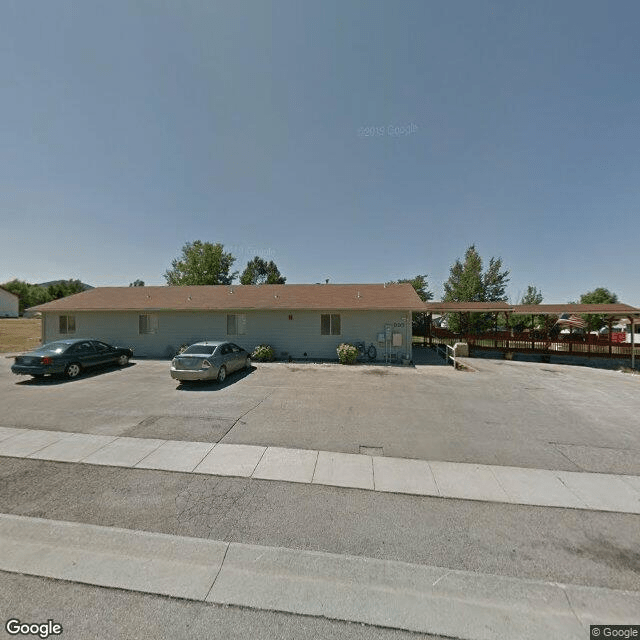
905 South 34Th Street, Spearfish, SD 57783
For more information about senior living options: (866) 208-4318
Overall Review of Garden Hills Assisted Living
Pros
 The staff care deeply for residents.
- They are very attentive and connect with residents on a personal level.
- The facility is staffed by caring and happy staff and owners who work among the residents.
- The facility is clean, with great food and a true sense of caring.
- Garden Hills supports end-of-life care by allowing residents to stay in their own residence while enrolled in hospice.
- Families feel fortunate to have found Garden Hills.
Review
Garden Hills Assisted Living in Spearfish is best suited for seniors who want a small, intimate setting where caregivers know residents well and family relationships feel central to daily life. The community shines when personal attention is the priority: staff are described as genuinely attentive, forming warm, ongoing connections with residents and their families. Owners are often on the floor, which translates into hands-on leadership and a palpable culture of care. The environment is clean, with reassuring routines around meals and daily living. For families facing end-of-life decisions, the ability to keep a loved one in the same residence while enrolled in hospice provides continuity, comfort, and dignity at a time when stability matters most. In short, Garden Hills suits residents who value humanity, consistency, and a homey atmosphere over a more institutional or fast-paced setting.
Those considering alternatives should weigh whether a more active, activity-rich atmosphere or a higher level of medical oversight is needed. If independence, robust memory care programming, or 24/7 skilled nursing beyond hospice support are priorities, other communities may deliver more comprehensive options. For families seeking a broader slate of on-site activities, more pronounced social programming, or proximity to urban amenities, Garden Hills could feel limited. Those with more complex medical needs requiring hospital-level intervention might find themselves outgrowing a setting that emphasizes hospice-compatible care and intimate caregiving rather than acute clinical services.
The strong positives here, deep staff engagement, visible leadership, and a consistent, home-like atmosphere, do a solid job of offsetting the potential drawbacks. Personal attention reduces stress for residents and families, and the capacity for staff to connect on a daily basis helps maintain a sense of security and belonging. The on-site presence of owners and the willingness of caregivers to participate directly in residents’ lives create a trust fabric that’s hard to replicate in larger facilities. Cleanliness and food quality reinforce daily comfort, making routine care feel dignified rather than transactional. For residents who already know they’ll benefit from hospice-supported living, these attributes translate into meaningful peace of mind.
A closer look at the care model reveals why end-of-life comfort becomes a central strength. The ability to remain in one’s own room or apartment while hospice serves as the primary bridge between daily living and palliative needs is a powerful differentiator. Families repeatedly note the happiness and stability that come from staff who treat residents like extended family. The combination of consistent companionship, a stable staff roster, and practical support around meals and chores creates an environment where residents can age in place with a sense of normalcy and control. This is not a facility chasing bells and whistles; it is a community that prioritizes relational care, which proves invaluable to those facing terminal stages or advanced frailty.
Nevertheless, the absence of explicit notes about expansive medical services or high-acuity care is not a flaw so much as a boundary. Garden Hills seems to excel as an end-of-life and comfort-focused option rather than as a hub for aggressive medical treatment or a broad memory-care program. For some families, that boundary is precisely the point: a serene, predictable setting where caregivers know the resident’s history and preferences. For others, a more dynamic activity calendar, richer cognitive-stimulation offerings, or access to rapid medical escalation could be desirable. One mixed rating in the mix suggests that experiences may vary, underscoring the wisdom of a personal visit to gauge alignment with individual expectations and needs.
In sum, Garden Hills Assisted Living is a practical, candid choice for families prioritizing compassionate, hands-on care in a small, home-forward setting. It is ideally suited for residents who are comfortable with hospice-compatible support and who value continuity, personal attention, and a welcoming dining-and-living routine. It may be less fitting for those seeking robust, hospital-level medical oversight, extensive independent living amenities, or advanced memory-care programming. Prospective buyers should schedule a thorough tour, ask pointed questions about medical oversight, hospice integration, and activity planning, and verify how long-term changes in care would be managed. For the right resident, Garden Hills offers steadiness, warmth, and a dependable sense of belonging that makes difficult transitions more bearable.
 16 resident community capacity
 Assisted Living
 Activities on-site
 Cable or satellite TV
 Devotional services off-site
 Dining room
 Fully furnished
 Garden
 Housekeeping services
 Indoor common areas
 Move-in coordination
 Outdoor space
 Telephone
 Wi-Fi/high-speed internet available
 24-hour supervision
 Ambulatory care
 Assistance with bathing
 Assistance with dressing
 Assistance with transfers
 Diabetes diet
 Diabetic care
 Meal preparation and service
 Medication management
 Special dietary restrictions
 Transportation arrangement (medical)
 Transportation to doctors appointments

 Understanding the Distinctions: Assisted Living and Memory Care Explained
 Guiding Elderly Parents Who Refuse Assisted Living: 6 Practical Steps
 Your Comprehensive Guide to Luxury Assisted Living: Elevated Facilities, Amenities, and Costs