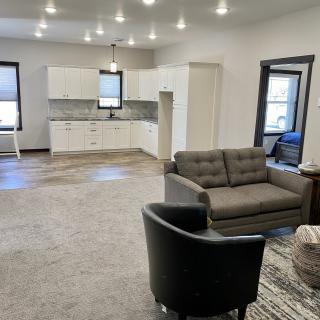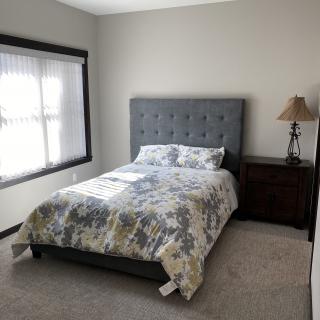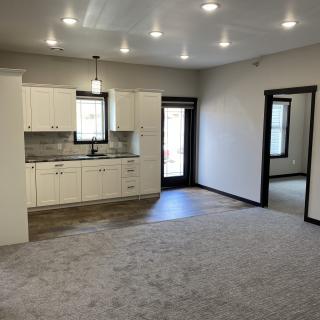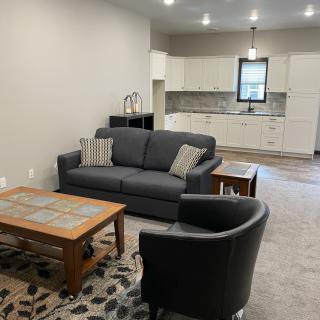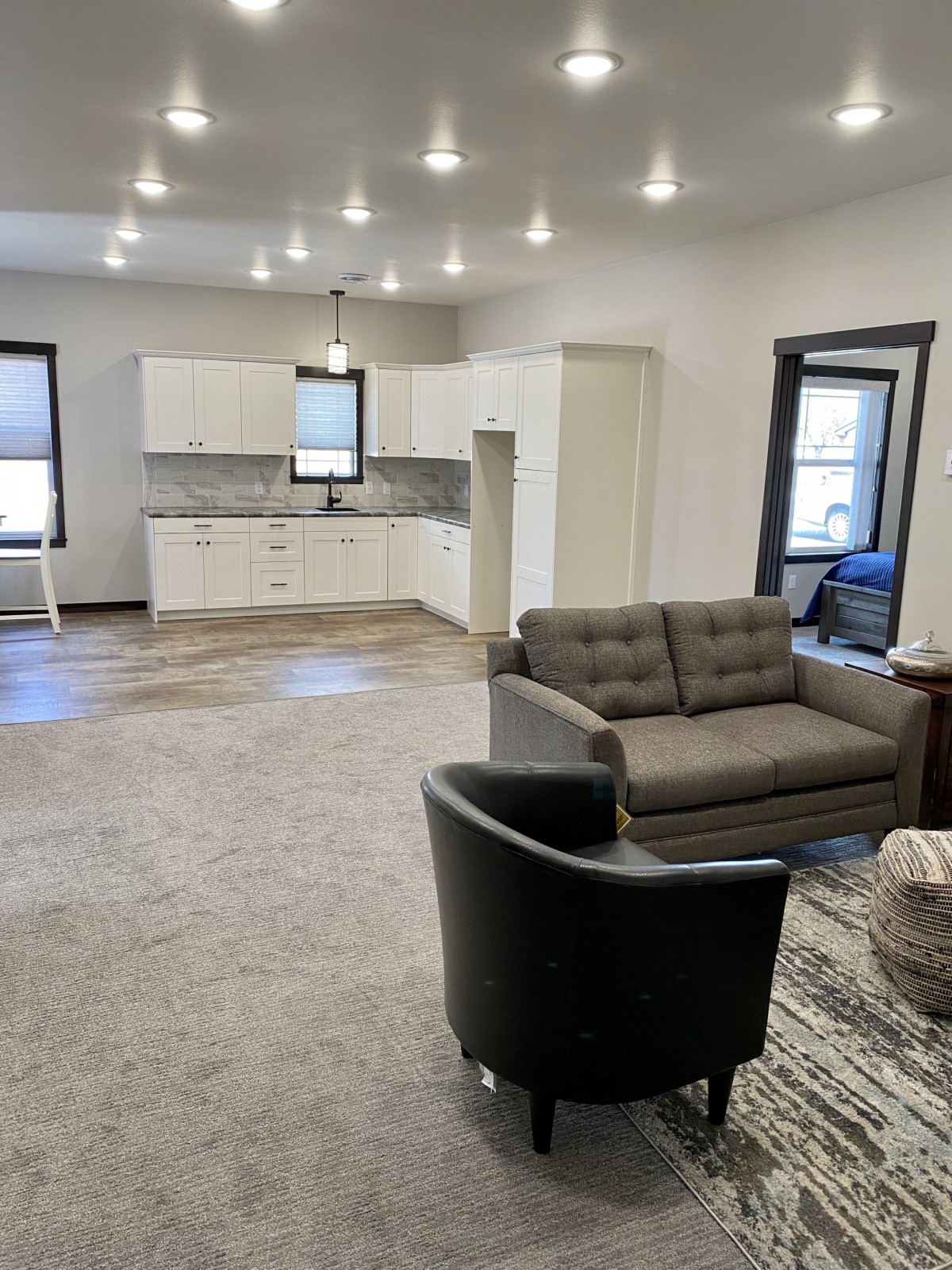
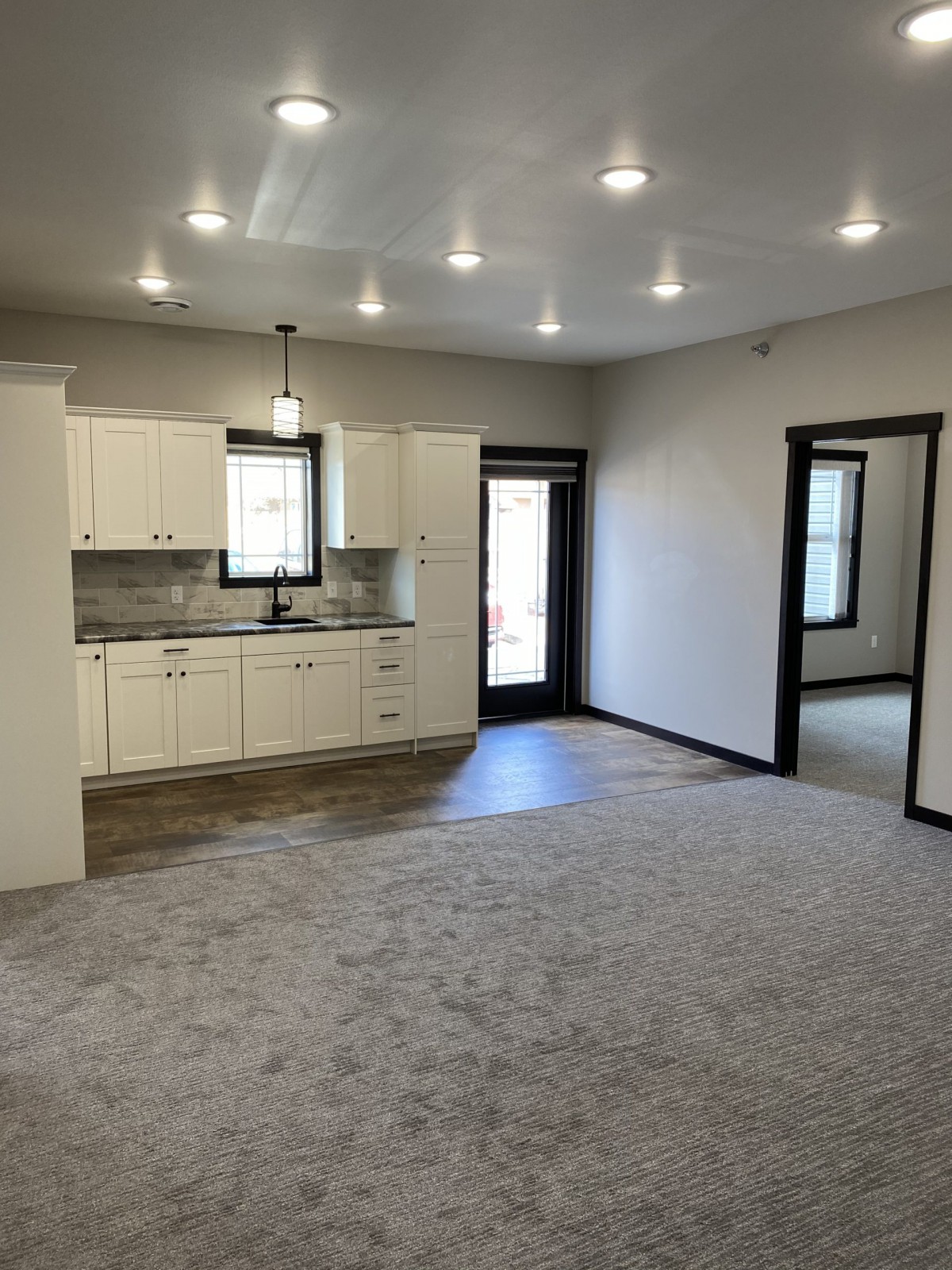
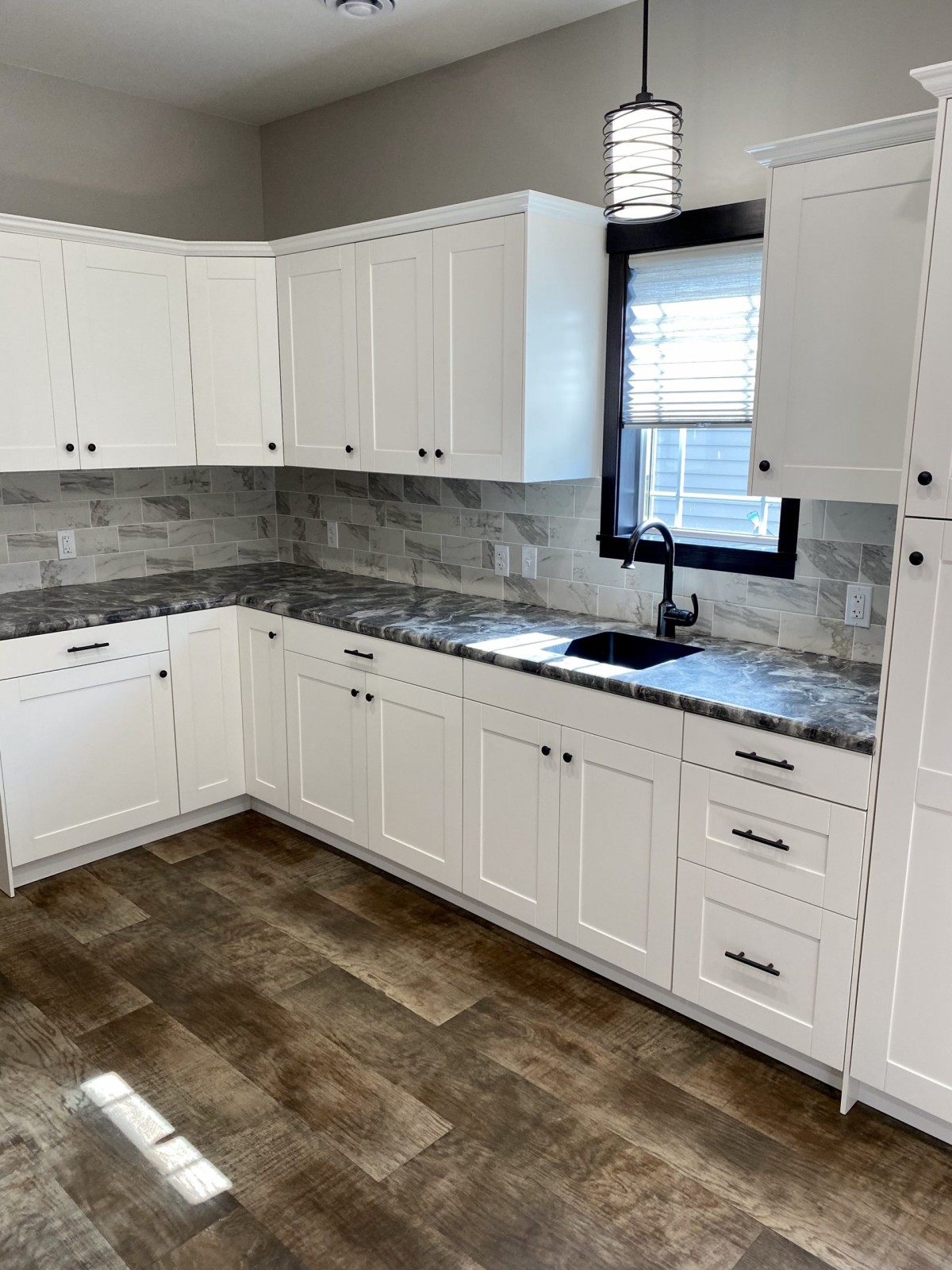
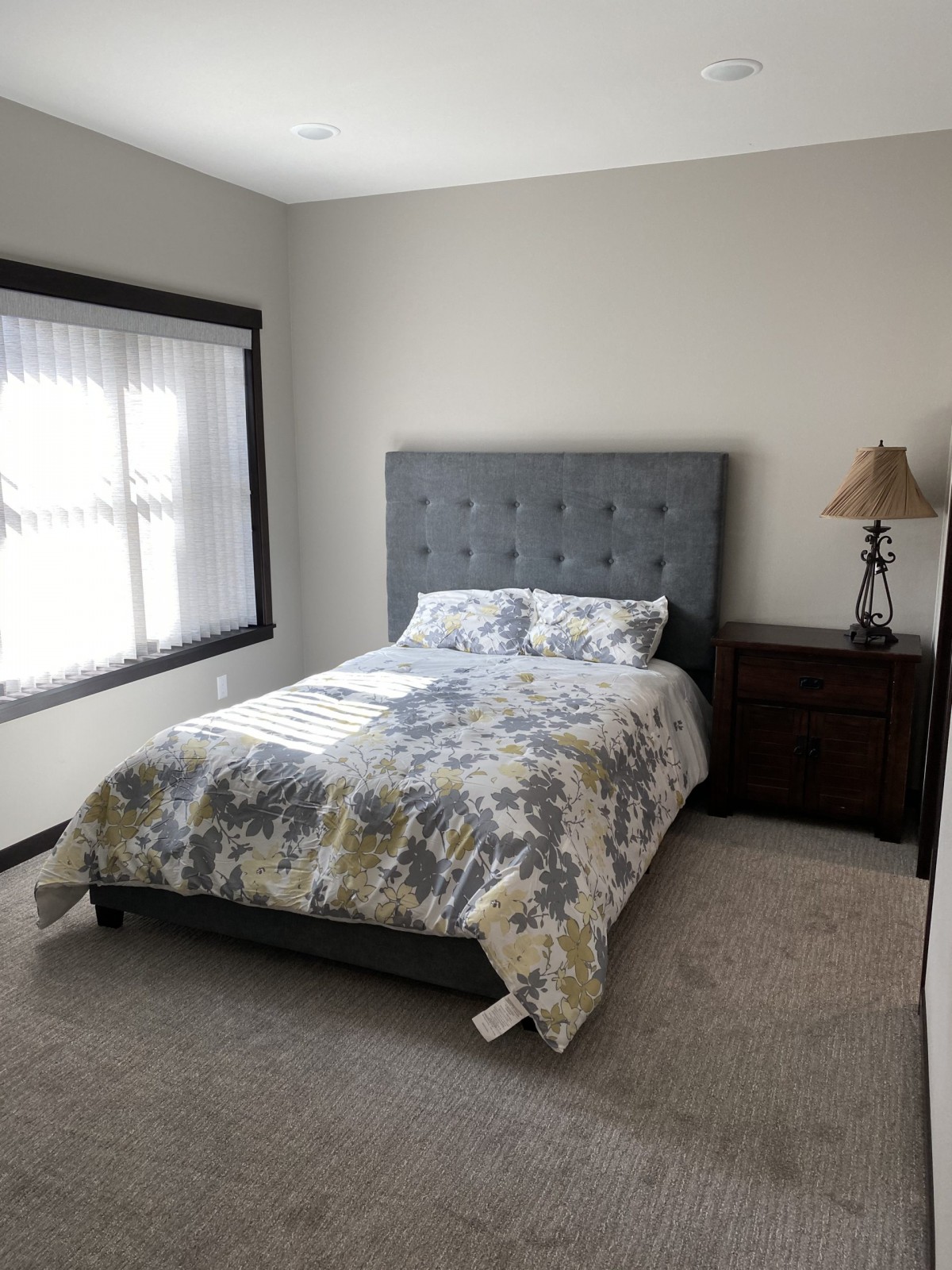
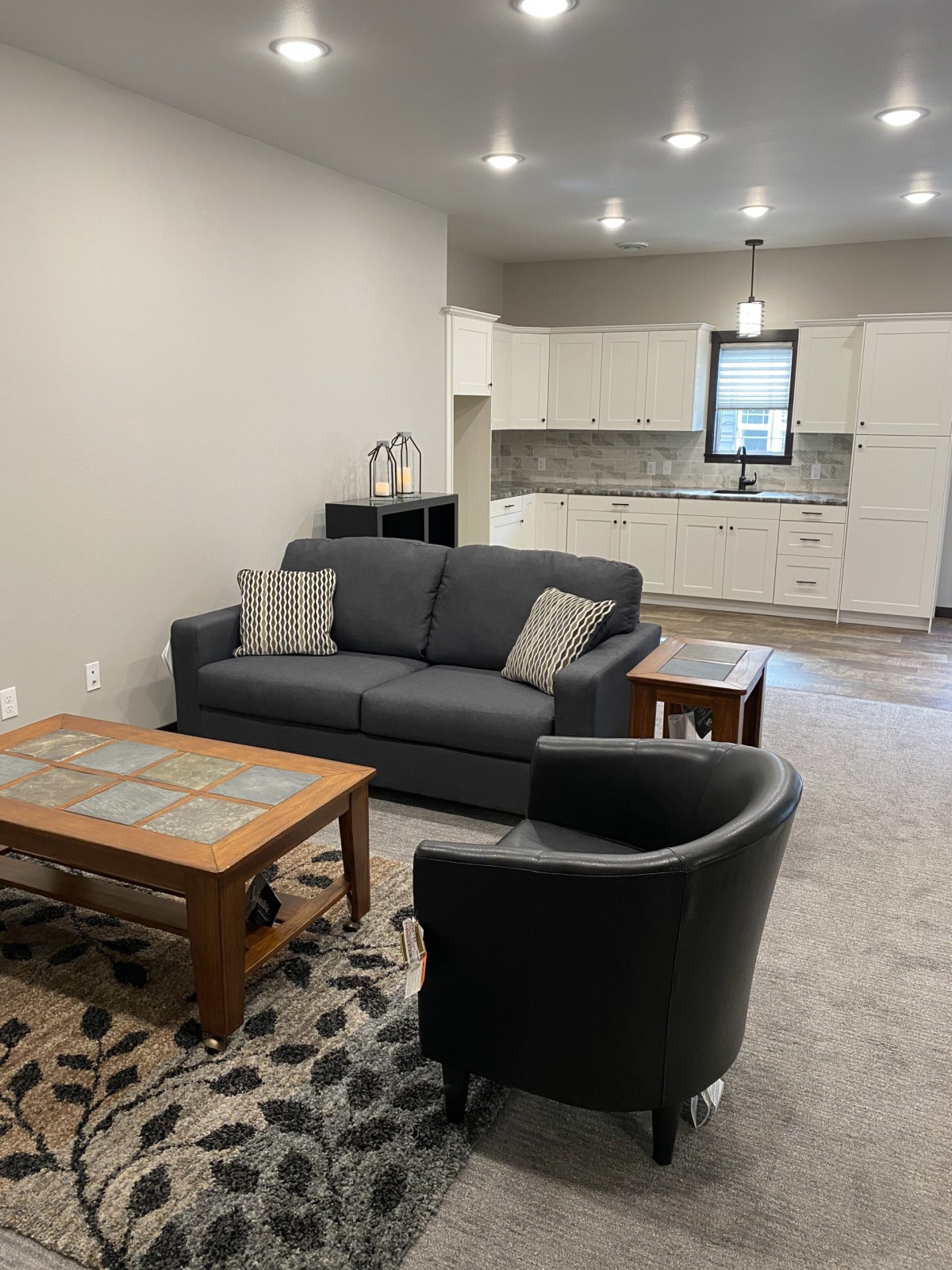
420 21St Street Sw, Huron, SD 57350
For more information about senior living options: (866) 208-4318
Overall Review of Stoneybrook Suites I
Pros
 They are hiring, offering opportunities for employment.
- They have openings for new staff to join the team.
- There is potential for positive change in how staff are treated.
Cons
 They hire people and then tell them their services are no longer required.
- The treatment of staff is horrendous.
- They need to do better.
Review
Stoneybrook Suites I in Huron, SD is best suited for seniors who want a straightforward, budget-conscious assisted living option and can tolerate some variability in staffing and day-to-day consistency. The community presents as a smaller, home-like setting where positive experiences are possible when the team is aligned and engaged. Families choosing this option should not expect uniform, flawless service every day, but rather a potential for warmth and attentive care at times, balanced against the realities of turnover and administrative fluctuation that show up in the overall score.
Those who may want to consider alternatives include families that prioritize rock-solid staffing stability, transparent management accountability, and a consistently high level of resident-to-caregiver interaction. If a resident requires highly reliable daily assistance, predictable schedules, or a track record of steady, supportive administration, this community’s mixed reviews and reported staff-treatment concerns are strong signals to compare other nearby options. For families with tighter expectations around morale, communication, and long-term caregiver continuity, exploring other facilities first is prudent.
On the positives, two 5-star reviews suggest there are times when residents experience genuinely favorable care, ambiance, or everyday routines that meet or exceed expectations. These high marks imply that when leadership and frontline staff are functioning well, residents can benefit from responsive attention and a welcoming environment. However, those signals exist alongside more mixed experiences reflected in the broader rating and in the most pointed critique, making it clear that excellent moments are not consistently delivered across all shifts or days.
The most serious red flag centers on staffing dynamics and how they are managed. A review alleging that staff are treated poorly and that turnover or abrupt halt to hires can occur on a first shift points to deeper organizational instability. When employees feel undervalued or are not retained, continuity of care, familiarity with residents’ needs, and timely assistance can all suffer. In a setting that relies on dependable caregiving teams, such turnover can translate to residents repeatedly adjusting to new caregivers, repeating preferences, and acclimating to changing routines, frictions that undermine comfort and safety.
In weighing these elements, the key question becomes whether leadership can convert the potential shown in isolated positive experiences into a reliably positive trajectory for every resident. The offset hinges on concrete, verifiable improvements: lower turnover, transparent communication from administrators, stable scheduling, and a demonstrated commitment to staff development and respect. Without those assurances, the favorable moments risk remaining sporadic rather than foundational. Prospective families should insist on clear plans for staffing stability and seek documented references from current or recent residents’ families about consistent care and responsive administration.
The practical path forward is deliberate and evidence-driven. Schedule a hands-on tour during peak hours to observe how staff interact with residents, note staff-to-resident ratios, and ask to meet the administrator and several frontline caregivers. Request specific metrics: annual turnover rate, average tenure of nursing and caregiving staff, and how scheduling is managed when demand fluctuates. Seek recent resident or family references that address continuity of care, responsiveness, and morale. If the answers reveal a credible plan for stability and a culture that treats staff with respect, Stoneybrook Suites I can be a reasonable match for those who can live with some day-to-day variability. If not, families should pursue alternatives that promise steadier staffing, clearer accountability, and a consistently positive resident experience.
 49 resident community capacity
 Assisted Living
 Beauty salon
 Cable or satellite TV
 Dining room
 Fully furnished
 Garden
 Housekeeping services
 Kitchenette
 Move-in coordination
 Outdoor space
 Telephone
 Wi-Fi/high-speed internet available
 24-hour call system
 Activities of daily living assistance
 Assistance with bathing
 Assistance with dressing
 Assistance with transfers
 Diabetes diet
 Meal preparation and service
 Medication management
 Mental wellness program
 Special dietary restrictions
 Transportation arrangement (medical)
 Transportation to doctors appointments





 How and When Medicaid May Cover Assisted Living Costs
 A Detailed Exploration of Assisted Living Medicaid Waivers Across the United States
 Comprehensive Residential Support and Assisted Living Solutions for Individuals with Disabilities