
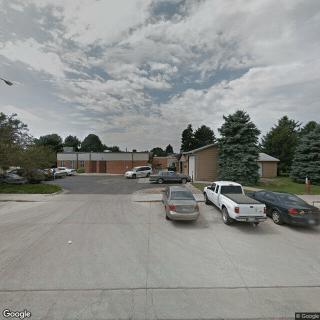
300 W Hazel Ave, Howard, SD 57349
To contact a resident: (605) 772-4481
For more information about senior living options: (866) 208-4318
Overall Review of Good Samaritan Society - Howard ALC
Pros
 The staff at the Good Samaritan Society nursing home are very caring and welcoming to visiting family.
- The facility offers 24/7 availability, allowing calls and visits at any time.
- The staff often care for both the resident and the family, asking if there is anything they can do.
- When the mom passed away, the staff held a small service in the room and prayed with the family.
- The family felt their mom was loved and treated as a member of the family.
Review
This community is best suited for families seeking a small-community, genuinely caring assisted living environment where residents are treated like family and visiting is warmly welcomed. Good Samaritan Society - Howard ALC excels for those who prioritize immediate, around-the-clock accessibility to staff and a culture that prioritizes comfort, communication, and personal connection. It is particularly fitting for seniors who value being enveloped by attentive caregivers and who want end-of-life and family-supportive moments handled with sensitivity and respect. In short, it suits families that measure quality by warmth, continuity, and the sense that care extends to loved ones’ emotional needs as well as their physical ones.
Those who may want to consider alternatives include families looking for highly polished amenities, briskly organized activity calendars, or uncompromising consistency across shifts. The community’s mixed online ratings, several strong reviews alongside a couple of low scores, signal that experiences can diverge. If a resident requires very predictable routines, specialized therapies, or a uniform standard of care across days and nights, exploring other options with a stronger track record on consistency may be prudent. This is not a one-size-fits-all setting; it rewards flexibility and personal engagement but may fall short for those who demand a more uniform operating tempo.
The strongest positives center on the human touch: staff who are described as caring and welcoming, and a facility that makes families feel included in the care process. The ability to reach caregivers at any time and to visit without rigid constraints matters deeply when peace of mind hinges on visibility and involvement. The sense that staff extend themselves toward the family, checking in on relatives, coordinating shared moments, and even conducting a compassionate end-of-life gathering in the resident’s room, creates a powerful emotional anchor for families navigating serious illness or end-of-life transitions. These elements can offset the absence of a more glossy, modern-image environment by delivering real, day-to-day reassurance.
The main caveat rests in the mixed feedback reflected in the rating spread. A 3.3 overall score with both 5-star accolades and 1-star criticisms points to variability in experience, likely tied to staffing realities and individual shifts. Without access to detailed, systematic complaints, it is wise to anticipate that some families will champion the level of personal attention, while others may encounter gaps in pace, consistency, or communication. In any case, the strongest defense against these concerns is proactive engagement: regular check-ins with caregivers, scheduled reviews of care plans, and clear, open channels for addressing issues as they arise.
When the pros align with the resident’s needs, namely, a warm, family-centered model, constant staff availability, and meaningful, personalized interactions, the cons become more manageable. The same 24/7 access that supports anxious relatives also reduces the risk of unnoticed changes in condition, and the emphasis on family participation often leads to quicker problem-solving and reassurance. The emotionally charged moments, such as last-family rites or bedside conversations, are more likely to be handled with dignity, giving families a sense of closure that can outweigh occasional operational bumps. In other words, care that centers people, not processes, tends to win out.
For families making a decision, the practical path is clear: assess how critical warmth, accessibility, and family involvement are to the senior’s welfare and to how the family wants to participate in daily life. If these are non-negotiable, Good Samaritan Society - Howard ALC stands out as a viable choice with proven strengths in compassionate care and family-centered support. If, however, the priority leans toward a highly predictable routine, abundant structured programming, or a consistently flawless rating across all shifts, it pays to compare additional options and request candid conversations with administrators about staffing patterns, care coordination, and pace of daily life. Consider a visit to observe interactions firsthand, request a few unannounced family-centered scenarios, and ask for recent reference stories to ground expectations in real, recent experiences.
 Assisted Living
 Independent Living
 Activities on-site
 Devotional services off-site
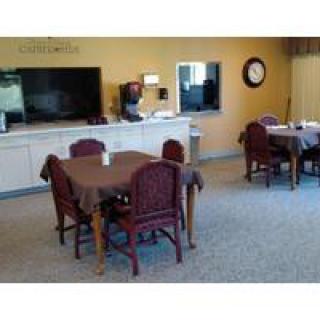
 Indoor common areas
 Ambulatory care
 Diabetic care
 Meals provided

 Vibrant Senior Living: A Comprehensive Guide for Active Older Adults
 When to Transition from Assisted Living to Memory Care: Key Indicators, Steps, and Finding the Right Community
 Assisted Living and Memory Care: Understanding Their Core Differences