Avera Eureka Health Care Center Assisted Living

Save
Avera Eureka Health Care Center Assisted Living

Avera Eureka Health Care Center Assisted Living

202 J. Avenue, Eureka, SD 57437

For more information about senior living options: (844) 490-3973

3 from 2 reviews
Assisted Living Board and Care Home Skilled Nursing Facility

Overall Review of Avera Eureka Health Care Center Assisted Living

Pros

  • pro The Eureka healthcare Center is described as a great critical access hospital.
  • pro The staff are praised for their quality of care.

Cons

  • pro There is no way to inquire about long-term care at Eureka Healthcare Center other than a direct phone call.
  • pro The current process wastes valuable time on phone calls instead of allowing email or online questionnaires.
  • pro The absence of email or online questionnaire options is problematic and would alleviate the problem.

Review

Clear and compassionate communication is the cornerstone of making tough decisions about long-term care, especially when a family is trying to understand options for a loved one. In this account, the caregiver describes a search that stretched over several weeks, only to arrive at a frustrating bottleneck: the Eureka healthcare Center appears to offer only one clear path to obtain information about long-term care - a direct phone call. Everything hinges on that one contact method, leaving little room for asynchronous questions, written records, or a way to gather details without tying up a phone line.

The reviewer emphasizes a practical barrier that many families will recognize: the absence of a straightforward email option or an online form for inquiries. They suggest that an email contact or an online questionnaire would dramatically ease the process, eliminating the need for repeated phone calls and the corresponding back-and-forth that can drain valuable time. This is not simply a matter of convenience; it translates into how much time caregivers and healthcare professionals can devote to the actual task of caring for patients rather than managing administrative steps.

There is a notable undercurrent of efficiency and care in the message. The caregiver notes that the current process feels wasteful, consuming time that could otherwise be redirected toward patient care. The implication is that when information gathering is slowed or complicated by a single communication channel, it can ripple into delays or friction in the overall care pathway. In other words, the lack of an alternative contact method doesn't just inconvenience families - it has the potential to indirectly affect the flow of care and the experience of those awaiting answers about long-term arrangements.

Despite these logistical concerns, the reviewer also offers a strong, positive appraisal of the facility's core strengths. The Eureka healthcare Center is described as a "great critical access hospital," with a commendable staff. This nod to the hospital's status and personnel highlights the value of high-quality clinical care, especially in rural or resource-limited settings where critical access hospitals play a vital role in providing essential services close to home. The praise suggests a trusted clinical team and a supportive environment that families rely on during challenging times.

The overall tone balances admiration for the hospital's clinical capability with a clear call for better communication tools. The description acknowledges that the hospital and its people are capable and dedicated, even as the process to obtain essential information about long-term care feels cumbersome. The contrast between strong clinical performance and an inconvenient or outdated inquiry channel underscores a familiar tension in healthcare: excellent patient care can be paired with administrative systems that lag behind patient needs.

Looking forward, the review implicitly offers a path for improvement that could benefit both families and clinicians. Introducing an email channel or an online inquiry form, perhaps with secure messaging or an easy-to-fill questionnaire, would align the hospital's operational practices with modern expectations for accessibility and efficiency. Such a change could reduce phone-time demands on staff, streamline initial inquiries, improve record-keeping, and free up caregivers to focus more fully on patient-centered tasks. In short, it would support the hospital's strengths in care while removing a notable friction point for families seeking information about long-term arrangements.

Taken together, the account paints a picture of a capable, compassionate clinical team operating within a system that would benefit from a more flexible communication approach. The Eureka healthcare Center earns praise for its status as a critical access hospital and for the dedication of its staff, yet the reviewer's experience makes a compelling case for adding asynchronous contact options. By embracing email or online questionnaires, the hospital could preserve and even enhance its trusted reputation, ensuring that families have timely, convenient access to essential information without detracting from the core mission of patient care.

Features

Housing

  • 4 resident community capacity 4 resident community capacity

Types of Care

  • Assisted Living Assisted LivingAssisted living facilities provide crucial support and care for seniors who may need help with daily tasks such as medication management, bathing, and meal preparation. These communities offer a safe and comfortable environment where seniors can maintain their independence while receiving the assistance they need to thrive in their golden years.
  • Board and Care Home Board and Care HomeBoard and care homes provide a smaller, more intimate setting for seniors who require assistance with daily tasks but do not need the level of care offered by a nursing home. They offer personalized care, meals, and social activities in a homelike environment, ensuring that seniors receive individualized attention and support in their golden years.
  • Skilled Nursing Facility Skilled Nursing FacilitySkilled Nursing Facilities are crucial for seniors as they provide round-the-clock medical care, rehabilitation services, and assistance with daily activities. These facilities ensure that seniors receive the specialized care they need to maintain their health and well-being as they age.

Amenities

  • Cable or satellite TV Cable or satellite TVCable or satellite TV is important for seniors because it provides entertainment, news, and companionship, helping to combat loneliness and boredom. It also offers a wide range of programming options tailored to different interests and preferences.
  • Dining room Dining roomDining rooms are important for seniors as they provide a space for socialization, connection, and nutritious meals. They offer opportunities for residents to bond over shared meals, foster a sense of community, and promote healthy eating habits. Dining rooms also ensure that seniors have access to well-balanced meals tailored to their dietary needs and preferences.
  • Fully furnished Fully furnishedFully furnished senior living communities are important for seniors because they provide convenience, comfort, and a hassle-free moving experience. Seniors can easily settle into their new living space without the stress of having to buy and move furniture. This allows them to focus on enjoying their new home and community.
  • Garden GardenGardens are important for seniors as they provide a peaceful and therapeutic environment for relaxation, physical activity, and socialization. Being in nature has been shown to reduce stress, improve mood, and promote overall well-being. Gardens also offer opportunities for seniors to engage in gardening activities, which can improve mobility, flexibility, and cognitive function. Additionally, gardens create a sense of community and connection with others who share a passion for plants and outdoor spaces.
  • Housekeeping services Housekeeping servicesHousekeeping services are important for seniors because they help maintain a clean and safe living environment, promote independence, and reduce the risk of accidents or illnesses. Additionally, having assistance with household chores can alleviate physical strain and allow seniors to focus on other aspects of their well-being.
  • Move-in coordination Move-in coordinationMove-in coordination is important for seniors because it helps ease the transition into their new living environment. It ensures that all logistics, such as packing, organizing movers, and setting up utilities are taken care of, allowing seniors to focus on settling in and adjusting to their new home. Having a smooth move-in process can alleviate stress and anxiety, making the transition smoother and more enjoyable for seniors.
  • Outdoor space Outdoor spaceOutdoor spaces are important for seniors as they provide opportunities for physical activity, social interaction, exposure to natural light and fresh air, and a sense of connection to nature. Having access to outdoor spaces can improve overall well-being and quality of life for older adults living in senior communities.
  • Telephone TelephoneTelephones are important for seniors as they provide a lifeline for communication with loved ones, emergency services, and healthcare providers. They offer a sense of security and independence, enabling seniors to stay connected and access assistance when needed.
  • Wi-Fi/high-speed internet available Wi-Fi/high-speed internet availableWi-Fi/high-speed internet is important for seniors to stay connected with loved ones, access online resources, and participate in virtual activities to combat feelings of loneliness and isolation. It also allows them to easily manage healthcare needs, access entertainment, and engage in lifelong learning opportunities.

Care Services

  • 24-hour supervision 24-hour supervision24-hour supervision is important for seniors to ensure their safety, well-being, and access to immediate assistance in case of emergencies or health issues. This constant support provides peace of mind for both seniors and their loved ones, allowing them to age in place with dignity and security.
  • Activities of daily living assistance Activities of daily living assistanceActivities of daily living assistance are important for seniors because they provide essential support with tasks such as eating, bathing, dressing, and mobility. This assistance helps seniors maintain their independence, dignity, and overall quality of life as they age.
  • Assistance with bathing Assistance with bathingAssistance with bathing is crucial for seniors as it helps maintain personal hygiene, prevents infections, and ensures their overall well-being and comfort. It also provides a sense of dignity and independence for seniors who may struggle with this task on their own.
  • Assistance with dressing Assistance with dressingAssistance with dressing is important for seniors because it helps maintain their independence, promotes personal hygiene, prevents accidents and injuries, and improves overall quality of life. This service ensures that seniors can continue to dress comfortably and confidently, despite any physical limitations they may have.
  • Assistance with transfers Assistance with transfersAssistance with transfers is crucial for seniors as it helps prevent falls and injuries, maintains their independence, and ensures they can safely navigate their living environment. It also provides peace of mind for both seniors and their loved ones.
  • Coordination with health care providers Coordination with health care providersCoordination with health care providers is crucial for seniors to ensure proper medical care, medication management, and overall well-being. This collaboration helps prevent overlapping treatments, track progress more effectively, and provide comprehensive support tailored to individual needs.
  • Diabetes diet Diabetes dietA diabetes diet is crucial for seniors as it helps manage blood sugar levels, reduce risks of complications, and improve overall health and well-being. By following a balanced and nutritious diet tailored to their specific needs, seniors can better control their diabetes and enhance their quality of life.
  • Meal preparation and service Meal preparation and serviceMeal preparation and service are crucial for seniors as they may have limited mobility or energy to cook nutritious meals. Having access to healthy and convenient food options can ensure they are getting the proper nutrition needed to maintain their overall health and well-being.
  • Medication management Medication managementMedication management is crucial for seniors to ensure they are taking the right medications at the correct dosages and times. This helps prevent adverse drug interactions, reduces the risk of medication errors, and promotes overall health and well-being. Proactive management also allows for adjustments as needed based on changing health conditions or new prescriptions.
  • Special dietary restrictions Special dietary restrictionsSpecial dietary restrictions are important for seniors because age-related changes in metabolism and health conditions can make it difficult for their bodies to process certain foods. By following a diet tailored to their specific needs, seniors can maintain their overall health and well-being, manage chronic conditions, and reduce the risk of complications such as malnutrition or food interactions with medications.
  • Transportation arrangement (medical) Transportation arrangement (medical)Transportation arrangements for medical purposes are essential for seniors as they may have difficulty driving themselves to appointments or accessing public transportation. Having reliable and safe transportation options ensures that seniors can receive timely medical care and maintain their health and well-being.
  • Transportation to doctors appointments Transportation to doctors appointmentsTransportation to doctors' appointments is crucial for seniors as it ensures they have access to necessary medical care and support for their health needs. Without reliable transportation, seniors may struggle to attend important appointments, leading to potential delays in treatment and health complications. Providing transportation services helps seniors maintain their overall well-being and quality of life.

Dining

  • Diabetes diet Diabetes dietA diabetes diet is crucial for seniors as it helps manage blood sugar levels, reduce risks of complications, and improve overall health and well-being. By following a balanced and nutritious diet tailored to their specific needs, seniors can better control their diabetes and enhance their quality of life.
  • Special dietary restrictions Special dietary restrictionsSpecial dietary restrictions are important for seniors because age-related changes in metabolism and health conditions can make it difficult for their bodies to process certain foods. By following a diet tailored to their specific needs, seniors can maintain their overall health and well-being, manage chronic conditions, and reduce the risk of complications such as malnutrition or food interactions with medications.

Activities

  • Community-sponsored activities Community-sponsored activitiesCommunity-sponsored activities are important for seniors as they provide opportunities for social interaction, mental stimulation, and physical activity. These activities can help improve overall well-being, combat loneliness and isolation, and promote a sense of belonging and purpose among older adults.
  • Scheduled daily activities Scheduled daily activitiesScheduled daily activities are important for seniors because they provide structure, socialization, mental stimulation, and physical activity. Engaging in regular activities can improve overall well-being and quality of life for seniors living in a community setting.

Description

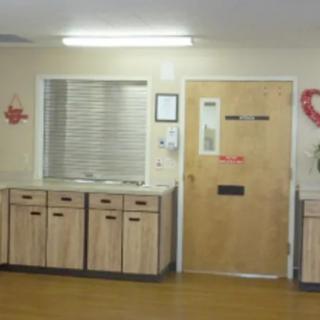
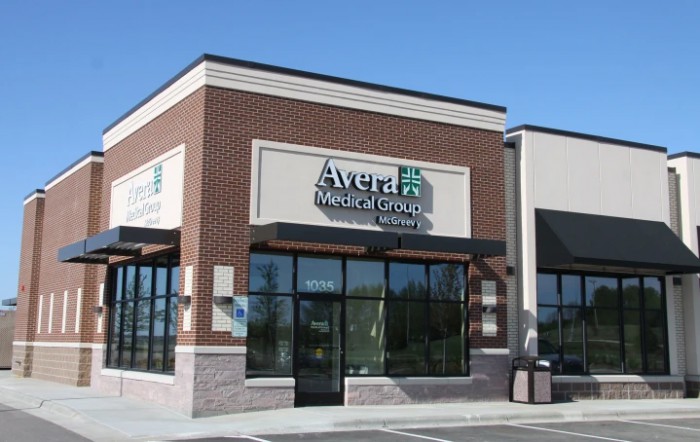
Avera Eureka Health Care Center Assisted Living in Eureka, SD is a warm and welcoming community that offers both board and care home as well as skilled nursing facility options. The center provides a range of amenities to ensure the comfort and convenience of its residents.

Residents will enjoy delicious meals prepared in the dining room, which is fully furnished for their enjoyment. The center also boasts a beautiful garden and outdoor space where residents can relax and enjoy nature. Housekeeping services are provided to maintain a clean and organized environment.

For those who require assistance with daily activities, the center offers support with bathing, dressing, and transfers. The staff at Avera Eureka Health Care Center will coordinate with health care providers to ensure that residents receive the necessary medical attention. Medication management is also available for those who need it.

The center takes special dietary restrictions into consideration when preparing meals for residents. Both diabetes diets and other special dietary needs can be accommodated. Transportation arrangements for medical purposes as well as transportation to doctors' appointments are provided.

Residents will have the opportunity to engage in scheduled daily activities, promoting socialization and mental stimulation. Additionally, there are parks, pharmacies, physicians, places of worship, and transportation options all conveniently located nearby.

At Avera Eureka Health Care Center Assisted Living, residents can expect exceptional care in a comfortable and supportive environment.

Nearby Places of Interest

Places of Worship

  • Catholic Church-St Joseph (0.2 miles)
  • Reformed Church (0.3 miles)
  • United Methodist Church (0.5 miles)
  • Baptist Church (0.5 miles)
  • Zion American Lutheran Church (0.5 miles)
  • United Church Of Christ (0.6 miles)
  • St John's Lutheran Church (14.7 miles)

Physicians

  • Alandy Clinic (0.4 miles)

Pharmacies

  • Vilas Pharmacy (0.4 miles)
  • White Drug (21.7 miles)
  • Turner Drug (21.9 miles)

Parks

  • Stransky Park (1 miles)
  • Centennial Park (21.6 miles)
  • Ashley Park (21.9 miles)
  • Java Park (22.6 miles)

Transportation

  • Ridge Runner Taxidermy (2.9 miles)

Cafes

  • Dakota Cafe (14.7 miles)
  • Long Lake Bar & Cafe (20.3 miles)
  • SHED BAR and CAFE (21.7 miles)
  • The Wild Rose Bar & Cafe (21.7 miles)
  • Reenies Repeat & Sweet Side Ice Cream Bar (21.8 miles)
  • Patsy's Cafe 2.0 (22.5 miles)

Restaurants

  • Zeeland Cafe (17.4 miles)
  • Sportsman's Den (17.6 miles)
  • Grandma's Kuchen (21.4 miles)
  • Roost (21.7 miles)
  • Shotgun Bar & Grille (21.9 miles)
  • Drakes Place C Store (22.4 miles)
  • Pebble Drive In (22.6 miles)

Hospitals

  • Bowdle Clinic (22.2 miles)
  • Bowdle Hospital (22.2 miles)
  • Bowdle Healthcare Center (22.2 miles)

Frequently Asked Questions

Where is Avera Eureka Health Care Center Assisted Living?

Nearby Communities

Related Resources

  • assisted living costUnderstanding the True Cost of Assisted Living in 2025: A Comprehensive Guide

    Assisted living in 2025 offers a crucial balance of independence and support for seniors, with costs varying from $2,500 to over $7,000 per month based on factors such as location and care level. Understanding pricing complexities, including regional differences and potential hidden fees, is essential for families to plan financially while ensuring quality care for their loved ones.

  • does medicaid pay for assisted livingUnderstanding Medicaid Coverage for Assisted Living: A Comprehensive Guide

    The guide outlines the complexities of Medicaid coverage for assisted living, highlighting significant state-to-state variations, limited coverage often restricted to personal care services, and the existence of specialized waivers for certain needs like memory care. It advises families to consult local Medicaid offices for options while emphasizing the importance of understanding state-specific regulations and facility policies.

  • does medicaid pay for assisted livingHow and When Medicaid May Cover Assisted Living Costs
    Medicaid coverage for assisted living varies by state and is primarily available to low-income individuals, with eligibility dependent on strict income and asset limits. Some states offer HCBS waivers for specific services in assisted living, but families must generally cover room and board costs, and should verify facility acceptance of Medicaid while considering potential waiting lists.