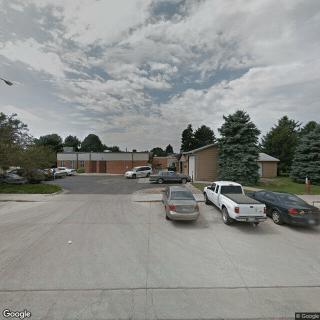
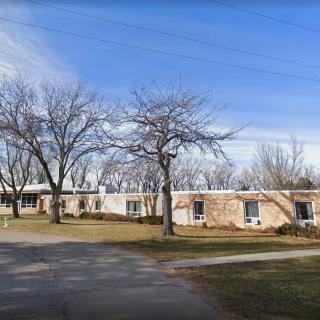
1906 12th St S, Brookings, SD 57006
To contact a resident: (605) 692-1013
For more information about senior living options: (866) 208-4318
StoneyBrook Suites Costs & Pricing
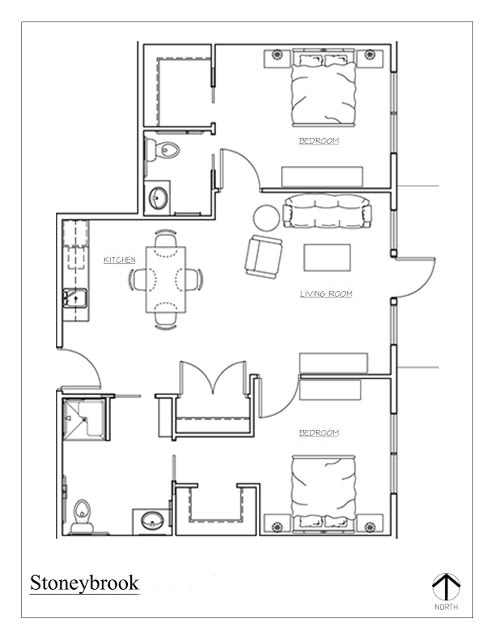
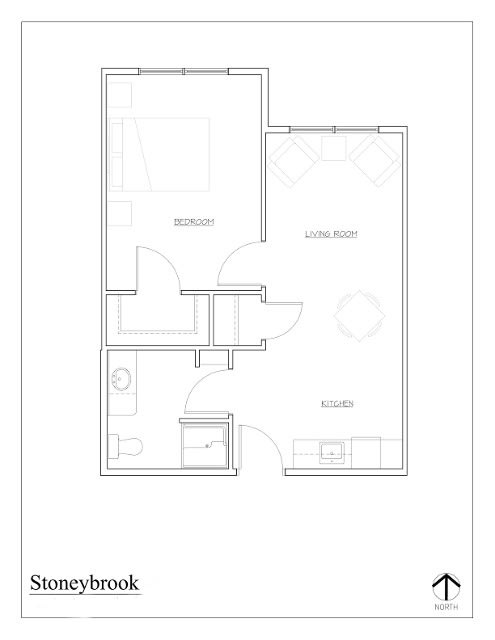
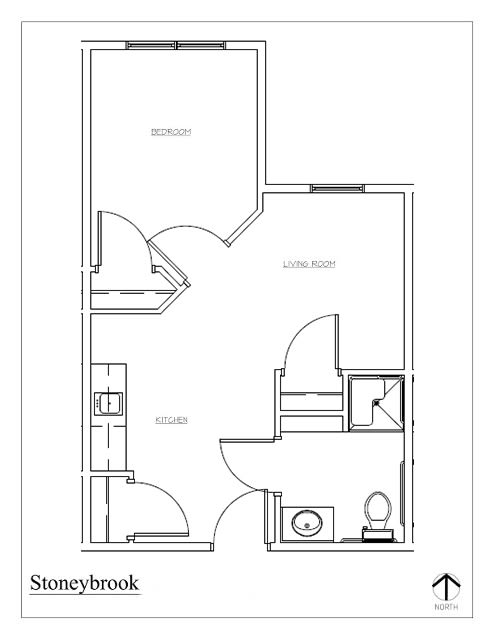
StoneyBrook Suites offers a range of accommodation options that reflect a premium pricing structure compared to both Moody County and the broader state of South Dakota. For instance, a studio at StoneyBrook is priced at $3,675 per month, significantly exceeding the county average of $2,865 and the state average of $3,381. Similarly, the one-bedroom suite costs $4,600, surpassing Moody County's rate of $3,916 and South Dakota's average of $3,189. The two-bedroom option follows this trend with a monthly cost of $6,095, well above the county's typical charge of $4,620 and the state's average of $3,667. This suggests that StoneyBrook Suites positions itself as an upscale choice within its locale, likely catering to residents seeking enhanced amenities and services.
| Floor plans | StoneyBrook Suites | Moody County | South Dakota |
|---|---|---|---|
| Studio | $3,675 | $2,865 | $3,381 |
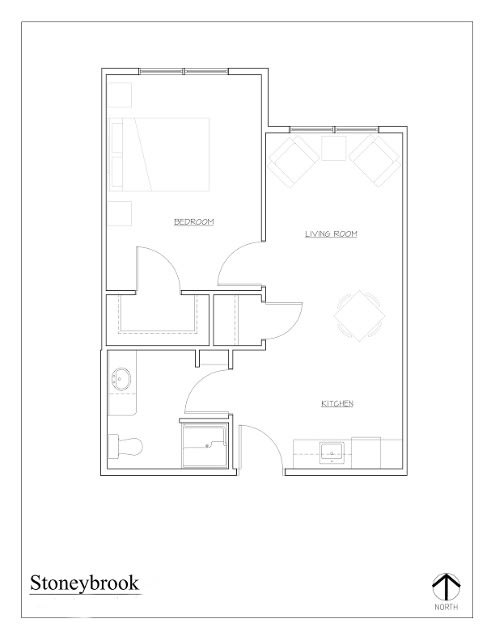
| 1 Bedroom | $4,600 | $3,916 | $3,189 |
| 2 Bedrooms | $6,095 | $4,620 | $3,667 |
Assisted Living communities with a similar price nearby
-
from +$650 / mo
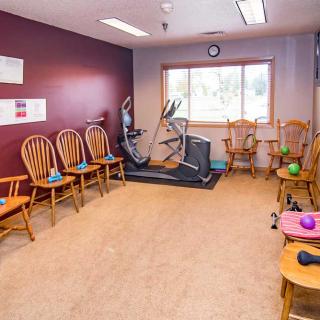
Edgewood Greenleaf Flandreau
$4,325 / month19.4 miles away -
from -$180 / mo
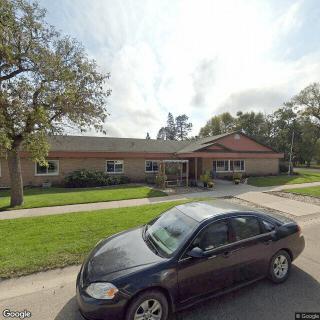
Dakota Sum Assisted Living
$3,495 to $4,195 / month7.9 miles away
Overall Review of StoneyBrook Suites
Pros
 The staff at StoneyBrook are wonderful and caring, with lots of activities available.
- Residents look forward to meals, especially pizza and ice cream.
- Residents love doing the activities and especially enjoy watching PureFlix movies.
- The staff are kind and caring, and residents are well taken care of.
- The environment at StoneyBrook feels like family to visitors.
- Residents can participate in the walking club and chair exercises.
Cons
 Weekends can get very long for some residents.
- The resident has been gaining weight since moving into StoneyBrook.
- The resident's rating on activities is a little lower because they are blind and cannot participate in all activities.
Review
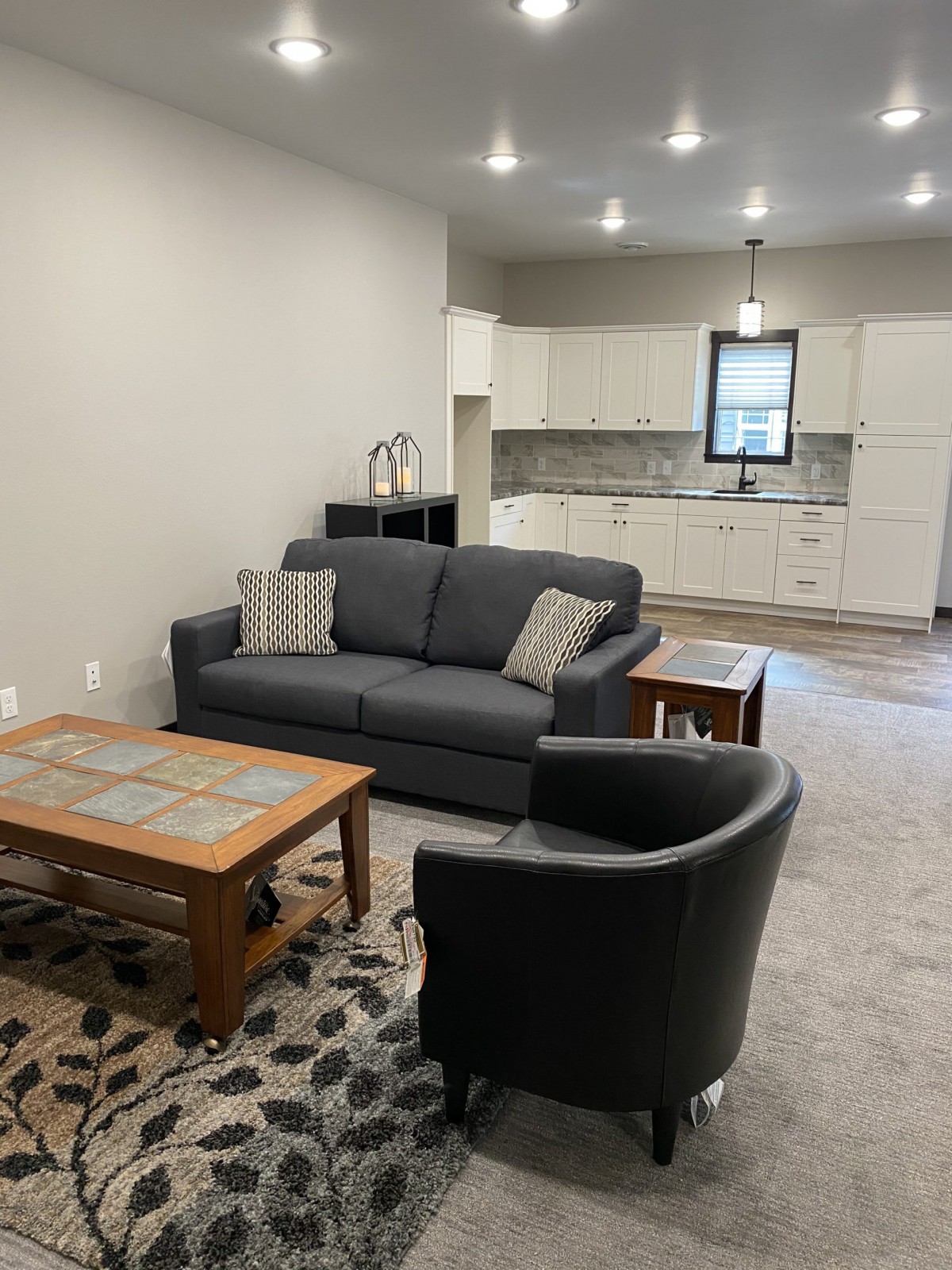
StoneyBrook Suites in Brookings, SD, is best suited for active seniors who prize a warm, family-like atmosphere where staff know residents by name and daily life centers on socially engaging activities and dependable caregiving. This community excels for families seeking reassurance that a loved one will be cared for with kindness and personal attention, and for residents who value reliable programming that keeps them connected. The cadence of activities, walking clubs, chair exercises, and a steady stream of events, paired with approachable, enjoyable dining creates a low-stress, welcoming routine. Meals have become a social centerpiece, with favorites like pizza and ice cream fueling conversation and camaraderie. In short, StoneyBrook delivers a lived-in, caring environment that feels like home while maintaining a strong sense of community.
That clarity also folds in who should scrutinize alternatives. Those who insist on a highly structured weekend schedule or who rely on robust, on-site medical oversight may find the balance here imperfect and should compare communities with more expansive weekend programming or deeper clinical support. Residents with significant visual impairment or other substantial participation barriers may encounter uneven access to activities, despite attempts to provide inclusive options such as walking groups and seated exercise. Families considering higher-acuity needs, memory-care specialization, or intensive medical management will want to benchmark against options that foreground those services. And anyone who prioritizes a strict separation from indulgent dining moments may view the weight-management implications of the menu as a potential mismatch with wellness goals over time.
The core advantages, especially the compassionate staff and the social fabric, do meaningful work in offsetting the noted drawbacks. Staff consistently come across as kind, attentive, and protective, creating a sense of safety that makes participation feel worthwhile rather than optional. The activity calendar, while improvable, offers enough variety to sustain engagement for most residents, with the movie theatre and in-house entertainment choices supplying familiar, comforting entertainment that resonates with many. The family-like feel amplifies the quality of daily life, so even when a resident cannot join every activity, the atmosphere remains inclusive and welcoming. In practice, that combination of care and community can make weekends feel less burdensome and daily life more predictable and satisfying.
A closer look at the dining and social environment reveals a practical strength: meals that people look forward to. The enthusiasm around pizza and ice cream is more than preference, it’s a signal that food occasions are social anchors, strengthening connections during visits and within the community. That ethos aligns well with residents who thrive on companionship and regular interaction. The same strength also highlights the need for ongoing refinement: weekend programming could be beefed up to reduce idle time, and accessibility improvements for those with sensory limitations could widen participation. Still, the existing framework, accessible recreation, regular activity, and a hospitable dining culture, compensates for these gaps through everyday warmth and predictable routines.
For families evaluating options, a pragmatic approach is essential. Ask for concrete weekend schedules and how the community plans to scale activities for residents with varying mobility or sensory needs. Review the dining plan for nutritional balance and how treats are integrated into a broader wellness strategy. Consider arranging a trial stay to observe how a loved one acclimates to the rhythms of the place and how staff respond to changes in health or mood. Inquire about care-plan updates, staff availability during group events, and the practicality of escorted participation for outings or entertainment. These steps prevent idealized impressions from masking subtler frictions that affect real-world daily life.
In the end, StoneyBrook Suites stands out in Brookings for families seeking a warm, engaged community with compassionate staff, abundant activities, and a social dining culture. It is especially well-suited for residents who flourish on interpersonal connection and steady, unflooded programming, provided there is comfort with occasional weekend gaps and a few activity-accessibility caveats. If a resident’s needs tilt toward high medical acuity, intense memory-care services, or a calendar that is relentlessly packed every weekend, further exploration may yield better-fitting alternatives. For those prioritizing a home-like, people-first atmosphere where staff reliability and resident inclusion drive quality of life, StoneyBrook Suites deserves serious consideration.
 Assisted Living
 Activities off-site
 Air-conditioning
 Bath tubs
 Beautician on-site
 Cable or satellite TV
 Devotional services off-site
 Ground floor units
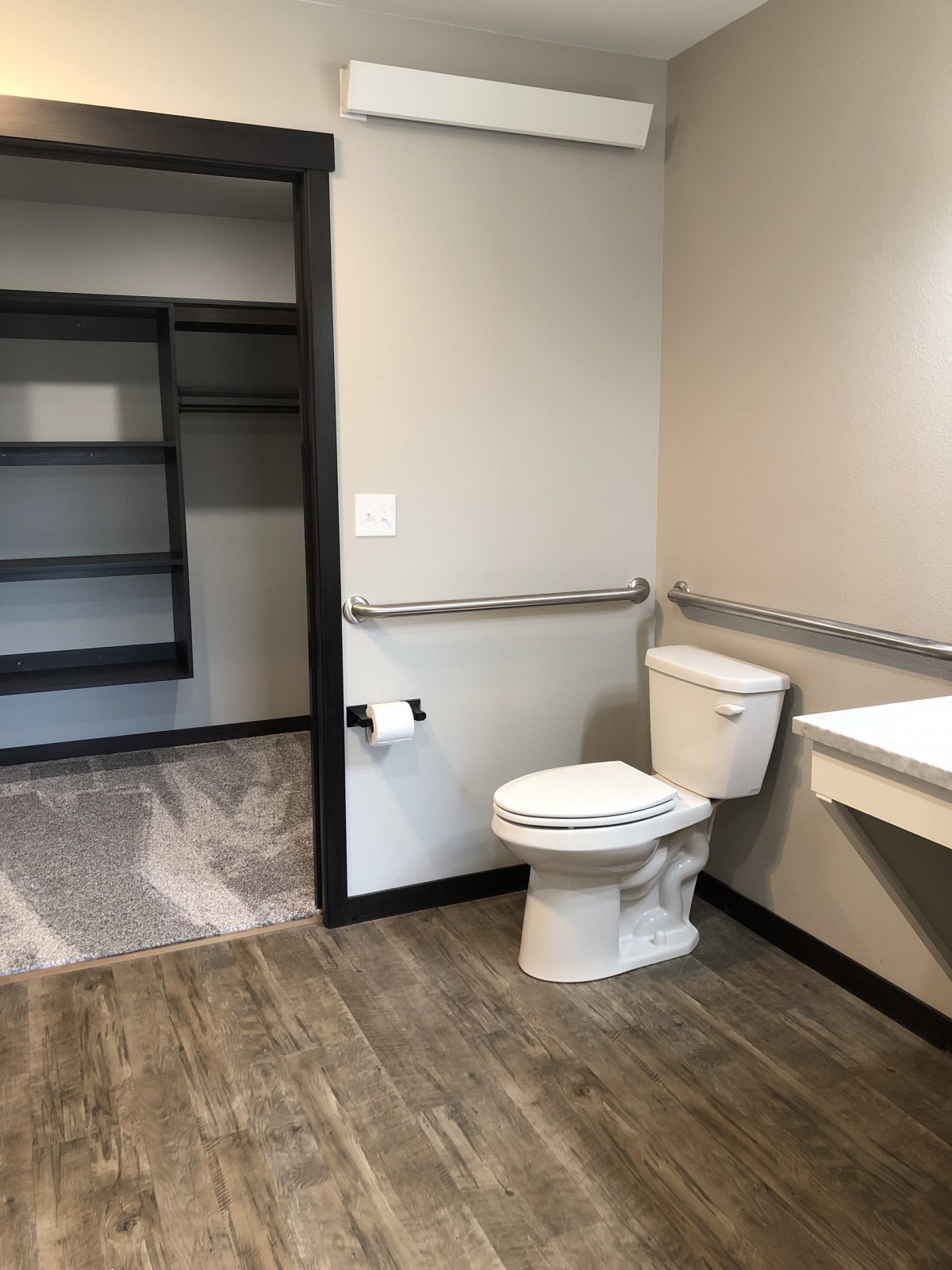
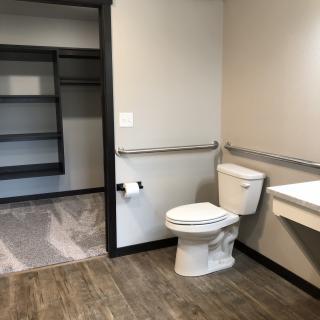
 Handicap accessible
 Indoor common areas
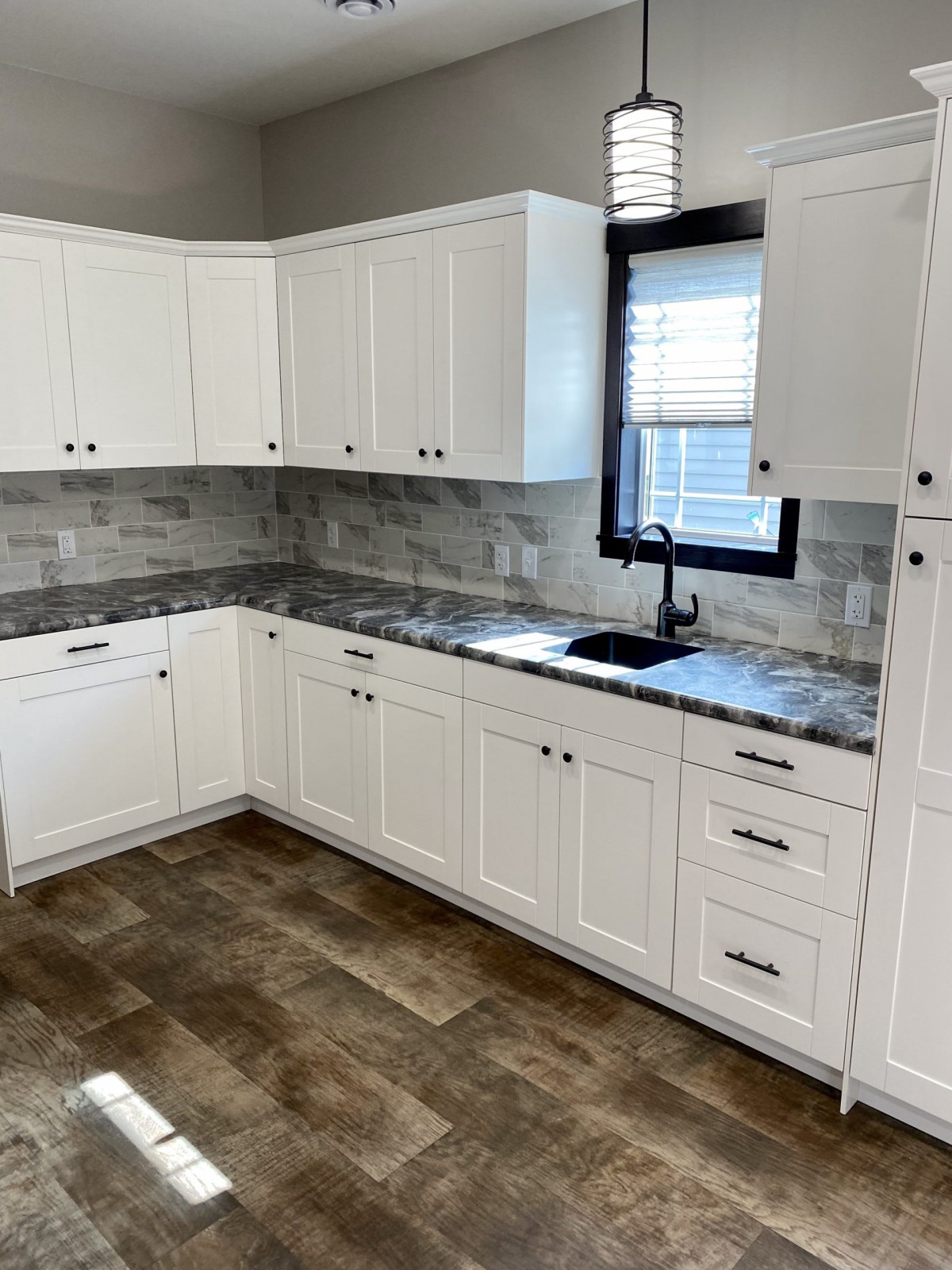
 Kitchenette
 Outdoor common areas
 Respite or short term stays offered
 Swimming pool / hot tub
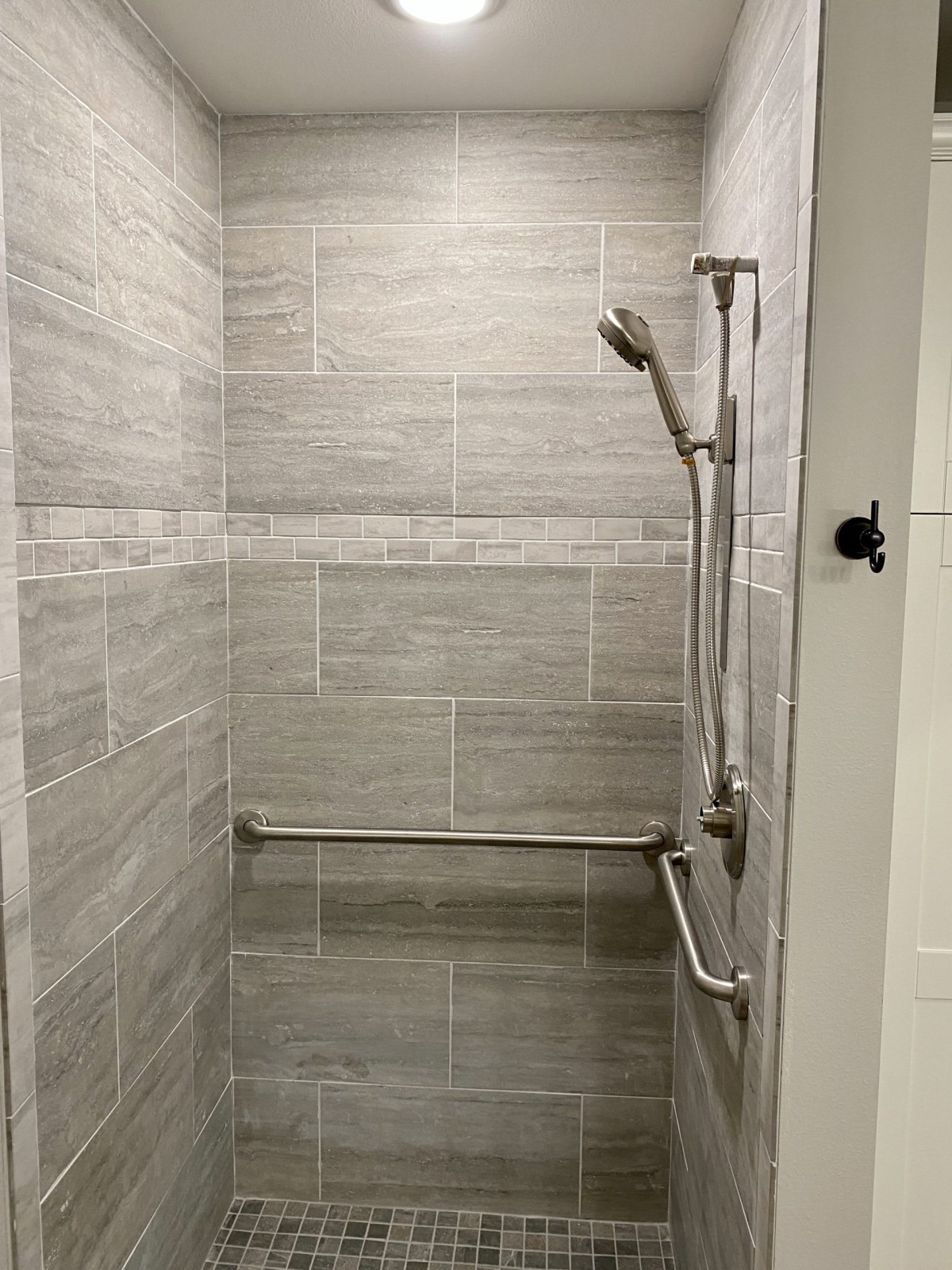
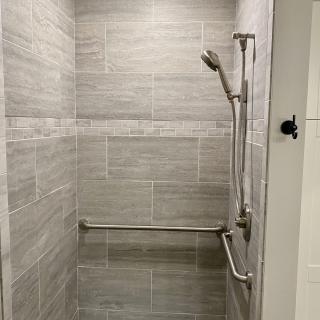
 Wheelchair accessible showers
 Ambulatory care
 Diabetic care
 Incontinence care
 Medication management
 Guest meals
 Art classes
 Cooking classes
 Day trips and outings
 Educational speakers / life long learning
 Happy hour
 Karaoke
 Live dance or theater performances
 Live musical performances
 Live well programs
 Wine tasting


 How and When Medicaid May Cover Assisted Living Costs
 A Detailed Exploration of Assisted Living Medicaid Waivers Across the United States
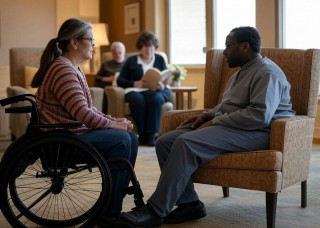 Comprehensive Residential Support and Assisted Living Solutions for Individuals with Disabilities