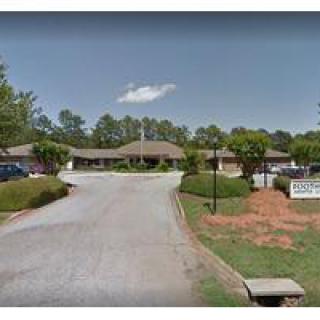
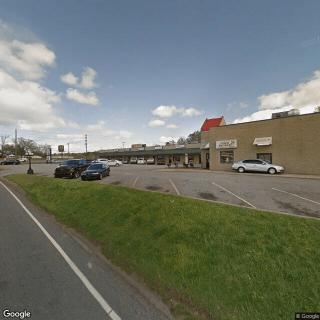
999 West Union Road, West Union, SC 29696
For more information about senior living options: (866) 208-4318
Overall Review of Foothills Assisted Living
Pros
 They did a great job with the reviewer’s dad.
- Kim, who conducts the assessments, is respected.
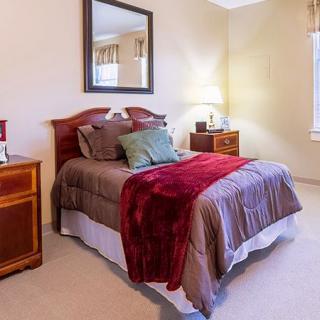
- The private room is very spacious.
- It has a nice bath.
- Everything is very lively and open.
- The food is pretty good.
- The residents were happy.
Cons
 Residents complain that rooms aren’t cleaned, there’s no toilet paper, and showers aren’t provided as they should be.
- Med techs have attitudes and PCAs don’t put effort into anything.
- Residents and their families have expressed concerns, and nothing has been done.
- Staff promised to assess the mother on Wednesday but never showed up.
- Staff would not take their phone calls.
- There were delays with Medicaid and missed assessments.
- They felt the staff judged the mother's situation because of the father's behavior.
Review
Foothills Assisted Living in West Union is best suited for families that are prioritizing a memory-care option within a modestly priced setting, and who are prepared to stay closely involved in care and operations. The strongest fit is for a loved one who needs a secured, Alzheimer’s-focused environment and a private room, features that exist in Foothills Manor, while the rest of the community remains a more basic, budget-conscious option. Those with realistic expectations about day-to-day service levels should consider this community, knowing that the secure unit can deliver a valuable level of safety and structure, but that overall reliability and consistency may vary.
Those who may want to consider alternatives are families who cannot tolerate frequent lapses in daily care, housekeeping, or administrative communication. The most compelling red flags include persistent gaps in room cleanliness, shortages of essential supplies (like toilet paper), and delays or poor follow-up in Medicaid assessments and admissions. Prospective residents who rely on timely, respectful staff interactions, trained caregivers, and predictable service routines should look elsewhere for a more consistently managed experience. In short, the strongest case for Foothills rests on memory-care needs, not on a broad assurance of steady daily care across the board.
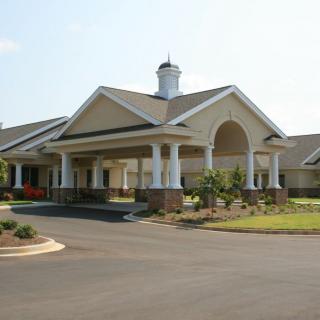
The facility does offer notable positives that can offset some concerns, particularly if memory care is the priority. The secured Alzheimer’s unit is described as spacious, with a private room and an open, lively atmosphere that can be comforting for families seeking a safe, contained space. For residents in that segment, the environment can feel appropriate and even welcoming, and the dining and social aspects in that area are generally perceived as acceptable. A few caregivers and staff members are recognized for effort and responsiveness, and the overall appearance of the dining room in at least parts of the community can convey a sense of normalcy and care when the unit is functioning well.
However, the core drawbacks cannot be dismissed. Persistent housekeeping shortcomings, rooms not cleaned regularly, lack of basic supplies, and the absence of promised showers or timely attentiveness, signal gaps in daily caregiving that are difficult to overlook. Reports of untrained-appearing staff and attitudes among med techs and PCAs compound concerns about consistent quality of care. Administrative friction, including failed Medicaid assessments and poor outreach after questions or delays, further undermines trust and can create real delays for families trying to secure placement. When basic promises collapse, like a timely lunch or a prompt response after a sit-down visit, the risk profile rises sharply for anyone evaluating Foothills.
The key to navigating Foothills lies in aligning expectations with a concrete care plan and a rigorous due-diligence process. Families should insist on an up-to-date, transparent housekeeping schedule and a clear checklist for daily care tasks, including how often rooms are cleaned, how supplies are stocked, and who handles critical items like showers and personal hygiene. Direct conversations with the Alzheimer’s unit leadership about staffing ratios, caregiver training, and supervision are essential. Prospective residents should request to see current care plans, meal schedules, and a recent incident or quality-control log, and to speak with current residents or families in varied shifts to gauge consistency. Clarify the Medicaid intake timeline, who manages assessments, and what contingencies exist if delays occur.
In sum, Foothills Assisted Living presents a pragmatic option for memory-care-focused families willing to accept uneven daily care and administrative gaps in exchange for a secure, private-room environment. For others, especially those who cannot tolerate recurrent housekeeping failures or inconsistent service levels, it is prudent to explore stronger-balanced communities with proven staffing stability and reliable admissions handling. The decision hinges on whether memory-security needs dominate the picture and whether dedicated advocacy will be sustained to mitigate the backdrop of operational volatility. If memory care is non-negotiable and due diligence confirms stable caregiving and clear communication channels, Foothills can be worth pursuing; otherwise, other nearby options are likely to deliver more consistent peace of mind.
 76 resident community capacity
 Assisted Living
 Memory Care
 Activities on-site
 Air-conditioning
 Beauty salon
 Cable or satellite TV
 Computer center
 Devotional services off-site
 Dining room
 Financial aid
 Fitness room
 Fully furnished
 Gaming room
 Garden
 Housekeeping services
 Indoor common areas
 Kitchenette
 Laundry
 Move-in coordination
 Outdoor space
 Party space
 Private bathrooms
 Restaurant-style dining
 Small library
 Telephone
 Wellness center
 Wi-Fi/high-speed internet available
 Community operated transportation
 12-16 hour nursing
 24-hour call system
 Ambulatory care
 Assistance with bathing
 Assistance with dressing
 Assistance with transfers
 Diabetes diet
 Diabetic care
 Medication management
 Mental wellness program
 Special dietary restrictions
 Concierge services
 Games
Games Live musical performances
 Planned day trips
 English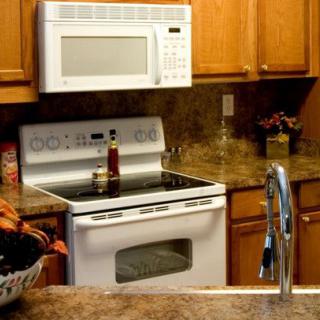

 Dementia-Related Hallucinations: Causes, Experiences, and Practical Approaches
 Illuminating Insights About Alzheimer's Disease: Ten Crucial Realities
 A Thorough Discussion of Medications Potentially Linked to Dementia Risk