
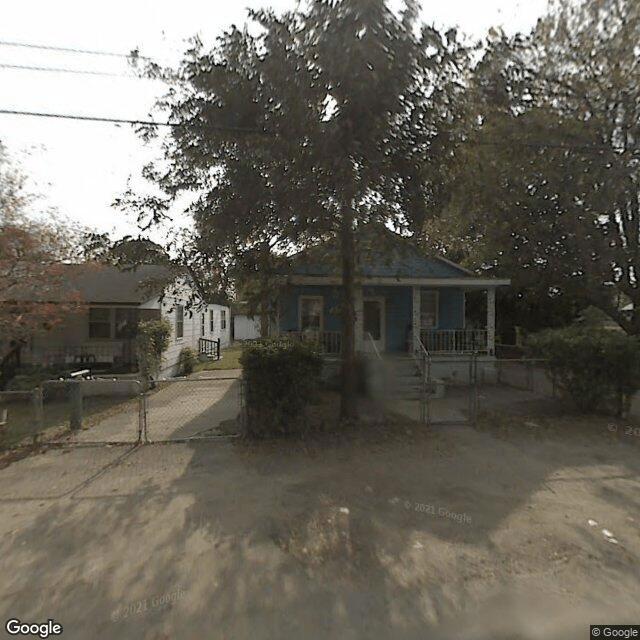
2019 Hackemann Ave, North Charleston, SC 29405
To contact a resident: (843) 568-3277
For more information about senior living options: (866) 208-4318
Presidential Community Care Costs & Pricing
Presidential Community Care offers competitive pricing for its accommodations, particularly when compared to the broader market in Charleston County and across South Carolina. For a semi-private room, residents can expect to pay $2,300 per month at Presidential Community Care, a significant savings compared to the county average of $3,539 and the state average of $3,243. Similarly, those opting for a private room will find Presidential's rate of $2,500 to be quite favorable against Charleston County's $4,075 and South Carolina's $4,246. These cost advantages highlight Presidential Community Care as an appealing option for individuals seeking quality care without straining their financial resources.
| Floor plans | Presidential Community Care | Charleston County | South Carolina |
|---|---|---|---|
| Semi-Private | $2,300 | $3,539 | $3,243 |
| Private | $2,500 | $4,075 | $4,246 |
Senior living communities with a similar price nearby
-
About the same
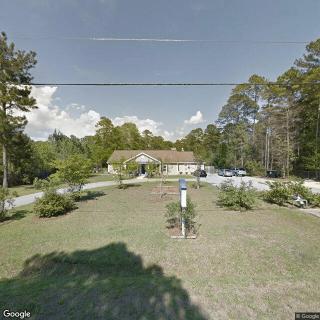
Dayspring Assisted Living
$2,300 to $3,300 / month15.9 miles away -
from -$300 / mo
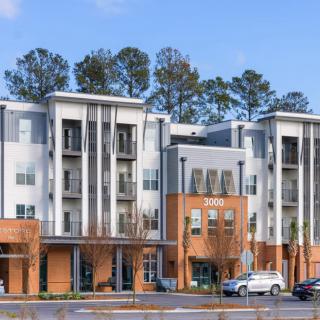
Restore at Carolina Park
$2,000 to $2,950 / month11.4 miles away -
About the same
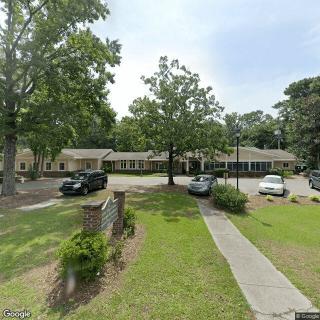
Carter-May Home
$2,300 to $3,650 / month2.6 miles away -
from +$449 / mo
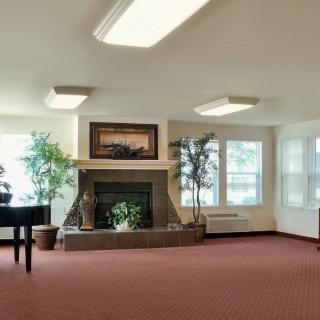
Holiday Ashley Park
$2,749 to $3,669 / month4.5 miles away -
from -$80 / mo
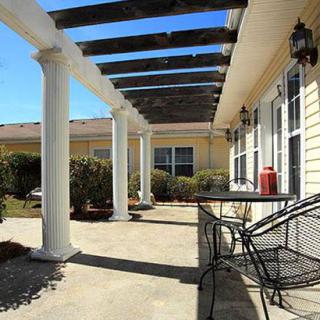
Pinewood Place
$2,220 to $4,165 / month13.7 miles away
Overall Review of Presidential Community Care
Pros
 Presidential Community Care Home Facility is a very nice, homely environment.
- The staff is very loving and gives residents one-on-one time and care.
- The facility is very clean and does not smell.
Cons
 They hate the way residents are treated.
Review
Presidential Community Care in North Charleston, SC, is best suited for seniors who want a warm, home-like atmosphere and attentive, one-on-one care from staff. It appeals to families seeking a small-scale, personable setting where cleanliness and daily caregiver presence contribute to a sense of security. Residents who value consistency in daily routines, personal contact, and a calm, non-institutional environment will likely feel comfortable here. Those with complex medical needs, aggressive care requirements, or a need for formal memory-care programming may outgrow what this community offers. In short, this option shines for comfort and personal connection, not for high-intensity clinical oversight.
On the positive side, the environment is described as homely and inviting, with caregivers who take time for each resident. The staff appears to deliver genuine warmth, offering individualized attention rather than crowded, rushed care. The facility's cleanliness stands out, with no noticeable odors, a simple but meaningful indicator of daily standards and respect for residents' living space. For families prioritizing dignity, companionship, and predictable daily structure, these are compelling advantages. The ability to build relationships with caregivers can translate into better safety, smoother meal times, and more meaningful activities. In practice, that personal touch matters when comfort and trust are the primary criteria.
Yet the most significant caveat comes from a single, pointed judgment: "hate the way resident be treated." While this comment lacks specifics, it signals a potential mismatch between resident autonomy and staff approach, or a concern about how concerns are addressed. Without more detail, the concern cannot be dismissed, and it casts a shadow over otherwise favorable impressions. If care quality depends heavily on interpersonal dynamics rather than formal policies, risk exists that some residents may experience indignity or discomfort even in a well-run, clean setting. The credibility of complaint handling and supervisory oversight becomes critical in this context.
Those who should consider alternatives are families seeking stronger governance, clearer accountability, and more comprehensive clinical support. Residents with higher acuity, memory-care needs, or those requiring frequent coordination with outside medical providers may benefit from facilities with dedicated medical staff, structured care plans, and formal grievance processes. Larger campuses with visible leadership, regular surveys, and more transparent staffing practices may reduce the risk of perceived mistreatment. In short, if safe, respectful treatment under consistent supervision is non-negotiable, exploring other communities is prudent until verifiable assurances are obtained.
Practical next steps during tours include asking for direct conversations with current residents about daily life and staff interactions, requesting examples of care plans, and inquiring about staff-to-resident ratios and turnover. Important tests include seeing how meals, meds, and activities are coordinated, and whether there is a clear, timely process for raising and addressing concerns. Request a written outline of the grievance procedure, and insist on speaking with the administrator about how complaints are tracked and resolved. Also, verify state inspections, references from families, and observe a typical day to gauge consistency between stated philosophy and actual practice.
Overall, Presidential Community Care can be a strong match for families prioritizing warmth, touch, and a clean, homelike setting, provided the care culture emphasizes dignified treatment and reliable oversight. The positives, personal attention and a tidy, comfortable environment, are meaningful and can translate into real quality of life. The red flag about resident treatment cannot be ignored, however, and warrants careful vetting before commitment. If the visit reveals a transparent, resident-centered approach with responsive leadership, this community stands as a viable option that blends comfort with attentive care. Absent that assurance, pursuing alternatives with clearer accountability is recommended.
 Board and Care Home
 Activities on-site
 Devotional services off-site
 Indoor common areas
 Private
 Charleston AFB International (6 miles away)
 Ambulatory care
 Diabetic care
 Meals provided

 Recognizing the Journey: Understanding and Navigating Anticipatory Grief
 Encouraging Participation in Adult Day Care: A Guide to Supporting a Hesitant Parent
 Comprehensive Exploration of Living Wills and Other Advance Directives