

9415 Highway 17 Bypass, Murrells Inlet, SC 29576
For more information about senior living options: (866) 208-4318
Overall Review of Palmettos Of Garden City
Pros
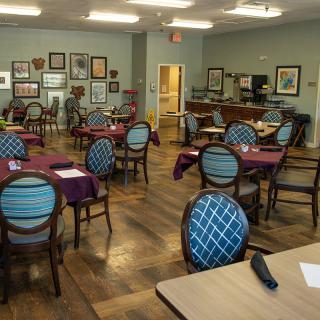
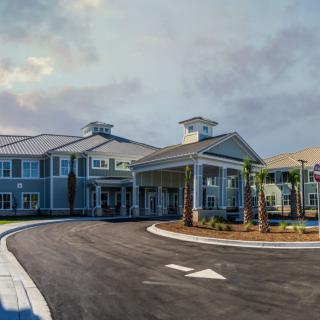
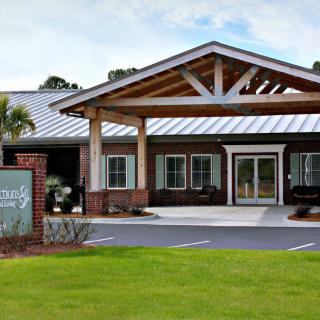
 The Palmettos is described as beautiful, brand new, clean, open, and airy with ample common areas for socializing.
- The staff is wonderful, caring, and enthusiastic, and feels like family to residents and their families.
- Residents are kept busy with activities and entertainment, making the place feel happy and welcoming.
- Families express gratitude for choosing The Palmettos, noting five-star experiences and reliable care.
- The facility offers practical comforts such as unlimited snacks, three meals per day, free utilities, a bistro area, and daily happy hours.
- The Palmettos of Garden City is described as safe, quiet, and relaxing, with a warm, welcoming atmosphere and evident teamwork.
Cons
 The facility failed to monitor residents’ health and to communicate with families, indicating a neglected duty of care.
- Staff did not assess symptoms or seek medical attention, delaying a pneumonia diagnosis.
- A third-party health group billed for services never provided, revealing deceptive billing practices.
- Management and staff are chronically absent and uncaring, with meals described as pathetic.
- The kitchen director is accused of disrespect toward both staff and residents, with others allowing it to continue.
- The facility is chronically short-staffed and poorly managed, especially on weekends.
Review
This community is best suited for families seeking a modern, amenity-rich setting with active social programming and a welcoming, “home-like” atmosphere. The Palmettos of Garden City shines where aesthetics, comfort, and engagement matter most: brand-new, clean spaces; airy common areas; a bistro for casual gatherings; frequent activities and a sense of community among residents and staff. For seniors who value convenience, on-site amenities, and a visually appealing campus, this option delivers a lot of what families want in daily living, including utilities bundled into the package and accessible social space that helps combat isolation.
However, families should explicitly consider alternatives if medical oversight and transparent, consistent care are top priorities. Multiple reviews raise serious concerns about nursing presence, responsiveness, and oversight. In particular, questions persist about on-site nursing coverage, with instances where a registered nurse was not present and care decisions appeared delayed or insufficient. Add to that reports of aggressive staffing gaps on weekends and a culture that some families describe as uncaring or unresponsive, and the facility becomes a red flag for residents who have medical needs beyond basic assistance.
The strongest positives, beauty, cleanliness, and a lively social environment, do offset some drawbacks when the resident’s needs are relatively light and the family can maintain a vigilant care plan. Residents can benefit from robust programming, a seemingly welcoming staff, and a campus designed to encourage activity and interaction. The staff some families have come to trust and rely on creates a sense of belonging and familiarity, which matters for emotional well-being. When medical risk is low and the family can engage consistently to monitor health changes, the environment may be a fit.
Yet the cons are difficult to ignore for anyone with ongoing medical needs or a history of health fragility. The absence of on-site RN coverage, reliance on an LPN for direct nursing, and doubts about third-party providers’ billing practices erode confidence in routine care and accountability. A troubling example cited by a family involved untreated respiratory symptoms that escalated to pneumonia before adequate medical attention was secured. Beyond medical oversight, reports of staff turnover, perceived dismissal of concerns, and meals or operations that feel mismanaged further tilt the balance away from this being a reliable medical home for higher-acuity residents.
For families weighing a visit, ask pointed questions and seek concrete assurances. Demand a clear staffing model: how many RNs or licensed nurses are on site per shift, especially on weekends; who handles care plans, and how families are kept informed of changes in health status; and what the documented escalation process is when symptoms arise. Scrutinize billing practices: request a notarized list of third-party providers, recent billing records, and a simple explanation of what services are billed and by whom. Tour the kitchen and dining areas with a critical eye toward meal variety, freshness, and the quality of daily offerings; request a sample week of menus and a tasting if possible. Inquire about the resident-to-staff ratio, how activities are staffed, and whether there is a formalized care coordination plan that involves family members.
Ultimately, the decision hinges on risk tolerance and priorities. If the priority is a bright, social, well-appointed home where daily life feels busy and engaging, and medical needs are modest with strong family oversight, Palmettos of Garden City can deliver a comfortable, pleasant environment. If, however, reliable medical oversight, transparent care accountability, and consistent staffing are non-negotiables, the prudent move is to compare this community with alternatives that provide guaranteed RN coverage, tighter governance, and clearer billing integrity. In short, the facility excels in ambience and community life, but the care risk profile requires cautious scrutiny and a proactive, well-documented care plan to justify committing long term.
 90 resident community capacity
 1-bedroom apartments
 Assisted Living
 Memory Care
 Skilled Nursing Facility
 Activities on-site
 Air-conditioning
 Beautician on-site
 Cable or satellite TV
 Computer center
 Devotional services off-site
 Dining room
 Fitness room
 Fully furnished
 Gaming room
 Garden
 Housekeeping services
 Indoor common areas
 Kitchenette
 Laundry
 Move-in coordination
 Outdoor space
 Party space
 Private bathrooms
 Restaurant-style dining
 Small library
 Telephone
 Wellness center
 Wi-Fi/high-speed internet available
 Myrtle Beach International (8 miles away)
 Community operated transportation
 24-hour call system
 Ambulatory care
 Assistance with bathing
 Assistance with dressing
 Assistance with transfers
 Diabetes diet
 Diabetic care
 Medication management
 Mental wellness program
 Special dietary restrictions
 Concierge services
 Planned day trips
 English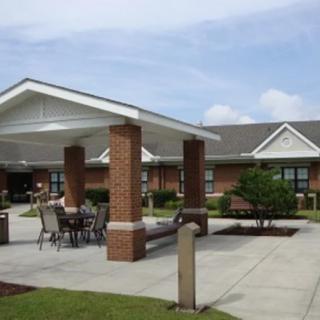


 Estimating the Expenses of At-Home Dementia Care: A Detailed Exploration
 Comprehensive Insights on the Late Stages of Dementia: What to Expect and How to Provide Care
 Medications Associated with Dementia Risk: A Comprehensive Overview