For more information about senior living options: (866) 208-4318
3 from 66 reviews
5 stars
28
4 stars
3
3 stars
4
2 stars
2
1 stars
29
Overall Review of Rosecrest
caveat9 reviews mention this
Staff response time is inconsistent
Residents describe major delays when they need help or calls answered.
Many reviews point to slow response times when residents press call buttons or request help, including accounts of waiting an hour or more. Several reviewers also describe visits to find basic support lacking, like not being checked on promptly or not receiving timely assistance. Some reviews balance that concern by praising specific staff members, but the recurring theme is that delays can happen during higher-need moments.
caveat6 reviews mention this
Medication handling draws concerns
Reviews repeatedly raise issues with medication administration and timing.
A number of reviews describe missed or mishandled medications, including accounts of prescribed medication not being provided. Others mention medication-related problems such as insulin dosing issues and nighttime medication arriving very late. While some reviewers express confidence in medical attention, the medication theme is still a frequent concern across multiple stays.
common9 reviews mention this
Rehab therapy is a mixed bag
Therapy experiences range from strong progress to inadequate treatment.
Some residents and families report positive rehab outcomes, crediting physical therapy and rehabilitation staff for helping with mobility and recovery. Other reviewers describe not receiving enough therapy hours or having therapy fall short of what they expected. Even in positive accounts, a few reviews still mention day-to-day gaps, so the rehab picture depends heavily on what each reviewer experienced during their stay.
common7 reviews mention this
Meals are hit or miss
Food quality and meal timing vary across reviews.
Several reviews comment on the food, with some describing it as enjoyable and noting accommodations for requests. Others raise concerns such as late meal delivery, meals not being provided, and limited variety on special diets. There are also negative accounts involving difficulty getting diabetic meals and special dietary needs handled correctly.
How we summarize
Counts show how many written reviews mention each theme; a review can touch several themes, and only frequently mentioned themes are displayed.
Features
Housing
67 resident community capacity
Types of Care
Assisted Living
Continuing Care Retirement Community (CCRC)
Independent Living
Memory Care
Skilled Nursing Facility
Amenities
Activities on-site
Air-conditioning
Beauty salon
Cable or satellite TV
Computer center
Devotional services off-site
Fitness room
Fully furnished
Gaming room
Garden
Housekeeping services
Indoor common areas
Kitchenette
Move-in coordination
Outdoor space
Private bathrooms
Restaurant-style dining
Small library
Telephone
Wellness center
Wi-Fi/high-speed internet available
Transportation
Greenville-Spartanburg (15 miles away)
Community operated transportation
Transportation arrangement
Transportation arrangement (non-medical)
Care Services
24-hour call system
24-hour supervision
Activities of daily living assistance
Ambulatory care
Assistance with bathing
Assistance with dressing
Assistance with transfers
Diabetes diet
Diabetic care
Meal preparation and service
Medication management
Special dietary restrictions
Dining
Diabetes diet
Meals provided
Special dietary restrictions
Activities
Activities on-site
Community-sponsored activities
Concierge services
Devotional activities offsite
Fitness programs
Planned day trips
Resident-run activities
Scheduled daily activities
Nearby Places of Interest
This part of Inman, South Carolina offers a variety of amenities for seniors considering the area for living. With several places of worship nearby, including Liberty Baptist Church and Gateway Baptist Church, seniors can find spiritual support and community connections. There are also multiple physician offices and medical facilities in close proximity, such as Mary Black Physicians Group Family Medicine North and Spartanburg Regional Medical Center, providing convenient access to healthcare services. Additionally, there is a selection of restaurants, cafes, pharmacies, theaters, and parks within a short distance for leisure activities and dining options. Overall, this area provides a mix of essential services and recreational opportunities that could cater well to senior residents looking for a comfortable and accessible neighborhood to call home.
Places of Worship
Liberty Baptist Church (1.7 miles)
Gateway Baptist Church (2.1 miles)
Physicians
Mary Black Physicians Group Family Medicine North (2.4 miles)
Family Physicians of Boiling Springs (2.4 miles)
MGC - Family Medicine Boiling Springs (2.5 miles)
Inman Family Practice (3.7 miles)
Palmetto Eye & Laser Center (4.7 miles)
Spartanburg Medical Research (5 miles)
Piedmont Reproductivity Endocrinology Group (5.8 miles)
The features offered by Rosecrest are instrumental in enhancing the quality of life for residents with dementia or Alzheimer's disease. With 24-hour supervision, staff can promptly address any needs or concerns, ensuring a safe and secure environment. Assistance with activities of daily living, including bathing and dressing, fosters independence while providing necessary support, which can be comforting to residents who may struggle with these tasks. Help with transfers ensures mobility and minimizes the risk of falls, while meal preparation and service cater to specific dietary needs and preferences, promoting nutrition and well-being. Furthermore, medication management is crucial for maintaining health, as it ensures that residents receive their medications accurately and on time. Together, these features create a supportive framework that helps residents navigate their daily lives more comfortably and confidently amidst the challenges posed by memory loss.
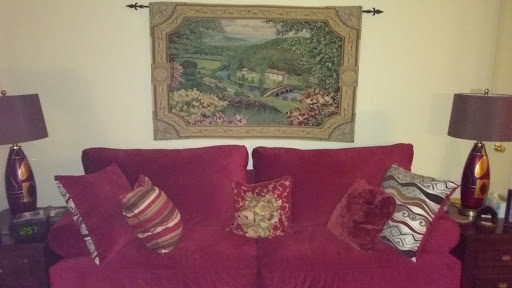
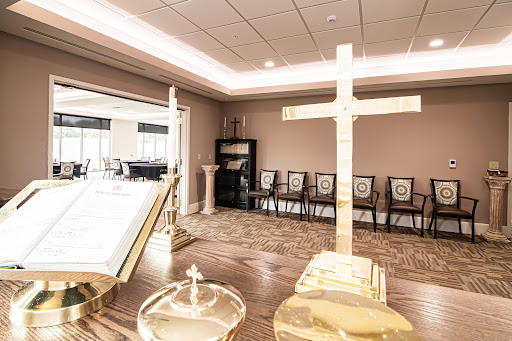
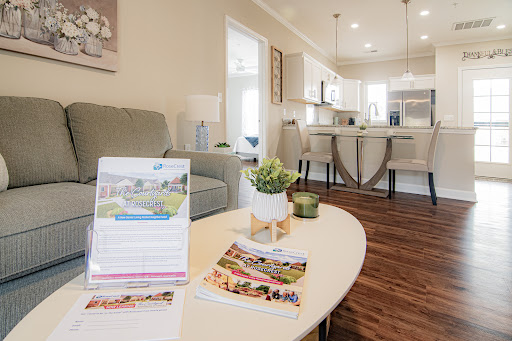
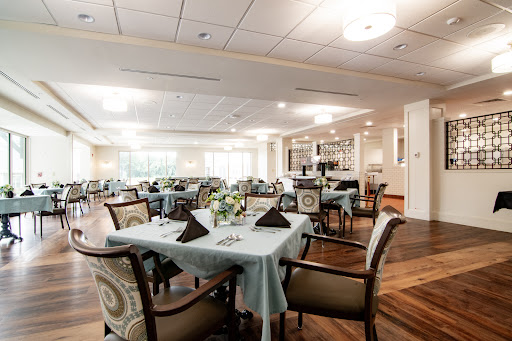
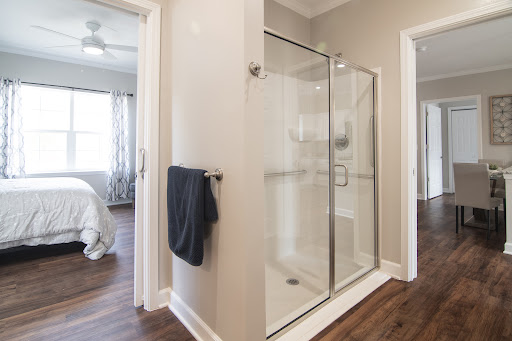
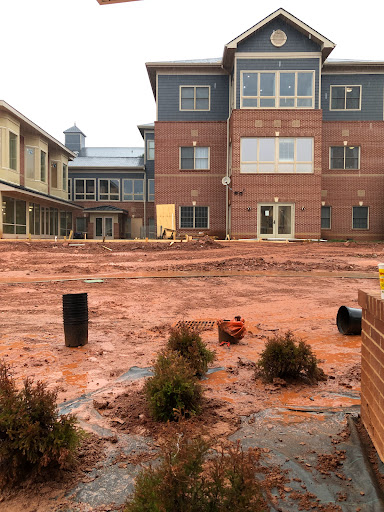
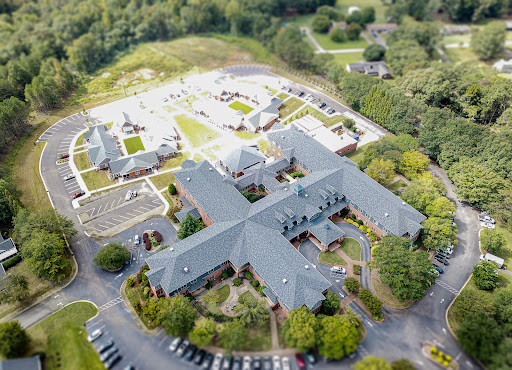
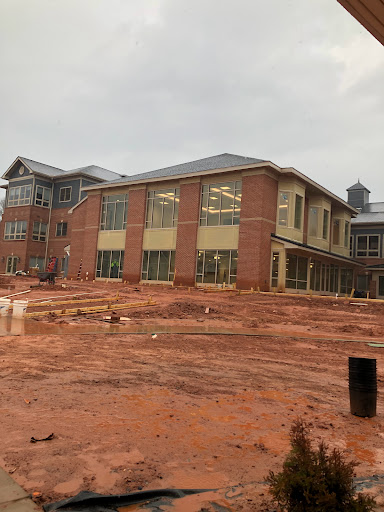
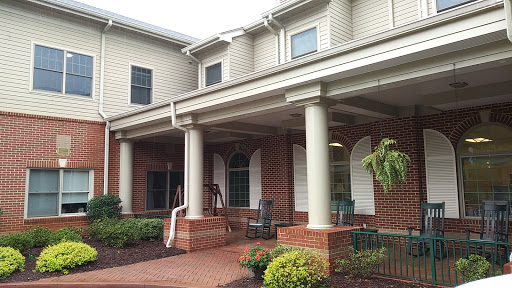
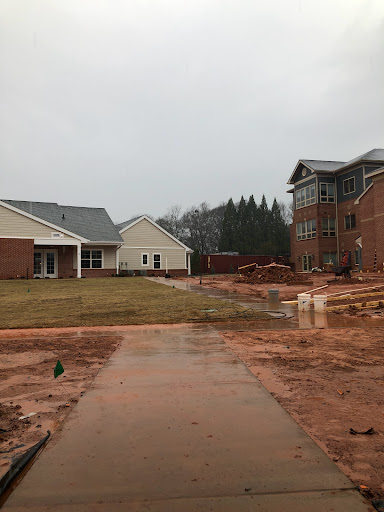
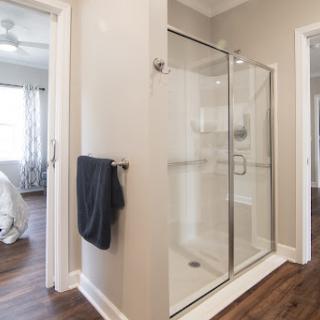
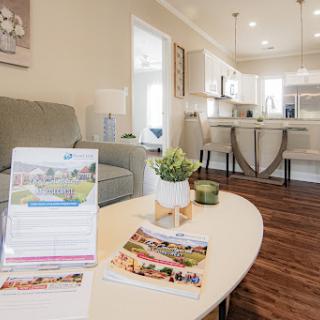
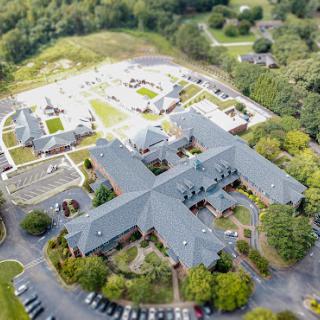
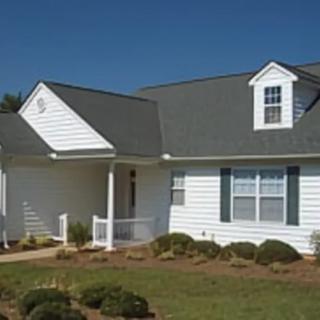
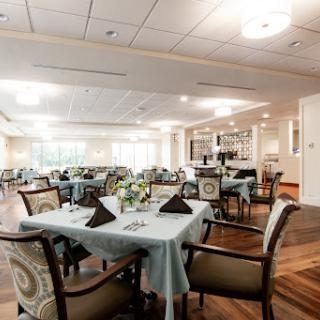
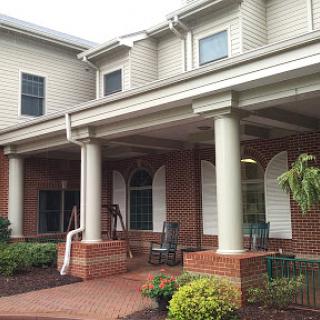
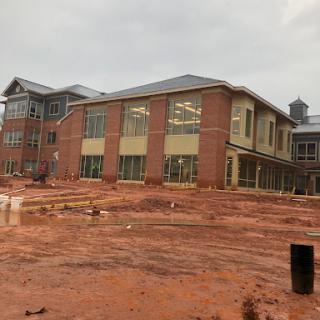
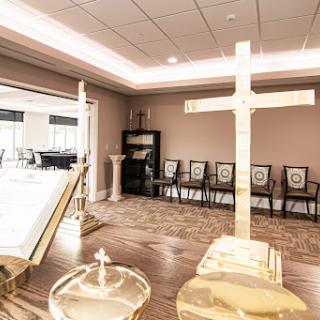
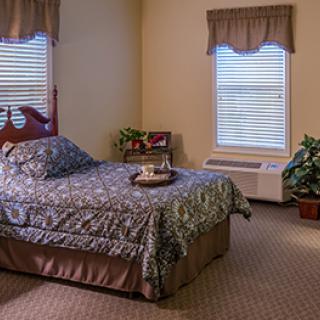
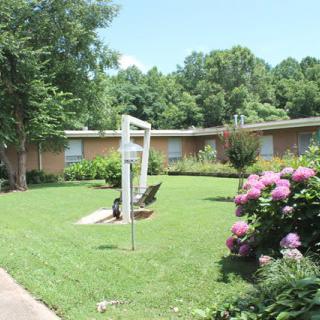
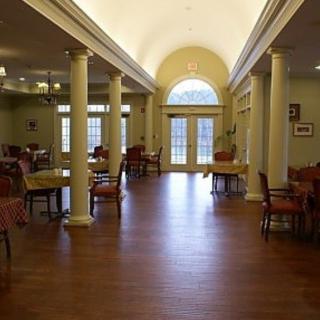
Rosecrest on seniors.fyi includes 12 photos including images showing landscaping, building, decor, interior, architecture, dining, outdoor, living room, and more.
Nearby Communities
Lakewood Senior Living
Boiling Springs, SC
4.5 from 4 reviews
Caring staff in a clean, engaging memory-care community.
Wesley Court
Boiling Springs, SC
4.5 from 35 reviews
$2,450 to $3,200 / month
Compassionate, long-tenured staff with clean, comfortable rooms and engaging activities.
Wesley Court Assisted Living Community
Spartanburg, SC
4.8 from 107 reviews
Welcoming, family-like community with attentive staff.
Stilwell Manor
Inman, SC
Comfortable environment with on-site activities, diabetic care, and easy access to nearby healthcare and dining options.
Oakridge Community Care Home
Inman, SC
3 from 2 reviews
Close access to pharmacies, physicians, dining, and worship nearby.
Oakridge Community Care Home 2
Inman, SC
3 from 2 reviews
Fully furnished accommodations with 24-hour supervision, diabetes-friendly dining, and transportation to medical appointments.
Magnolia Manor of Inman
Inman, SC
3.4 from 48 reviews
Friendly, attentive staff with strong nursing and therapy support.
Magnolia Manor of Spartanburg
Spartanburg, SC
3 from 63 reviews
Effective therapy programs and attentive staff.
Ashlan Village
Lyman, SC
4.5 from 75 reviews
$2,785 to $4,258 / month
Caring staff with engaging activities in a clean, home-like setting.
Dementia affects memory and cognitive function in older adults, presenting challenges for caregivers due to behavioral changes such as confusion and mood swings. Compassionate, person-centered care that considers individual history and preferences, along with effective communication and environmental modifications, is essential for supporting both patients and their caregivers.
Dementia leads to cognitive impairment and can cause emotional and behavioral changes, including aggression that arises from frustration, confusion, or fear. Effective coping strategies for caregivers include understanding dementia's nature, recognizing triggers, using empathetic communication, and employing non-pharmacological interventions like music and art therapy.
Dementia causes cognitive decline and challenging behaviors that caregivers must manage, necessitating an understanding of the neurological basis of these issues. Effective strategies and self-care for caregivers can enhance support for those with dementia and improve their daily lives.
Get PricingAsk A QuestionSchedule A TourContact Senior Advisor
By clicking submit, you agree to our Partner's Terms of Use. You
also consent to receive calls and texts, which may be autodialed, from our Partner. Your consent is not a condition to
using our Partner's service. Please visit our Partner's Privacy Policy for information about their privacy practices.


 67 resident community capacity
 Assisted Living
 Continuing Care Retirement Community (CCRC)
 Independent Living
 Memory Care
 Skilled Nursing Facility
 Activities on-site
 Air-conditioning
 Beauty salon
 Cable or satellite TV
 Computer center
 Devotional services off-site
 Fitness room
 Fully furnished
 Gaming room
 Garden
 Housekeeping services
 Indoor common areas
 Kitchenette
 Move-in coordination
 Outdoor space
 Private bathrooms
 Restaurant-style dining
 Small library
 Telephone
 Wellness center
 Wi-Fi/high-speed internet available
 Greenville-Spartanburg (15 miles away)
 Community operated transportation
 24-hour call system
 Ambulatory care
 Assistance with bathing
 Assistance with dressing
 Assistance with transfers
 Diabetes diet
 Diabetic care
 Medication management
 Special dietary restrictions
 Concierge services
 Planned day trips
 Caring staff in a clean, engaging memory-care community.


 Understanding Dementia Behaviors: Practical Insights and Strategies for Caregivers
 When Dementia Sparks Anger and Aggression: Understanding the Connection and Ways to Cope
 Dementia Behaviors: In-Depth Understanding and Effective Coping Strategies