
19 Frank Pressley Drive, Due West, SC 29639
For more information about senior living options: (866) 208-4318
Overall Review of Renaissance
Pros
 The fish lunch was delicious.
- The staff and residents are appreciative of visitors.
- The facility is quiet and comfortable.
- The staff and residents are friendly.
- The place has real southern charm and a friendly atmosphere.
- The facility has a nice atmosphere and residents are well cared for.
- The facility is nice and clean.
- The staff are friendly and the spaces are clean in Due West.
- The Renaissance truly cares about its residents and responds quickly with compassion and professionalism.
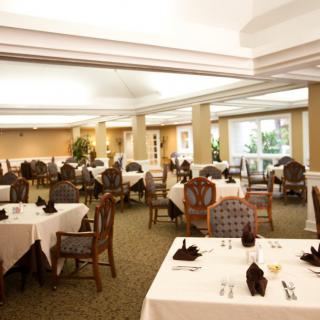
- The dining room staff go beyond expectations to honor residents' needs and preferences.
- The housekeeping and administrative staff are reliable, caring, and attentive.
- The community provides daily activities and opportunities for social interaction.
Cons
 The staff won't deal with a resident who is vomiting, claiming it's not their job.
- The sister's care is minimal at best: no bed, only a recliner, dirty clothes, a messy room, and unfriendly staff.
- The facility is described as warehousing residents waiting to die.
- The husband in assisted living was not bathed for a week and became a whimpering, miserable mess begging to be moved.
- Promised services are under-staffed and repairs are not addressed for months.
- Do not order food delivered—staff will eat it.
Review
The Renaissance in Due West is best suited for seniors who prize a warm, neighborhood feel, a quiet setting, and a strong sense of community. This is a place where residents often respond positively to friendly staff, home-style meals, and social opportunities that feel genuinely intimate rather than corporate. It serves well for those transitioning between independent living and assisted living, especially if the priority is a comfortable, low-key environment that emphasizes daily structure, accessible transportation, and regular activities within a small-town milieu. Families seeking meaningful interaction with staff and fellow residents, plus the chance to engage with local colleges and volunteers, will find the atmosphere genuinely inviting. It is not, however, a one-size-fits-all solution for every level of care or every medical need.
Those weighing alternatives should be mindful that this community is not uniformly ideal for all levels of support. Several reviews point to under-staffing and variable quality of care, particularly in the assisted-living side. Specific accounts describe residents who were not bathed, were left in dirty clothing, or slept in recliners rather than beds, with staff explaining limits in what can be done. A handful of families report unsatisfactory responses to care questions and months-long maintenance delays. While some residents thrive and praise proactive administrators, the breadth of experiences suggests that risk exists where daily oversight and consistent hands-on assistance are non-negotiable. For families prioritizing rigorous, consistently delivered care, alternatives with higher staffing ratios or memory-care expertise may be more reliable.
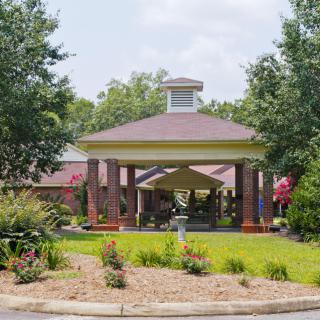
The strongest pros center on human connection and everyday livability. Staff friendliness and resident warmth permeate many reviews, contributing to a feeling of belonging and safety. Clean spaces, pleasant grounds, and a generally home-like atmosphere help residents settle in quickly. The culinary program earns frequent praise, home-cooked meals and attentive dining room staff who accommodate preferences, and this tangible quality of life often sustains morale. Transportation to medical, dental, and shopping needs is noted as a practical benefit, while programming that involves ERskine College students and local volunteers adds a sense of purpose and intergenerational engagement. For families, these elements translate into fewer daily caregiving burdens and more opportunities for residents to remain socially engaged.
Yet the mid- to lower-end experiences highlighted in some reviews cannot be ignored. The most troubling concerns involve adherence to promised services and the consistency of daily care. Reports of inadequate bathing, dirty clothes, and unaddressed room conditions signal gaps in supervision and accountability. In one particularly troubling account, a husband with dementia appeared to deteriorate after admission, with staff unable to deliver the level of care required, prompting a painful transfer to another facility. Another recurring thread is staff exhaustion or turnover leading to slower responses, which can magnify the impact of the already fragile care situation. These issues do not erase the positives, but they do demand rigorous due diligence and a clear, documented care plan before move-in.
When evaluating this community, prospective families should pursue a structured, critical process. Schedule multiple tours at different times, including a hands-on look at a resident room, common areas, and the dining room during peak hours. Request current care plans, staffing ratios, and a transparent discussion of costs beyond base fees. Speak with several residents and families about response times, personal care, and how enrichment activities are implemented day-to-day. Ask about bed versus chair accommodations, cleaning schedules, and how maintenance requests are tracked and resolved. Above all, insist on concrete examples of how individualized needs, especially memory care or mobility limitations, are managed on site.
In the end, Renaissance offers a compelling option for communities prioritizing warmth, engagement, and a cohesive, small-town lifestyle. For families who can verify consistent staffing, robust daily care, and reliable personal attention through a thorough tour and reference checks, the trade-offs are favorable: a dignified, active environment with responsive dining, transportation, and intergenerational programming. However, for those whose loved ones require steady, high-intensity supervision, frequent personal care, or specialized dementia care, alternatives with stronger caregiving infrastructure are worth exploring. The best fit emerges from diligent evaluation of day-to-day operations, not just the overall charm, ensuring the chosen path aligns with both safety and quality of life.
 20 resident community capacity
 Assisted Living
 Board and Care Home
 Beauty salon
 Cable or satellite TV
 Dining room
 Fully furnished
 Garden
 Housekeeping services
 Kitchenette
 Move-in coordination
 Outdoor space
 Telephone
 Wi-Fi/high-speed internet available
 24-hour call system
 Activities of daily living assistance
 Assistance with bathing
 Assistance with dressing
 Assistance with transfers
 Diabetes diet
 Meal preparation and service
 Medication management
 Mental wellness program
 Special dietary restrictions
 Transportation arrangement (medical)
 Transportation to doctors appointments



 Securing Financial Support for Assisted Living: A Comprehensive Overview
 Social Security Benefits and Assisted Living: Navigating Options Across the U.S.
 An Extensive Exploration of the VA Aid and Attendance Benefit