
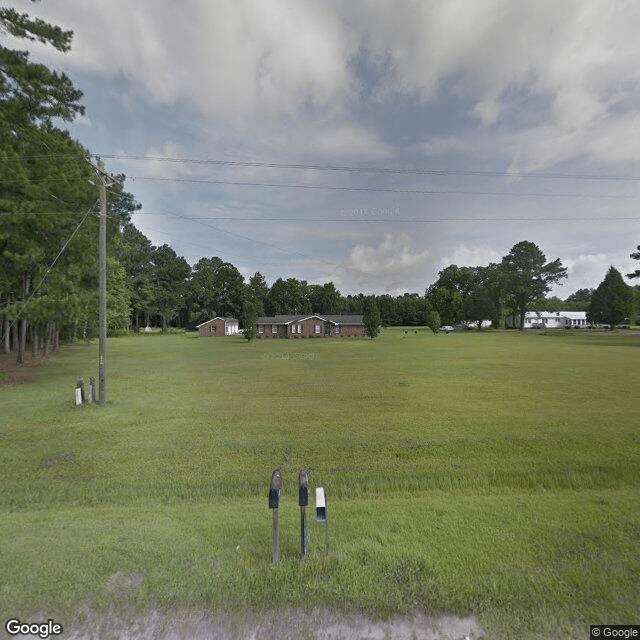
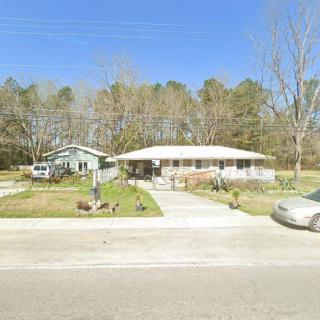
2504 Highway 311, Cross, SC 29436
For more information about senior living options: (866) 208-4318
L & M Residential Health Care Facility Costs & Pricing
At L & M Residential Health Care Facility, the monthly costs for various room types present a competitive option compared to both Orangeburg County and the broader South Carolina region. For instance, the facility offers one-bedroom accommodations at $2,800, significantly lower than the county's average of $3,787 and the state's average of $3,806. Similarly, two-bedroom units at L & M are priced at $3,175, providing an attractive alternative to the county's rate of $3,425 and South Carolina's higher average of $4,337. Even for studio apartments, while priced at $3,575, it remains a reasonable choice compared to Orangeburg's average of $3,256 and the state's average cost of $3,649. Overall, L & M stands out as a cost-effective residence for individuals seeking quality health care in a comfortable living environment.
| Floor plans | L & M Residential Health Care Facility | Orangeburg County | South Carolina |
|---|---|---|---|
| 1 Bedroom | $2,800 | $3,787 | $3,806 |
| 2 Bedrooms | $3,175 | $3,425 | $4,337 |
| Studio | $3,575 | $3,256 | $3,649 |
Assisted Living communities with a similar price nearby
-
from +$395 / mo
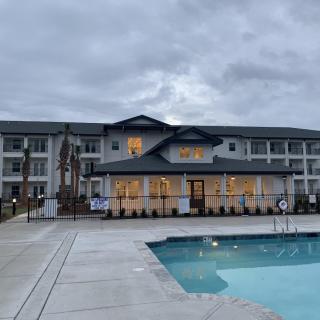
Wildcat Senior Living
$3,195 to $4,995 / month13.3 miles away -
from +$450 / mo
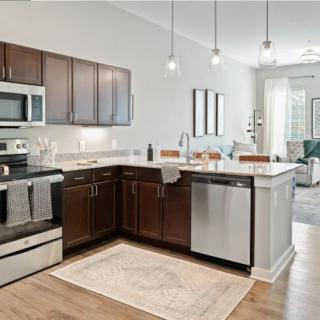
The Claiborne at Brickyard Crossing
$3,250 to $5,750 / month18.0 miles away -
from +$331 / mo
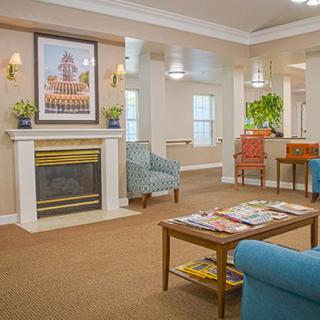
Cypress Place
$3,131 to $4,450 / month22.0 miles away -
from +$210 / mo
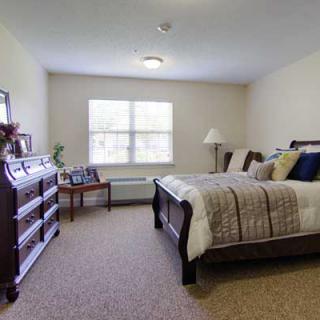
TerraBella Summerville
$3,010 to $4,005 / month22.2 miles away -
from -$254 / mo
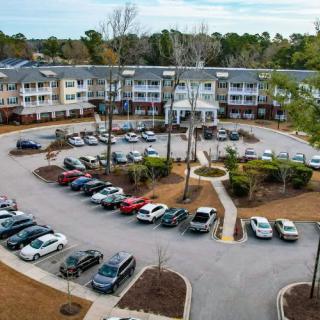
Harmony at Wescott
$2,546 to $4,195 / month23.7 miles away
Overall Review of L & M Residential Health Care Facility
Pros
 The facility serves real home-cooked meals and offers entertainment with games, books, and a piano.
- The staff genuinely cares for residents and takes time to ensure they have everything they need.
- The owner lives right next door, and someone is always there with the residents.
- The staff are consistently busy cooking, cleaning, or talking with the residents.
- The caregivers are great people, and families have no worries about placing a grandmother there.
- L & M took great care of her and helped bring her out of the stupor she had sunk into at a previous assisted living place.
Review
L & M Residential Health Care Facility in Cross, SC is best suited for seniors who prize a small, home-like setting where care feels personal, consistent, and deeply attentive. This community works well for residents who respond positively to everyday, hands-on support, and who value meals that taste like home, engaging activities, and steady human connection. With the owner living nearby and staff routinely onsite, residents experience a tangible sense of security and continuity that makes daily life predictable and reassuring. It is particularly well suited for elders transitioning from a family-style living arrangement who want that same feel now, without losing the reassurance of professional assistance nearby.
Those who may want to consider alternatives include families whose loved ones require robust medical oversight or specialized programs. If daily routines must be paired with comprehensive nursing on site, complex medication management, wound care, or a structured memory-care track, larger facilities with dedicated nursing staff and dementia-focused programming may be more appropriate. Additionally, families seeking highly transparent pricing, formalized contracts, or a broader spectrum of clinical services might find a bigger, corporate-backed community more aligned with their expectations. In short, this space shines on warmth and daily attentiveness, but it may not satisfy expectations for advanced medical infrastructure or specialized cognitive-care services.
The strongest positives here are tangible and real-world: real home-style, home-cooked meals that resonate with residents, plus a rhythm of activities, games, books, and a piano, that keep minds engaged and routines meaningful. The staff’s willingness to spend time with residents translates into visible attentiveness; caregivers cook, clean, and chat with residents in a way that makes each person feel known and important. The fact that the owner lives right next door and someone is always present provides a level of reassurance that care won’t drift, and it appears to support rapid responses to needs as they arise. This combination of nourishment, companionship, and visible stewardship can transform a resident’s day, lifting mood and clarity, as evidenced by the account of bringing a grandmother out of stupor she had sunk into at a prior facility.
Yet potential limitations should be weighed against these strengths. The most apparent gap is the absence of explicit information about licensed nursing on site or the degree of medical oversight available each day. Without confirmation of on-site nursing coverage, medication administration protocols, or emergency medical partnerships, families must assess whether escalating medical needs can be met promptly. The facility’s small size and informal, hands-on model can also mean fewer formalized programs, limited specialized dementia care, and fewer resources for residents whose needs go beyond supervision and daily living assistance. While staff appear busy and engaged, the consistency and depth of clinical support remain unconfirmed and warrant direct verification.
From a decision-maker’s perspective, the pros can decisively offset the cons for residents who prioritize a warm, relational environment and steady, everyday engagement over clinical intensity. The home-cooked meals, the palpable care, and the owner’s ongoing presence create a reassuring landscape where loneliness falters and routines create dignity. For families, this translates into lower stress about day-to-day welfare and a reassuring sense that loved ones are listened to and treated with kindness. However, if medical complexity or memory-specific challenges are in play, the potential gaps in clinical staffing and formal programming become meaningful factors, and the choice should be re-evaluated with explicit confirmations of nursing capabilities and emergency procedures.
Ultimately, L & M Residential Health Care Facility offers a compelling option for seniors who value a intimate, caregiver-driven environment, strong interpersonal warmth, and daily opportunities for social and cognitive engagement. Prospective residents should arrange in-person tours, question the level of nursing support, and request detailed information on medication management, emergency protocols, and safety features. Cost discussions, room configurations, and policies on continuity of care will matter just as much as the visible devotion of staff. For families prioritizing comfort, personal attention, and mood stability, this community stands out as a trustworthy, practical choice. For those whose loved one requires robust medical oversight or specialized dementia care, it is prudent to explore alternatives with clearer clinical resources.
 5 resident community capacity
 Assisted Living
 Board and Care Home
 Cable or satellite TV
 Dining room
 Fully furnished
 Garden
 Housekeeping services
 Move-in coordination
 Outdoor space
 Telephone
 Wi-Fi/high-speed internet available
 24-hour supervision
 Activities of daily living assistance
 Assistance with bathing
 Assistance with dressing
 Assistance with transfers
 Diabetes diet
 Meal preparation and service
 Medication management
 Special dietary restrictions
 Transportation arrangement (medical)
 Transportation to doctors appointments
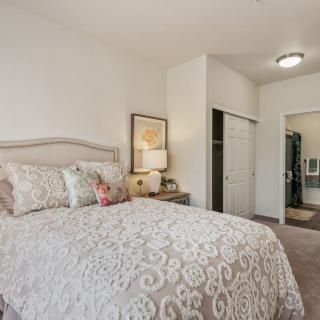
 How and When Medicaid May Cover Assisted Living Costs
 A Detailed Exploration of Assisted Living Medicaid Waivers Across the United States
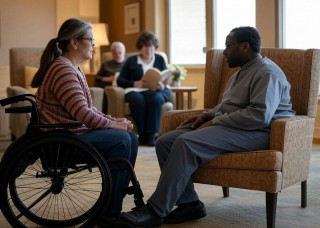 Comprehensive Residential Support and Assisted Living Solutions for Individuals with Disabilities