For more information about senior living options: (866) 208-4318
4.2 from 58 reviews
5 stars
35
4 stars
13
3 stars
3
2 stars
0
1 stars
7
Brookdale Harbison Costs & Pricing
Brookdale Harbison offers a range of accommodation options with pricing that reflects its quality of care and amenities. For a studio apartment, residents can expect to pay $3,915 per month, which is notably higher than the average in Richland County at $3,263 and slightly above the South Carolina state average of $3,649. The one-bedroom option comes in at $4,715, exceeding both local and state averages - Richland County's average is $3,477 and South Carolina's statewide figure stands at $3,806. For those seeking more space, the two-bedroom units are priced at $5,140 per month, again surpassing the county's average of $4,475 and the state's average of $4,337. These figures indicate that while Brookdale Harbison's prices are on the higher end compared to regional competitors, they likely reflect enhanced services and superior living conditions tailored for seniors.
Floor plans
Brookdale Harbison
Richland County
South Carolina
Studio
$3,915
$3,263
$3,649
1 Bedroom
$4,715
$3,477
$3,806
2 Bedrooms
$5,140
$4,475
$4,337
Assisted Living communities with a similar price nearby
Residents and families repeatedly describe staff who are kind, helpful, and responsive to needs.
Many reviewers say staff members are attentive and willing to help, including after falls or when residents need assistance. Several families describe feeling safe and well cared for, and some mention staff teamwork and consistent day-to-day support. A few reviewers raise concerns about leadership professionalism, but even those comments still reference how staff interactions affected residents and families.
common
Dining is repeatedly praised
Meals and the dining experience come up often, with residents and visitors describing them positively.
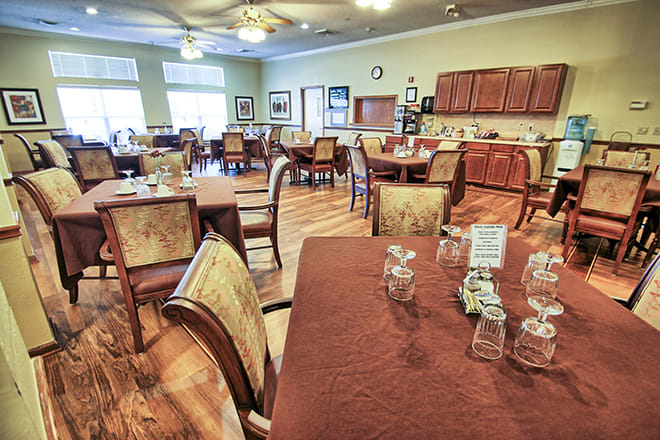
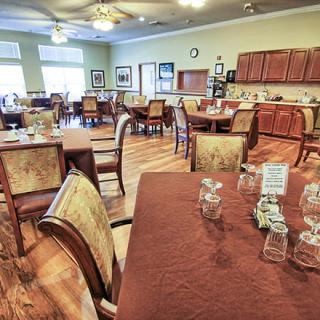
Multiple reviews say the food is good, excellent, or delicious, and a few point to portion size and the dining room experience. Several reviewers connect meal enjoyment to how comfortable or thriving their loved one feels. The community also describes its meal service approach in the amenities, including restaurant-style and meal service options.
common
Activities and small community feel
Residents have regular scheduled activities, and reviewers note the community’s smaller size.
Reviewers often describe day-to-day engagement through group activities and outings, including classes and regular entertainment. Several mention courtyards and community gathering spaces that make it easier to spend time outside and socialize. A few also highlight the facility’s smaller size as part of why they felt comfortable.
differentiator
Care support includes rehab and coordination
Families mention medical support and care coordination, including rehabilitation and assistance with care needs.
Some residents and families describe the community as helpful for rehabilitation and physical therapy, and they mention staff stepping in quickly when needs come up. Others note communication protocols and the ability of staff to answer questions about the level of care available. The community also offers assistance with daily activities and medication-related support in its care services list.
caveat
A la carte pricing is a tradeoff
Pricing reviews describe an a la carte structure that can increase costs with more services.
One reviewer says the pricing is a la carte, where needing more daily services can mean paying more, and there is a stated maximum for services. At the same time, other reviewers say pricing felt reasonable compared with alternatives they considered. Overall, reviewers view cost as something to clarify based on how much daily support a resident needs.
caveat
Mixed experiences with safety and upkeep
Some reviewers express concerns about safety monitoring, cleanliness, and how leadership addresses problems.
A few reviews describe situations they viewed as unsafe or concerning, including lack of monitoring, cleanliness issues, and a negative atmosphere. One reviewer also raises concerns about leadership professionalism and handling of staff issues, while another mentions issues with how residents were notified about matters that came up. On the other hand, multiple reviews say the facility is clean and that staff stay alert for resident needs, so experiences are not consistent.
How we summarize
We summarize when many written reviews mention each theme; a review can touch several themes, and only frequently mentioned themes are displayed.
Features
Housing
52 resident community capacity
Studio apartments
Types of Care
Assisted Living
Pets
Cats allowed
Dogs allowed
Amenities
Activities off-site
Activities on-site
Air-conditioning
Bath tubs
Beautician on-site
Beauty salon
Cable or satellite TV
Computer center
Devotional services off-site
Devotional services on-site
Dining room
Financing advice
Fitness room
Fully furnished
Gaming room
Garden
Ground floor units
Guasts at mealtime
Guest parking
Handicap accessible
Housekeeping services
Indoor common areas
Kitchenette
Laundry
Move-in coordination
Outdoor common areas
Outdoor space
Overnight guests
Party space
Pet friendly
Private bathrooms
Resident parking
Respite or short term stays offered
Restaurant-style dining
Small library
Spa
TV room
Telephone
VA Benefits Consultation
Wellness center
Wheelchair accessible showers
Wi-Fi/high-speed internet available
Transportation
Columbia Metropolitan (10 miles away)
Community operated transportation
Transportation & parking
Transportation arrangement
Transportation arrangement (non-medical)
Care Services
12-16 hour nursing
24-hour call system
24-hour supervision
Activities of daily living assistance
Ambulatory care
Assistance with bathing
Assistance with dressing
Assistance with transfers
Coordination with health care providers
Diabetes diet
Diabetic care
Hospice care
Incontinence care
Meal preparation and service
Medication management
Mental wellness program
Physical therapy
Special dietary restrictions
Transportation arrangement (medical)
Transportation to doctors appointments
Dining
Anytime dining
Diabetes diet
Gluten-free
Guest meals
Kosher
Low / no sodium
Low fat
Meals provided
No Sugar
Professional chef
Renal
Restaurant style dining
Room service
Special dietary restrictions
Special dining programs
Vegan
Vegetarian
Activities
Activities off-site
Art classes
Arts and crafts
Book club
Community-sponsored activities
Concierge services
Cooking classes
Cooking club
Day trips and outings
Devotional activities offsite
Devotional activities on-site
Educational speakers / life long learning
Fitness programs
Games
Gardening club
Karaoke
Live musical performances
Live well programs
Other religious services
Planned day trips
Religious services
Resident-run activities
Scheduled daily activities
Stories
Visiting Rabbi
Visiting chaplain or priest
Wii bowling
Wine tasting
Languages Spoken
English
Nearby Places of Interest
This part of Columbia, South Carolina offers a convenient and diverse range of services and amenities for seniors looking to settle in the area. With multiple pharmacies within close proximity, easy access to healthcare facilities like Palmetto Health Baptist Parkridge and Lexington Medical Center, as well as various physician practices nearby, residents can feel assured about their medical needs. The abundance of restaurants ranging from fast food options like McDonald's to more sit-down establishments like Carolina Ale House provide plenty of dining choices. Entertainment options include theaters such as Regal Columbiana Grande and AMC Harbison 14 for movie buffs. Additionally, the presence of parks like Irmo Community Park and Saluda Shoals Park offer beautiful outdoor spaces for recreation and relaxation. Overall, this neighborhood in Columbia offers a well-rounded environment with a focus on convenience, healthcare access, entertainment, and green spaces for seniors to enjoy.
Pharmacies
Walmart Pharmacy (0.4 miles)
Walgreens (1.6 miles)
Walgreens (1.7 miles)
Walgreens (2.6 miles)
Alcohol & Drug Abuse (3.3 miles)
Intramed Plus (4.7 miles)
CVS Pharmacy (5.6 miles)
Restaurants
Dave & Buster's (0.6 miles)
McDonald's (0.6 miles)
Fazoli's (0.7 miles)
Rush's (0.8 miles)
McAlister's Deli (0.8 miles)
Carolina Ale House (0.9 miles)
The British Bulldog Pub (0.9 miles)
Theaters
Regal Columbiana Grande (0.8 miles)
AMC Harbison 14 (0.9 miles)
Hospitals
Palmetto Health Baptist Parkridge (1.1 miles)
Palmetto Health Parkridge (1.1 miles)
Urgent Care Center (1.9 miles)
Lexington Medical Center Emergency Room (5.1 miles)
Lexington Medical Center (5.2 miles)
Physicians
Prisma Health Plastic Surgery – Parkridge (1.1 miles)
Brookdale Harbison offers a range of accommodation options with pricing that reflects its quality of care and amenities. For a studio apartment, residents can expect to pay $3,915 per month, which is notably higher than the average in Richland County at $3,263 and slightly above the South Carolina state average of $3,649. The one-bedroom option comes in at $4,715, exceeding both local and state averages - Richland County's average is $3,477 and South Carolina's statewide figure stands at $3,806. For those seeking more space, the two-bedroom units are priced at $5,140 per month, again surpassing the county's average of $4,475 and the state's average of $4,337. These figures indicate that while Brookdale Harbison's prices are on the higher end compared to regional competitors, they likely reflect enhanced services and superior living conditions tailored for seniors.
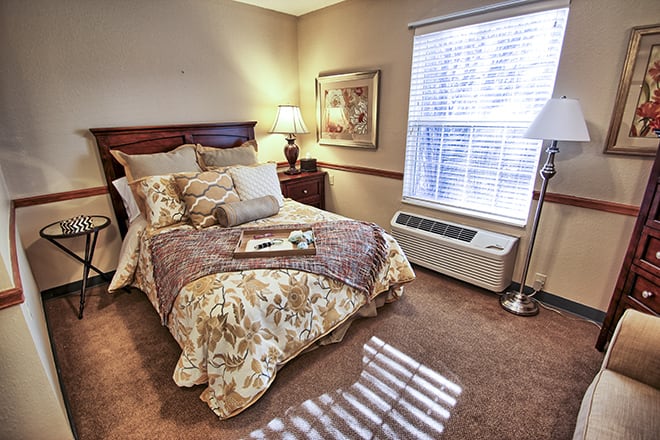
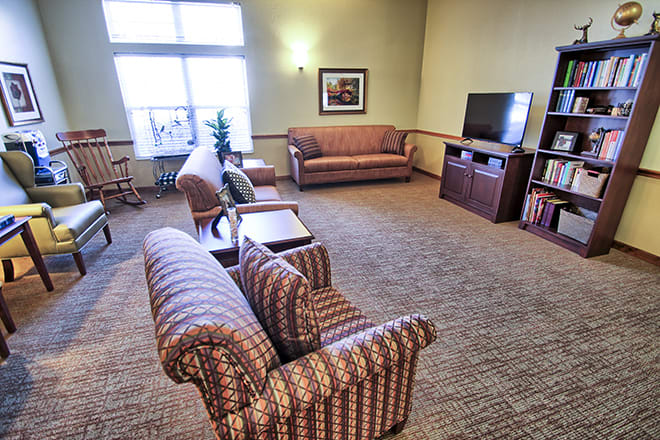
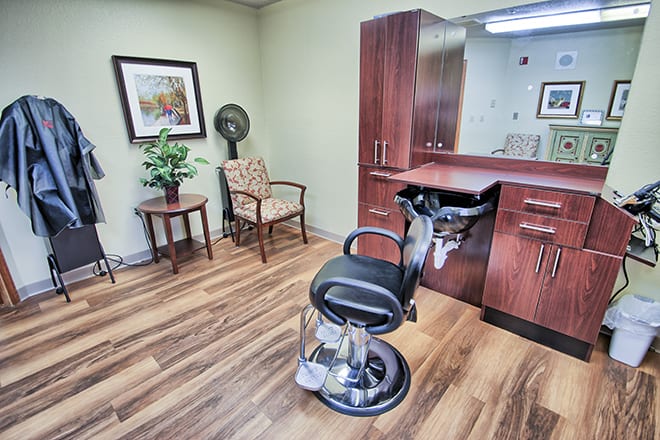
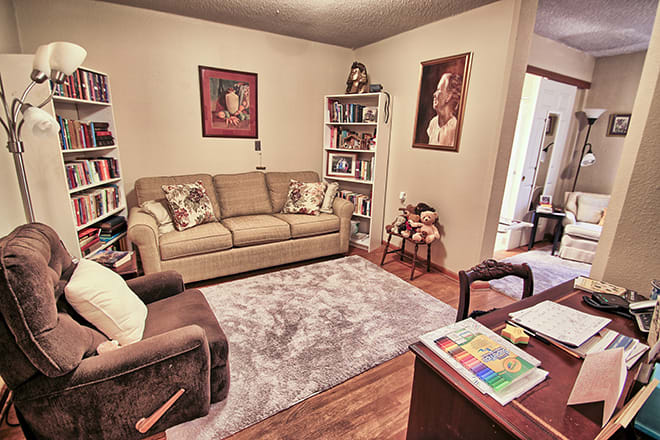
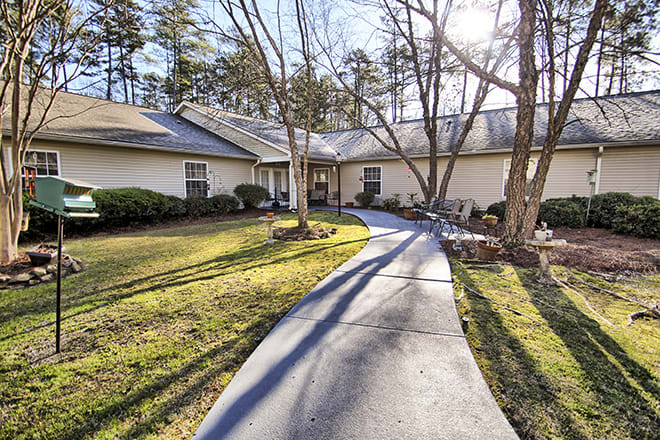
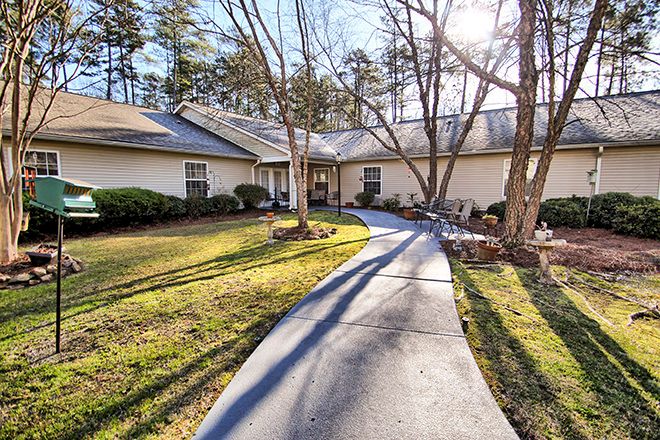
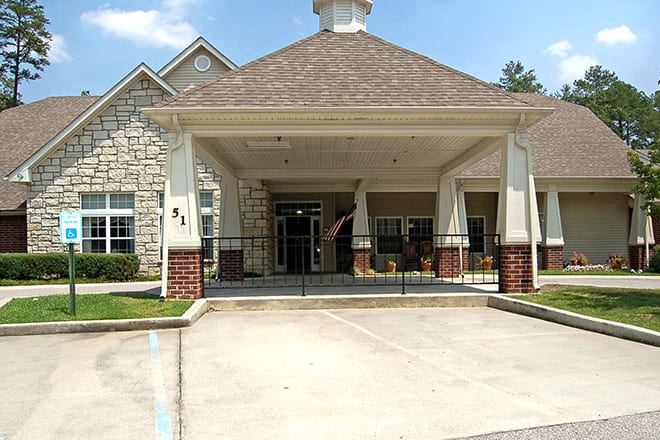
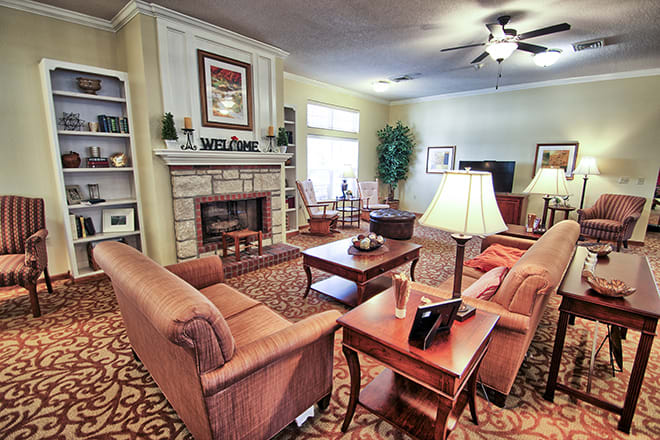
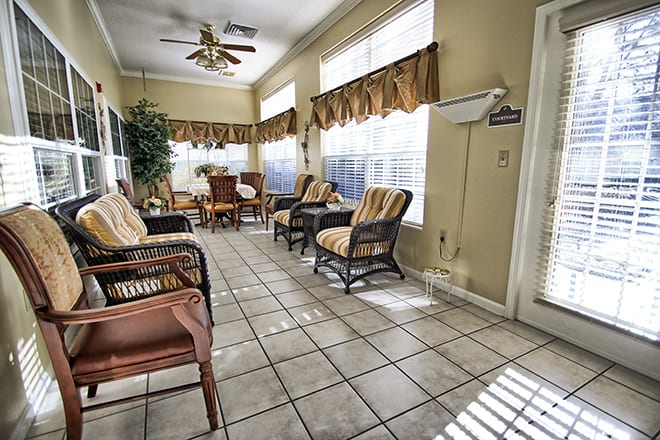
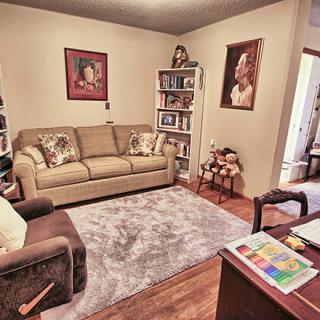
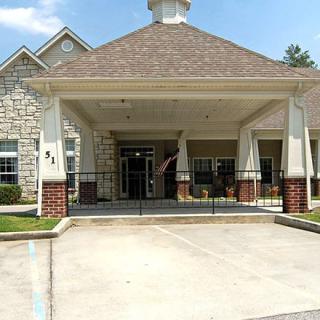
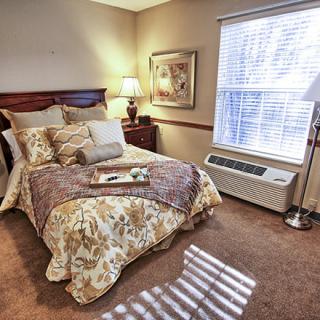
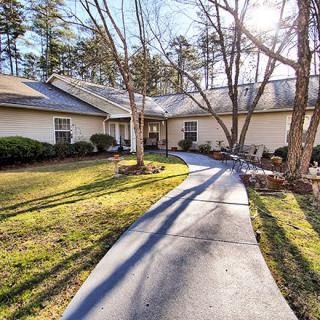
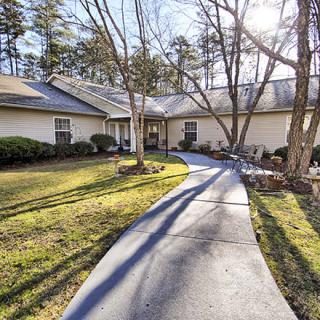
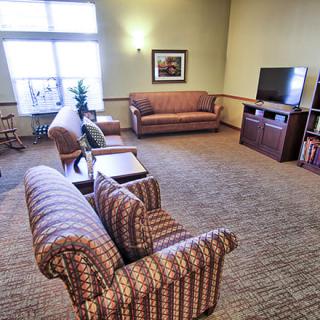
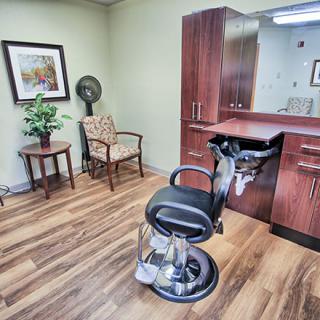
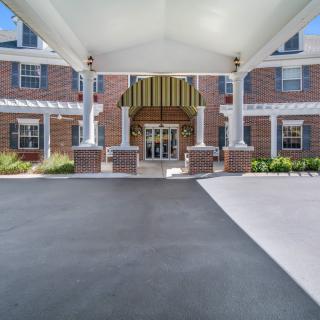
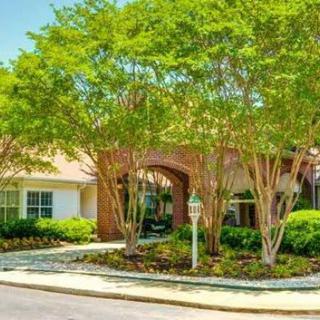
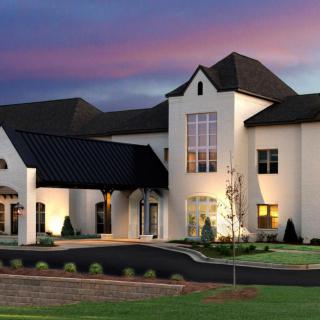
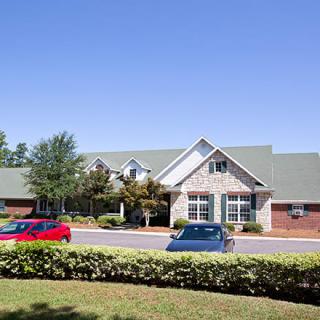
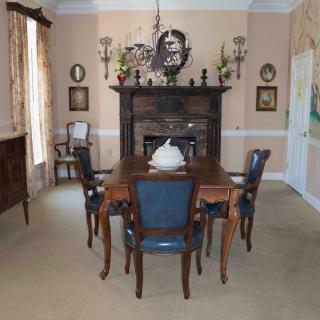
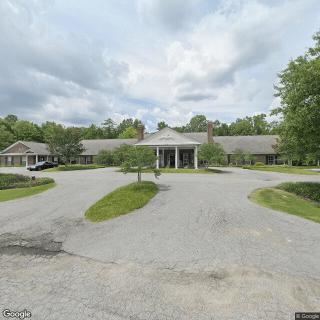
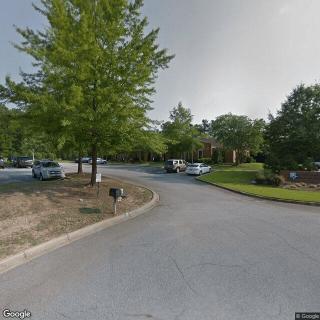
Brookdale Harbison on seniors.fyi includes 11 photos including images showing decor, interior, living room, windows, dining, bedroom, pathway, trees, and more.
Nearby Communities
HarborChase Of Columbia
Columbia, SC
3.6 from 15 reviews
Strong memory-care focus with 24/7 supervision and a wide range of on-site amenities.
Fairforest Grove Senior Living
Columbia, SC
4.2 from 78 reviews
$2,595 to $2,995 / month
Friendly, attentive staff with engaging activities and clean facilities.
Woods Edge
Columbia, SC
4.3 from 10 reviews
Comprehensive care (diabetic care) with devotional services and strong access to nearby amenities.
Lakeside Apartments
Columbia, SC
4.1 from 42 reviews
Strong nearby amenities and healthcare access.
Harbison Hall Assisted Living
Columbia, SC
3 from 5 reviews
24/7 supervision and comprehensive care in a furnished, amenity-rich setting.
Harbison Hall
Columbia, SC
3.4 from 7 reviews
Warm, family-like staff with affordable rates and engaging activities.
Generations Of Irmo
Irmo, SC
4.2 from 15 reviews
$3,000 / month
Well-maintained, roomy studio apartments with private porches and engaged staff.
Lutheran Homes of South Carolina
Irmo, SC
3.7 from 6 reviews
Vibrant assisted living with specialized diabetic care and off-site devotional activities.
Lakeview Retirement Community
Columbia, SC
5 from 32 reviews
$4,100 to $5,612 / month
Resort-style independent living with engaging activities and attentive staff.
Assisted living communities offer diverse activities beyond traditional games to enhance seniors' physical health, cognitive well-being, emotional enrichment, and social connections, including fitness classes, creative expression, and intergenerational interactions. These enriching programs foster community bonds and support residents' independence and happiness.
The article differentiates between assisted living and memory care, explaining that assisted living supports seniors with daily activities while promoting independence, whereas memory care provides specialized services for individuals with dementia, focusing on secure environments and cognitive support. It also addresses staff training, safety considerations, costs, family involvement, and transition strategies for families navigating these care options.
Family caregivers face emotional, legal, and practical challenges when elderly parents refuse assisted living, often due to fears of losing autonomy. Open conversations and professional assessments can help address these concerns while exploring alternatives and ensuring safety, potentially leading to legal guardianship if necessary.
Building, Architecture, Entrance, and Covered Porch
Artwork and Rug
Television
Fireplace
Salon and Plant
Get PricingAsk A QuestionSchedule A TourContact Senior Advisor
By clicking submit, you agree to our Partner's Terms of Use. You
also consent to receive calls and texts, which may be autodialed, from our Partner. Your consent is not a condition to
using our Partner's service. Please visit our Partner's Privacy Policy for information about their privacy practices.


 52 resident community capacity
 Studio apartments
 Assisted Living
 Cats allowed
 Dogs allowed
 Activities off-site
 Air-conditioning
 Bath tubs
 Beautician on-site
 Cable or satellite TV
 Computer center
 Devotional services off-site
 Dining room
 Financing advice
 Fitness room
 Fully furnished
 Gaming room
 Garden
 Ground floor units
 Guest parking
 Handicap accessible
 Housekeeping services
 Indoor common areas
 Kitchenette
 Laundry
 Move-in coordination
 Outdoor common areas
 Overnight guests
 Party space
 Pet friendly
 Private bathrooms
 Respite or short term stays offered
 Restaurant-style dining
 Small library
 Spa
Spa Telephone
 Wheelchair accessible showers
 Wi-Fi/high-speed internet available
 Columbia Metropolitan (10 miles away)
 Community operated transportation
 12-16 hour nursing
 24-hour call system
 Ambulatory care
 Assistance with bathing
 Assistance with dressing
 Assistance with transfers
 Diabetes diet
 Diabetic care
 Hospice care
 Incontinence care
 Medication management
 Mental wellness program
 Physical therapy
 Special dietary restrictions
 Transportation arrangement (medical)
 Art classes
 Book club
 Concierge services
 Cooking classes
 Day trips and outings
 Educational speakers / life long learning
 Games
Games Karaoke
 Live musical performances
 Visiting Rabbi
 Visiting chaplain or priest
 Wii bowling
 Wine tasting
 English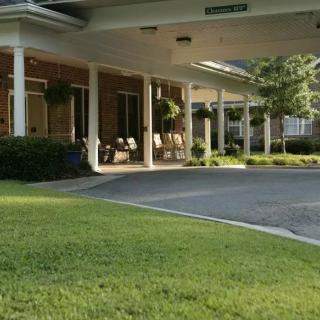
 Strong memory-care focus with 24/7 supervision and a wide range of on-site amenities.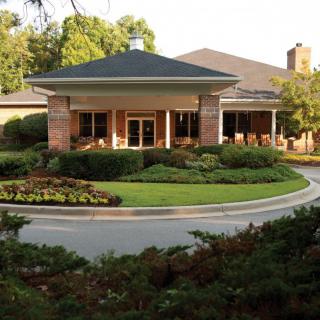

 Beyond the Bingo Hall: 50+ Enriching Activities for Seniors in Assisted Living
 Understanding the Distinctions: Assisted Living and Memory Care Explained
 Guiding Elderly Parents Who Refuse Assisted Living: 6 Practical Steps