Information last verified:
500 Downs Loop, Clemson, SC 29631
For more information about senior living options: (844) 490-3973
Clemson Downs is best suited for seniors who want a campus-style experience with multiple housing options and on-site care options, all anchored by a consistently responsive staff. The community works well for couples or siblings who seek continuity as needs evolve, since independent living duplexes and apartments sit alongside memory care and a full-care unit. Residents benefit from a walkable, activity-rich environment that supports social engagement, regular fitness and enrichment classes, and structured outings, often with transportation to concerts and community events. Reviewers repeatedly point to a warm, family-like atmosphere, reliable housekeeping, and a staff that feels genuinely invested in residents’ well-being. The ability to transition to more intensive support without uprooting a longtime residence is a critical advantage, and several families note that the staff’s attentiveness makes a real difference in daily life.
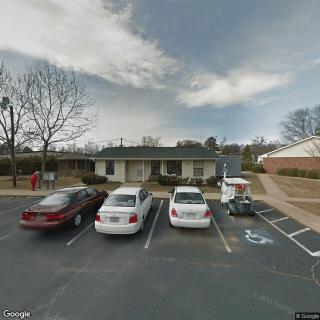
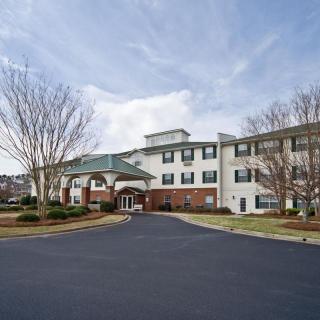
That said, certain families should consider alternatives if they prioritise modern, resort-like amenities or unusually spacious living spaces. One long-running critique contrasts Clemson Downs with newer or more contemporary facilities, specifically noting that parts of the campus feel older, with rooms that can feel small, particularly for wheelchair-accessible configurations where space is sacrificed to accommodate equipment. There’s no on-site pool, and some prospective residents expect more current design features. For families seeking cutting-edge amenities or a facility that feels entirely up-to-date across all neighborhoods, Clemson Downs may fall short. This isn’t a misfit for everyone, but it is a real consideration for those who want a more contemporary aesthetic or more expansive accommodations.
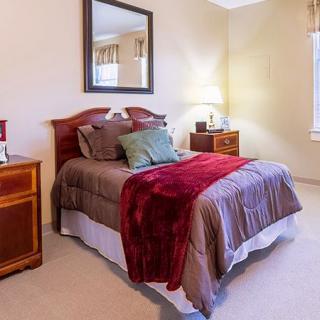
The strongest positives center on people and programming. The staff are consistently described as warm, helpful, and dependable, with clean facilities and a welcoming atmosphere that makes residents feel at home. Food receives mixed but generally favorable remarks: several reviewers praise meals as flavorful and well-prepared, while others note room for improvement in dinner options. What remains clear is that dining is steady and predictable, with an emphasis on substantial, everyday meals rather than gourmet fare. Beyond meals, the campus culture shines through in its social calendar, card games, crafts, religious services, movie nights, and a broad spectrum of classes keep residents engaged. The memory-care environment is structured in a two-floor design with appropriately designed common spaces, and residents can bring their own furniture to personalize spaces, which reinforces a sense of familiarity and autonomy.
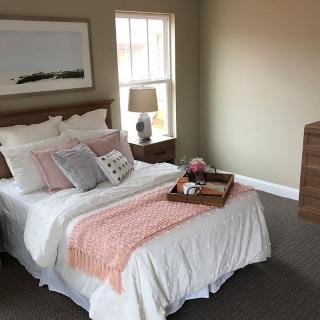
These strengths help offset the drawbacks, especially for residents who value consistency, community, and ease of access to care within a single campus. A number of reviews highlight the ability of the staff to adjust living spaces to fit individual needs and preferences before move-in, including floorings and paint, and to accommodate special requests. That level of customization, paired with a stable team and long-term relationships, creates a resilient sense of belonging that can soften the impact of an older building or modest square footage. The overall living experience feels less like an institution and more like a small, self-contained village where neighbors become friends and staff know residents by name, an intangible but highly persuasive advantage for families seeking peace of mind.
For families weighing the decision, the practical path is straightforward. Schedule a tour and probe the quality of interactions with both front-line staff and ongoing care teams. Assess apartment sizes, especially for wheelchair-accessible configurations, and verify how the community handles renovations and personalized adjustments. Eat a meal in the dining room to gauge consistency and variety, and speak with current residents or family members about daily routines and the feel of social programming. Inquire about the transportation to events and the frequency of outings, as these enrich a senior’s quality of life. Finally, check the memory-care options, including floor plans, security features, and the ability to move seamlessly between levels if needs change. Clemson Downs rewards visits that dig into the real-day lived experience.
Ultimately, Clemson Downs delivers a practical, well-rounded option for families who value a community-first approach, dependable staffing, and a breadth of housing choices that allow lifelong familiarity to remain intact even as care needs evolve. It is not a perfect fit for those chasing a shiny, ultra-modern address with expansive rooms and resort-style amenities. Yet for seniors who prize a strong sense of community, meaningful daily activities, and staff who actively nurture resident well-being, Clemson Downs offers a dependable, comforting home with genuine potential for lasting satisfaction. The verdict is clear: when the goal is not merely care but a tangible, welcoming home where neighbors know your name and support is visible every day, Clemson Downs stands out as a prudent, capable partner in late-life living.
Clemson Downs in Clemson, SC is a vibrant assisted living community that offers a range of care services to cater to the unique needs of its residents. With both Independent Living and Memory Care options available, individuals can choose the level of support that suits them best.
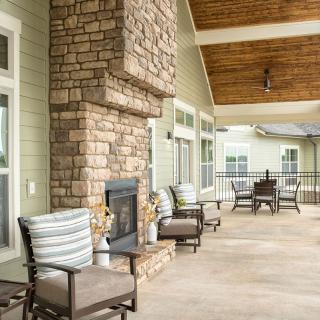
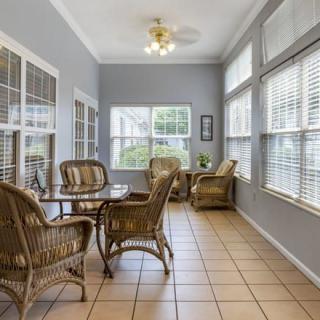
One of the notable amenities at Clemson Downs is the opportunity for devotional services off-site, providing residents with spiritual nourishment and a sense of community. The indoor common areas are welcoming and provide ample space for socializing and engaging in various activities.
The care services offered at Clemson Downs include specialized care for diabetic residents as well as high acuity care for those with more complex medical needs. This ensures that every resident receives personalized attention and assistance in maintaining their health and well-being.
To enhance residents' quality of life, there are various devotional activities held off-site, allowing them to connect with their faith and explore their spirituality. In addition to these activities, there are several cafes, pharmacies, physicians' offices, restaurants, and places of worship nearby, making it convenient for residents to access essential services and enjoy outings within the local community.
Clemson Downs prides itself on creating an inclusive and supportive environment where residents can thrive while receiving the assistance they need.
Clemson Downs is located at 500 Downs Loop, Clemson, SC 29631 in Pickens County, South Carolina
Yes, Clemson Downs provides memory care services for residents with mild or advanced stages of dementia or Alzheimer's disease.
Choosing the Right Senior Care: A Detailed Exploration of Assisted Living and Nursing Homes
Choosing between assisted living and nursing homes involves evaluating emotional and financial factors, with assisted living offering independence and support for daily activities at a lower cost, while nursing homes provide intensive medical care for individuals with significant health needs. The decision is influenced by personal preferences, health status, cognitive function, and varying Medicaid coverage across states.
Safeguarding Your Memory Through the Golden Years: Eight Ways to Preserve Cognitive Health

The article presents eight strategies for preserving cognitive health and memory in older adults, emphasizing a nutrient-rich diet, regular exercise, intellectually stimulating activities, adequate sleep, social connections, stress management techniques, limiting harmful substances, and regular medical checkups to mitigate age-related memory decline.
Comprehensive Insights into Activities of Daily Living (ADLs) and Their Assessment
Activities of Daily Living (ADLs) are fundamental tasks vital for an individual's independence, particularly in older adults over 85, and include functions like bathing and dressing; assessing ADLs alongside Instrumental Activities of Daily Living (IADLs) helps determine the level of required assistance due to age-related health challenges. Tailored support plans, involving family and community resources, are essential for maintaining dignity and autonomy in assisted living environments.