

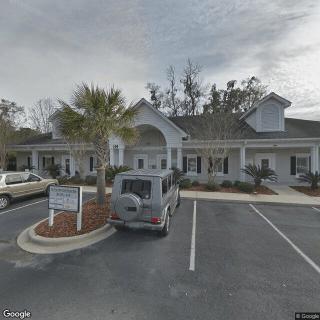
29 Plantation Park Drive Suite 111, Bluffton, SC 29910
To contact a resident: (843) 842-3372
For more information about senior living options: (866) 208-4318
Overall Review of Home Instead Senior Care - Bluffton
Pros
 It would be a good place to check out and consider.
- They offer helpful services, including assistance with daily living activities, light cooking, and medication support.
- The pricing was acceptable for them.
- The communication between the staff and family was good.
Cons
 They were a little expensive.
Review
Home Instead Senior Care – Bluffton is best suited for families seeking in-home, non-institutional support in Bluffton, SC, where an older adult can maintain a degree of independence while receiving practical help with daily living activities, light meal preparation, and medication reminders. The model here centers on hands-on assistance delivered in the home, paired with ongoing communication between care staff and the family. It suits seniors who want to stay out of a traditional facility but still need reliable help to handle everyday tasks and medication management.
Those who may want to consider alternatives are individuals who require around-the-clock supervision, extensive medical oversight, or a more structured social environment. For seniors needing persistent medical monitoring or a robust on-site program of activities and amenities, a full-service assisted living or memory-care community could offer clearer access to medical staff, structured daily schedules, and built-in social programming. Families working with tighter budgets or seeking lower monthly costs may also explore other in-home providers or smaller agencies that can deliver similar support at a reduced price.
The standout pros here are practical and highly relevant to daily life. Assistance with activities of daily living, combined with light cooking, reduces the personal caregiving burden and helps preserve autonomy in familiar surroundings. Medication management is a critical safeguard that can prevent missed doses and confusion, particularly for those juggling multiple prescriptions. The most compelling asset, however, is the communication channel between staff and family. Clear, regular updates and prompt responsiveness translate into fewer uncertainties for loved ones and a smoother care coordination process, which in turn supports continuity of care and peace of mind for caregivers.
Yet the main con is not subtle: price. The service model, home-based, one-on-one or small-team caregiving, tends to come with higher ongoing costs compared to in-house, self-managed care or some lower-cost agencies. For families with constrained budgets or those seeking a predictable, all-inclusive rate, the expense can dominate the decision. The strength of reliable staff communication does not fully offset the financial hurdle for those with long-term budget planning in mind. In addition, the single-review context means the experience may hinge on individual caregiver assignments and scheduling, so prospective clients should verify consistency of staffing and the availability of preferred shifts before committing.
To determine fit, focus on concrete, decision-driving questions: what level of daily assistance is realistically required now and anticipated in the next 12 to 24 months, and how does the agency structure caregiver coverage when plans change? Inquire about caregiver matching (skills, personalities, and language), turnover rates, and the process for escalating concerns. Clarify medication management protocols, especially for complex regimens, and confirm how communication with family is maintained, whether through daily notes, digital portals, or direct calls. Assess whether respite care or trial periods are available to test compatibility without a long-term commitment, and compare the overall cost against in-house options or facility-based care to gauge true value.
The bottom-line assessment is clear: Home Instead Bluffton is a strong choice for families prioritizing at-home support with dependable communication and practical help enabling an elder to remain in familiar surroundings. The practical advantages, assistance with daily tasks, light meal preparation, and medication support, are meaningful, and they tend to translate into tangible relief for caregivers and safer daily routines for seniors. The price tag, however, is a decisive factor; it will likely determine whether this option remains sustainable over time or simply serves as a meaningful step before a different care arrangement is pursued. For those who can accommodate the cost, the combination of practical help and responsive communication makes this a persuasive, non-institutional path to maintaining independence with supervision. For others, exploring alternatives that offer similar levels of assistance at a lower cost or that provide more intensive medical oversight will be necessary to meet long-term needs.
 Savannah International (21 miles away)





 Caring for Those Who Care: Recognizing, Understanding, and Overcoming Caregiver Burnout
 Caregiver Exhaustion: Recognizing the Signs and Restoring Your Well-Being
 Understanding Hospice Care at Home: Comprehensive Services, Key Benefits, and Eligibility