

480 Metacom Ave, Bristol, RI 02809
To contact a resident: (401) 253-8000
For more information about senior living options: (866) 208-4318
Overall Review of Veteran's Home
Pros
 It is the greatest place ever for veterans.
- Kristin Emery was amazing, kind and helpful.
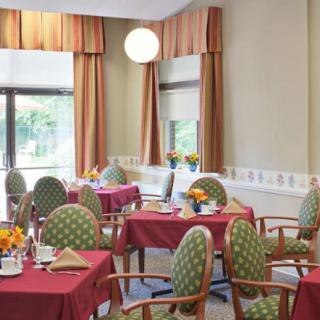
- The facility is clean.
- It is a very nice home for veterans.
- The facility is super clean and well maintained, and the staff are very caring and attentive.
- It is a very nice place to walk or bike around.
- The place is clean, spacious and well lit; the staff and residents are pleasant.
- The administration listens to families and tries to accommodate.
- It is a beautiful place with friendly staff.
- They are good to veterans.
Cons
 The boss Alisa is described as truly unprofessional.
- The brand-new facility looks impressive but is not very functional.
- The design requires residents to walk everywhere, which is a lot for a senior veteran.
- Families still must advocate for their loved ones, even if administration claims to listen.
Review
This community is best suited for military veterans who want a modern, clean, home-like environment where care staff treat residents with warmth and respect, and where families stay in the loop through regular updates and meetings. The setting prioritizes dignity, comfort, and a sense of belonging, residents are described as being in a true home, not just a residence. The facility’s clean, well-lit spaces, visible caregiver presence, and a campus feel that encourages light activity like walking or biking make it a strong fit for veterans who are reasonably mobile and who value an environment that looks and feels new and well maintained.
Those weighing alternatives should note that this may not be the best match for every veteran. If health needs demand highly structured programming, exacting medication management, or a layout that minimizes travel within the building, some other options could serve better. A few reviewers raise questions about leadership professionalism, suggesting a mismatch between care quality and administrative style. Families seeking a perfectly smooth, friction-free administrative experience may want to compare other communities where governance is described as more consistently cohesive. For residents with significant mobility limitations or a preference for a more compact, easier-to-navigate campus, a smaller or differently laid-out setting could prove preferable.
The strongest positives here carry substantial weight. Clean, aesthetically pleasing, and well-maintained spaces create an immediately reassuring atmosphere. Staff are repeatedly described as caring, attentive, and engaged, with a clear commitment to resident welfare. A proven emphasis on communication stands out: monthly resident meetings and separate family meetings establish formal channels for updates and concerns, and leaders who listen appear to translate that listening into practical actions. The ethos that treats the resident as family, “it’s his home”, translates into daily warmth and personal attention that many families deeply value, making the environment feel less clinical and more supportive.
Two practical caveats emerge from the reviews. First, leadership can sometimes feel uneven, with at least one account labeling management as unprofessional; for families, that creates a risk of eroded confidence if such perceptions persist. Second, the physical layout of the new facility can be less functional than its aesthetic would imply: wide, impressive spaces may necessitate longer walks and more corridor navigation, which may be tiring for less mobile veterans. That combination means families should be prepared to advocate actively and to verify that mobility supports, staffing coverage, and accessible routes align with the veteran’s daily routines. Advocacy is a reality here, not a weakness, so assessing how responsive the front-line team is and who serves as the go-to contact will be crucial.
For decision-makers, the community presents compelling value for veterans who prize a warm, dignified setting, transparent family involvement, and a modern, clean environment. The blend of high cleanliness standards, attentive staff, and an active channel for family feedback creates real peace of mind for those who want to stay engaged in daily care. However, those who require tightly integrated administration or who must avoid longer internal walks should compare with alternatives that emphasize governance consistency and more navigable layouts. The choice hinges on balancing the veteran’s mobility, tolerance for advocacy, and the importance placed on a home-like culture.
In sum, this Bristol home stands out as a practical, veteran-focused option where care, atmosphere, and family partnership carry real weight. It is well-suited for veterans who value a home feel and for families prepared to stay engaged to ensure needs are met. The strongest pros, cleanliness, compassionate staffing, and a family-inclusive communication culture, offset most concerns, but the decision should hinge on a thorough tour that confirms layout practicality and governance style fits the specific mobility level and advocacy expectations of the veteran. To proceed, arrange direct introductions with front-line caregivers, review a sample care plan, ask to see floor plans for accessibility, and secure a clear point of contact for ongoing family updates.
 Theodore F Green State (9 miles away)






 Comprehensive Guide to Medicare Coverage for Hospice Care
 Caring for Those Who Care: Recognizing, Understanding, and Overcoming Caregiver Burnout
 Caregiver Exhaustion: Recognizing the Signs and Restoring Your Well-Being