
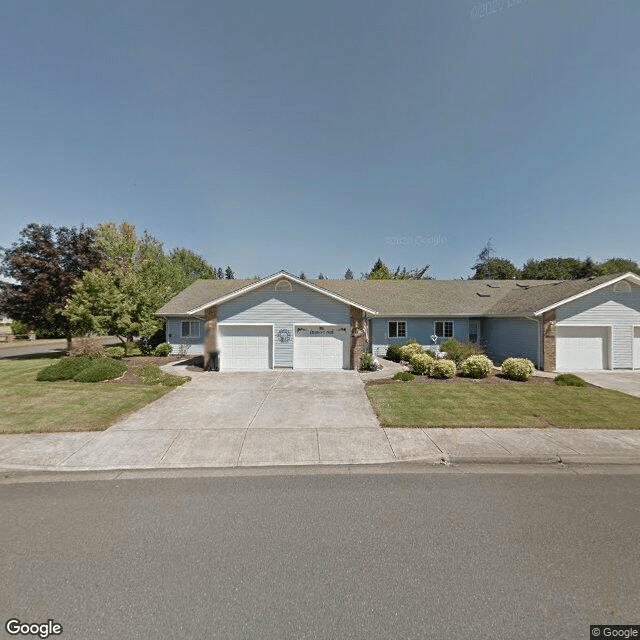
5050 Mountain Fir Street, Sweet Home, OR 97386
For more information about senior living options: (866) 208-4318
Wiley Creek Community Costs & Pricing
Wiley Creek Community offers competitive pricing for its private rooms, with a monthly cost of $2,281. This is significantly lower than the average rates in Linn County, which stand at $4,383, and the broader state average in Oregon at $3,424. This positions Wiley Creek as an attractive option for individuals seeking quality care without incurring excessive financial burden. The community's pricing reflects both affordability and a commitment to providing residents with a supportive living environment, making it an appealing choice within the local market.
| Floor plans | Wiley Creek Community | Linn County | Oregon |
|---|---|---|---|
| Private | $2,281 | $4,383 | $3,424 |
Overall Review of Wiley Creek Community
Pros
 The residents have the best smiles.
- The staff take good care of the residents and provide enjoyable activities.
- Residents thrive here.
- Meals are great.
- Residents call Wiley Creek home.
- The facility is clean, and residents are happier and stay longer.
Cons
 A reviewer could not give a star and said a room smelled of urine, accusing staff of neglecting basic sanitation.
 - The reviewer stated that the rooms were not being cleaned and that residents were neglected for basic sanitation care.
- They described the sanitation situation as deplorable given how much residents pay.
- They criticized the lack of easy access to the river, noting a difficult climb and brushy terrain.
Review
Wiley Creek Community in Sweet Home, OR is best suited for seniors who want a lively, people-centered environment where engagement and camaraderie drive daily life. The prevailing sentiment among residents and families is that this is more than a place to stay, it feels like a true community. For families prioritizing social programming, accessible activities, and staff who seem reachable and supportive, Wiley Creek delivers a home-like atmosphere where residents appear to thrive and form lasting connections. The blend of warm interactions, regular events, and a clear sense of belonging makes it a strong option for those seeking meaningful daily life rather than a clinical, impersonal setting.
Those who may want to consider alternatives are typically families with a high emphasis on flawless in-room cleanliness and spotless private spaces, or with loved ones who require very predictable, zero-tolerance standards for sanitation. A troubling review describes a room with a strong urine odor and perceived neglect in cleaning, raising legitimate concerns about housekeeping oversight and accountability. Even with otherwise positive feedback, that kind of experience signals the need for thorough, verifiable cleanliness policies, transparent housekeeping schedules, and proactive problem resolution. For families highly sensitive to cleanliness lapses or who want assurance before move-in, exploring other communities while asking pointed questions about QA procedures is prudent. Additionally, Wiley Creek’s outdoor access is not universally easy; the river is nearby but not readily reachable for all residents, which matters for those valuing casual, hands-on outdoor time.
On balance, the strongest pros are clear and meaningful: a welcoming staff culture, robust social programming, and a sense that residents stay longer and grow more content over time. Several reviews highlight staff helpfulness and residents’ enjoyment of activities, with a sentiment that the environment supports social health and personal happiness. A resident’s family member notes that their loved one has been thriving for years, which speaks to continuity of care and satisfaction with daily routines. The overall tone is that Wiley Creek can deliver a fulfilling, community-forward experience where residents feel seen, valued, and engaged, particularly for those who prize companionship, events, and a friendly, approachable campus.
The most consequential cons revolve around sanitation consistency and outdoor access practicality. The one-star comment about odor and neglect underscores a risk that cannot be dismissed, even if other residents celebrate positive experiences. Families should verify that housekeeping standards are consistently applied, that cleaning schedules are transparent, and that there is a clear process for reporting and resolving concerns. The outdoor geography matters as well: the site sits by a river and near Foster Lake, but access to those natural features requires mobility and readiness to navigate uneven terrain. For residents who want straightforward, low-effort outdoor time, this could be a mismatch; for others who don’t mind a bit of a hike, the trade-off may be acceptable given the social advantages inside.
Turning pros into a practical decision framework means asking the right questions and setting clear expectations. Prospective families should request a direct tour during busy activity times to observe staff-resident interactions, participate in a meal or an activity, and hear residents’ unfiltered impressions. Inquiries should cover housekeeping frequency, ownership of room cleanliness, incident reporting, and how concerns are tracked to resolution. It’s wise to review the dining program, activity calendar, and any resident councils that provide feedback channels. If choosing Wiley Creek, advocate for a detailed, written housekeeping standard, routine room inspections, and a trial period during which concerns can be openly addressed without penalty.
Ultimately, Wiley Creek is a compelling choice for families seeking a vibrant, community-first senior living option where residents can feel at home and connected. It suits those who value lively programming, accessible staff support, and the comfort of a long-tenured, happy resident base. However, for households prioritizing pristine in-room cleanliness, impeccable sanitation transparency, or easy outdoor accessibility, it is essential to compare against alternatives and to insist on specific assurances before committing. A careful visit, candid conversations with staff and current residents, and a concrete housekeeping and safety plan will determine whether the inevitable strengths, community, engagement, and warmth, outweigh the notable concerns.
 60 resident community capacity
 Assisted Living
 Independent Living
 Activities on-site
 Air-conditioning
 Beauty salon
 Cable or satellite TV
 Computer center
 Devotional services off-site
 Dining room
 Fitness room
 Fully furnished
 Gaming room
 Garden
 Housekeeping services
 Indoor common areas
 Kitchenette
 Move-in coordination
 Outdoor space
 Private bathrooms
 Restaurant-style dining
 Small library
 Telephone
 Wellness center
 Wi-Fi/high-speed internet available
 Community operated transportation
 12-16 hour nursing
 24-hour call system
 Ambulatory care
 Assistance with bathing
 Assistance with dressing
 Assistance with transfers
 Diabetes diet
 Diabetic care
 Medication management
 Mental wellness program
 Special dietary restrictions
 Concierge services
 Planned day trips



 Assisted Living Support for Veterans: A Complete and Detailed Overview
 Exploring the Contrasts Between Assisted Living and Skilled Nursing
 8 Key Indicators That Suggest It May Be Time to Transition from Assisted Living to Skilled Nursing Care