For more information about senior living options: (866) 208-4318
3.9 from 46 reviews
5 stars
21
4 stars
14
3 stars
3
2 stars
0
1 stars
8
Cascades of Stayton Costs & Pricing
Cascades of Stayton offers competitive pricing for its accommodations compared to both Marion County and the broader state of Oregon. For instance, residents seeking a two-bedroom unit at Cascades will find the monthly cost to be $3,040 - significantly lower than the county average of $3,417 and well below the state average of $4,436. In terms of studio apartments, while Cascades' rate of $4,255 exceeds both the county's average of $3,836 and the state's average of $3,815, it reflects the premium services and amenities provided by this community. Finally, for one-bedroom units, Cascades' fee of $5,290 is notably higher than both local ($4,001) and statewide ($3,904) averages; this may suggest an emphasis on quality features or additional care services that cater to residents' needs. Overall, while some options may appear pricier than regional averages, Cascades of Stayton balances quality living experiences with value in its offerings.
Floor plans
Cascades of Stayton
Marion County
Oregon
2 Bedrooms
$3,040
$3,417
$4,436
Studio
$4,255
$3,836
$3,815
1 Bedroom
$5,290
$4,001
$3,904
Assisted Living communities with a similar price nearby
Residents mention scheduled activities and an activities director, but staffing changes can disrupt the experience.
Multiple residents point to an active schedule and an activities director who plans options for preferences. Others describe periods when the activities director position was in flux or coverage was limited. One review also notes residents felt insufficiently involved with activities, alongside a sense that staffing and communication lagged at times.
common18 reviews mention this
Staff are caring and responsive
Residents consistently describe the staff as friendly, caring, and helpful.
Across many reviews, residents and family members describe meeting staff who are friendly and helpful, with caregivers who take good care of loved ones. Several reviews also emphasize communication and feeling listened to, including staff keeping families updated about concerns. A few negative reviews temper the praise by pointing to problems like understaffing or gaps in support for certain health situations, but even those acknowledge staff intentions and individual kindness.
caveat6 reviews mention this
Dining quality gets mixed reviews
Dining is described as inconsistent, ranging from edible to poorly prepared and often not hot.
Some residents say the food has improved or is usually quite good, and a couple of reviews describe meals as edible or acceptable. Other reviews are much harsher, describing meals as burned, undercooked or overcooked, and sometimes not served hot or taking too long to arrive. Even where the overall environment feels positive, dining timing and preparation show up as recurring complaints.
caveat5 reviews mention this
Staffing and communication lag
Several reviews mention delays and understaffing that affect day-to-day follow-through.
A recurring concern is understaffing, including reports that dining and other coverage can fall behind. Reviews also describe communication that can feel slow, including difficulty getting issues fixed and long waits during the acceptance process. A few residents mention operational gaps such as lack of planning during weather events and follow-through problems, even while describing staff as kind overall.
common6 reviews mention this
Clean spaces and light rooms
Residents commonly notice bright apartments and cleanliness, though there are notable exceptions.
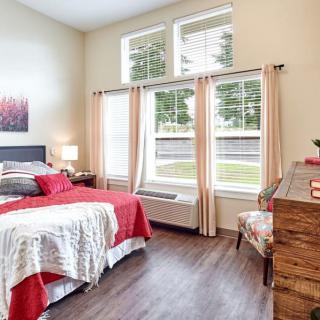
Several reviews highlight apartments with lots of windows and describe rooms and common areas as clean. Positive notes also mention cleanliness supporting peace of mind. On the other hand, a few reviews report dirty floors or stained carpets, and one mentions that requested maintenance tasks like window washing were not completed.
caveat3 reviews mention this
Cost feels high for some
At least some residents feel the pricing is high for what they receive.
Some reviews directly call out the community as spendy or very expensive relative to the experience. Others include specific frustrations—such as dining quality and service issues—that make the value feel worse for them. While the community offers pricing across multiple unit types, these reviews still describe cost as a sticking point.
How we summarize
Counts show how many written reviews mention each theme; a review can touch several themes, and only frequently mentioned themes are displayed.
Features
Housing
75 resident community capacity
1-bedroom apartments
2-bedroom apartments
Studio apartments
Types of Care
Assisted Living
Independent Living
Respite Care
Pets
Cats allowed
Dogs allowed
Amenities
Activities off-site
Activities on-site
Air-conditioning
Bath tubs
Beautician on-site
Beauty salon
Cable or satellite TV
Computer center
Devotional services off-site
Devotional services on-site
Dining room
Financing advice
Fitness room
Full kitchen
Fully furnished
Gaming room
Garden
Ground floor units
Housekeeping services
Indoor common areas
Kitchenette
Laundry
Move-in coordination
Outdoor common areas
Outdoor space
Overnight guests
Private bathrooms
Religious/meditation center
Respite or short term stays offered
Restaurant-style dining
Small library
Telephone
VA Benefits Consultation
Wellness center
Wheelchair accessible showers
Wi-Fi/high-speed internet available
Transportation
Community operated transportation
Transportation & parking
Transportation arrangement
Transportation arrangement (non-medical)
Transportation to doctors appointments
Care Services
12-16 hour nursing
24-hour call system
24-hour supervision
Activities of daily living assistance
Ambulatory care
Assistance with bathing
Assistance with dressing
Assistance with transfers
Diabetes diet
Diabetic care
Meal preparation and service
Medication management
Mental wellness program
Special dietary restrictions
Dining
Diabetes diet
Guest meals
Low / no sodium
Meals provided
Restaurant style dining
Special dietary restrictions
Vegetarian
Activities
Activities off-site
Art classes
Catholic services
Community-sponsored activities
Concierge services
Cooking classes
Day trips and outings
Devotional activities offsite
Devotional activities on-site
Fitness programs
Gardening club
Happy hour
Karaoke
Live dance or theater performances
Live musical performances
Planned day trips
Religious services
Resident-run activities
Scheduled daily activities
Stretching classes
Wine tasting
Languages Spoken
English
Nearby Places of Interest
Located in Stayton, Oregon, this area offers a range of amenities that cater to the needs of seniors. With hospitals such as Lakeside and Santiam Memorial Hospital within close proximity, residents have access to quality healthcare services. Pharmacies like Stayton Pharmacy and Walgreens are conveniently located for medication needs. There are numerous dining options such as Covered Bridge Cafe and Neufeldt's Restaurant, offering a variety of cuisine choices. For outdoor enthusiasts, parks like Pioneer Park and Silver Falls State Park provide opportunities for leisurely strolls and enjoying nature. Medical professionals like Dr. Jeanette Walker and clinics such as Jefferson Medical Clinic are also nearby for any health concerns. Additionally, cafes like Dutch Bros Coffee and Black Rock Coffee Bar offer cozy spots for socializing over a cup of coffee. Overall, this part of Stayton provides a comfortable and convenient living environment for seniors.
Hospitals
Lakeside (0 miles)
Santiam Memorial Hospital (0.6 miles)
Oregon State Hospital (13.5 miles)
Department of Human Service (13.6 miles)
Willamette Family Medical Center (13.8 miles)
Pharmacies
Stayton Pharmacy (0.1 miles)
Walgreens (1 miles)
Safeway Pharmacy (12 miles)
Performance Health Technology (12.1 miles)
Kaya Shack South Salem Dispensary (12.1 miles)
Walmart Pharmacy (12.2 miles)
Walgreens (12.3 miles)
Restaurants
Domino's Pizza (0.6 miles)
Covered Bridge Cafe (0.9 miles)
A&W Restaurant (1 miles)
Rumours Restaurant & Lounge (1 miles)
McDonald's (1.1 miles)
Wooden Nickel Pub & Eatery (1.3 miles)
Neufeldt's Restaurant (4.1 miles)
Parks
Pioneer Park (0.9 miles)
Sublimity Park (1.3 miles)
Silver Falls State Park (8.3 miles)
Silver Falls State Park (9.1 miles)
Wes Bennett Park (11.8 miles)
Woodmansee Park (13.1 miles)
Silverton City Park (13.1 miles)
Physicians
Jeanette Walker, MD (8 miles)
Jefferson Medical Clinic (12.4 miles)
Oregon Heart Center, PC (12.5 miles)
Will Vision & Laser Center (12.9 miles)
Block, Richard A, Md - Silverton Hospital (13.3 miles)
Cascades of Stayton offers competitive pricing for its accommodations compared to both Marion County and the broader state of Oregon. For instance, residents seeking a two-bedroom unit at Cascades will find the monthly cost to be $3,040 - significantly lower than the county average of $3,417 and well below the state average of $4,436. In terms of studio apartments, while Cascades' rate of $4,255 exceeds both the county's average of $3,836 and the state's average of $3,815, it reflects the premium services and amenities provided by this community. Finally, for one-bedroom units, Cascades' fee of $5,290 is notably higher than both local ($4,001) and statewide ($3,904) averages; this may suggest an emphasis on quality features or additional care services that cater to residents' needs. Overall, while some options may appear pricier than regional averages, Cascades of Stayton balances quality living experiences with value in its offerings.
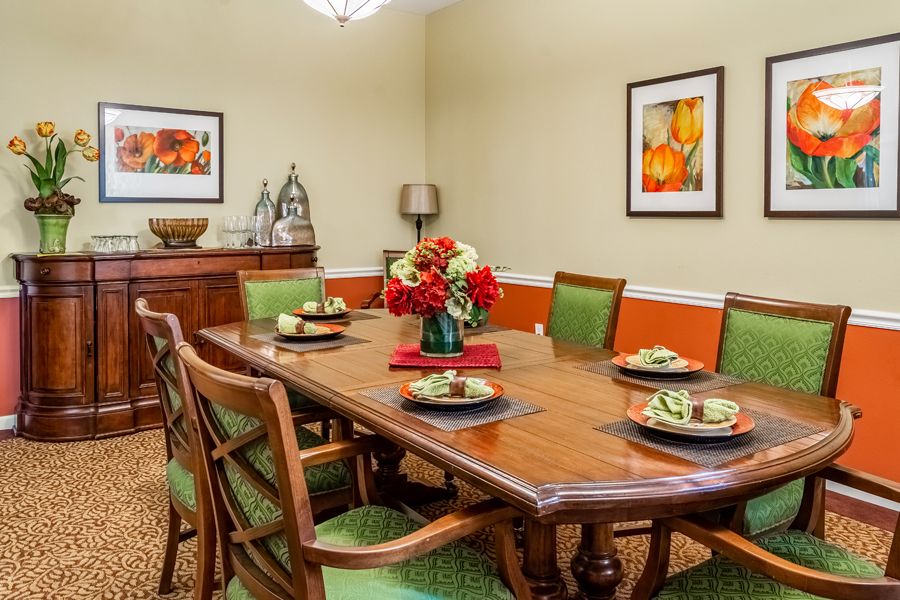
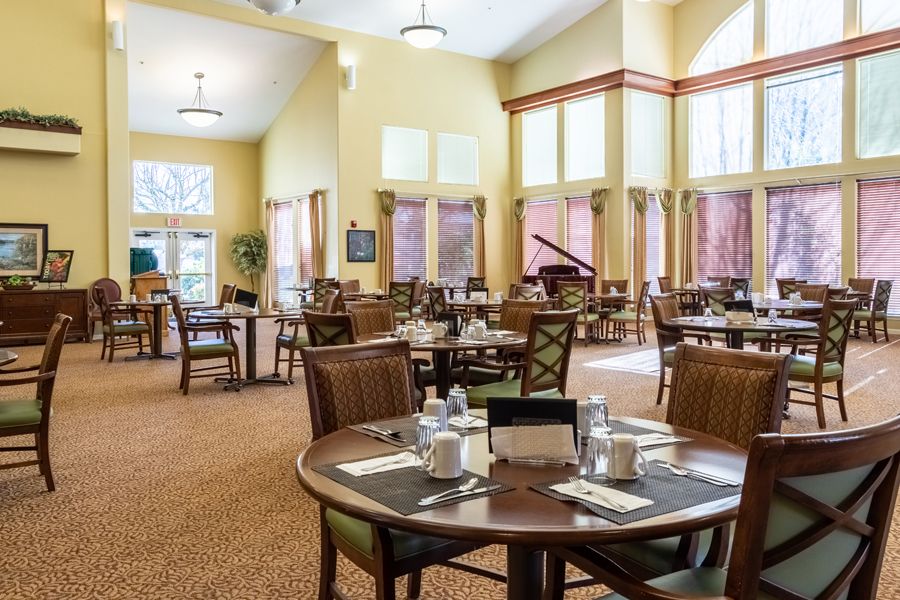
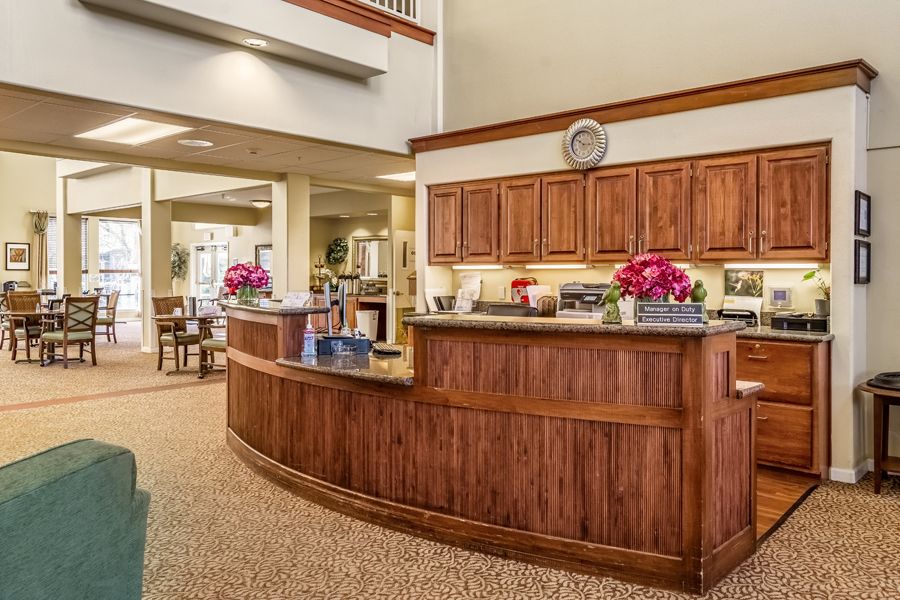
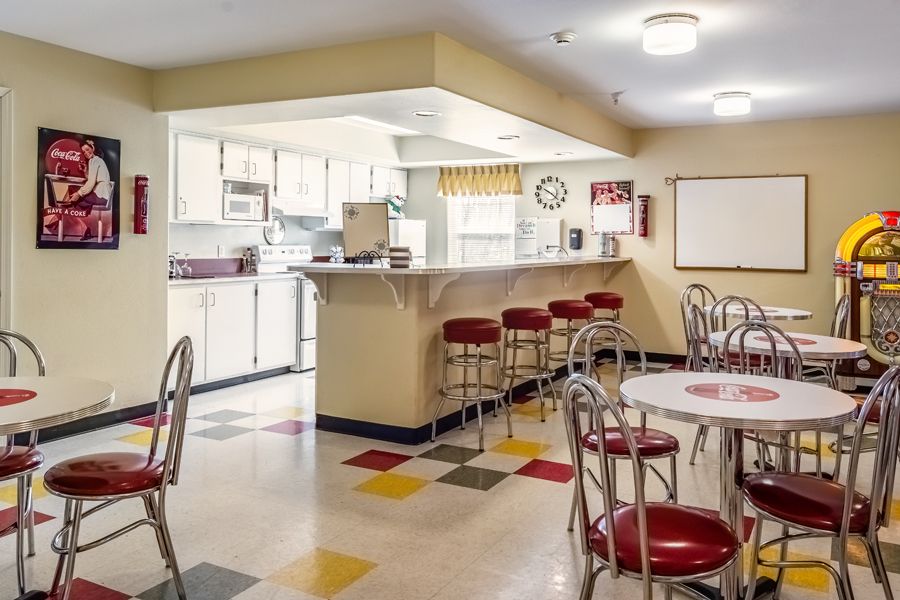
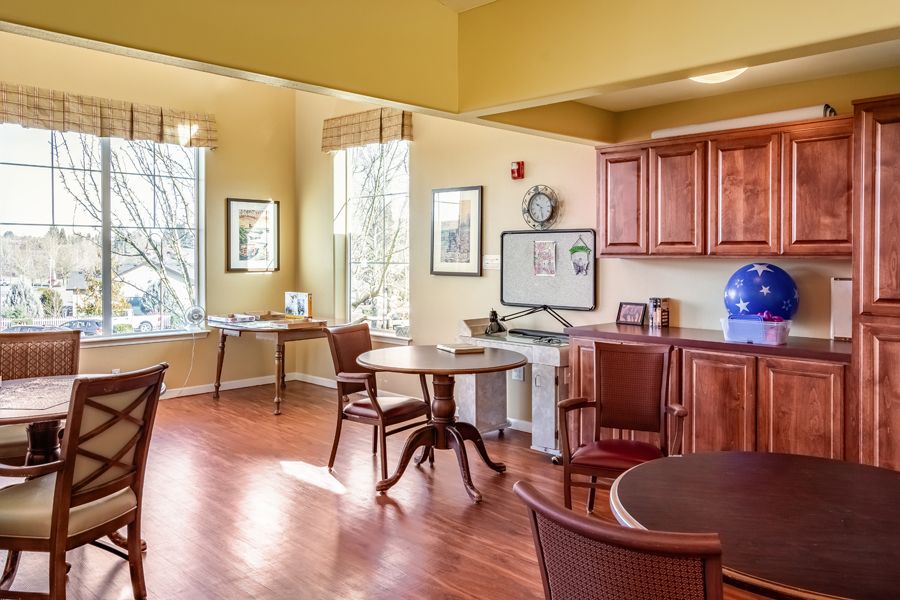
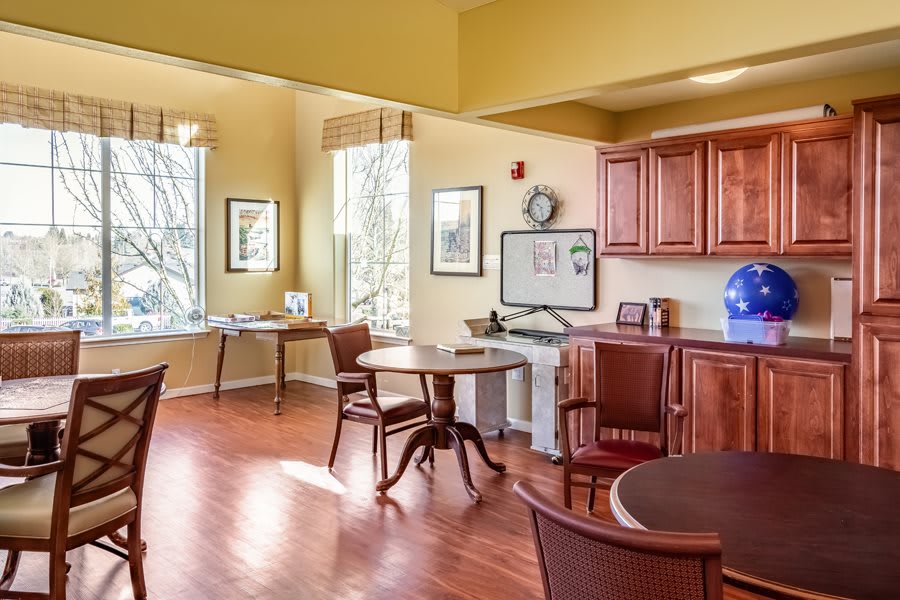
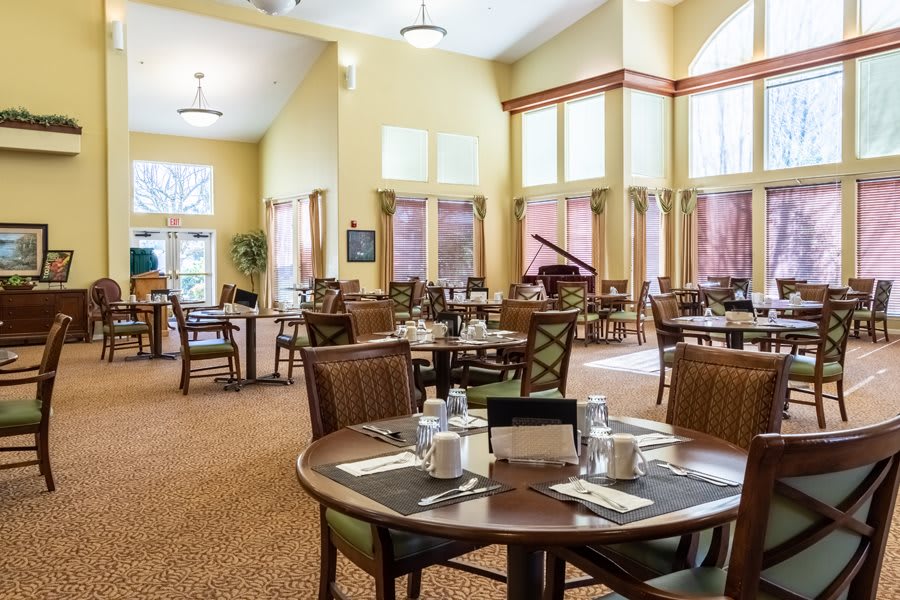
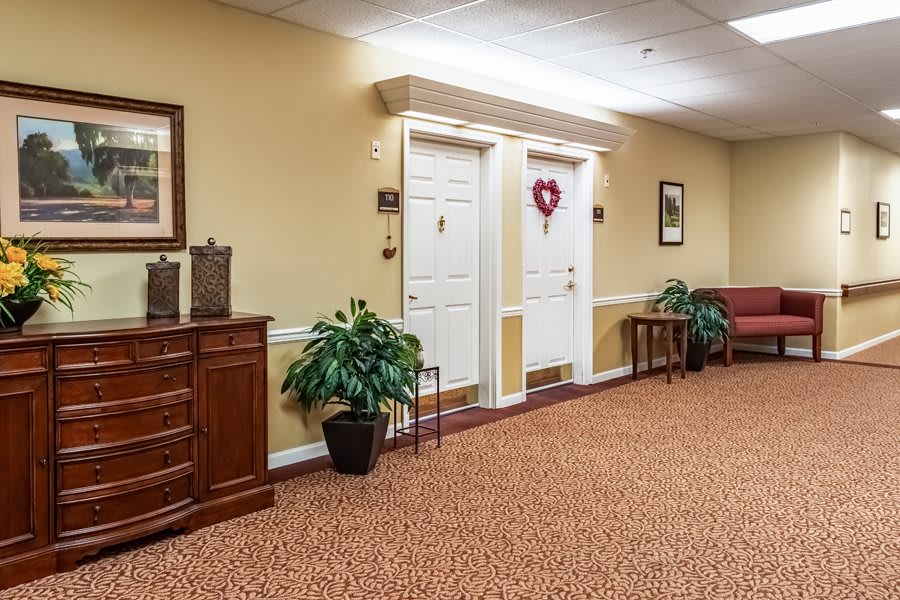
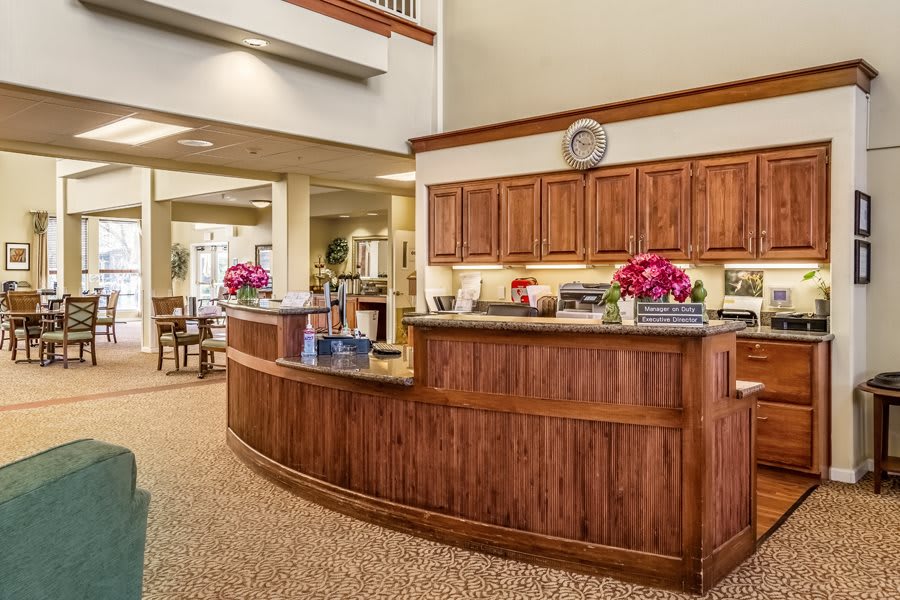
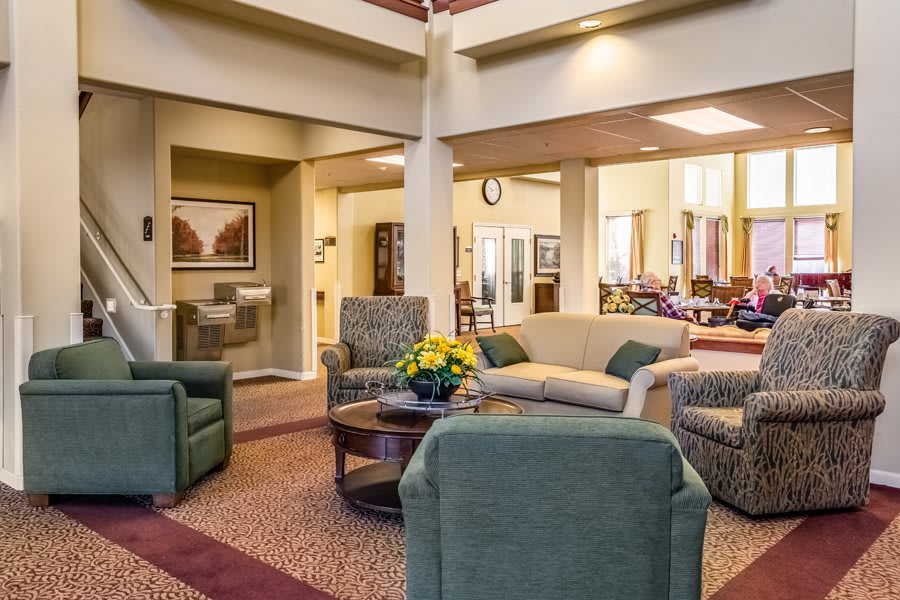
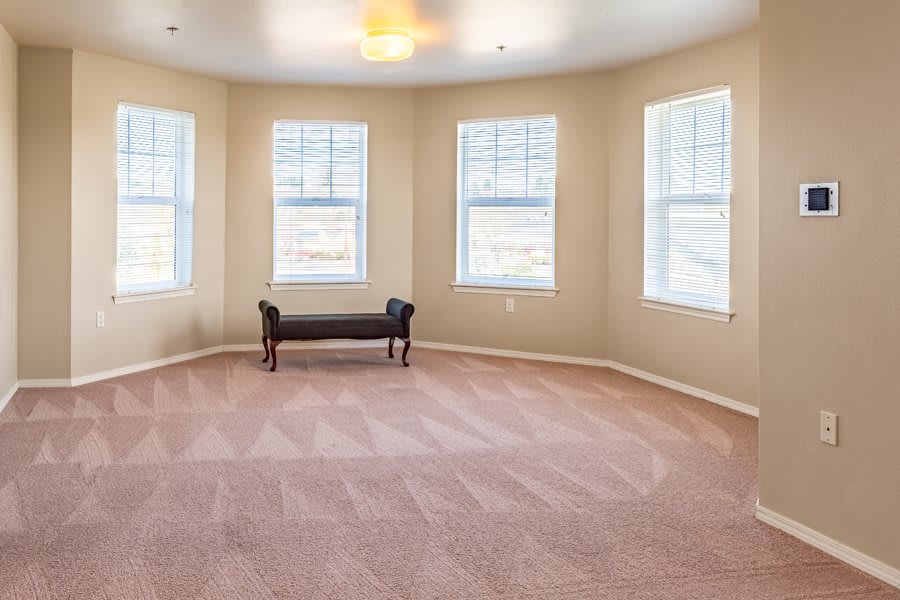
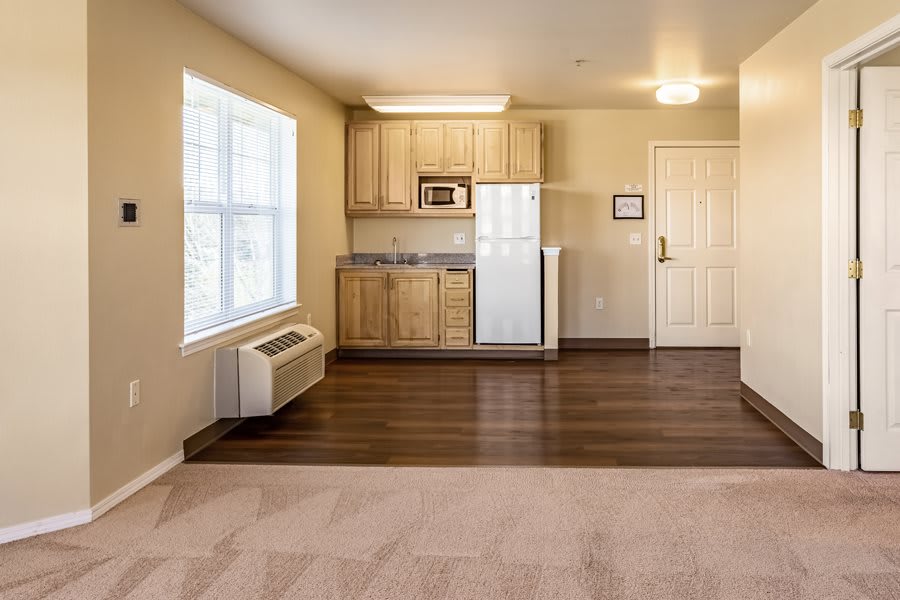
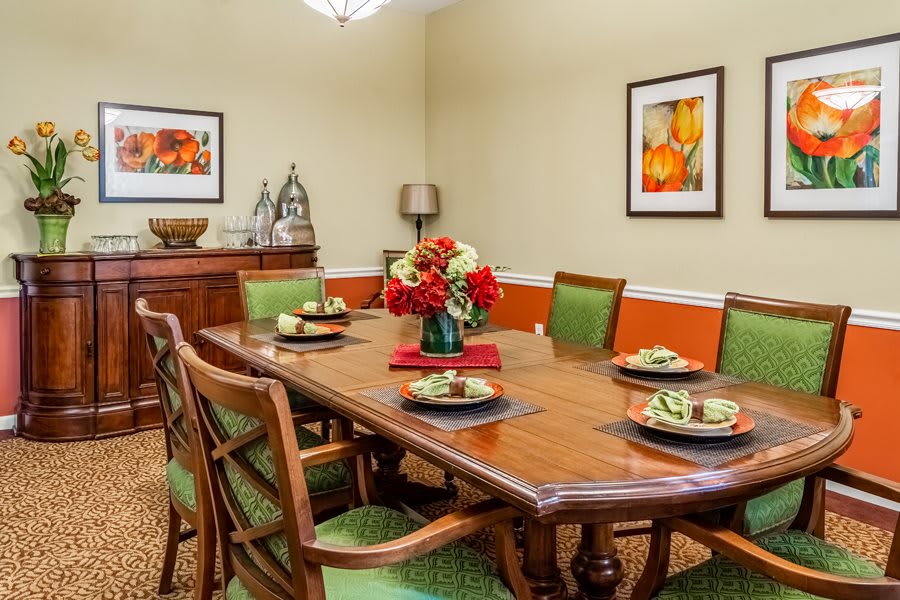
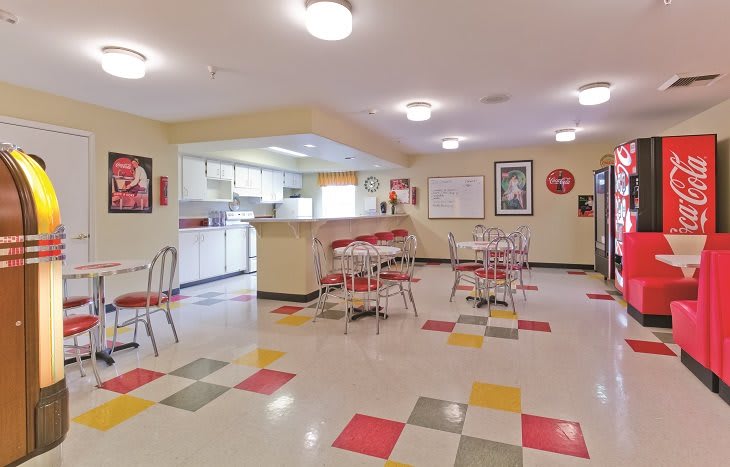
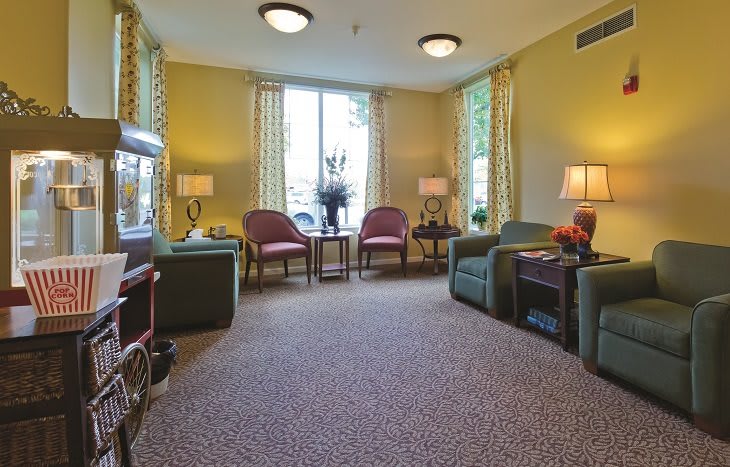
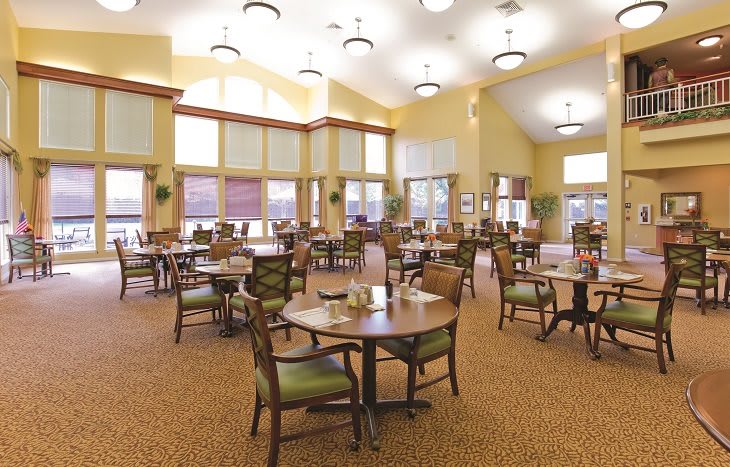
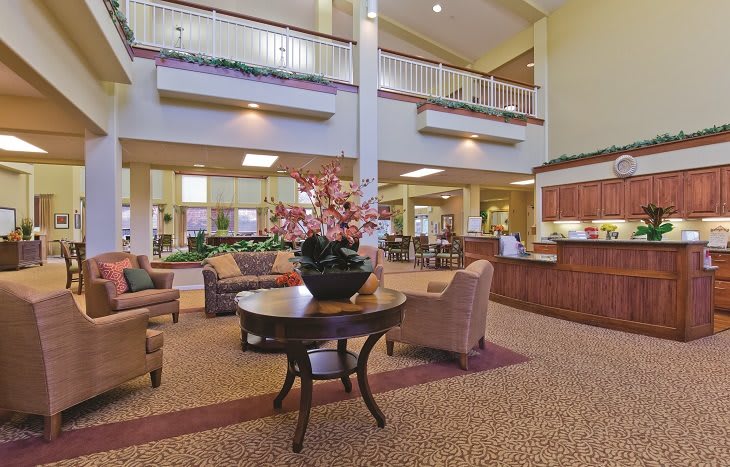
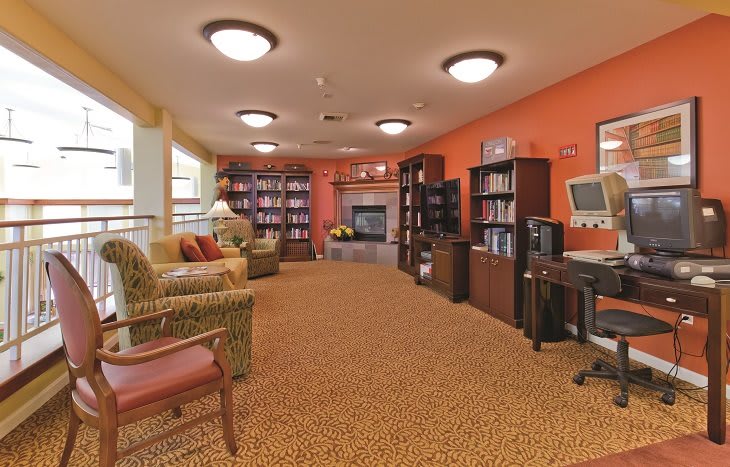
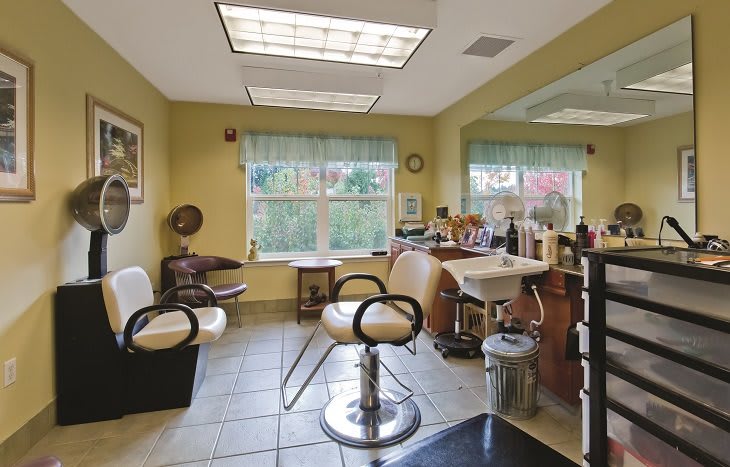
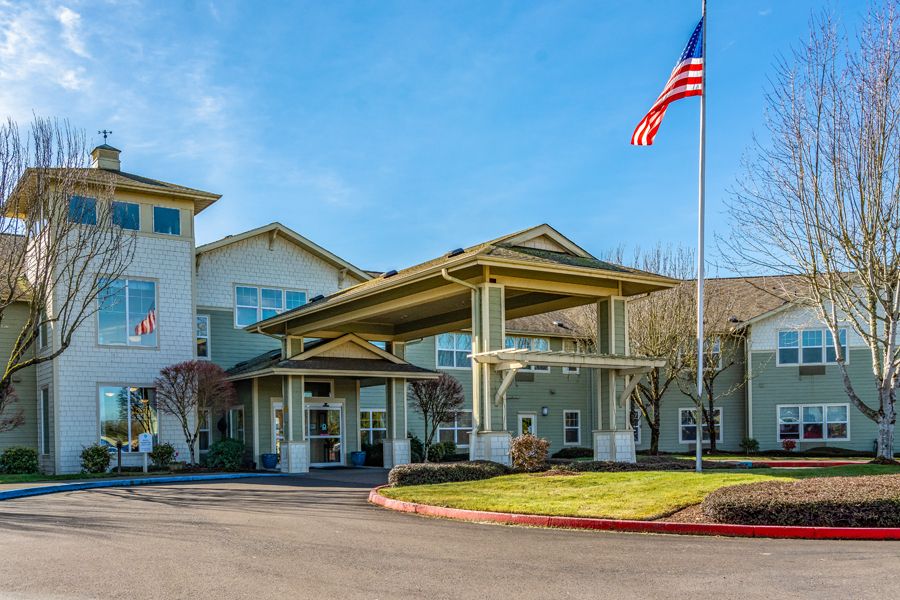
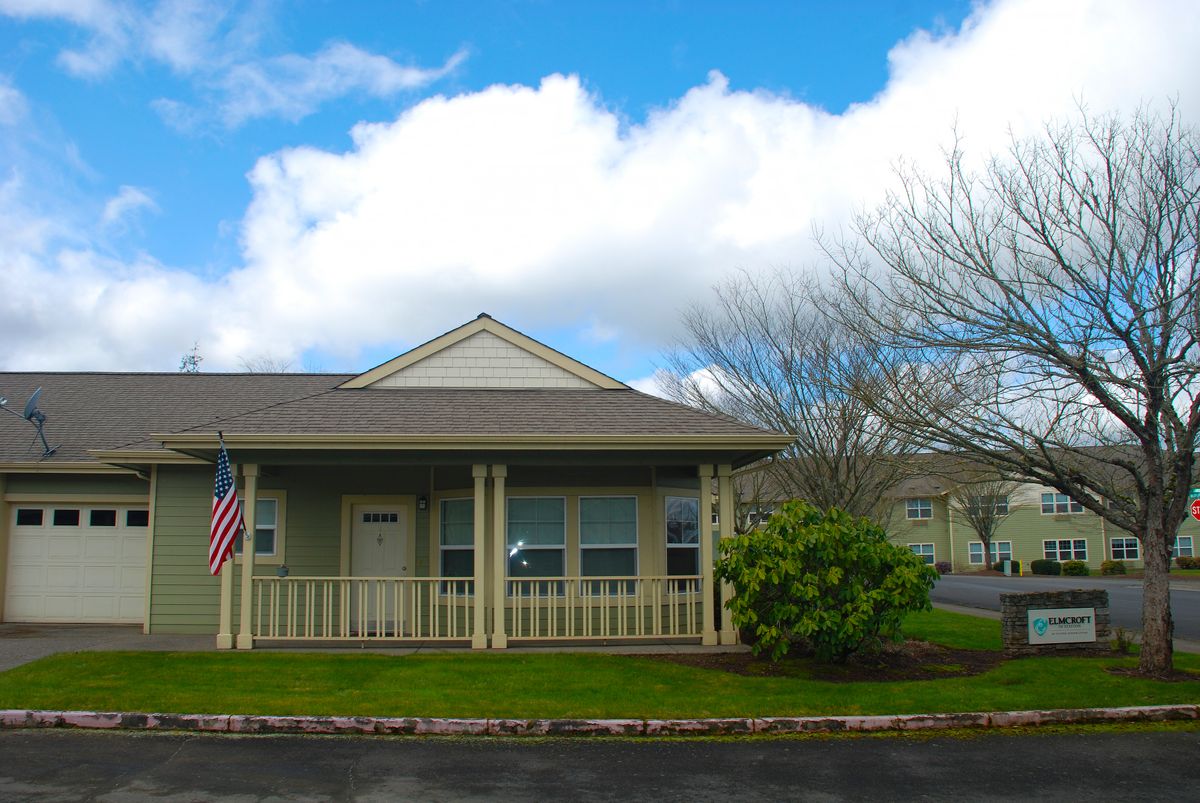
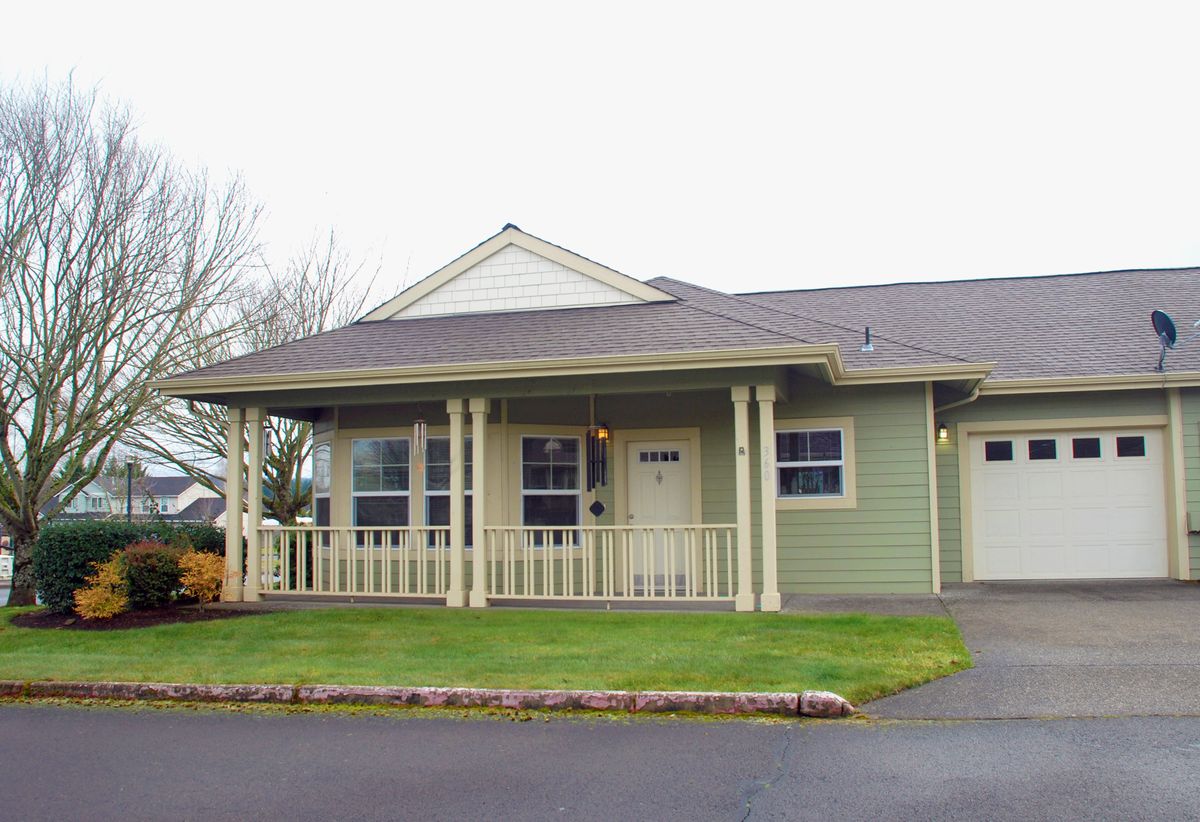
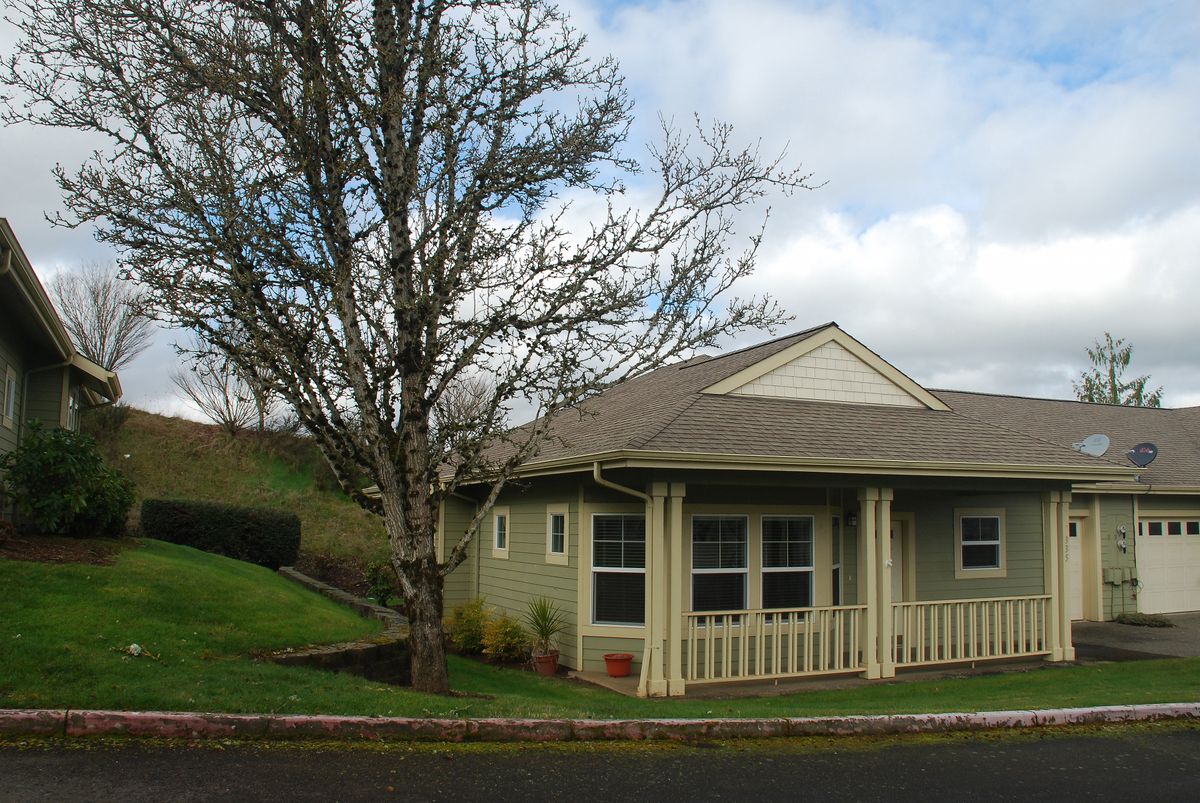
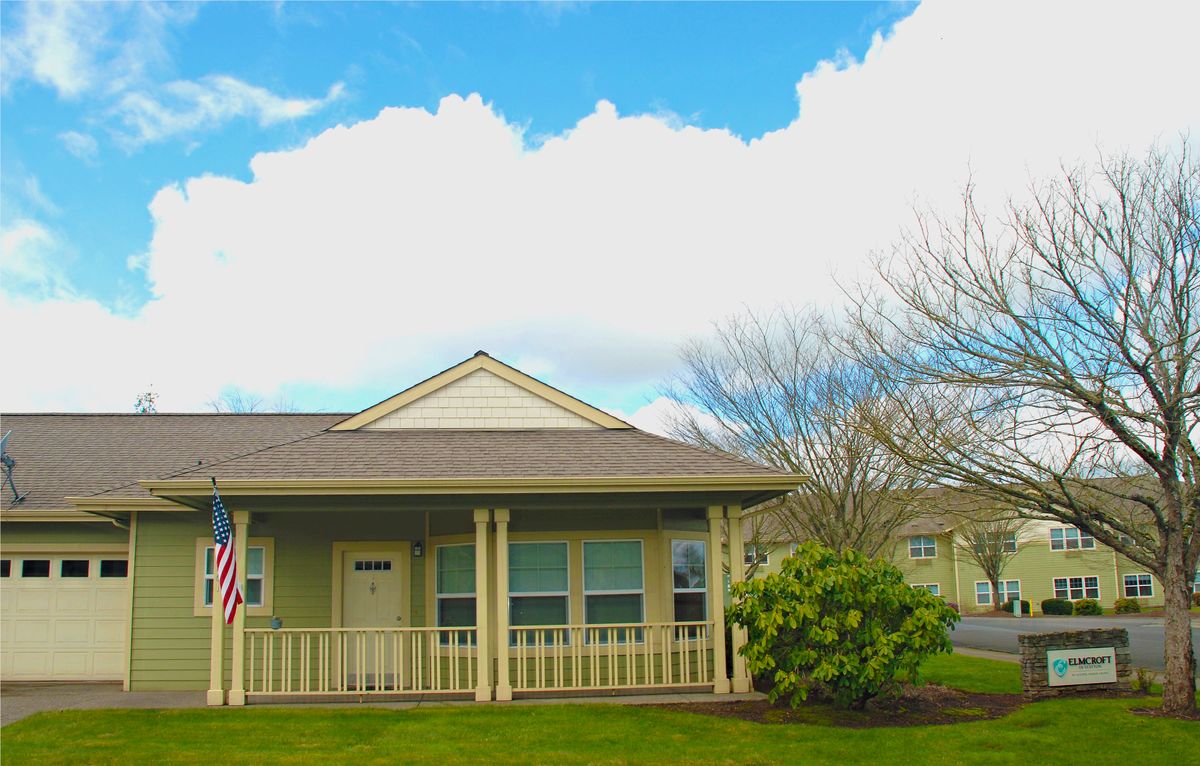
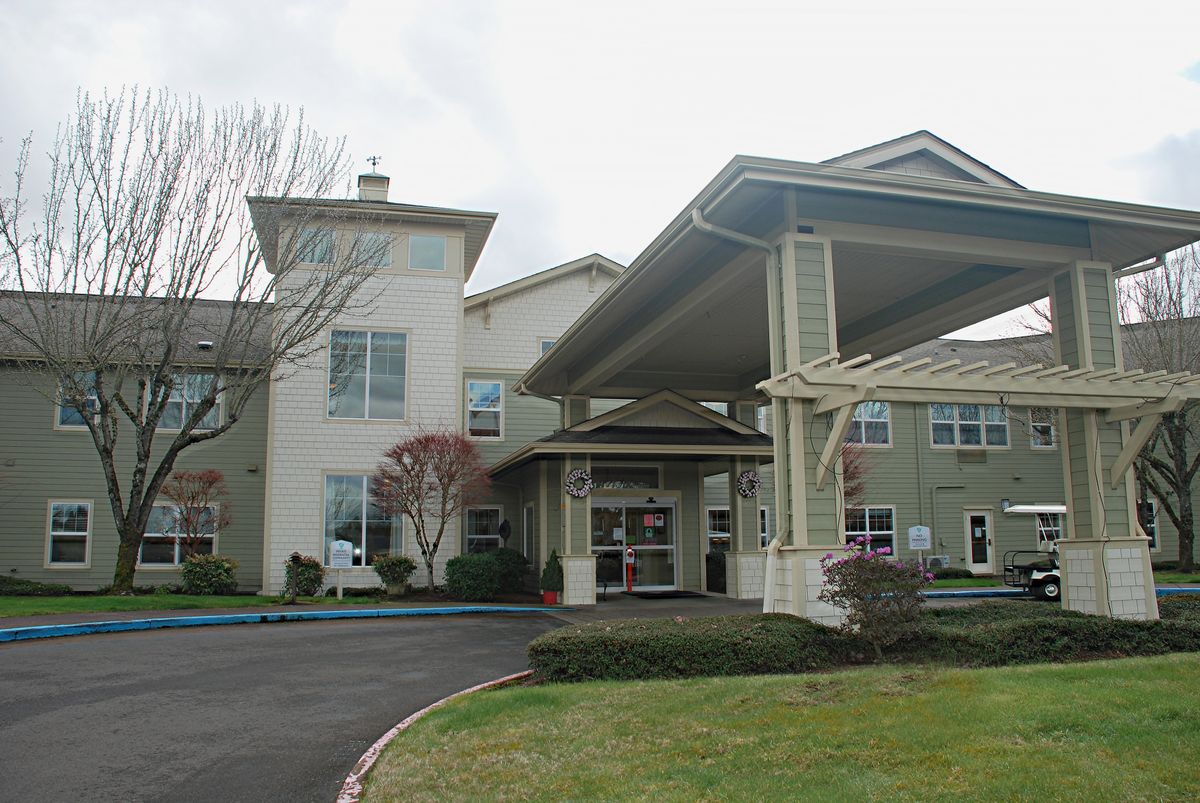
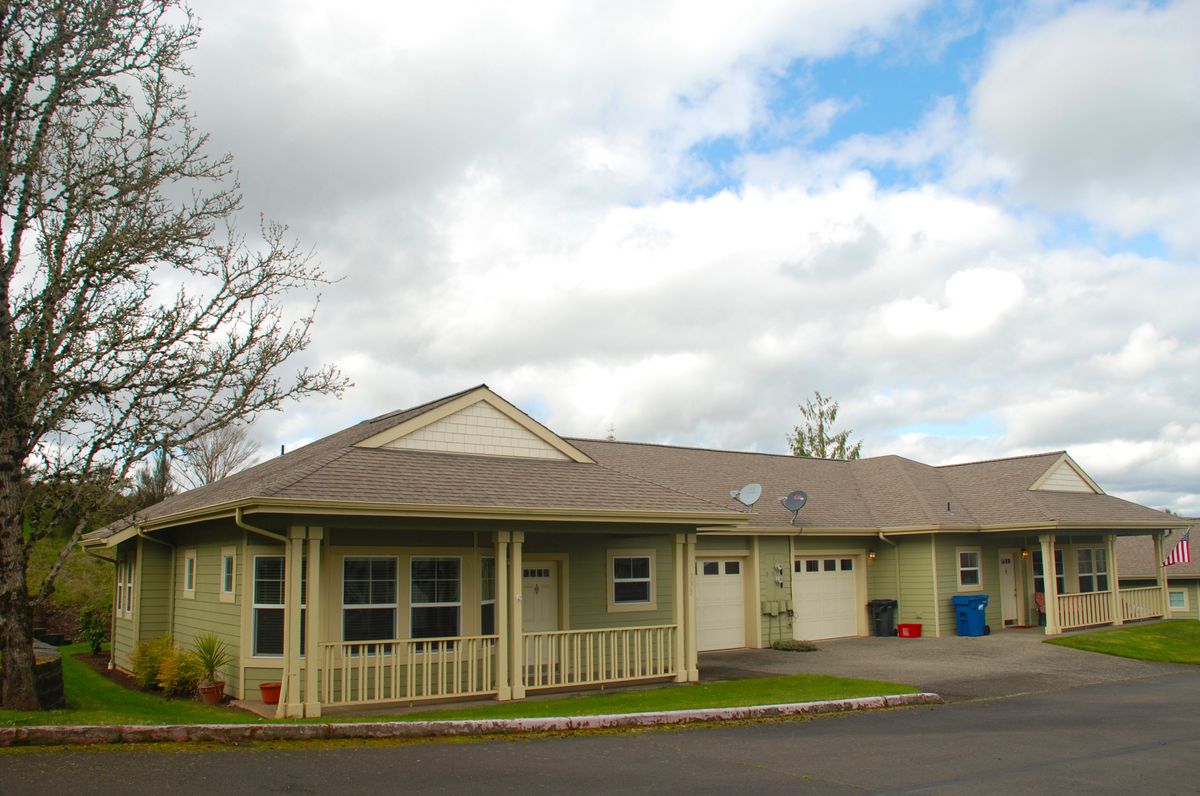
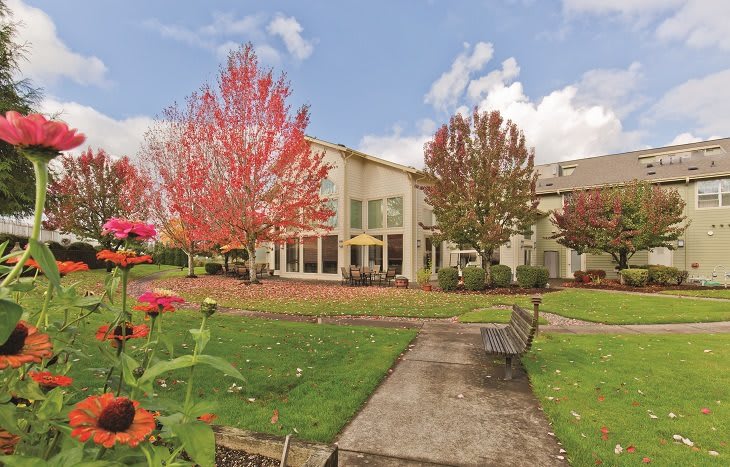
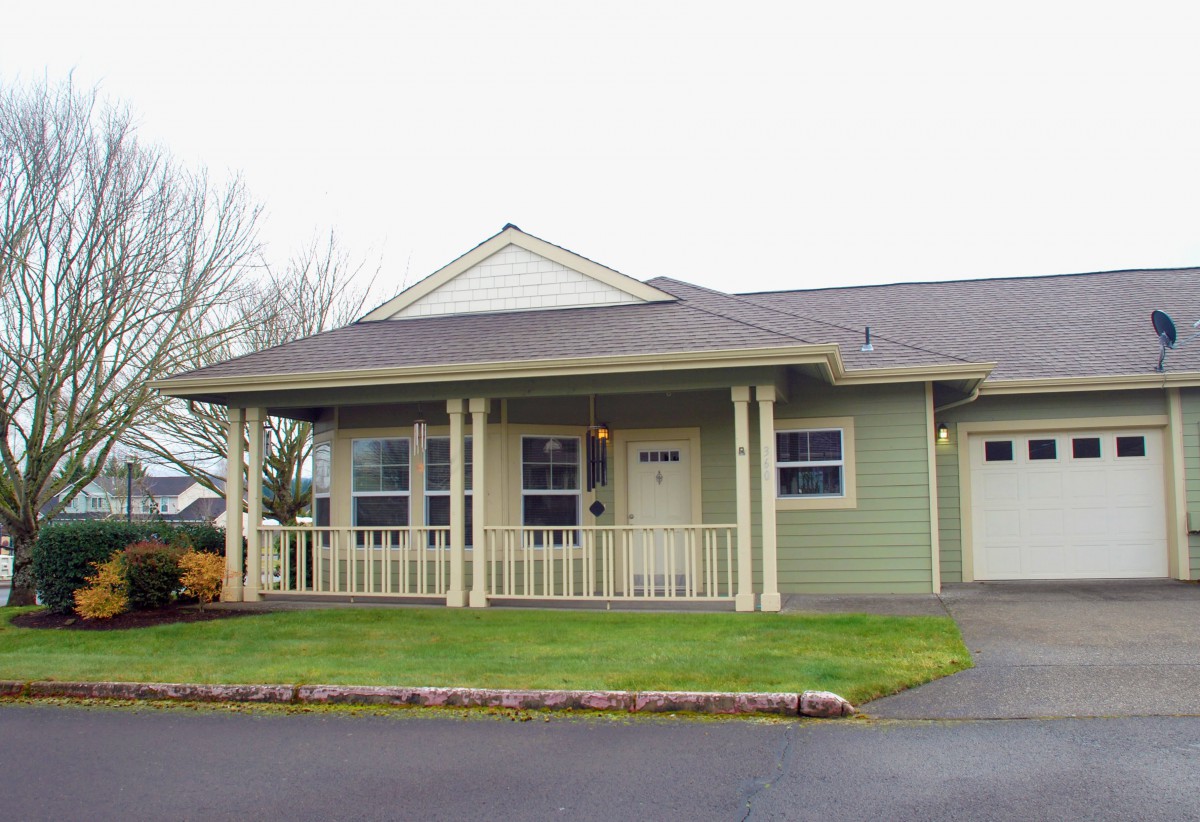
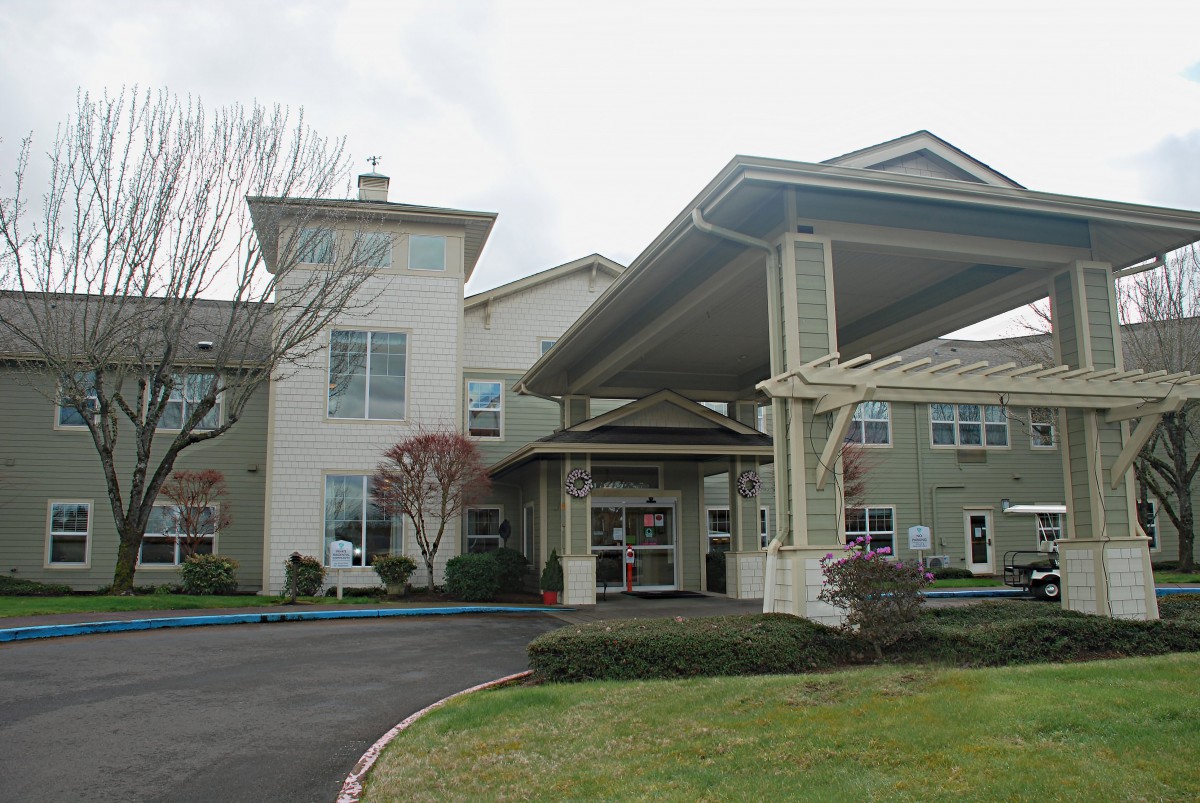
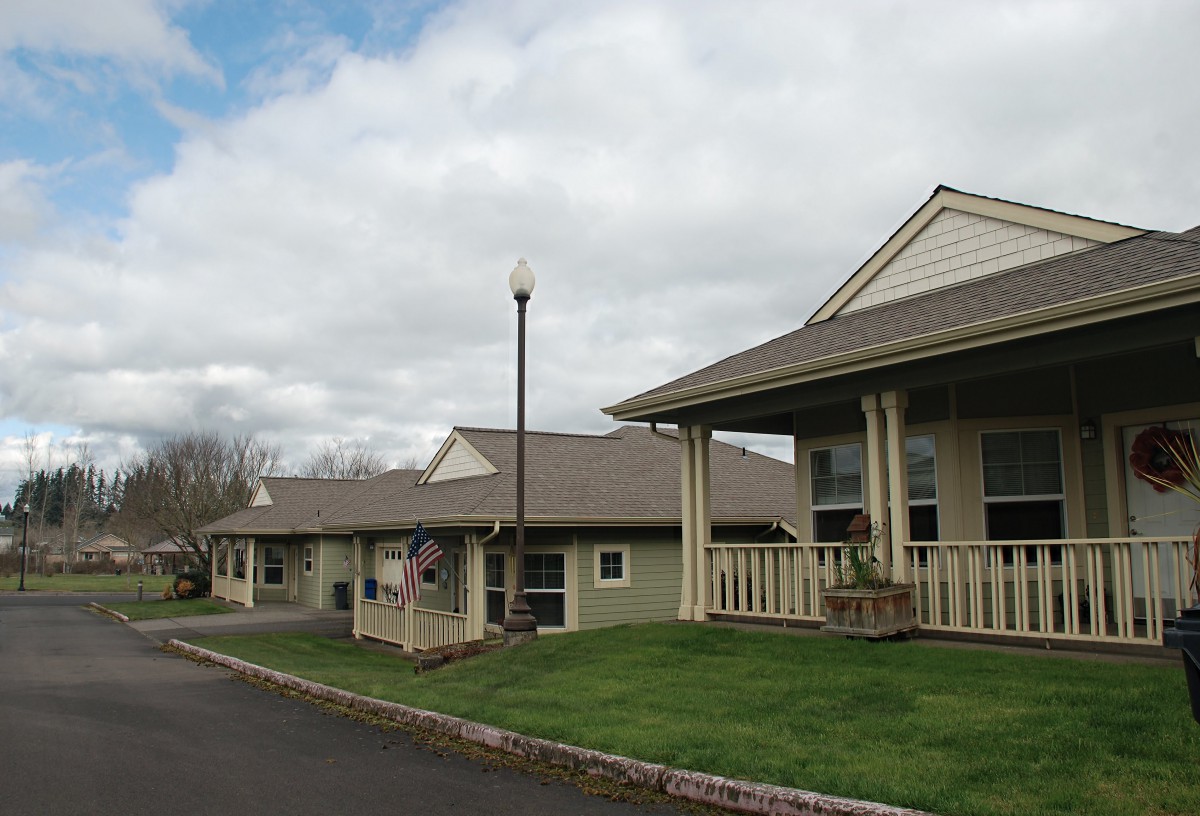
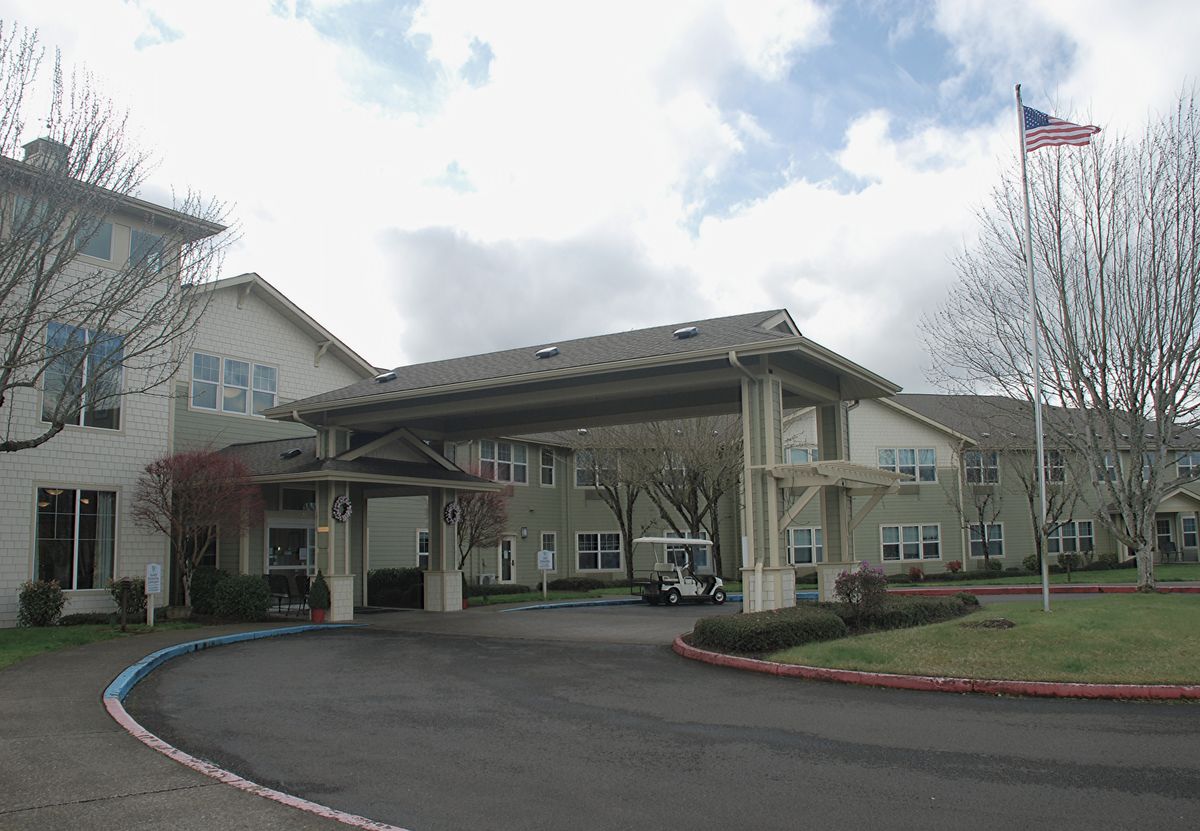
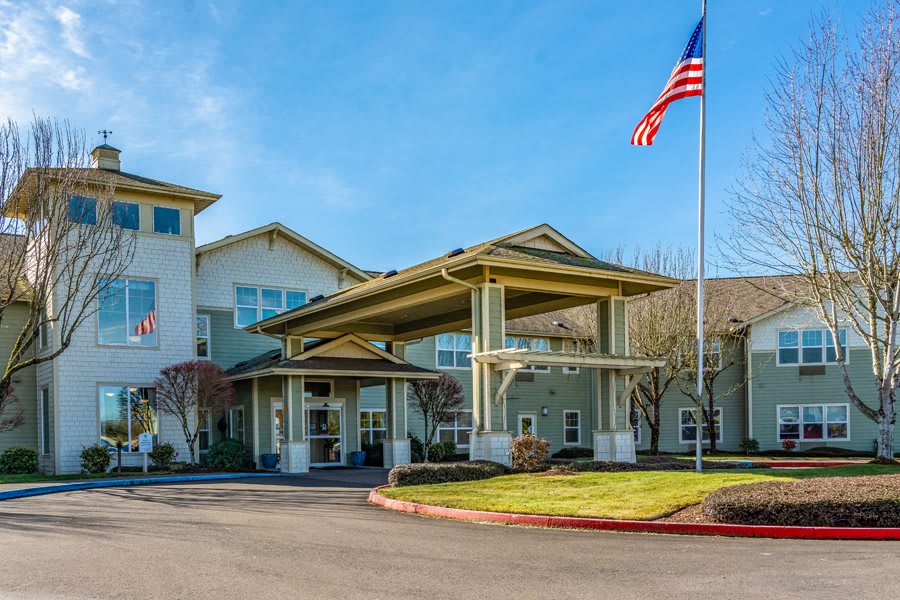
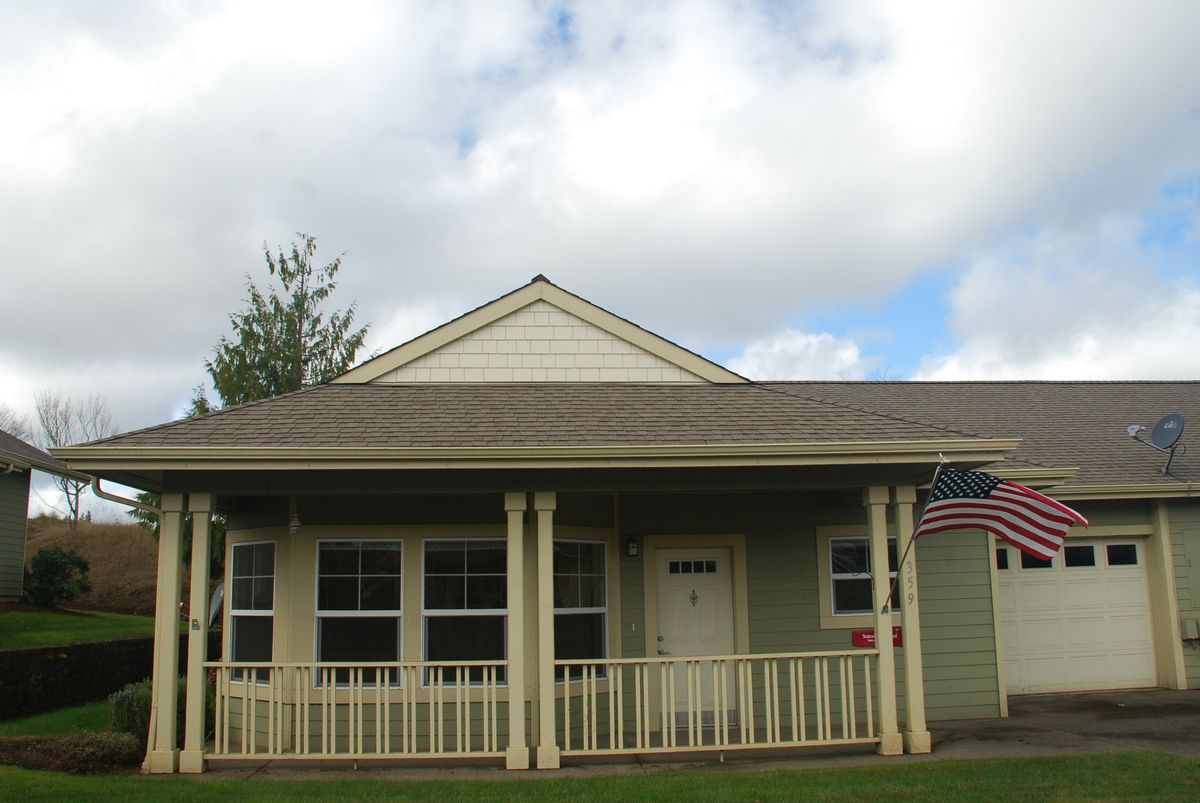
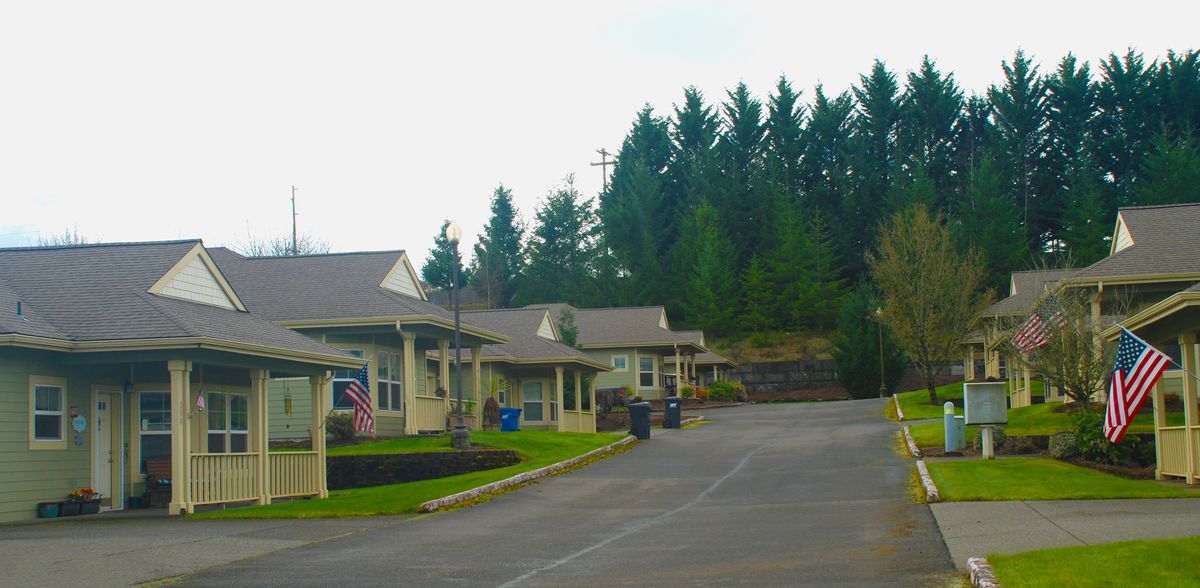
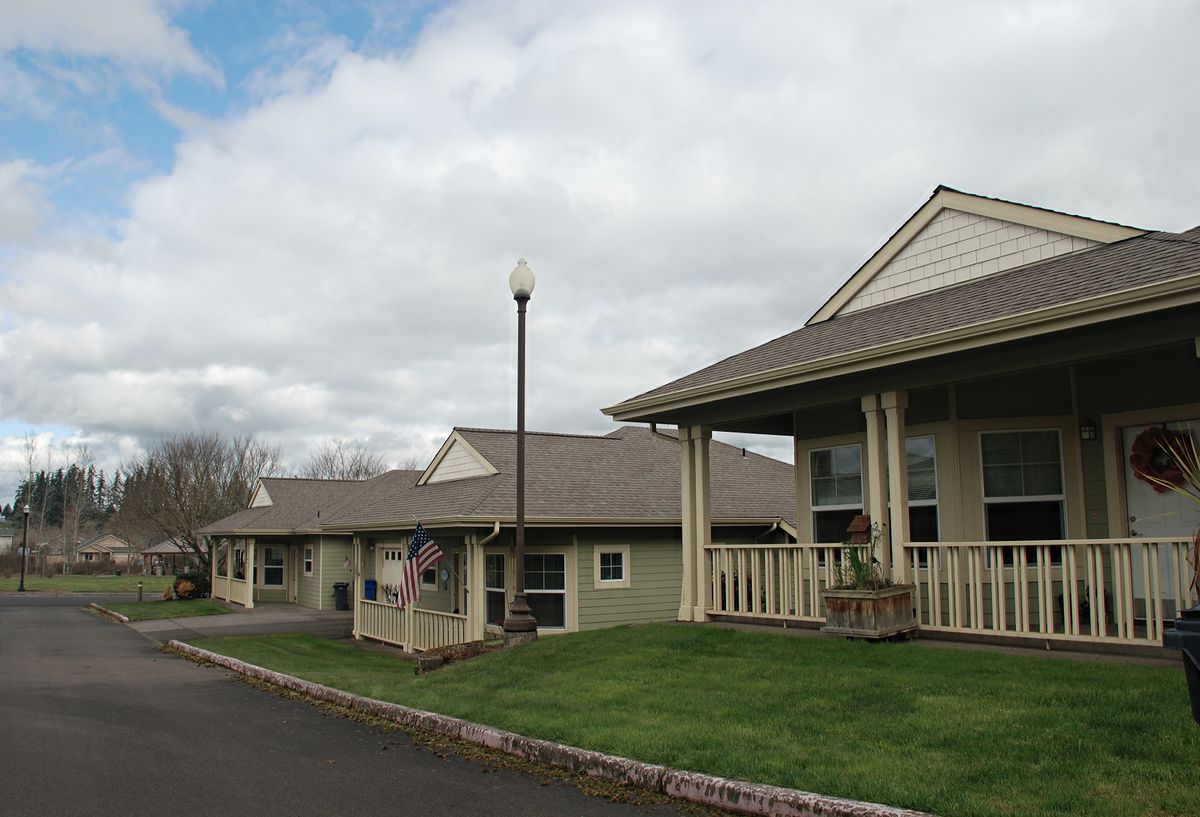
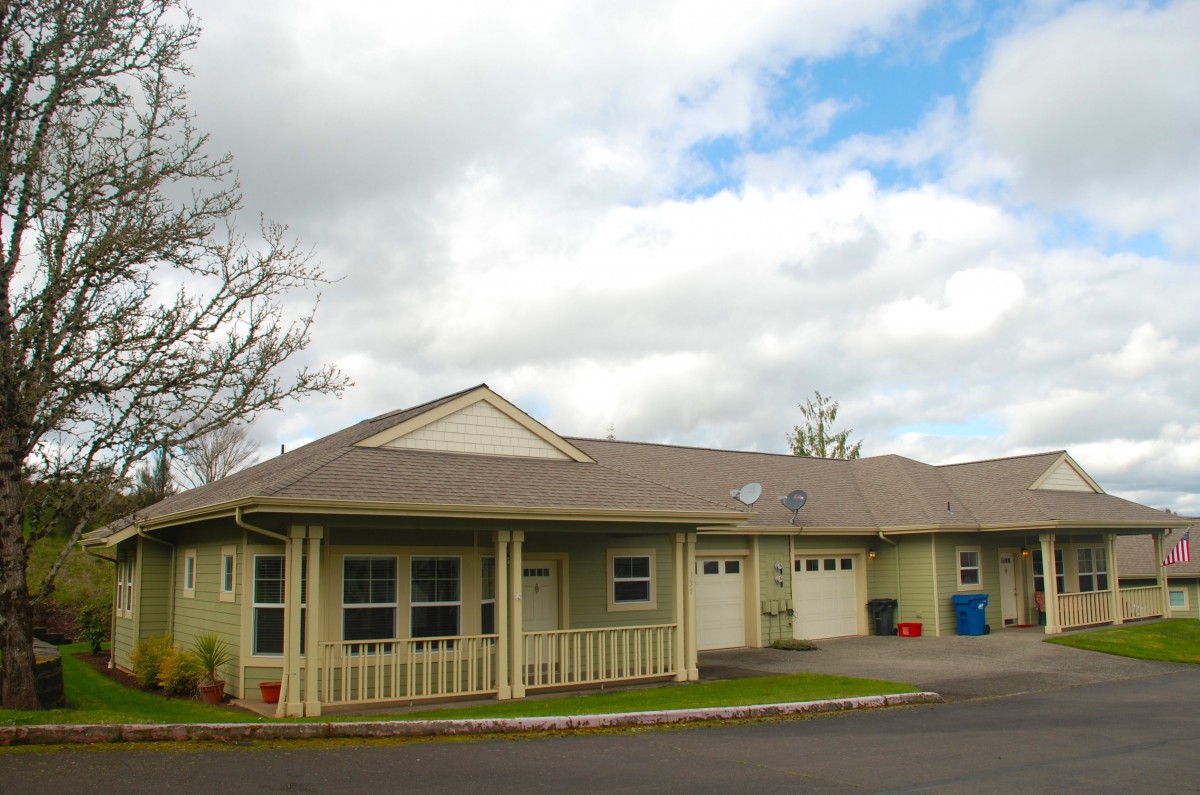
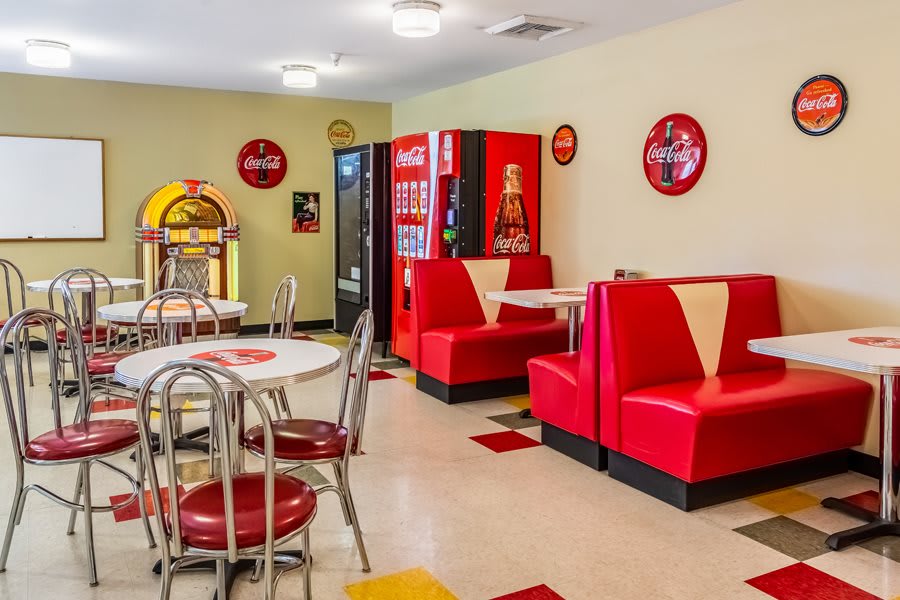
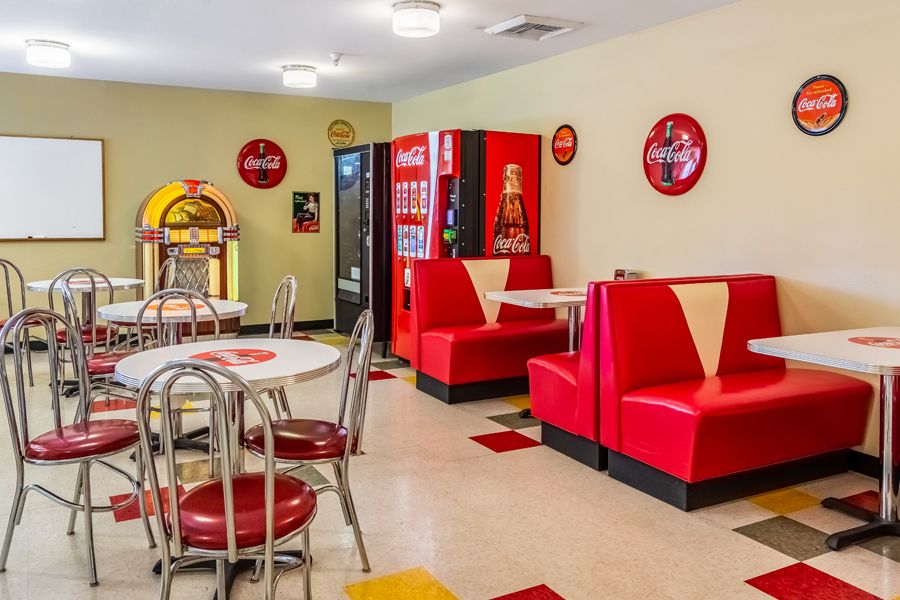
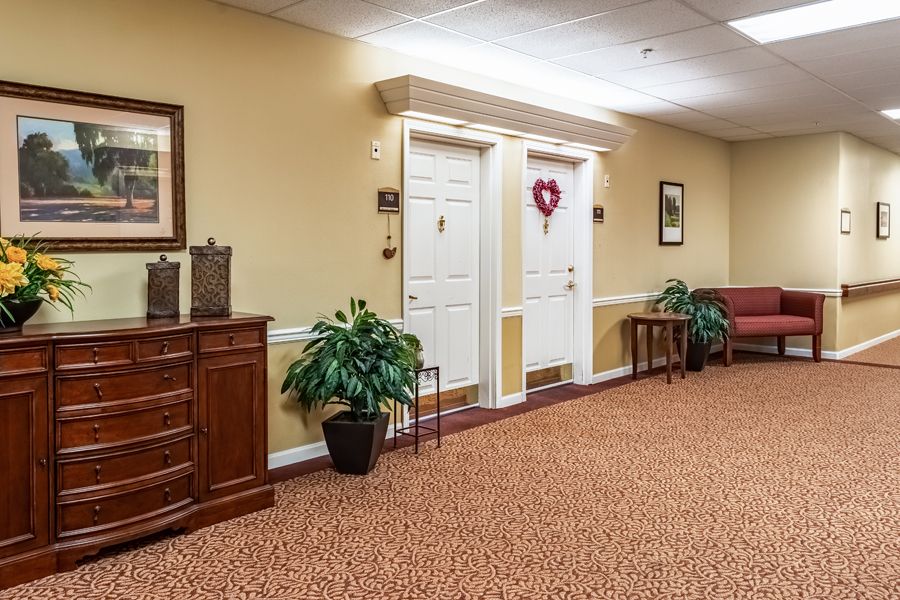
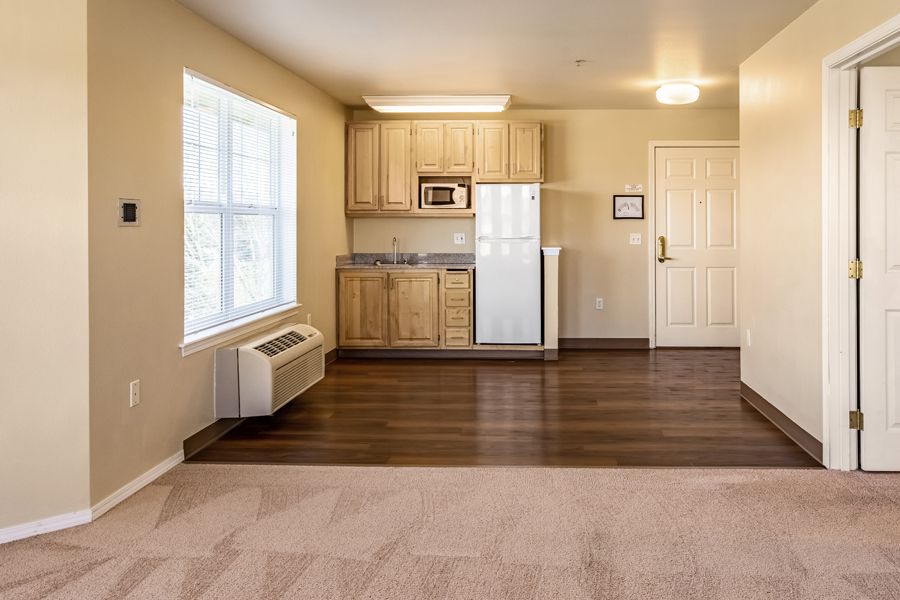
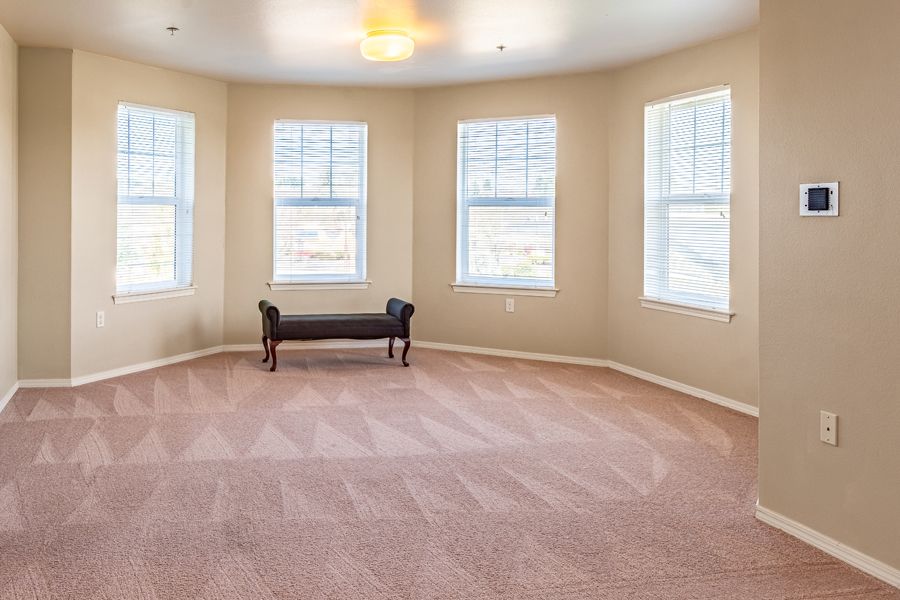
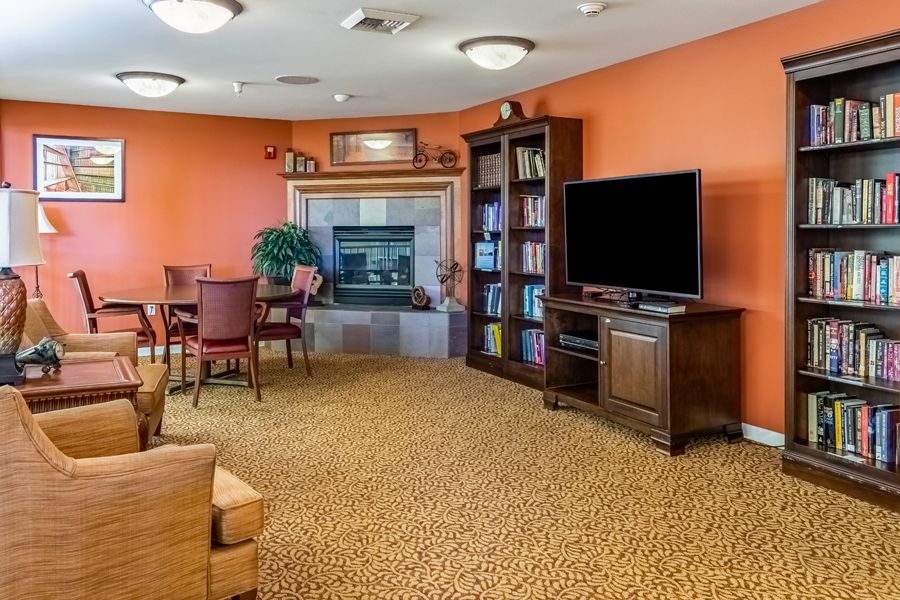
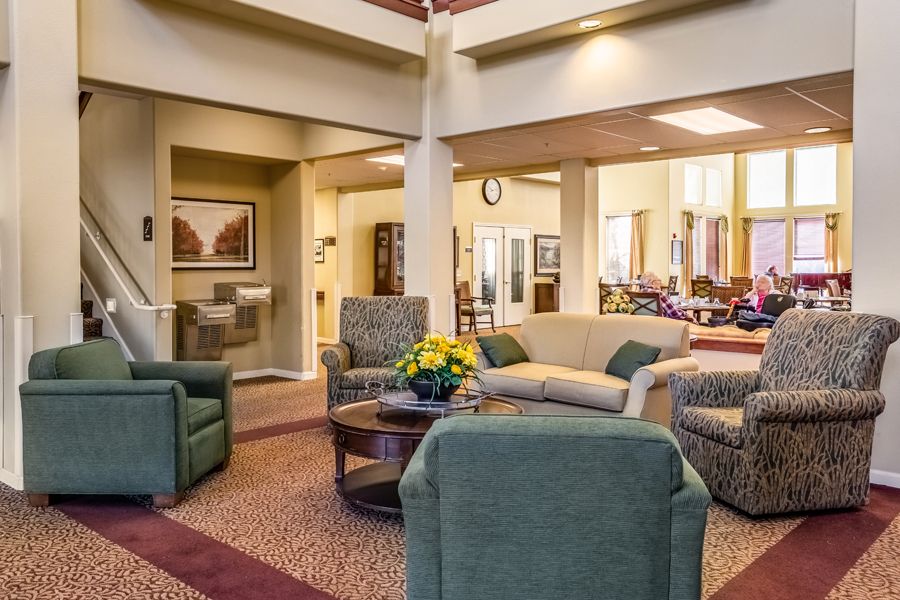
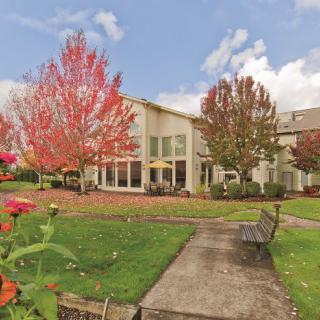
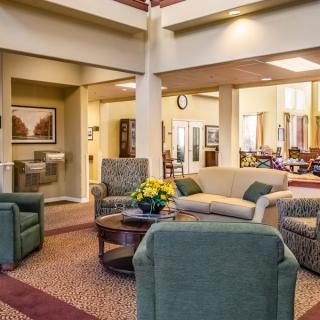
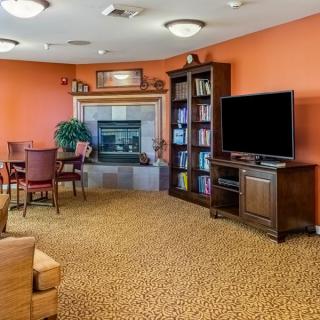
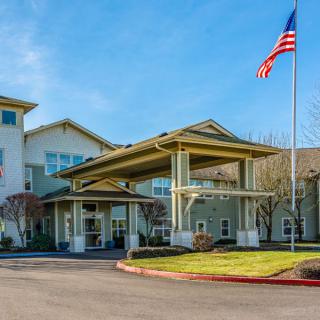
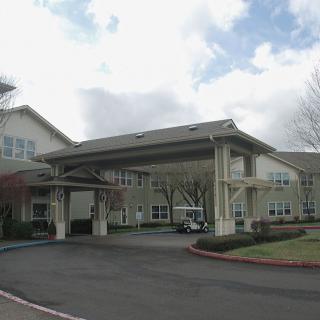
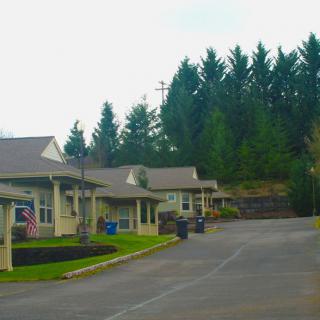
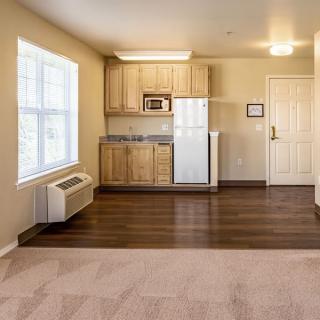
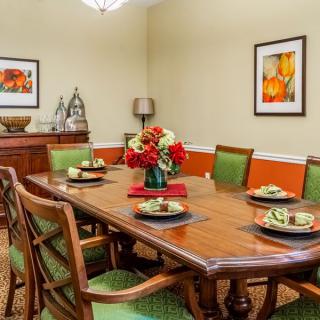
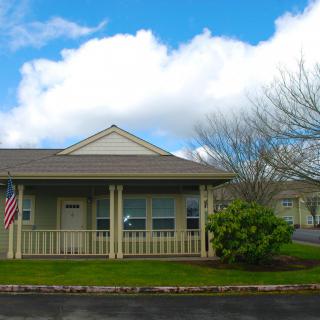
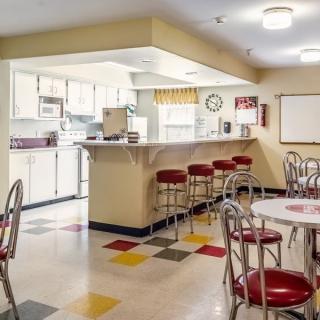
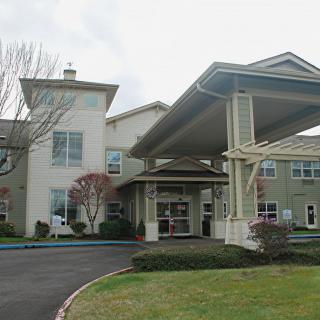
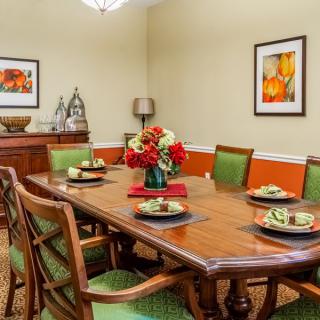
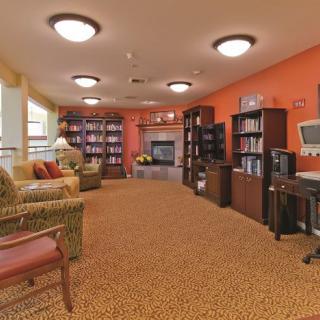
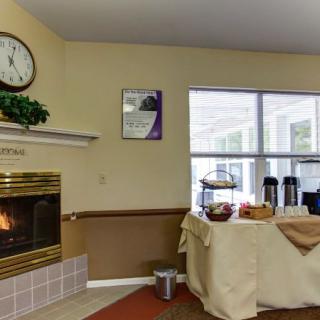
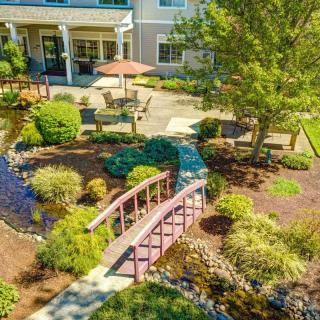
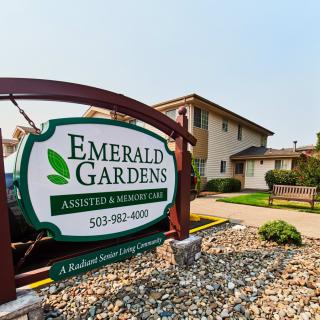
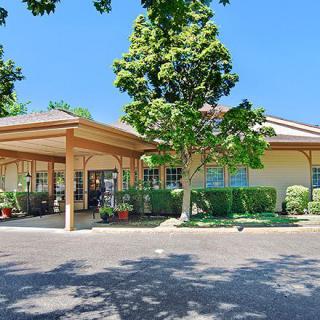
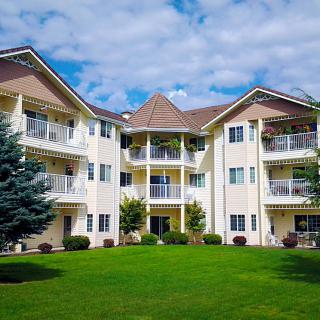
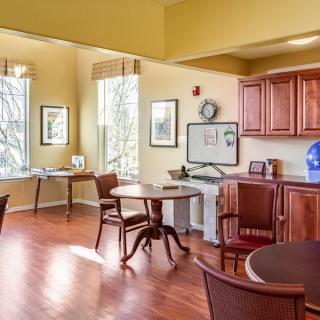
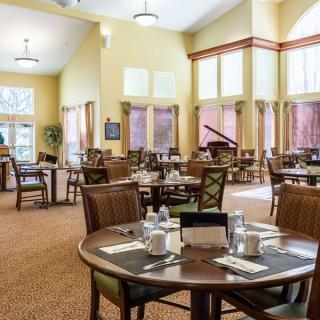
Cascades of Stayton on seniors.fyi includes 46 photos including images showing interior, landscaping, dining, building, decor, windows, entrance, porch, and more.
Nearby Communities
Brookdale Stayton
Stayton, OR
3.7 from 22 reviews
$2,495 to $4,695 / month
Competitive pricing with ground-floor units and rich on-site amenities.
Open Arms Adult Day Program
Stayton, OR
5 from 8 reviews
Full-day program with on-site activities, medication management, and diverse dietary options (vegetarian, kosher).
Mckillop Residence
Sublimity, OR
5 from 2 reviews
Extensive amenities and 24/7 care
Mc Killop Residence
Sublimity, OR
Comprehensive amenities and services include private units, restaurant-style dining, 24-hour supervision, transportation, fitness, and a variety of activities.
Mill Stream Guest Home
Stayton, OR
5 from 1 review
Personalized 24/7 care in a serene Stayton setting with nearby healthcare, pharmacies, and dining options.
Mountain Creek Adult Care Home
Stayton, OR
$2,800 / month
Memory care-focused with on-site activities, devotional services, and affordable private rooms.
Turner Retirement Homes
Turner, OR
4 from 1 review
$3,000 / month
Affordable flat $3,000/month across all unit types.
Battle Creek Memory Care
Salem, OR
4.5 from 37 reviews
$5,450 to $7,850 / month
Compassionate, attentive staff and engaging activities.
Meadow Creek Village Assisted Living
Salem, OR
3.7 from 24 reviews
Caring staff, clean facilities, accessible transportation, and engaging activities in a smaller community.
Vibrant Senior Living emphasizes active senior living communities that promote independence and engagement through diverse amenities and activities, fostering wellness and social interaction among older adults. These communities range from independent to assisted living, with a focus on personal growth, family involvement, financial planning, and leveraging technology to enhance residents' experiences.
Transitioning from assisted living to memory care is driven by an individual's cognitive decline and specific needs, requiring careful evaluation of indicators like increased confusion and wandering. The process involves consulting medical professionals, researching suitable communities, considering financial and legal aspects, and ensuring effective communication for personalized care plans.
Assisted living provides moderate support for seniors seeking independence, while memory care offers specialized support for individuals with dementia or cognitive impairments through structured routines and trained staff. Key differences include care approaches, environment security measures, staff training levels, activity types, and cost considerations.
Hardwood Floor, Refrigerator, Minimalist, and Living Space
Office
Tree
Clouds
Kitchenette and Indoor Lighting
Spacious
Reception
Living Area
Garage
Residential Building, Single-story, and Front Porch
Vintage
Additional Photos
Get PricingAsk A QuestionSchedule A TourContact Senior Advisor
By clicking submit, you agree to our Partner's Terms of Use. You
also consent to receive calls and texts, which may be autodialed, from our Partner. Your consent is not a condition to
using our Partner's service. Please visit our Partner's Privacy Policy for information about their privacy practices.


 75 resident community capacity
 1-bedroom apartments
 Assisted Living
 Independent Living
 Respite Care
 Cats allowed
 Dogs allowed
 Activities off-site
 Air-conditioning
 Bath tubs
 Beautician on-site
 Cable or satellite TV
 Computer center
 Devotional services off-site
 Dining room
 Financing advice
 Fitness room
 Full kitchen
 Fully furnished
 Gaming room
 Garden
 Ground floor units
 Housekeeping services
 Indoor common areas
 Laundry
 Move-in coordination
 Outdoor common areas
 Overnight guests
 Private bathrooms
 Restaurant-style dining
 Small library
 Telephone
 Wellness center
 Wheelchair accessible showers
 Wi-Fi/high-speed internet available
 Community operated transportation
 12-16 hour nursing
 24-hour call system
 Ambulatory care
 Assistance with bathing
 Assistance with dressing
 Assistance with transfers
 Diabetes diet
 Diabetic care
 Medication management
 Mental wellness program
 Special dietary restrictions
 Art classes
 Catholic services
 Concierge services
 Cooking classes
 Day trips and outings
 Happy hour
 Karaoke
 Live dance or theater performances
 Live musical performances
 Wine tasting
 English
 Competitive pricing with ground-floor units and rich on-site amenities.



 Vibrant Senior Living: A Comprehensive Guide for Active Older Adults
 When to Transition from Assisted Living to Memory Care: Key Indicators, Steps, and Finding the Right Community
 Assisted Living and Memory Care: Understanding Their Core Differences