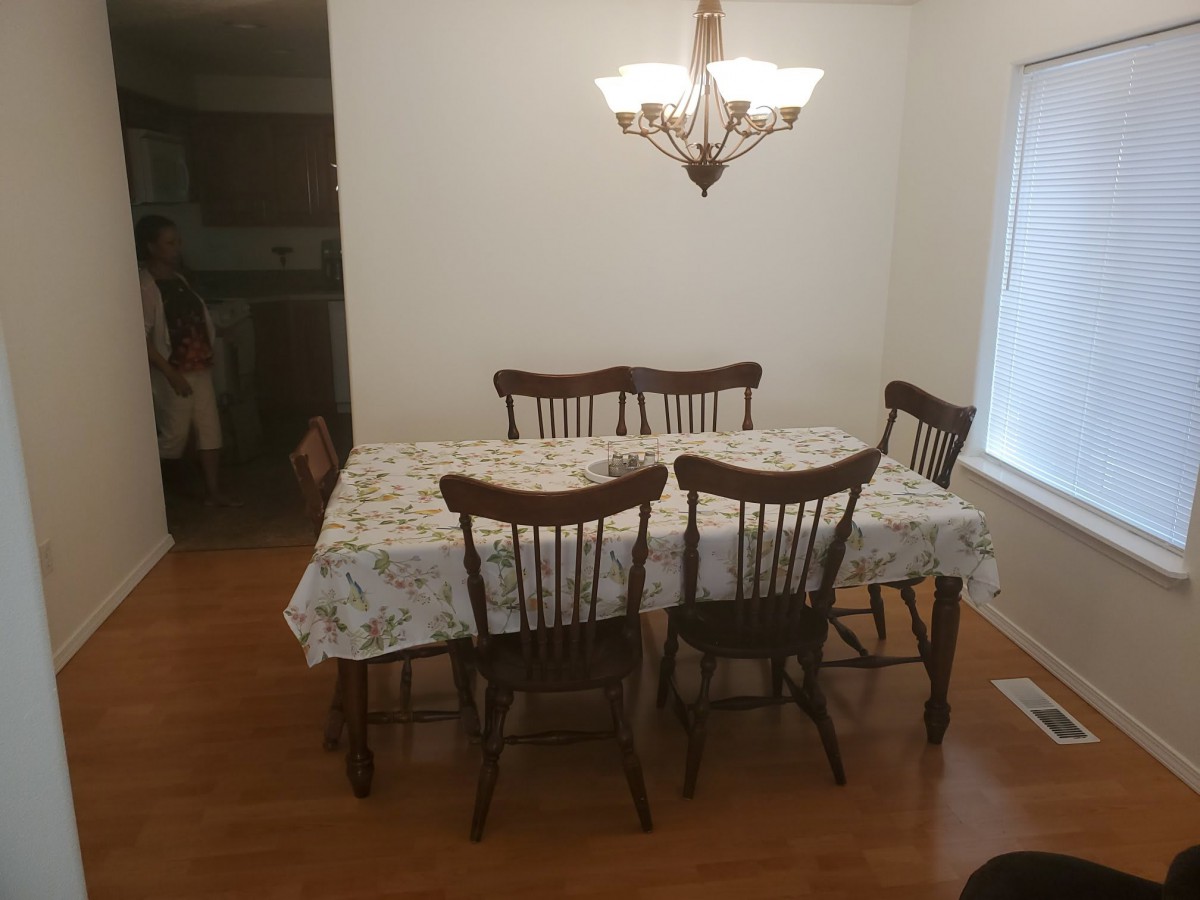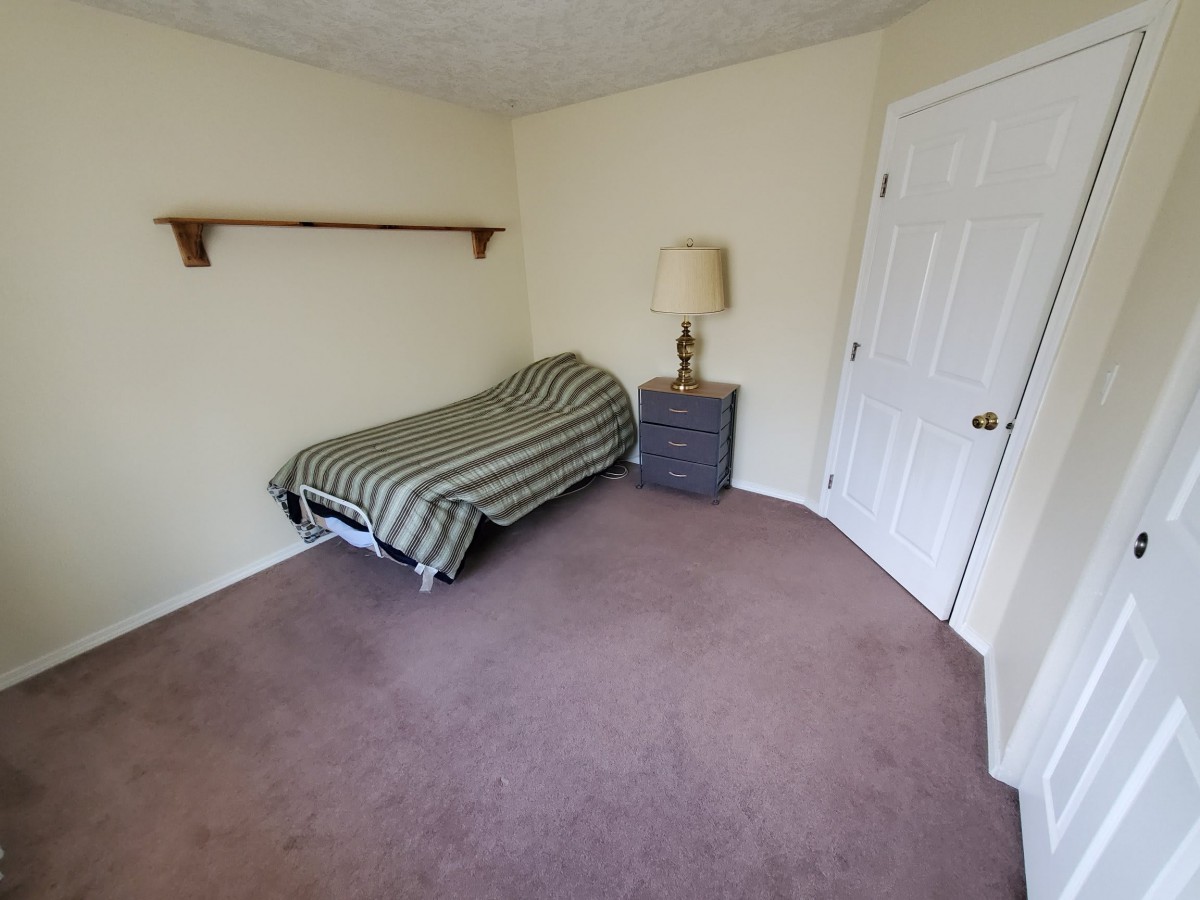
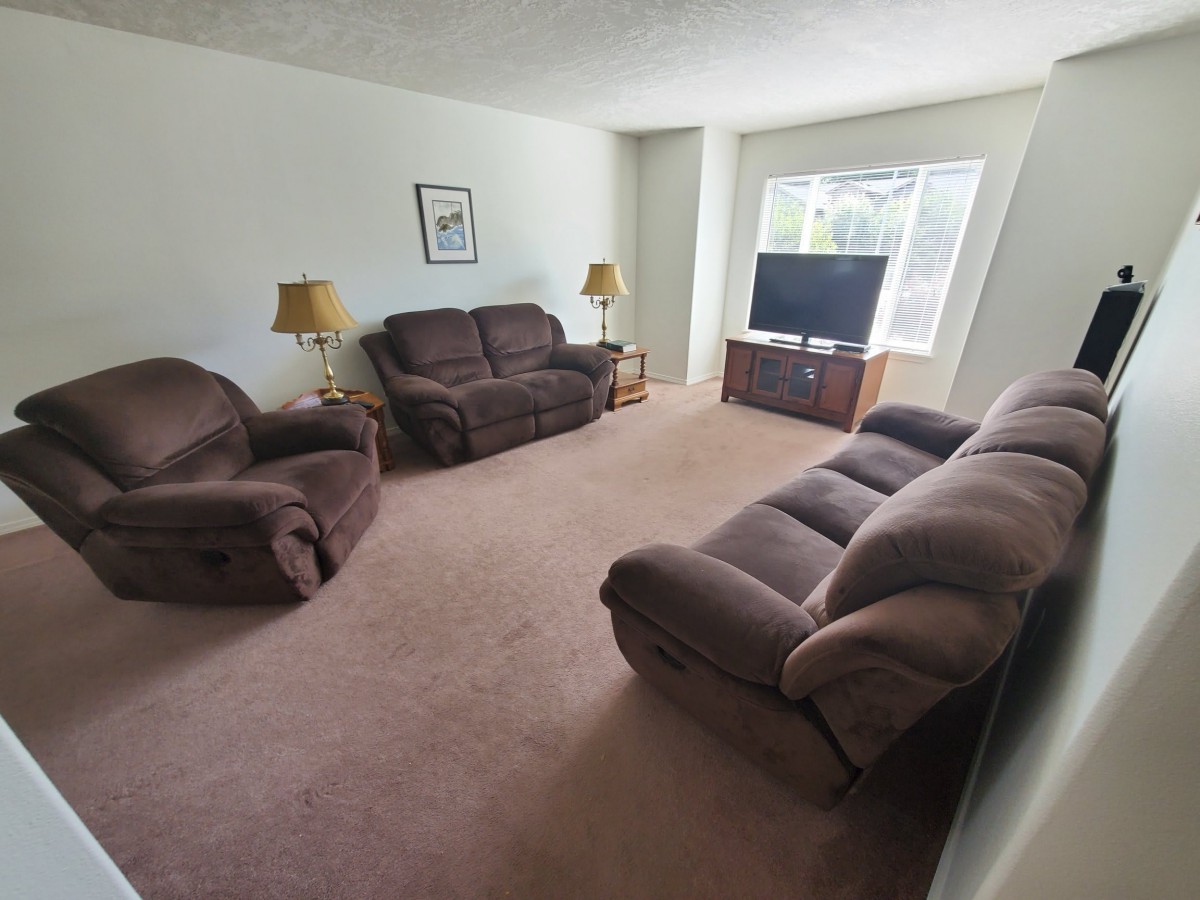
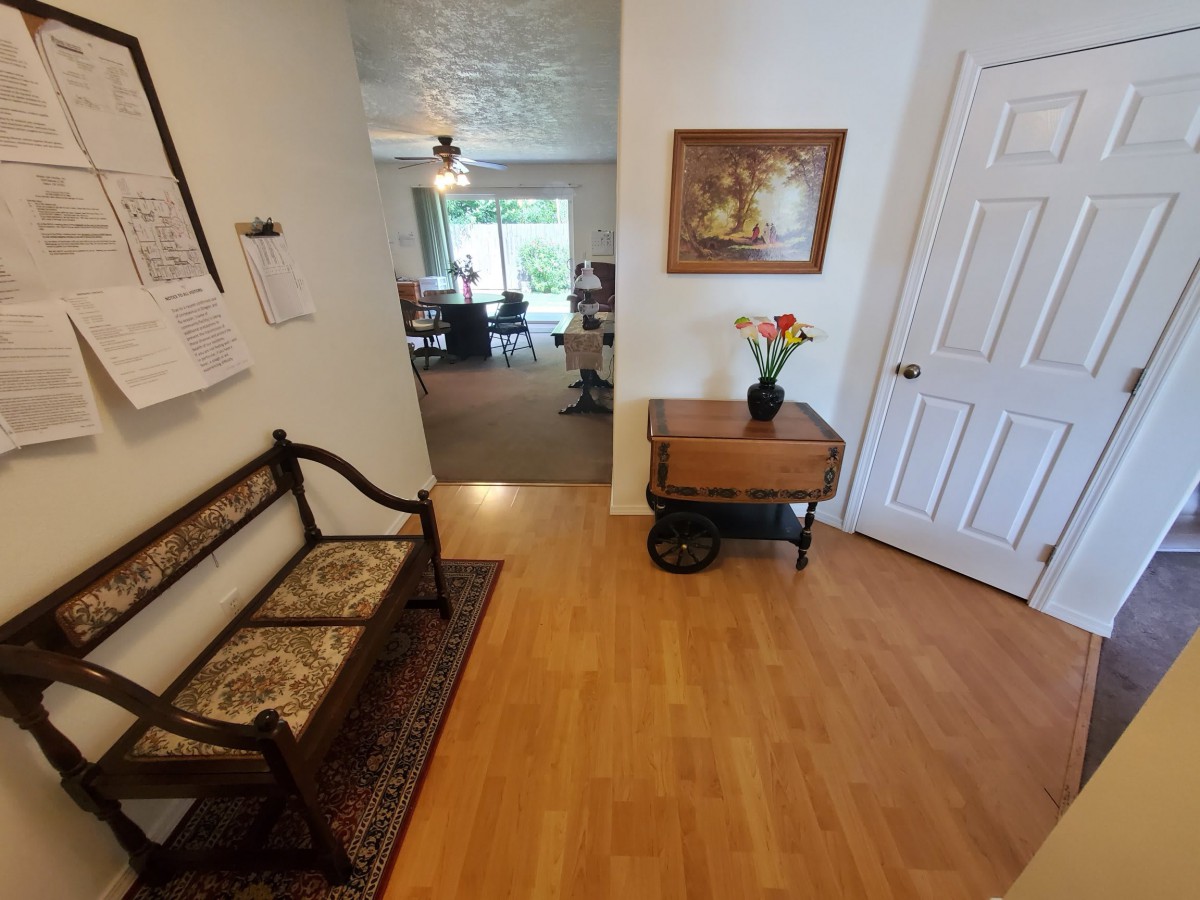
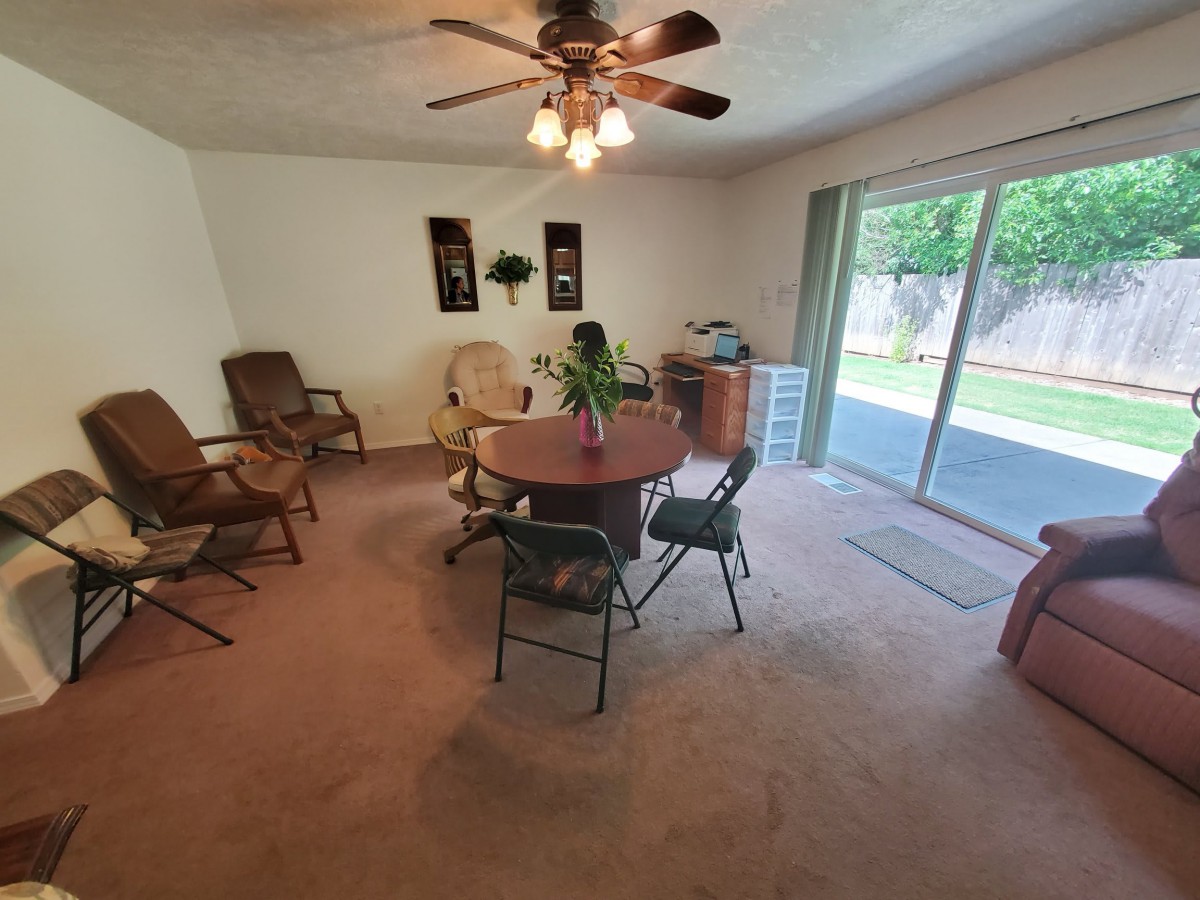
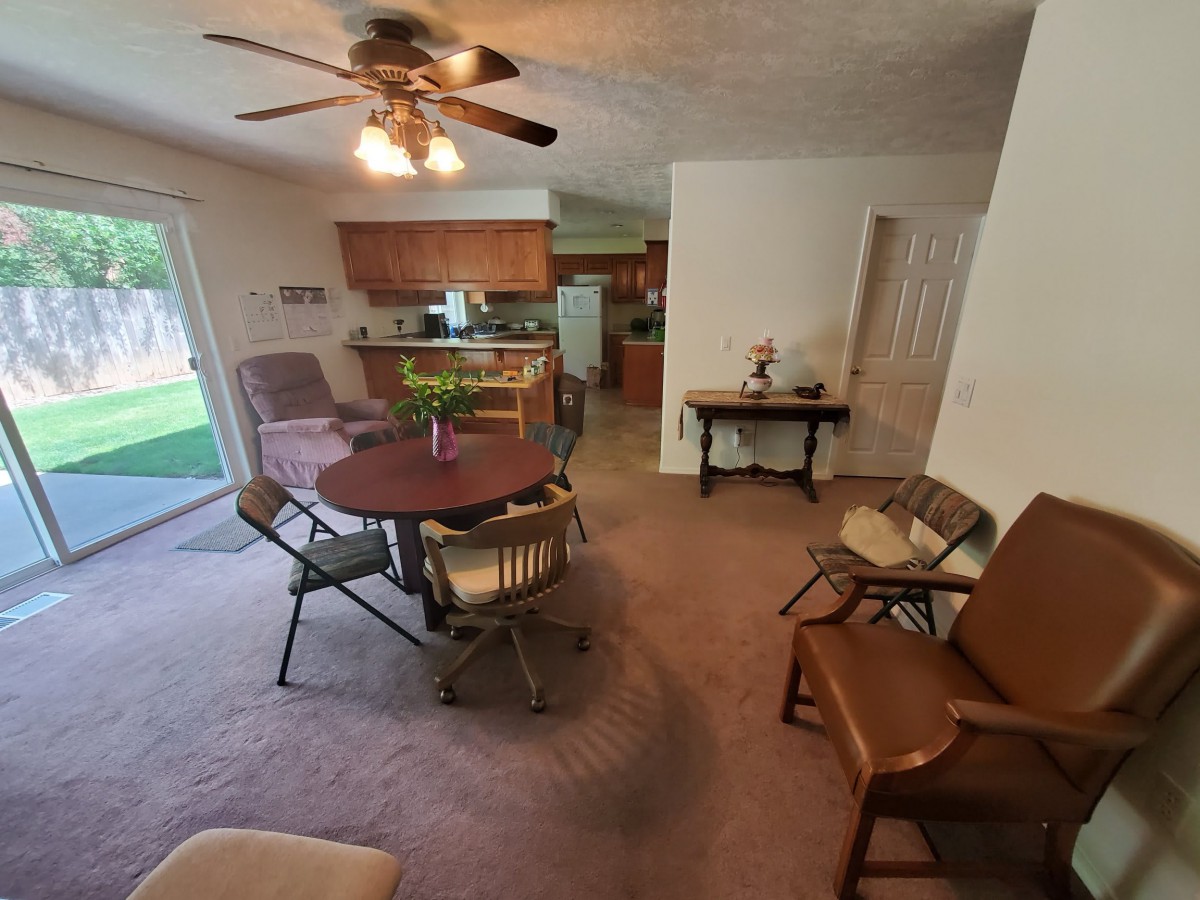



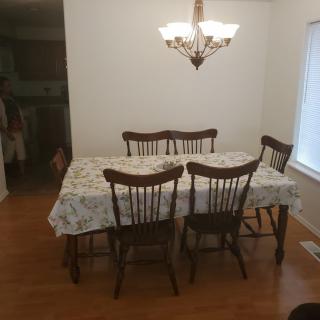
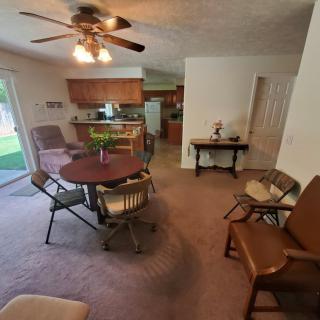

5040 Barnes Court SE, Salem, OR 97306
To contact a resident: (503) 362-1796
For more information about senior living options: (866) 208-4318
Calla Lily House Costs & Pricing
Calla Lily House offers private accommodations at a monthly rate of $4,000, which positions it slightly above the average costs observed in Marion County and the broader state of Oregon. Specifically, Marion County has an average cost of $3,564 for similar private rooms, while the statewide average is even lower at $3,424. This pricing reflects Calla Lily House's commitment to providing a higher level of service and amenities that may not be available at other facilities in the area, appealing to those seeking a more personalized and enhanced living experience. Despite the premium price point, residents can expect exceptional care and comfort that justify the investment in their well-being.
| Floor plans | Calla Lily House | Marion County | Oregon |
|---|---|---|---|
| Private | $4,000 | $3,564 | $3,424 |
Senior living communities with a similar price nearby
-
from -$200 / mo

Felicity Haven Adult Foster Home
$3,800 to $4,000 / month0.6 miles away -
from -$500 / mo

Avery Rose
$3,500 / month22.7 miles away -
from -$504 / mo
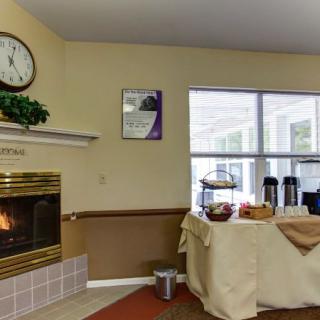
Davenport Place
$3,496 to $3,983 / month14.8 miles away -
from +$560 / mo

Heartwood Place Memory Care
$4,560 to $4,980 / month20.3 miles away -
from -$700 / mo

Harmony House of Salem
$3,300 to $3,550 / month6.8 miles away
Overall Review of Calla Lily House
Pros
 They are a great memory care facility.
- Great family and caregivers.
Cons
 There may or may not be an opening depending on state evaluation of a current resident.
- There is uncertainty about whether the facility will open due to state evaluation of a current resident.
Review
Calla Lily House in Salem, OR is best suited for families seeking memory care for a loved one in an intimate, caregiver-focused setting where family involvement is welcomed and valued. The community appears to deliver a memory-specific program backed by a dedicated caregiving team, and current resident demographics indicate an all-women environment. Families should be aware that admission timing can hinge on a state evaluation of a current resident, introducing a real element of unpredictability into when a move might occur. In exchange, residents benefit from a coordinated care approach and a culture that prioritizes engagement with loved ones and transparent communication with families.
Those weighing alternatives should consider whether immediate placement is non-negotiable, or whether a mixed-gender setting matters. If a male resident or a co-ed atmosphere is essential, or if the need extends beyond memory care into broader clinical services, other communities may be a more natural fit. Likewise, if a fixed move-in date is critical for planning transitions, for example, near a hospital discharge or a family’s relocation schedule, exploring options with clearer, less variable intake will likely reduce stress. Calla Lily House will appeal to families who can embrace the current gender composition and the specific admissions rhythm.
The most compelling positives center on specialized memory care and a caregiving team that families describe as strong and genuinely supportive, with a culture that invites family partnership. A responsive staff, Comfortable family involvement, and a predictable, routine-driven daily life are common themes, which directly address common memory care concerns about safety, individualized attention, and consistent activities. These advantages help many residents thrive, especially when care plans are monitored closely and families feel heard. When weighed against admission timing uncertainties, the day-to-day care quality remains a decisive factor for many.
The stabilizing factor for any decision is clarity around the admissions process. The dependence on a current resident’s status and state evaluations means timing can shift, and that reality should be addressed up front. For planners, securing a transparent timeline, expected wait times, and a documented policy on how openings are released is essential. Without that, move-in logistics can undermine otherwise solid care quality. Families should be prepared to arrange interim housing if a move-in date is pivotal, even as the firsthand warmth of the staff offers substantial reassurance about ongoing care.
To make a prudent choice, request a thorough tour focused on memory care specifics: staff-to-resident ratios, safety features, wandering protocols, and the cadence of cognitive-stimulation programming. Seek concrete details about how care plans are developed, how family input is integrated, and how daily routines are structured to support memory-impaired residents. Explore what happens when a resident’s needs intensify or stabilize, including coordination with outside providers and end-of-life considerations. The right assurances in these areas convert a favorable impression into reliable, sustained daily life.
Overall, Calla Lily House stands as a solid option for families prioritizing memory-specific care delivered with warmth and a robust family partnership, provided the admissions timeline aligns with practical planning. It may be less suitable for those needing immediate placement, a co-ed environment, or broader medical or rehabilitative services beyond memory care. For the right match, pursue candid questions about wait times, admission triggers, and programming depth, then compare with nearby choices that offer similar care levels but different gender mixes or more predictable intake. When the questions are answered with clear timelines and practical commitments, the transition can become a stable, comforting continuation of care.
 Board and Care Home
 Activities on-site
 Cable or satellite TV
 Devotional services off-site
 Handicap accessible
 Indoor common areas
 Outdoor common areas
 Private
 Wi-Fi/high-speed internet available
 Ambulatory care
 Diabetic care
 High acuity care
 Incontinence care
 Medication management
 Anytime dining
 BBQs or picnics
 Birthday parties
 Visiting chaplain or priest
 Wii bowling







 Caregiver Exhaustion: Recognizing the Signs and Restoring Your Well-Being
 Understanding Hospice Care at Home: Comprehensive Services, Key Benefits, and Eligibility
 Understanding the Full Cost of 24/7 In-Home Care: A Detailed Overview