

7770 SW Garden Home Rd, Portland, OR 97223
To contact a resident: (503) 246-5653
For more information about senior living options: (866) 208-4318
Young at Heart Care Home Costs & Pricing
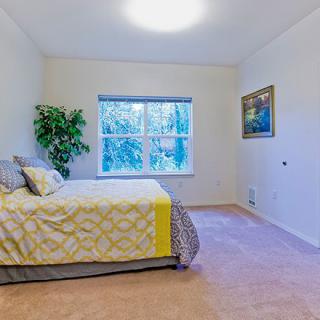
At Young at Heart Care Home, the monthly cost for a private room is competitively priced at $3,000. This rate is significantly lower than the average costs in Washington County, which stands at $3,261, and even more so compared to the broader state average of $3,424 in Oregon. This pricing strategy positions Young at Heart Care Home as an appealing option for those seeking quality care without compromising their budgets. Furthermore, this thoughtful approach allows residents and their families to find high-quality care within a more manageable financial framework.
| Floor plans | Young at Heart Care Home | Washington County | Oregon |
|---|---|---|---|
| Private | $3,000 | $3,261 | $3,424 |
Senior living communities with a similar price nearby
-
About the same
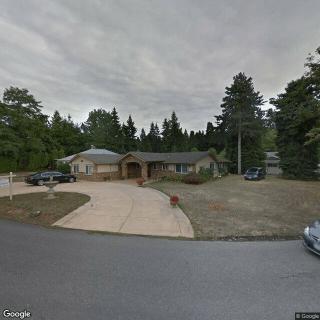
A Piece of Heaven
$3,000 / month8.0 miles away -
from -$500 / mo
Mapleview Manor, LLC
$2,500 / month8.6 miles away -
About the same
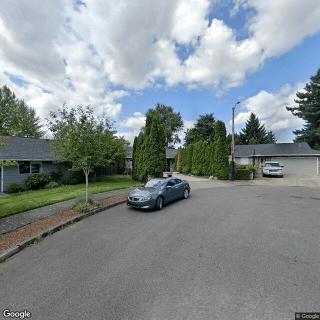
Yamhill Senior Care Home
$3,000 / month12.8 miles away -
About the same
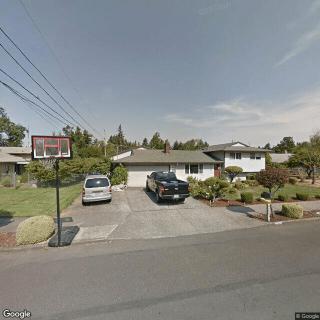
Peaceful Lighthouse Adult Care Home
$3,000 / month15.2 miles away -
from +$500 / mo
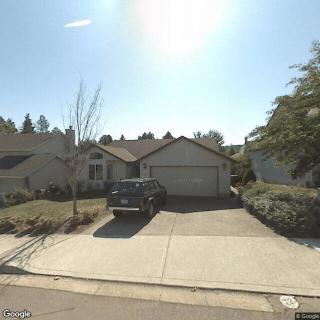
Fulga's ACH
$3,500 / month4.4 miles away
Overall Review of Young at Heart Care Home
Pros
 Young at Heart is a wonderful place where residents are treated as family.
- Dora and Claudio welcome residents with love, respect and dignity.
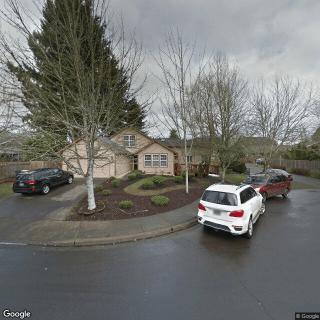
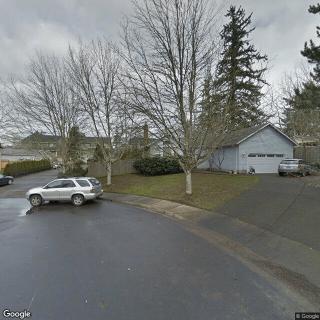
- The home is beautiful, clean, and safe.
- Dora is an RN with a calming personality who puts people at ease.
- The caregivers are exceptionally patient and caring.
- Meals at the home are homemade, hot, and wholesome.
- The environment is warm, welcoming, and peaceful.
- Staff keep families informed and involved in care.
- The owners’ warm, loving care sets Young at Heart apart.
- The facility is immaculate, modern, and well kept.
- The care provided is attentive, compassionate, and reliable.
- Young at Heart Care Home is highly recommended by families.
Cons
 No negative statements are present in the provided reviews; every comment is positive about Young at Heart and its caregivers.
Review
Young at Heart Care Home in Portland is best suited for families seeking a small, genuinely family-run environment where residents are cared for with warmth, dignity, and ongoing personal attention. This community excels when a loved one benefits from a home-like setting, intimate caregiver relationships, and highly responsive communication with family members. With five private rooms, a beautifully kept, modern residence, and an owner-operator team that is actively involved in day-to-day care, the operation prioritizes continuity of care over scale. For seniors who prefer a calmer, intimate atmosphere where caregivers know their routines, preferences, and subtle needs, this is the clear fit.
Those evaluating alternatives should note that Young at Heart may not be the right match for every situation. Families needing a large campus with a broad activities calendar, robust structured programming, or specialized memory-care programming may prefer a larger assisted living facility or a dedicated memory-care community. If a resident requires intensive, around-the-clock medical oversight, frequent on-site clinical services beyond what a small AFH can reliably sustain, or a broader spectrum of on-site therapies, the smaller, home-like model may feel too limited. In short, the strongest fit is for someone who thrives on personalized relationship-based care rather than a bustling, program-heavy environment.
The strongest advantages come from the human core of the operation: Dora, an RN, and Claudio deliver care that feels both professional and deeply personal. The home itself is consistently described as immaculate, inviting, and safe, with careful attention to cleanliness and order that extends to private rooms, baths, and shared spaces. Home-cooked meals, a calm atmosphere, and a strong sense that residents are treated as family translate into steady, reassuring daily life. Communication with families is ongoing and transparent, with caregivers who actively partner with hospice and other providers when needed. The combination of clinical training and genuine warmth creates a care culture that often eases difficult decisions for families facing end-of-life transitions.
Where the model’s smaller scale matters, the key trade-off is mitigated by exceptional, relationship-focused care. The five-resident format means fewer expectations for elaborate daily schedules or group activities, but it also guarantees staff availability, quick responsiveness, and deeply personalized routines. Residents benefit from consistent caregivers, intimate knowledge of medical changes, and timely coordination with external teams. In practice, this translates into not only safety and cleanliness but also a pace of care in which dignity, comfort, and emotional support are prioritized near the end of life or during periods of decline. The reviews repeatedly emphasize the peace of mind that comes from knowing loved ones are monitored closely and treated with respect.
For families navigating decisions about transitions, the practical metric is comfort versus breadth of services. Young at Heart delivers a rare combination: a home atmosphere with professional medical oversight, solid nutrition, and a culture of attentiveness that many larger facilities attempt to emulate but rarely achieve at the same intimacy level. It is an ideal match when a loved one values predictable routines, private living spaces with value-for-comfort, and a caregiving team that communicates clearly about changes and care plans. If these priorities align, this community stands out as a thoughtful, reliable choice that can meaningfully improve quality of life during a difficult chapter.
In sum, Young at Heart Care Home represents a compelling option for families seeking dignity-forward, personalized care in a clean, beautiful setting. It is particularly well-suited for seniors who want to feel at home, with caregivers who know their histories, preferences, and end-of-life goals. Pros like RN-led oversight, proactive communication, and consistently high standards of cleanliness and hospitality far outweigh the drawbacks of a smaller scale and more limited programming. For those who require a larger, more institution-like environment or specialized memory-care infrastructure, exploring alternatives is prudent, but for many with stable or advancing frailty within a homelike framework, this option deserves serious consideration. Schedule a visit with Dora and Claudio to assess fit, and verify care plans, room readiness, and compatibility with the existing hospice or medical teams.
 Board and Care Home
 Private
 Portland International (12 miles away)
 High acuity care

 California's Form 602A: An In-Depth Examination of Senior Care Assessment
 Comprehensive Look at Senior Blood Pressure Charts: Normal and Elevated Levels by Age
 Top Canine Companions for Older Adults