
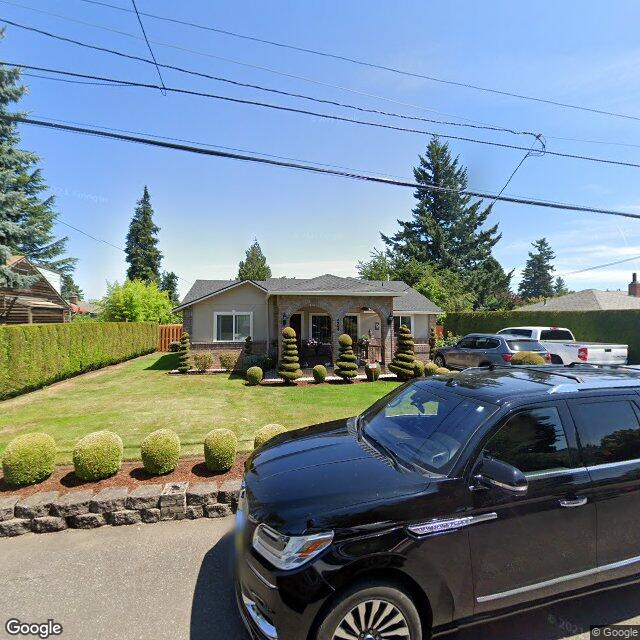
254 NE 106th Ave, Portland, OR 97220
To contact a resident: (503) 253-7453
For more information about senior living options: (866) 208-4318
Somlea's Adult Family Home Costs & Pricing
Somlea's Adult Family Home offers competitive pricing for its private rooms at $2,800 per month, which is notably lower than the average costs in both Multnomah County and the broader state of Oregon. In Multnomah County, private room rates reach approximately $3,227, while across Oregon, the average climbs to about $3,424. This makes Somlea's an attractive option for families seeking quality care without the higher price tag that typically accompanies adult family home services in this region. The cost-effectiveness of Somlea's may provide significant financial relief while still ensuring residents receive personalized attention and a supportive living environment.
| Floor plans | Somlea's Adult Family Home | Multnomah County | Oregon |
|---|---|---|---|
| Private | $2,800 | $3,227 | $3,424 |
Senior living communities with a similar price nearby
-
from +$200 / mo
A Piece of Heaven
$3,000 / month7.2 miles away -
from -$300 / mo
Mapleview Manor, LLC
$2,500 / month7.2 miles away -
from +$200 / mo
Yamhill Senior Care Home
$3,000 / month2.5 miles away -
from +$200 / mo
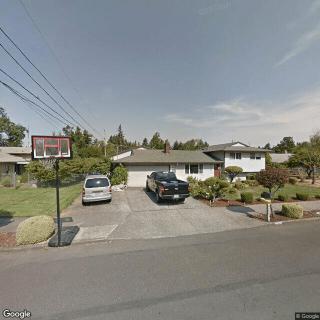
Peaceful Lighthouse Adult Care Home
$3,000 / month4.7 miles away -
from -$300 / mo
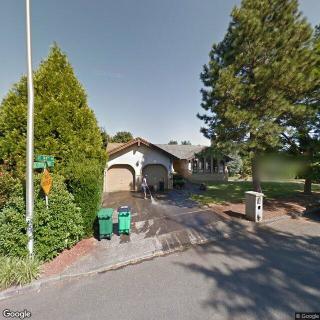
A Gentle Care Home
$2,500 / month4.6 miles away
Overall Review of Somlea's Adult Family Home
Pros
 The home is described as a loving Christian environment.
- It is very clean and provides wholesome meals.
- The patients are treated like family.
- The care team treats families as gifts to be cherished and protected.
- The residents are mentally alert, indicating attentive care.
Review
Somlea's Adult Family Home in Portland is best suited for seniors who want a small, intimate, faith-affirming living arrangement where residents are treated as beloved family members. This four-resident setup, operated as a family business since 1995, delivers a steady, home-like rhythm rather than the rush of a larger facility. Families drawn to a clean, wholesome environment, where meals are regularly prepared and shared, will find the daily routine predictable and comforting. The care philosophy centers on warmth, personal connection, and a sense of safety that comes from being nestled in a private residence rather than a clinical setting. This is not about flash amenities; it is about steady, attentive companionship and a living space that feels like home.
Alternatives should be considered for residents with higher medical needs, aggressive memory care requirements, or a desire for broader social programming and on-site therapy. If a loved one requires frequent nursing interventions, complex wound care, skilled rehab, or a memory care unit with structured cues, a larger community with dedicated memory care or skilled nursing would likely offer more comprehensive resources. Secular, non-religious environments or communities with a wider array of activities and transportation options may suit those who want more external engagement or different cultural settings. In short, the intimate strengths here come with trade-offs in medical scope and program breadth.
Advantages are pronounced for residents who thrive on routine and personal attention. The four-person cap allows caregivers to know every preference, history, and need, delivering high-touch service that larger homes struggle to match. Cleanliness and wholesome meals are not mere promises but daily practice, reinforced by the family's values and hands-on oversight. Residents living here are described as being treated like family, which translates into consistent, respectful interactions, fewer strangers, and a supportive, predictable day-to-day environment. Longevity of care, evidenced by an example of a mother living 13.5 years beyond projections, speaks to cautious, compassionate decision-making and long-term commitment. The Christian home atmosphere also offers comforting routines, devotional moments, and shared meals that strengthen belonging.
Yet the very small scale can create limitations. A home with four residents cannot match the breadth of programming, communal events, or on-site therapies found in larger assisted living communities. Medical oversight, while present, cannot replicate a staffed, round-the-clock nursing model, so coping with acute changes may require transfer to a hospital or larger facility. The absence of a formal memory-care unit means cognitive decline may be harder to manage if dementia progresses beyond mild levels. Privacy options and room configurations will be modest, and some families may prefer more expansive common areas or outdoor amenities. These factors are not defects so much as inherent constraints of small, home-based operation.
When weighed against these constraints, the positives provide substantial offset. The intimate setting minimizes overstimulation and anxiety for residents who respond best to routine and familiar faces. A high caregiver-to-resident interaction ratio ensures that daily care, hydration, nutrition, and safety messaging are consistently reinforced. Stability of staff and the family leadership reduces turnover anxiety that can accompany larger operations, while the faith-based framework adds a layer of emotional and spiritual support that many families value deeply. Cleanliness, predictable meals, and the sense of belonging created by a private home environment translate into daily life that feels dignified and manageable, even for seniors with modest medical needs.
For families prioritizing a warm, faith-forward, home-like living situation with individualized attention for a relatively independent to lightly dependent senior, Somlea's Adult Family Home stands out as an excellent match. It is less appropriate for those requiring intensive medical care, formal memory-care protocols, or broad on-site programming. Prospective residents should schedule a visit to observe daily routines, meet the caregivers, and inspect safety features. Key questions include staffing qualifications and coverage, med-management practices, activity offerings, transportation options, and the process for care planning and emergency transfers. Verifying licensing status and speaking with current families can provide practical insight into whether this intimate setting will align with the loved one’s care trajectory.
 Board and Care Home
 Activities on-site
 Beautician on-site
 Devotional services on-site
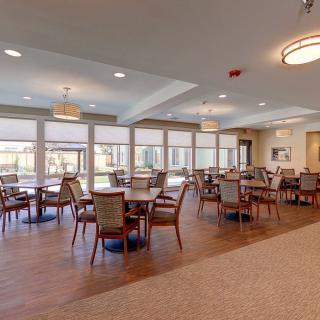
 Indoor common areas
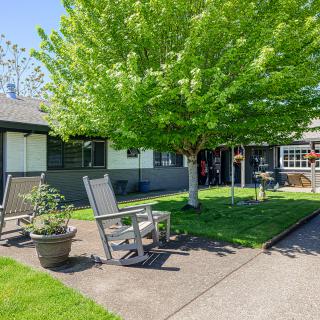
 Outdoor common areas
 Private
 Private bathrooms
 Wheelchair accessible showers
 Portland International (5 miles away)
 Ambulatory care
 Diabetic care
 Incontinence care
 Meals provided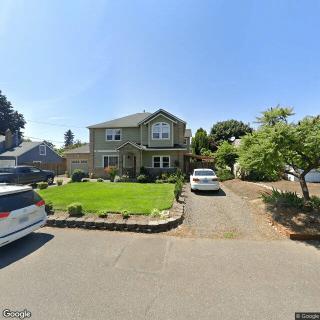



 Understanding the Full Cost of 24/7 In-Home Care: A Detailed Overview
 Exploring the World of Home Health Nurses: Qualifications, Roles, and Hiring Tips
 Navigating Medicare Coverage for In-Home Care Services