

1317 NE 152nd Ave, Portland, OR 97230
To contact a resident: (503) 255-4765
For more information about senior living options: (866) 208-4318
Nelly's Adult Care Home Costs & Pricing
Nelly's Adult Care Home offers a private room at a monthly rate of $5,000, which is significantly higher than the average costs in both Multnomah County and the state of Oregon. In Multnomah County, the typical cost for a private room is approximately $3,227, while the state average stands at around $3,424. This price differential suggests that Nelly's caters to a more specialized level of care or amenities that may justify its premium pricing. For families considering adult care options, it's essential to weigh these costs against the quality of care and services provided to ensure they align with their expectations and needs.
| Floor plans | Nelly's Adult Care Home | Multnomah County | Oregon |
|---|---|---|---|
| Private | $5,000 | $3,227 | $3,424 |
Senior living communities with a similar price nearby
-
from -$500 / mo
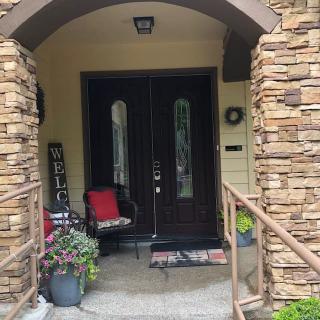
Casa Shattuck Senior Care
$4,500 / month11.2 miles away -
from +$500 / mo
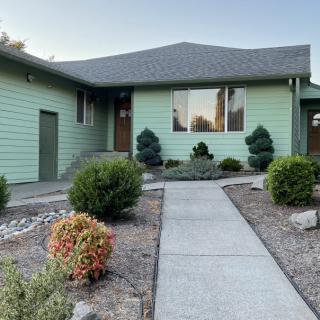
Evergreen Quality Home
$5,500 / month13.8 miles away -
from -$500 / mo
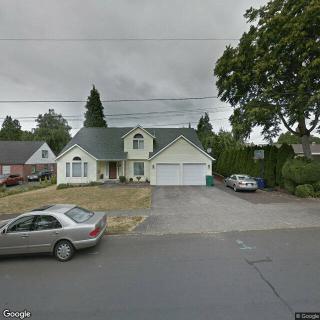
Genuine Senior Living
$4,500 / month8.7 miles away -
from -$500 / mo

Best Care Adult Family Home
$4,500 / month12.4 miles away -
from -$200 / mo

Park Ridge ACH
$4,800 / month15.0 miles away
Overall Review of Nelly's Adult Care Home
Pros
 They took excellent care of her.
- They were respectful and kind to her.
- She was always content.
- She was clean.
- She had good humor with the family.
- She did not complain about anything.
Cons
 The review contains no negative statements.
Review
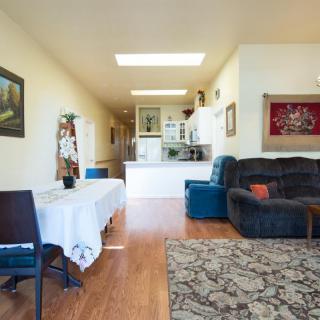
Nelly’s Adult Care Home in Portland is best suited for families seeking an intimate, home-like environment where a loved one can receive steady, personalized attention rather than the bustle of a larger campus. This setting works particularly well for seniors who are mostly independent but need daily assistance, a gentle routine, and caregivers who treat residents with warmth and respect. It suits families who prize continuity, where staff know the resident’s preferences, habits, and humor, and where daily life feels calm and predictable. For long-term placement, the model is especially appealing when the goal is to minimize upheaval and keep a trusted, familial tone in care. Those who must rely on extensive medical supervision, complex memory-care programming, or a wide array of on-site activities should consider alternatives.
The strongest positives are clearly evident in the care experience described. The staff’s respect and kindness toward the resident stand out, creating an atmosphere where dignity is the default. The resident was reported to be content and clean, with good humor circulating within the family, suggesting meaningful social interaction and a positive mood day after day. The absence of complaints over a two-year period signals stability and trust, not just in the routine of care, but in the relationships that support daily living. Cleanliness, a quiet, predictable environment, and courteous engagement with family are not minor details here; they are the core pillars of comfort and safety in a small care setting. In practice, these factors often translate into less agitation during care tasks and smoother cooperation between resident, family, and caregivers.
These strengths offset several typical drawbacks associated with smaller, non-institutional placements. While a home-style setting can mean fewer on-site medical resources, a calm, respectful approach reduces the emotional burden on families and lowers the risk of resident distress during daily care. The personalized attention that accompanies a small operation often compensates for a lack of broad activity calendars or formal programming by delivering consistent routines, timely responses, and genuine relational warmth. Nevertheless, it remains essential to verify that medical oversight aligns with a resident’s needs, medication management, access to outside medical professionals, and emergency protocols should be clearly defined. The evident emphasis on dignity and cleanliness provides a strong basis for comfort, but due diligence on clinical capabilities ensures the fit remains sound for those with evolving health requirements.
For families actively evaluating options, a practical decision framework matters. Inquire about staff-to-resident ratios and whether caregivers have consistent assignments to foster lasting relationships with the same residents. Ask how medications are managed, who coordinates with outside clinicians, and what emergency procedures look like on evenings and weekends. Observe the daily interactions, do caregivers preserve dignity during care tasks, and do residents display ease in communicating needs? Probe the availability of memory-care supports and respite options, and request concrete examples of activities or routines that reflect residents’ preferences. Finally, confirm licensing status, inspection reports, and whether a trial stay or short-term visit is possible to gauge fit before committing.
From the available account, the takeaway is clear: Nelly’s Adult Care Home delivers a compelling value for families prioritizing emotional well-being, respect, and a steady, home-centered routine. The care team’s gentleness and the resident’s contentment point to a setting where trust is built through consistent, thoughtful interactions and a commitment to personal dignity. This is not a facility designed to mimic a large campus; it is a place where the human element of care, humor in family conversations, clean surroundings, and a stable daily rhythm, drives quality of life. That is a meaningful, often decisive advantage for many seniors and their loved ones.
However, this choice is not universal. Families needing intensive medical oversight, robust on-site clinical services, or expansive social programming may find the scale and scope of alternatives more aligned with their objectives. In such cases, consider larger assisted-living communities or facilities dedicated to memory care that offer a broader menu of medical supports and structured activities. The decision should hinge on the resident’s current health status, anticipated trajectory, and the family’s capacity to coordinate care. With thoughtful verification and a clear understanding of expectations, Nelly’s can be an excellent, low-stress match for the right resident and family.
 Board and Care Home
 Private
 Portland International (6 miles away)
 Diabetic care





 Understanding the Nuances of Palliative Care and Hospice: A Comprehensive Exploration
 Fecal Incontinence in Older Adults: A Comprehensive Guide
 Nurturing Well-Being Through Gardening: A Detailed Guide for Senior Enthusiasts