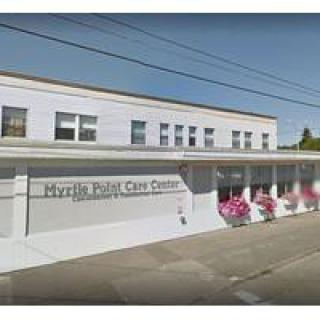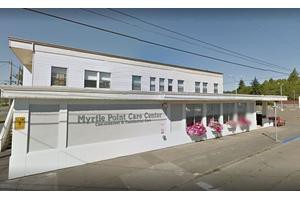

637 Ash Street, Myrtle Point, OR 97458
For more information about senior living options: (866) 208-4318
Overall Review of Myrtle Point Care Center Rcf
Pros
 The staff are friendly, the facility is clean, and there is a positive vibe.
- The staff are attentive and sweet, making residents feel like part of the family.
- Amy is very helpful and instrumental in coordinating aftercare and appointments.
- The cook has a great rapport with residents, and the meals are excellent.
- The care team is friendly, professional, and genuinely caring in meeting residents' needs.
- Residents feel loved and well cared for by attentive staff.
- The center offers engaging activities and visits, including chess with residents and a garden club.
Cons
 The reviewer notes that no one answers the phone or returns calls, despite leaving multiple messages.
- They report being told they are no longer welcome there by a former supervisor and the new administrator, with no reason given.
- They claim their mother was treated horribly, including improper medications and a pre-arranged doctor's appointment canceled without notice.
- They state that personal items were lost or discarded and that administrative paperwork and billing showed a lack of professionalism, with ongoing charges after upfront payment.
- They describe the facility as old and not very clean, with shabby rooms and worn cabinets.
- They describe an interminably long wait for help, with call lights ignored, insufficient staff, and residents left in bed wet and filthy for too long.
- They mention a hot water outage that disrupted showers and forced alternate schedules.
- They note mixed staff morale, with some workers who seemed not to want to do anything.
Review
Myrtle Point Care Center Rcf is best suited for families who prize a small-town, person-focused atmosphere where staff warmth and everyday kindness can make a meaningful difference in daily life. This community tends to shine when residents are looking for caregivers who treat them like family, with attentive, personable interactions and meals that carry an old‑fashioned, homey appeal. The place itself feels clean and well‑maintained in many glimpses of daily life, and there are glimmers of genuine connection between residents, their families, and the care team. Those who need a highly procedural, hospital-like setting or who demand the latest in facility modernization, distraction-free by the clock, may feel misaligned here. For families prioritizing reliability, rapid clinical responses, and spotless, up‑to‑date amenities, alternatives in the region should be considered more seriously.
On the plus side, the staff consistently appears friendly, and the environment often carries a welcoming, community vibe. Several residents’ families speak to staff who joke with them, remember preferences, and try to involve them in everyday routines. Food relationships stand out, one can sense a cook who has built rapport with residents and a willingness to preserve familiar flavors and routines. When a loved one needs aftercare coordination, the experience of staff like Amy in arranging appointments and smoothing transitions stands out as a clear strength. In certain cases, families describe care that feels personal and dependable, especially when a resident requires ongoing daily assistance and encouragement from compassionate, recognizable faces.
Yet the most persistent concerns point to operational and administrative fragility that can undermine the positive aspects. Communication gaps are repeatedly cited: phone lines that go unanswered, messages left without a return call, and a sense that administrative responsiveness does not consistently match resident needs. Staffing pressures surface in several reviews as long wait times for help, frequent call-light shouts, and periodic lapses in daily tasks. When staffing is stretched, even well-intentioned aides can struggle to deliver prompt assistance, leaving residents sitting in bed, sometimes wet or uncomfortable. These realities translate into genuine safety and dignity worries for families evaluating whether this is the right level of support for a loved one.
Facility age and maintenance also appear as recurring themes. While some residents benefit from a library, garden clubs, and a smoking area, others describe the environment as shabby and worn, with outdated furnishings and a sense that the physical plant doesn’t always match the level of care delivered. When hot water or shower schedules falter, or when personal items go missing amid administrative bottlenecks, the perception of care quality shifts from the interpersonal to the systemic. In short, the positives, friendliness, warmth, and approachable staff, are real but do not entirely offset the structural concerns around responsiveness, housekeeping consistency, and financial transparency. The impression is of a facility that can feel harmoniously close-knit on good days and frustratingly frayed on others.
That dynamic matters for decision-making. For families who can integrate robust oversight and hands-on involvement, regular site visits, direct conversations with the nurse manager, and ongoing checks on medication administration and billing, Myrtle Point Care Center Rcf can be a comforting, emotionally rewarding choice. The care team’s ability to connect with residents and the evident dedication of some staff members can translate into meaningful quality of life gains, especially for a loved one who thrives on routine, familiar faces, and daily social contact. The same strengths require a parallel commitment from families to chase answers, monitor call lights, and advocate for timely service; without that advocacy, the risk of unmet needs rises.
Conversely, families with clear-cut priorities for seamless operations, consistently high staffing ratios, and pristine, modern facilities may want to explore alternatives. If quick, reliable response times, consistently clean rooms, and transparent billing are non-negotiable, it is prudent to compare Myrtle Point with other local options that emphasize administrative discipline and a broader staff footprint. Prospective residents should pursue concrete signals: current resident and family experiences with call lights, nurse oversight, medication management, and the facility’s track record on maintenance issues. A candid tour should include conversations about staff morale, turnover, and the mechanism by which complaints are resolved. Access to recent survey results and the opportunity to meet the care director can reveal how deeply the place has addressed the very concerns cited by reviewers.
In the end, the decision hinges on balancing the undeniable warmth and personalized care against the practical realities of staffing, maintenance, and governance. For families prioritizing a homey, relational environment where a caring team can feel like an extended family, Myrtle Point Care Center Rcf offers meaningful value and genuine affection in daily care. For those whose expectations center on ironclad reliability, spotless condition, and flawless administrative systems, alternatives demand serious consideration. The best path is a thorough, firsthand assessment: visit with a checklist, observe call-light responsiveness, ask pointed questions about medication handling and billing practices, and compare with a few nearby options. That approach will reveal whether the community’s heart aligns with the resident’s needs and the family’s expectations, or if another choice will deliver the steadier, more polished level of support sought.
 35 resident community capacity
 Assisted Living
 Board and Care Home
 Continuing Care Retirement Community (CCRC)
 Skilled Nursing Facility
 Beauty salon
 Cable or satellite TV
 Dining room
 Fully furnished
 Garden
 Housekeeping services
 Kitchenette
 Move-in coordination
 Outdoor space
 Telephone
 Wi-Fi/high-speed internet available
 North Bend Muni (25 miles away)
 24-hour call system
 Activities of daily living assistance
 Assistance with bathing
 Assistance with dressing
 Assistance with transfers
 Diabetes diet
 Meal preparation and service
 Medication management
 Mental wellness program
 Special dietary restrictions
 Transportation arrangement (medical)
 Transportation to doctors appointments




 Exploring the Contrasts Between Assisted Living and Skilled Nursing
 8 Key Indicators That Suggest It May Be Time to Transition from Assisted Living to Skilled Nursing Care
 Vibrant Senior Living: A Comprehensive Guide for Active Older Adults