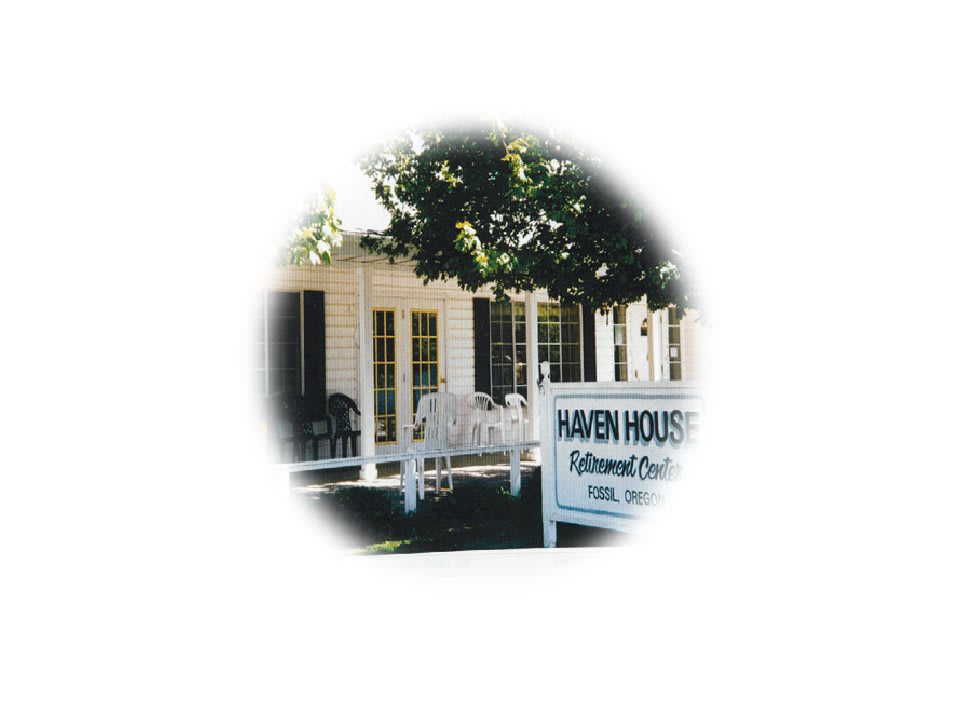
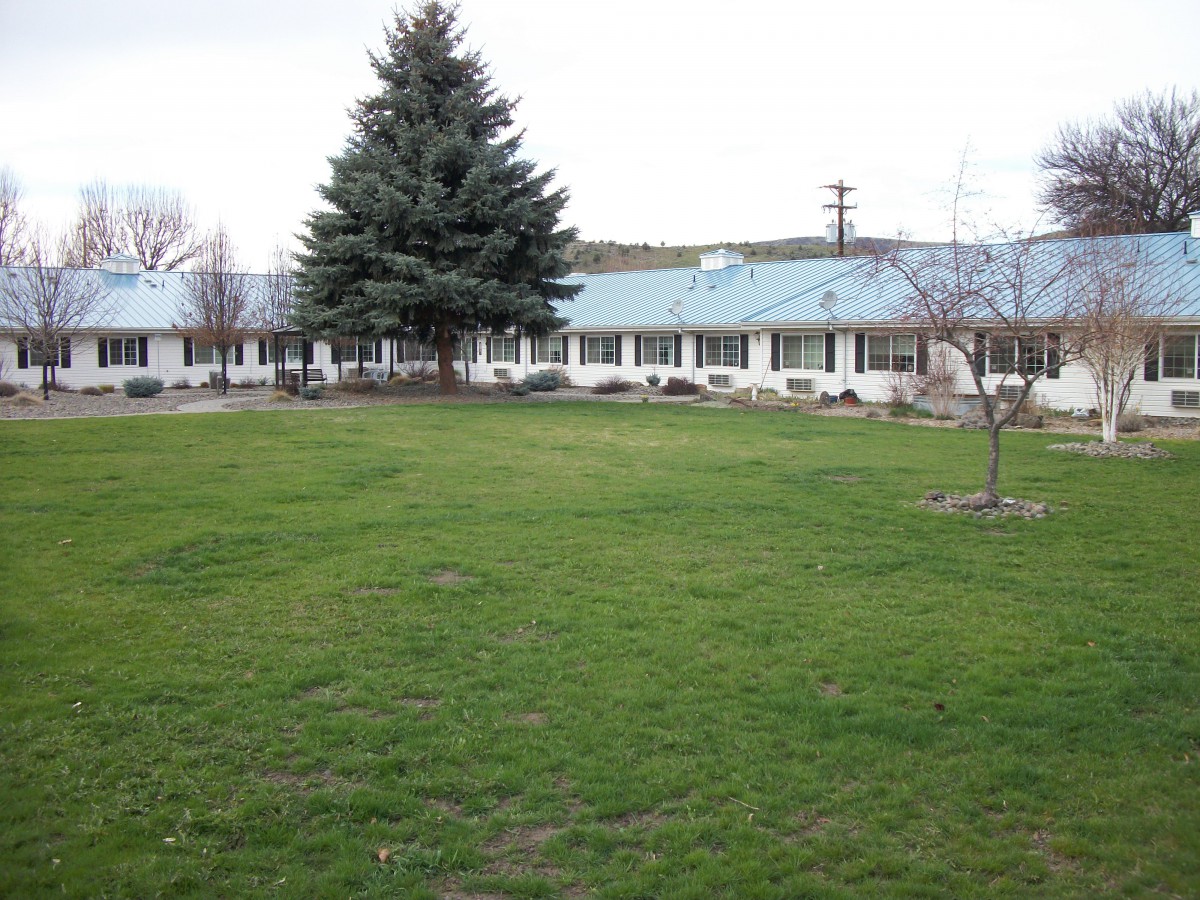
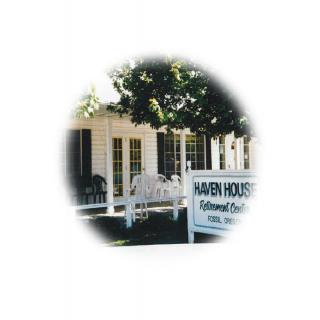
714 Main Street, Fossil, OR 97830
For more information about senior living options: (866) 208-4318
Haven House Retirement Center Costs & Pricing
Haven House Retirement Center offers competitive pricing for its residents compared to both Wheeler County and the broader state of Oregon. For instance, a studio apartment is available at $1,788 per month, which aligns perfectly with the county rate but represents a significant savings when juxtaposed against the state's average cost of $3,815. Similarly, the center's one-bedroom unit is priced at $2,105 - again matching Wheeler County's rate while remaining considerably lower than Oregon's average of $3,904. The two-bedroom option follows this trend, priced at $2,488 in Haven House and Wheeler County alike, yet still falling short of the state's average cost of $4,436. Overall, Haven House Retirement Center provides an attractive proposition for prospective residents seeking quality living arrangements without succumbing to the heightened expenses seen elsewhere in Oregon.
| Floor plans | Haven House Retirement Center | Wheeler County | Oregon |
|---|---|---|---|
| Studio | $1,788 | $1,788 | $3,815 |
| 1 Bedroom | $2,105 | $2,105 | $3,904 |
| 2 Bedrooms | $2,488 | $2,488 | $4,436 |
Overall Review of Haven House Retirement Center
Pros
 The residential care facility is conveniently located near downtown Fossil.
- It was built in 1988 by a committee of community volunteers who wanted to keep their elders in their hometown.
Review
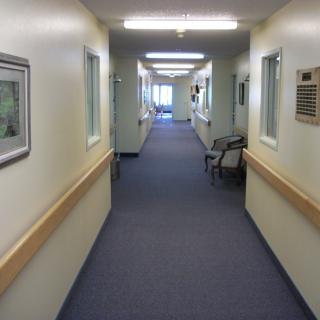
Haven House Retirement Center is best suited for seniors who prize an intimate, community-rooted living arrangement, where staff, neighbors, and families feel connected through place and routine. The setting near downtown Fossil offers convenient access to town amenities while preserving a quiet, residential atmosphere at its core. The facility carries a home-grown pedigree, having been built in 1988 by a committee of community volunteers intent on keeping their elders in their hometown. That origin matters: it is not a sterile corporate campus, but a place with local stakes in every interaction and daily schedule.
This is not the choice for those chasing resort-like amenities or expansive programming. Elders requiring high-level skilled nursing, advanced memory care, or a wide array of on-site therapies may find Haven House too small or too general in service scope. The appeal rests in familiarity and personal touch, not in scale. For residents who anticipate rapid escalation of care needs, alternatives with dedicated dementia care wings or larger medical staffs may deliver more comprehensive coverage and faster adaptive responses.
Yet the upside is concrete. The intimate scale tends to translate into consistent, personalized attention, with caregivers who can build meaningful routines around individual preferences. Proximity to downtown Fossil means predictable access to errands, social outings, and community resources without long commutes. The sense that the place exists to serve local elders, rather than to maximize occupancy, often yields a calm, predictable rhythm to days, with meals, activities, and check-ins anchored by a shared sense of community pride.
However, the same strengths illuminate potential drawbacks. The small footprint can limit on-site amenities and the breadth of daily programming, making it harder to match the variety offered by larger campuses. Staffing levels may be more variable during peak times, potentially affecting responsiveness or flexibility when needs spike. For families weighing options, the question becomes whether a residential care framework can consistently meet evolving medical or mobility requirements without requiring frequent transitions.
Those drawbacks are offset by the benefits of local belonging and continuity. Residents typically enjoy stable routines, staff who know personal histories and preferences, and a built-in support network that extends into families and neighbors in the same community. The volunteer-driven origins foster a governance mindset focused on staying small and present, which can yield attentive oversight, a homelike atmosphere, and a sense that care decisions reflect local values as much as clinical judgment. For seniors who want to age in place among familiar faces, Haven House can deliver a quality of life that larger institutions often struggle to reproduce.
In evaluating Haven House, families should compare alignment of current and anticipated care needs with what a residential setting can sustain and how the facility compensates for its size. Prospective residents should verify staff-to-resident ratios, the consistency of daily activities, transportation options, meal quality, and the process for escalating care if health declines. The right choice will be clear for those prioritizing a hometown, relationship-rich environment that balances independence with hands-on support. For others, especially those needing comprehensive clinical services or dementia-specific programs, it is prudent to examine alternatives with broader medical coverage or specialized memory-care capabilities while keeping the local, community-connected option in mind as a strong, viable baseline.
 19 resident community capacity
 Assisted Living
 Board and Care Home
 Cats allowed
 Dogs allowed
 Activities off-site
 Air-conditioning
 Cable or satellite TV
 Devotional services off-site
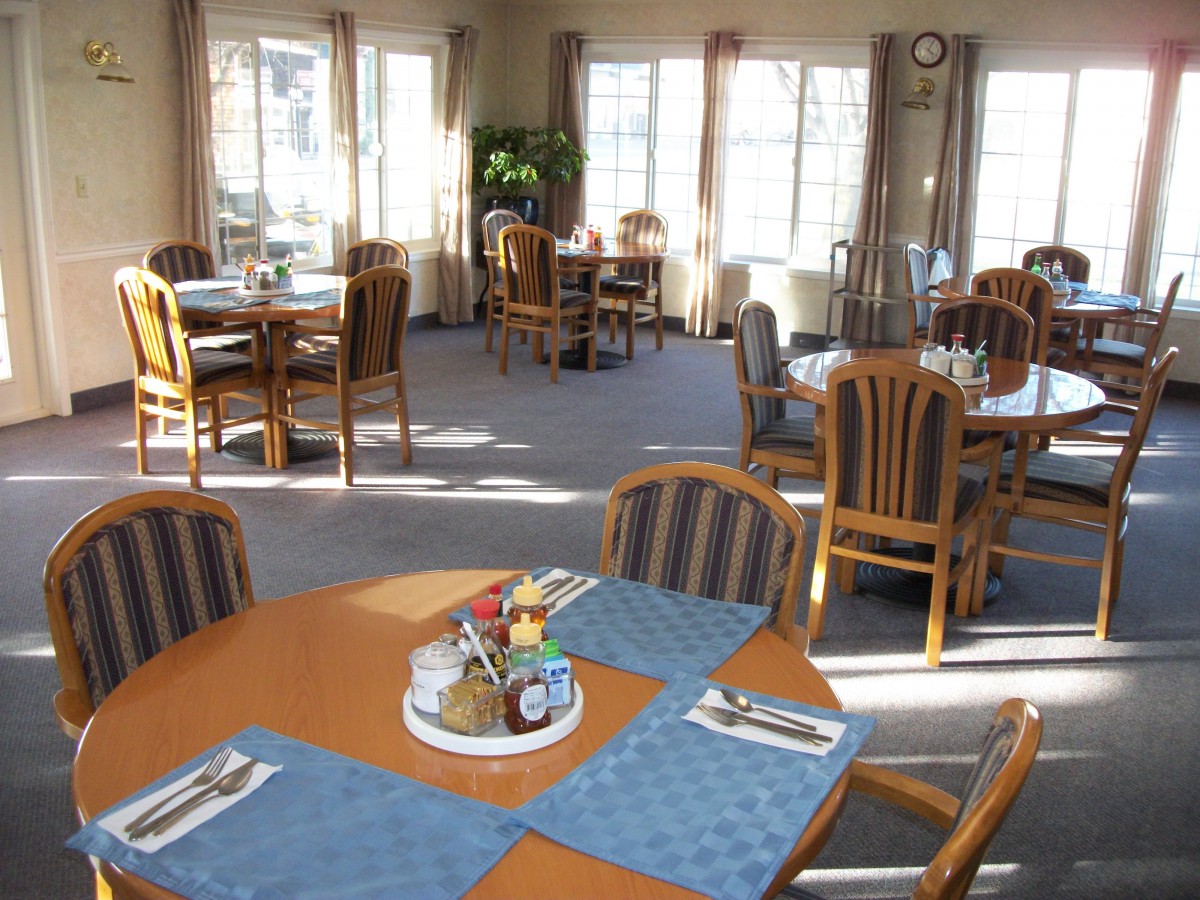
 Dining room
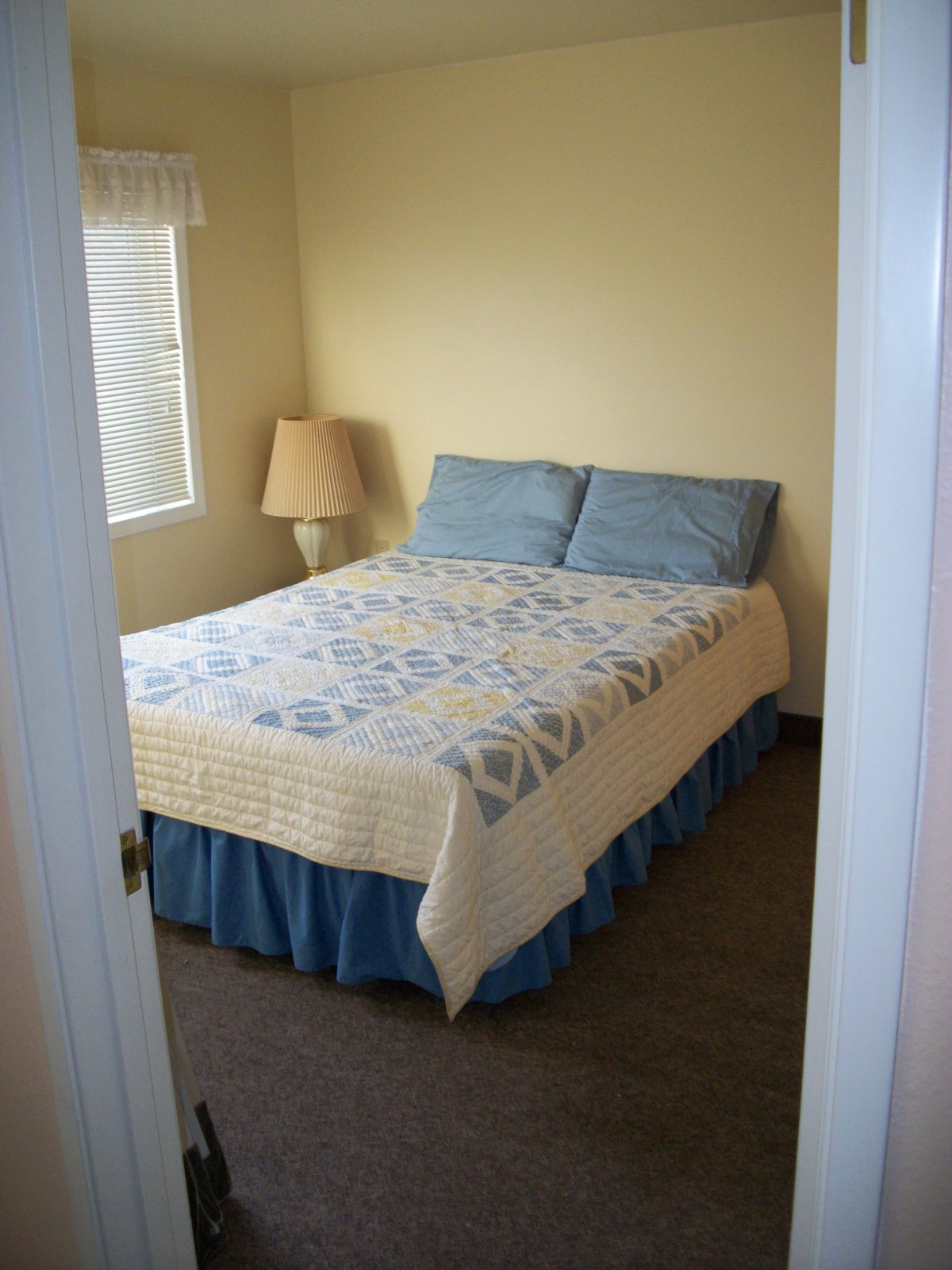
 Fully furnished
 Garden
 Ground floor units
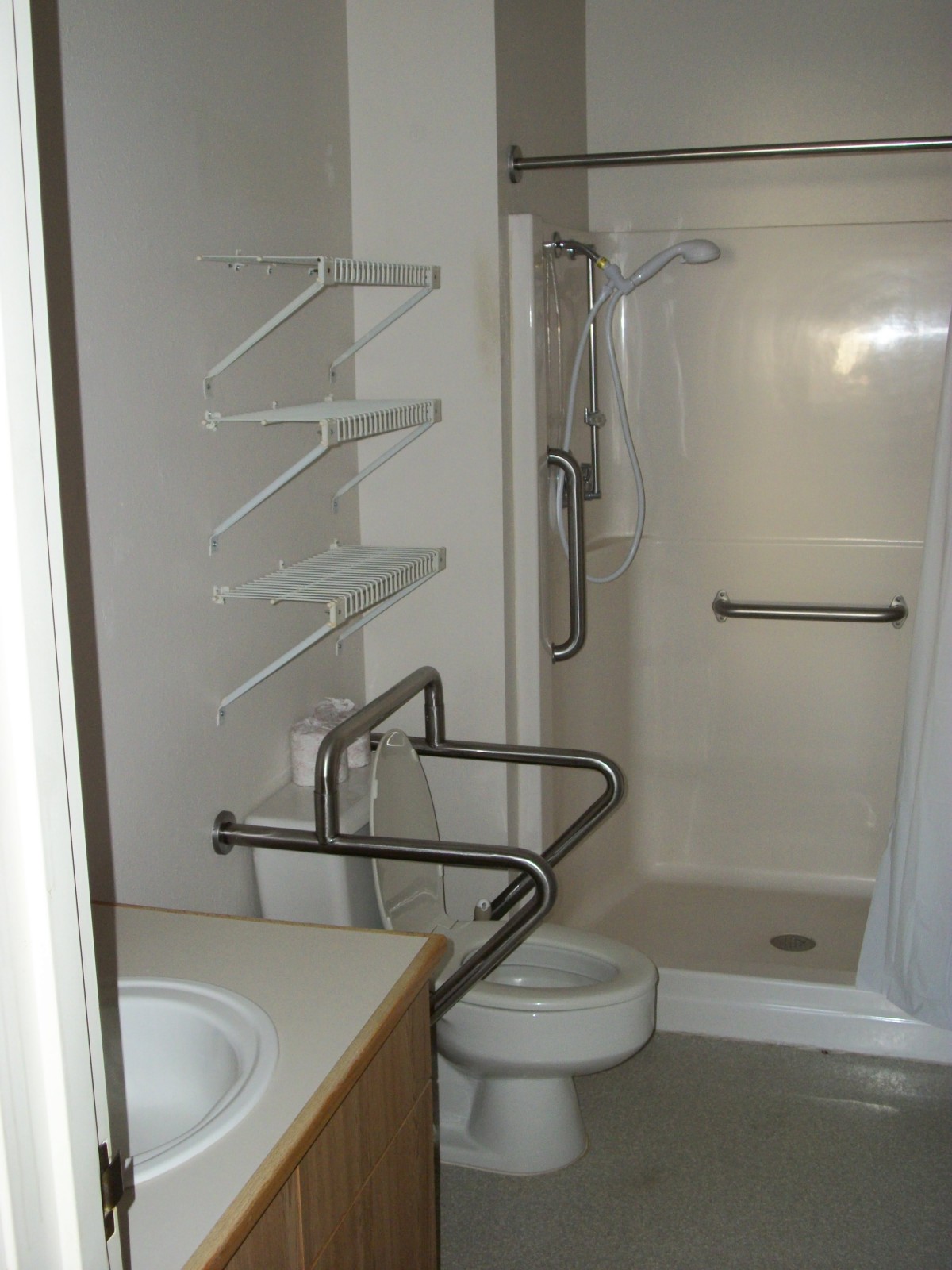
 Handicap accessible
 Housekeeping services
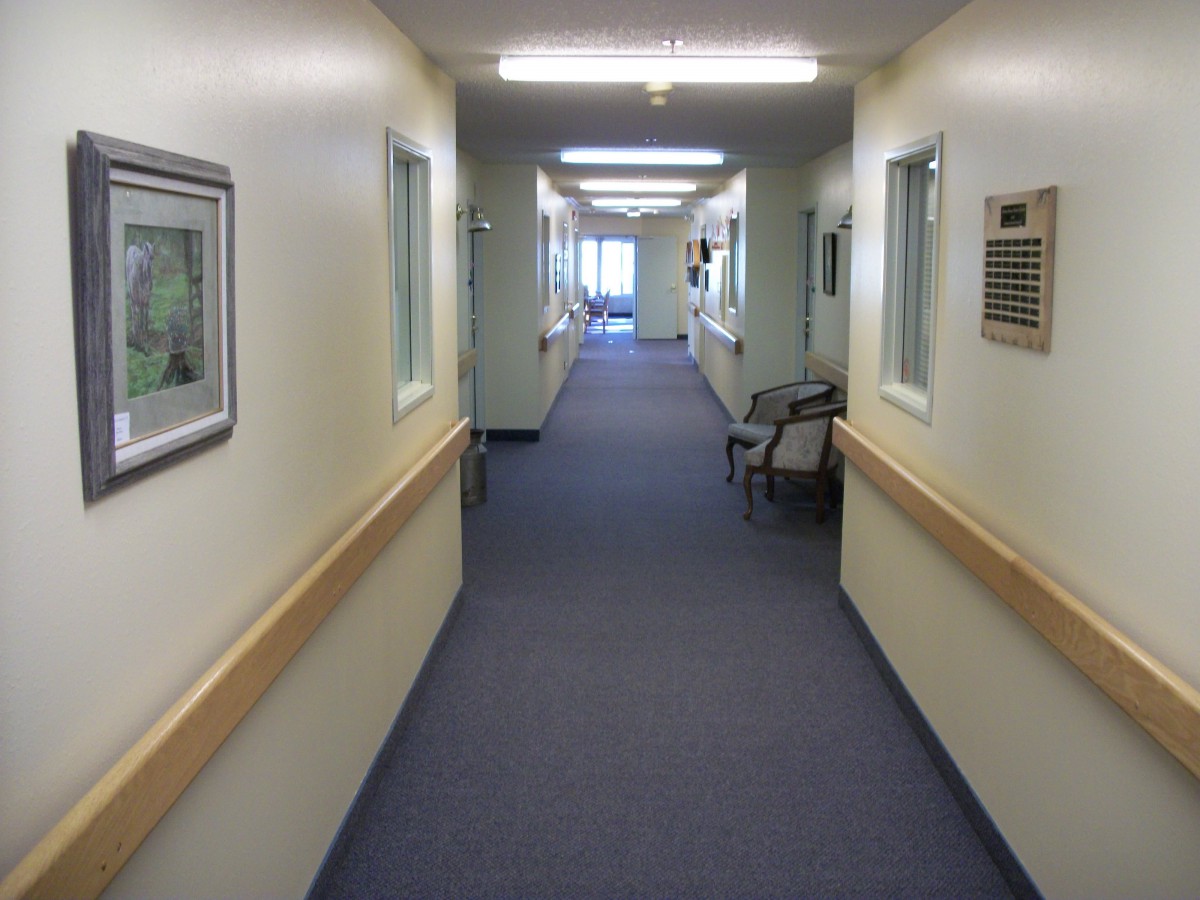
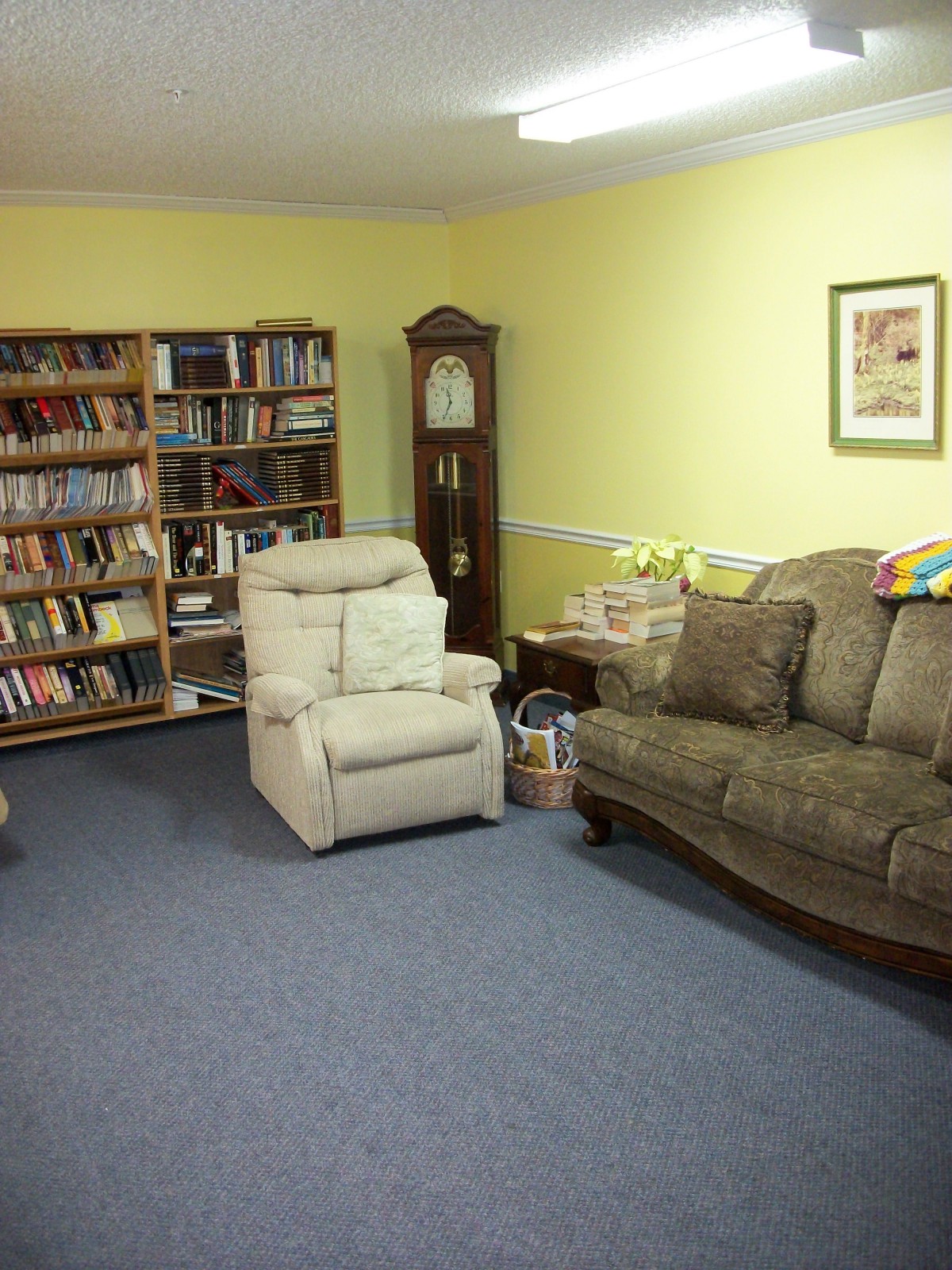
 Indoor common areas
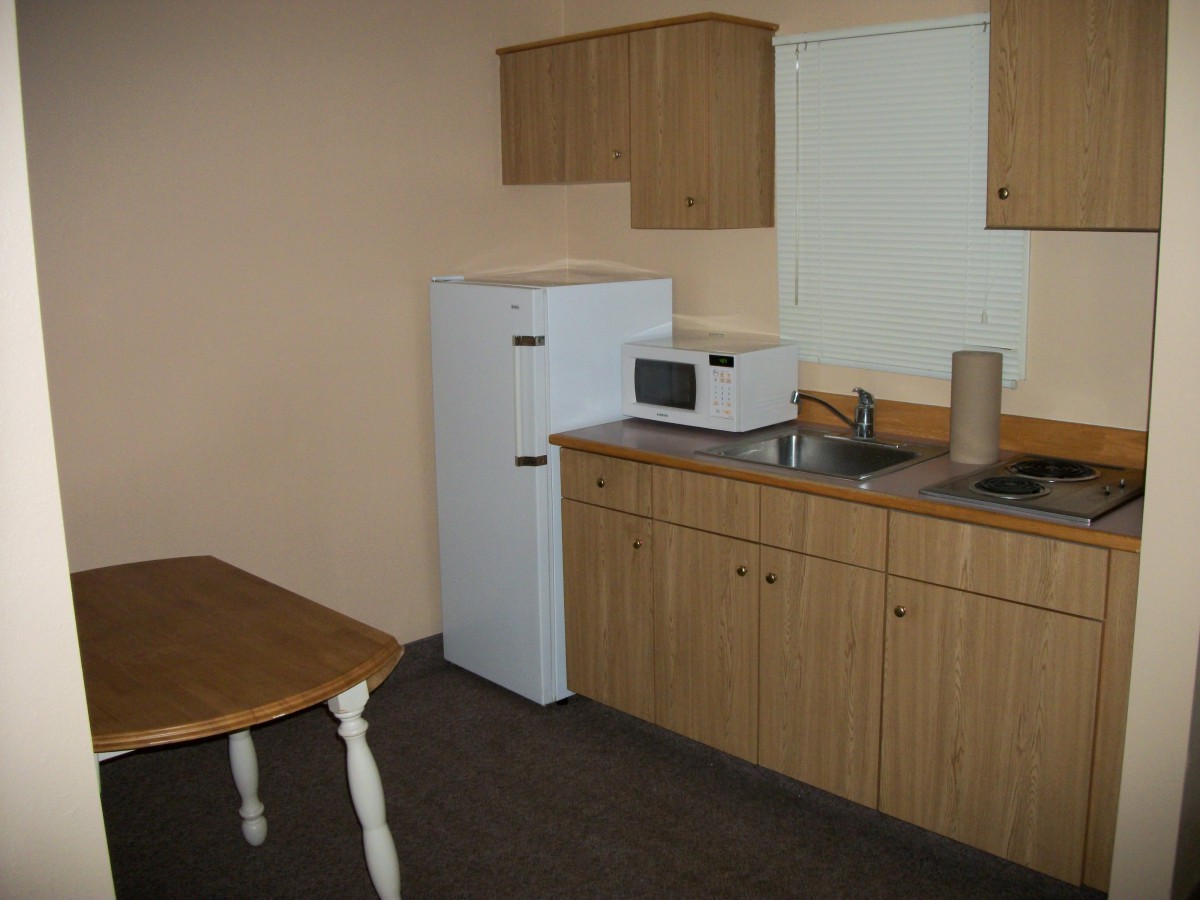
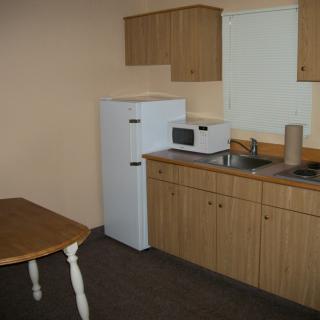
 Kitchenette
 Move-in coordination
 Outdoor common areas
 Respite or short term stays offered
 Telephone
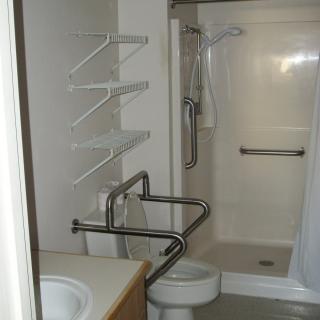
 Wheelchair accessible showers
 Wi-Fi/high-speed internet available
 24-hour supervision
 Ambulatory care
 Assistance with bathing
 Assistance with dressing
 Assistance with transfers
 Diabetes diet
 Diabetic care
 Incontinence care
 Meal preparation and service
 Medication management
 Special dietary restrictions
 Transportation arrangement (medical)
 Transportation to doctors appointments
 Day trips and outings
 Live musical performances
 Protestant services
 Stretching classes
 Trivia games
 Wii bowling

 Choosing the Right Senior Care: A Detailed Exploration of Assisted Living and Nursing Homes
 Understanding the True Cost of Assisted Living in 2025: A Comprehensive Guide
 Understanding Medicaid Coverage for Assisted Living: A Comprehensive Guide