475 South Shasta Place Longview Div, Burns, OR 97720
For more information about senior living options: (866) 208-4318
Ashley Manor - Shasta Costs & Pricing
Ashley Manor - Shasta offers competitive pricing for its residential care options, particularly when compared to broader regional costs. For a semi-private room, the monthly fee is set at $2,700, aligning with the average costs in Harney County but significantly lower than the statewide average of $4,457 in Oregon. Meanwhile, for those seeking a studio space, Ashley Manor's monthly rate of $3,200 is considerably higher than the local Harney County price of $1,938; however, it remains more economical compared to the state average of $3,815. This pricing structure suggests that Ashley Manor - Shasta provides valuable options for residents looking for quality care at reasonable rates within their community context.
| Floor plans | Ashley Manor - Shasta | Harney County | Oregon |
|---|---|---|---|
| Semi-Private | $2,700 | $2,700 | $4,457 |
| Studio | $3,200 | $1,938 | $3,815 |
Overall Review of Ashley Manor - Shasta
Pros
 The sister loved living there.
- The staff are A+ and really care.
- They would recommend placing a loved one there.
- The Golden Rose staff provide excellent care for the patients.
Review
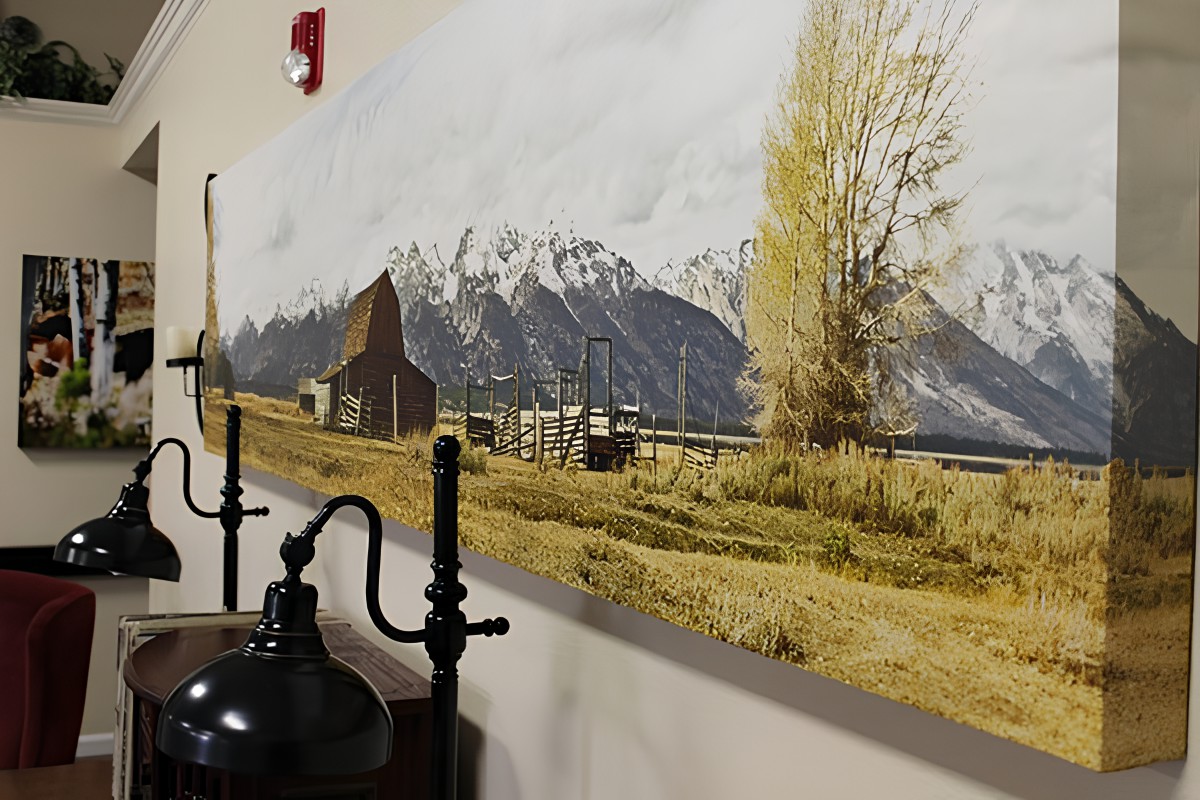
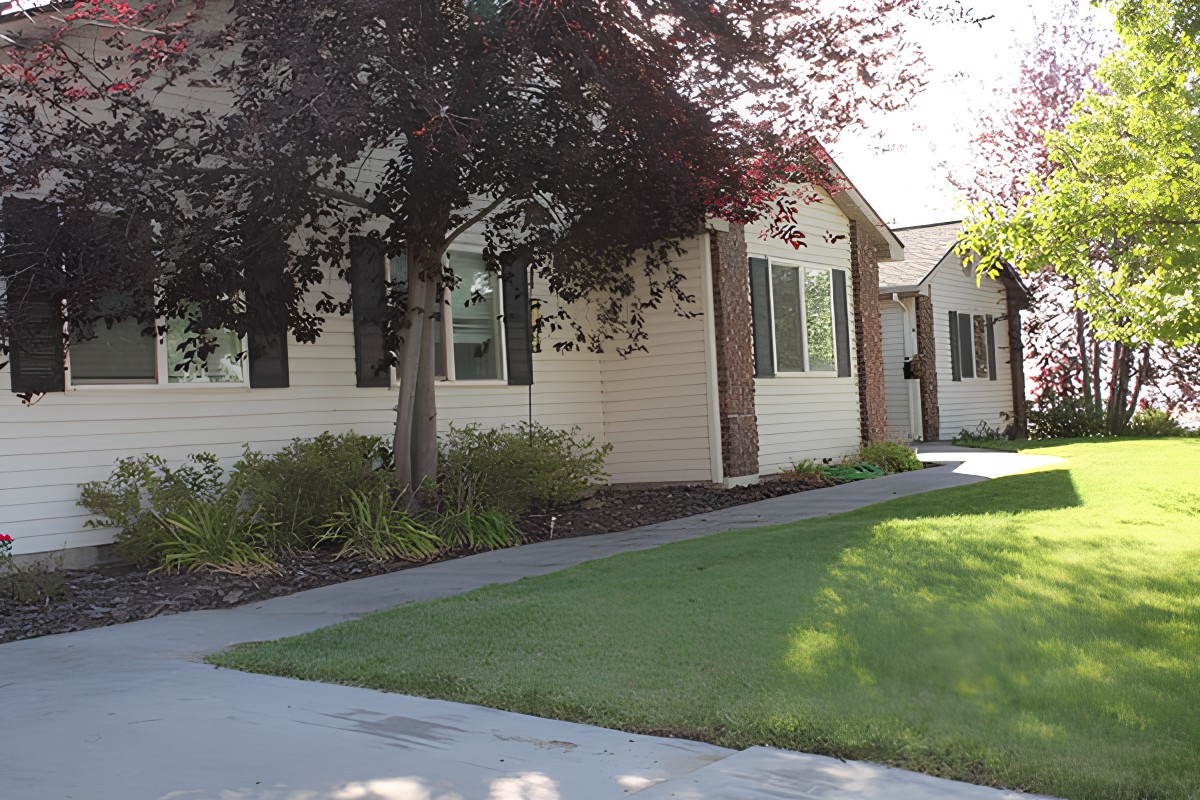
Ashley Manor - Shasta in Burns, OR is best suited for families seeking a warm, person-centered assisted living where staff genuinely care and residents enjoy meaningful daily contact with caregivers. This community works best for a loved one who thrives on close-knit attention, stable routines, and a home-like environment where the care team is visible, responsive, and consistently respectful. For seniors who value a calm setting with steady, compassionate oversight and who don’t require aggressive medical interventions on a daily basis, Ashley Manor delivers the kind of reassurance families want when placing someone they love.
This option may not be ideal for those who need extensive medical management, specialized memory-care programming, or a broad, hospital-like slate of services. If a higher level of clinical oversight, frequent rehabilitation, or a diverse, highly structured activities calendar is non-negotiable, alternatives should be explored. Families also should verify cost transparency and what is included, since the limited information available leaves important questions about pricing, room options, and how services scale with acuity. In short, those pursuing a bustling, high-service campus or a facility positioned in a more metropolitan setting may prefer other choices.
The strongest pro is unmistakably the staff. Descriptions of the team as “A+” and deeply caring carry real weight; when care staff know residents well and communicate with families openly, the day-to-day experience becomes predictable, safe, and dignified. This kind of caregiving often translates into reduced anxiety for both residents and relatives, smoother transitions between activities, and a steadier atmosphere that supports mood stability and social connection. The testimonial from a family member who watched their sister thrive there is a compelling signal that the core promise, quality, kind caregiving, delivers in practice.
Conversely, the main con stems from the sparse information available. With only a single, positive review, there’s no robust picture of the full scope of services, amenities, or the consistency of care across shifts. Essential details, such as the levels of medical supervision, availability of specialized memory-support programming, meal quality and dietary accommodations, activity variety, transportation options, and cost structure, are not disclosed. That lack of depth makes it crucial for prospective families to conduct their own due diligence: visit, observe, and ask hard questions about what the daily calendar looks like, who provides care at night, and how emergencies are managed.
Yet the positive staff dynamic can meaningfully offset these informational gaps for many families. When the caregiving team is clearly dedicated, residents experience reliable supervision, timely assistance, and a sense of safety that often eclipses the need for a wide array of on-site services. For families prioritizing trust and continuity, where a loved one’s comfort, daily routine, and emotional well-being hinge on the care team’s character, the offset is substantial. The enthusiasm from the family member who praised the staff reinforces the message: personnel quality matters, and it can define the overall experience more than the size of the facility or the breadth of programming.
In the final assessment, Ashley Manor - Shasta stands out as a practical, compelling option for families who value genuine, compassionate caregiving above all else. It is particularly well-suited for residents who thrive on stability, personal attention, and a trusting relationship with caregivers, rather than a facility with a blockbuster activity calendar or the most expansive medical services. For families evaluating this community, the recommended next steps are clear: arrange a visit, meet the caregiving team, and request specifics on care levels, emergency procedures, and pricing. Ask to see a sample weekly schedule, menu options, and a plan for any required escalation of care.
If choosing Ashley Manor, enter the process with a clear checklist and a readiness to compare against alternatives. Confirm what a typical day looks like, how often staff reassess care plans, and what happens if acuity increases. Probe for specifics on memory care, mobility assistance, and rehabilitative services, even if they seem non-primary. The decisive factor will be whether the care culture you observe aligns with the loved one’s personality and needs. When it does, the combination of attentive staff, a respectful living environment, and a trust-filled partnership with a dedicated team can deliver a level of daily peace of mind that makes the difference between contentment and ongoing worry.
 15 resident community capacity
 Assisted Living
 Board and Care Home
 Memory Care
 Cable or satellite TV
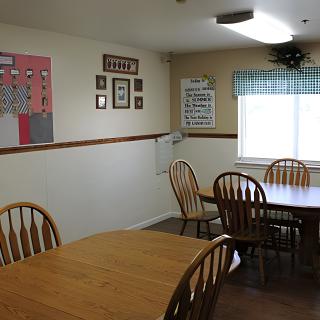
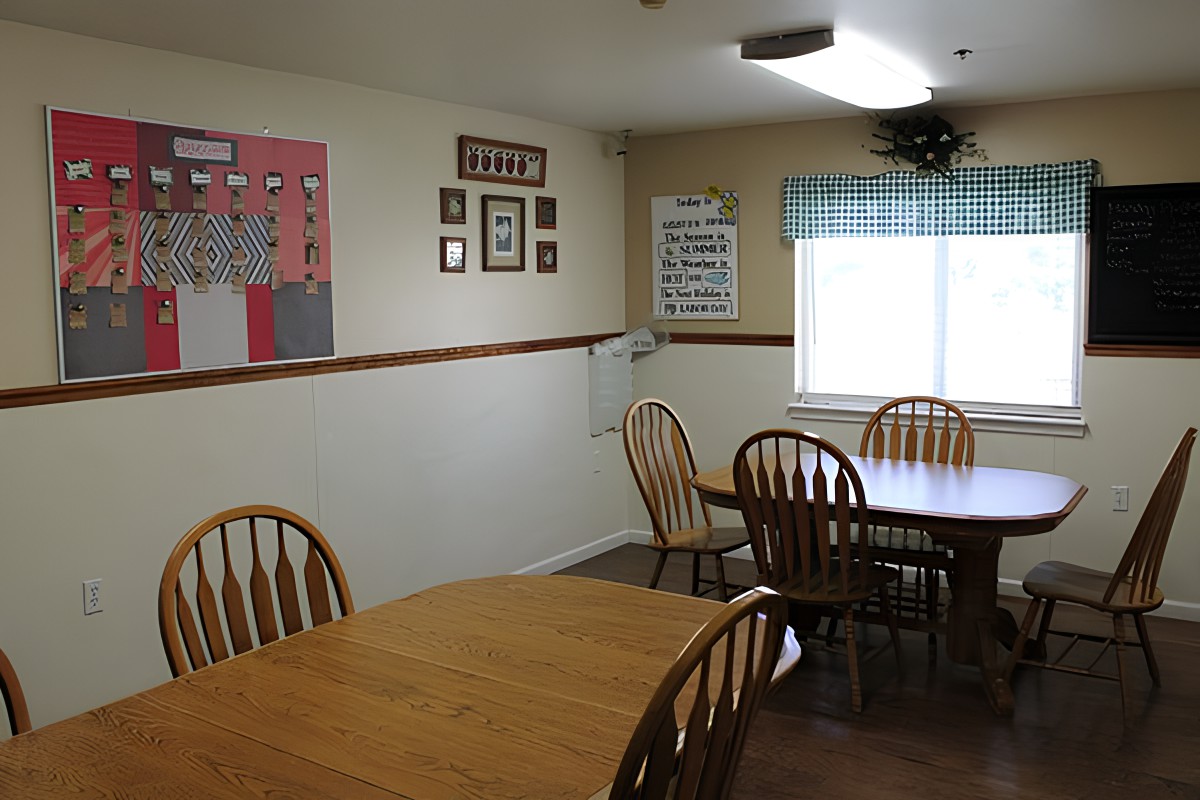
 Dining room
 Fully furnished
 Garden
 Housekeeping services
 Move-in coordination
 Outdoor space
 Respite or short term stays offered
 Telephone
 Wi-Fi/high-speed internet available
 24-hour supervision
 Activities of daily living assistance
 Ambulatory care
 Assistance with bathing
 Assistance with dressing
 Assistance with transfers
 Diabetes diet
 Meal preparation and service
 Medication management
 Special dietary restrictions
 Transportation arrangement (medical)
 Transportation to doctors appointments

 Estimating the Expenses of At-Home Dementia Care: A Detailed Exploration
 Comprehensive Insights on the Late Stages of Dementia: What to Expect and How to Provide Care
 Medications Associated with Dementia Risk: A Comprehensive Overview