
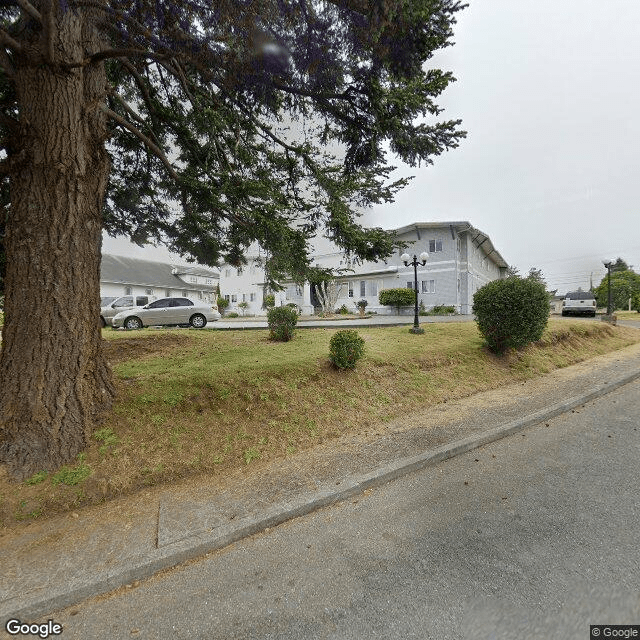
417 Fern St, Brookings, OR 97415
To contact a resident: (541) 469-5347
For more information about senior living options: (866) 208-4318
Overall Review of Chetco Inn
Pros
 They appreciate the affordable living in the area.
- They love turning their area into a tiny home.
- They value the pet-friendly policy, noting that pets are allowed.
Cons
 There is no kitchen in the room.
- The room is smaller in size than most people expect.
- It is described as a slimline cash cow.
- The manager is a felon and is loud and overbearing.
- There is a constant cough due to black mold and asbestos, and there is a leaking roof.
- It is not recommended and is at the low end financially.
- It is not a modern building; it was converted from apartments.
Review
Chetco Inn in Brookings, Oregon, is best suited for budget-conscious seniors who want a small, apartment-style living option and a high degree of personal autonomy. The community operates on a lean footprint, with room sizes closer to hotel accommodations than traditional assisted living. Residents can mold their space to fit a personal style, and the policy that welcomes pets adds meaningful value for animal lovers. For someone who prizes affordability and independence over resort-like amenity levels, this setting can feel workable and familiar rather than clinical or restrictive.
That said, there are clear reasons families should consider alternatives. The property is clearly older and was converted from a collection of apartments rather than built from the ground up as an assisted living community. It lacks the polished, purpose-built design that many care-focused facilities offer, and this matters when safety and ease of daily routines are priorities. A number of residents and observers voice concerns about the on-site management, suggesting a potential mismatch between the level of oversight expected in a care environment and what is actually provided here.
The strongest selling points, affordability, compact footprint, and the ability to customize a living area, do not fully neutralize the primary drawbacks. For families watching every dollar, the lower rent can be a compelling anchor, but it comes with trade-offs: no in-room kitchen means meals or groceries must be sourced externally or through limited on-site options, and the overall infrastructure is not designed to support the needs of someone requiring consistent assistance or medical oversight. The smaller-scale setting can foster a sense of independence, yet it also amplifies the impact of any maintenance or environmental concerns.
Environmental and managerial concerns, as highlighted by several reviewers, complicate the decision. Reports of ongoing mold or asbestos exposure, a leaking roof, and a loud, overbearing manager paint a troubling picture for anyone sensitive to health and safety. Even if these issues are not universally experienced, they have a real effect on day-to-day quality of life, limited predictability, and peace of mind for families considering long-term placement. The building’s older design and conversion status contribute to questions about reliable maintenance, timely repairs, and the consistency of routine services that typically come with formal assisted living.
From a financial planning perspective, the dynamic is nuanced. The apparent affordability is attractive, but potential residents should scrutinize what is included in the rent and what will incur additional charges for meals, utilities, housekeeping, or transportation. The “you get what you make of it” ethos can reward self-sufficiency, yet it also places more responsibility on residents and families to navigate logistics, and it may leave those needing more structured support feeling underserved. Prospective movers must weigh the lower price against the risk of insufficient oversight and the possibility of higher out-of-pocket costs for anything beyond basic lodging.
In the final assessment, Chetco Inn fits a specific, pragmatic niche: an extremely budget-minded resident who values autonomy, a pet-friendly policy, and a flexible living approach, while being comfortable with an older building and limited on-site care. It is not a fit for seniors who require consistent assistance, formalized programming, or robust environmental and maintenance safeguards. Families should proceed with disciplined due diligence: request a tour and observe the facility with questions in hand, verify the manager’s background and approach, inspect for any signs of mold or disrepair, ask about maintenance response times, review lease terms carefully, and speak with current residents about daily routines and safety. If these checks reveal acceptable risk and a tolerable level of autonomy, Chetco Inn can serve as an affordable entry point into independent-living senior housing. If not, the search should pivot toward newer, purpose-built facilities offering clearer care pathways and more predictable operations.
 Assisted Living
 Activities on-site
 Devotional services off-site
 Indoor common areas
 Jack McNamara (19 miles away)
 Ambulatory care
 Diabetic care
 Meals provided



 Comprehensive Insights into Activities of Daily Living (ADLs) and Their Assessment
 Guiding Elderly Parents Who Refuse Assisted Living: 6 Practical Steps
 Your Comprehensive Guide to Luxury Assisted Living: Elevated Facilities, Amenities, and Costs