
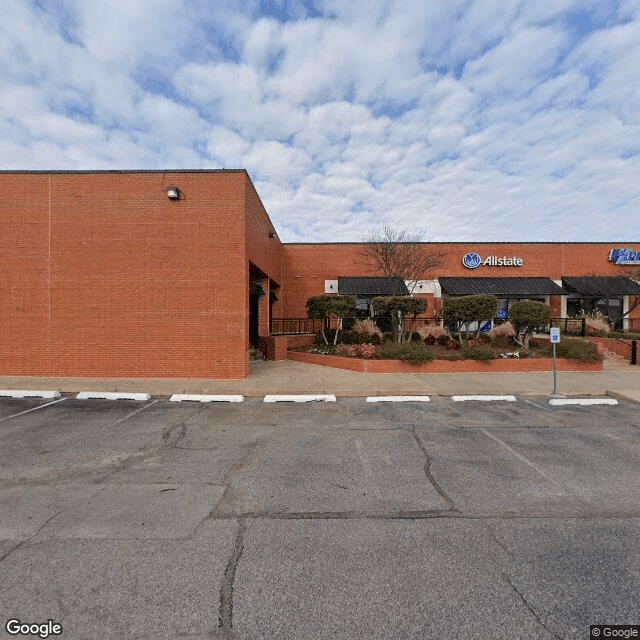
3601 S. Broadway Ext., Suite 650, Edmond, OK 73013
To contact a resident: (405) 242-5300
For more information about senior living options: (866) 208-4318
Overall Review of Comfort Keepers #897
Pros
 The team at ComForCare was always there, never missing a visit, and genuinely cared for their mother.
- Caregivers came on off-hours to hold her hand and express their love.
- The family was touched by the caregivers' very genuine expression of love.
- The staff were wonderful overall, providing help with meals, dishes, laundry, bed making, and more.
- The owner was kind, informative, and answered all questions, showing professionalism.
- The agency found one excellent caregiver and two very good caregivers to help for 10 hours a day.
- The home has been the house of comfort and truly lives up to its name.
Cons
 The agency did not understand what dementia patients needed.
- They sent a different caregiver every day, which confused the loved one.
- One nurse did not understand English and was not allowed back.
- Communication among the office staff needed improvement.
- A receipt for the first payment was never provided.
Review
Comfort Keepers #897 in Edmond, OK is best suited for families seeking a hands-on, at-home care approach where the elder benefits from consistent, compassionate caregivers who assist with meals, light housekeeping, laundry, and day-to-day personal care. The standout value is the genuine connection caregivers build with clients, reliable staff who show up, stay engaged, and even extend care during difficult moments, such as near the end of life when a hand to hold or a familiar, caring presence matters most. This option works well for those who want in-home support with meaningful interpersonal warmth and practical help that keeps daily routines intact.
Those who may want to consider alternatives are clear: families whose priorities include absolute staffing predictability and dementia-specific programming delivered by a dedicated, uniform team. An uneven caregiver schedule, where a different person appears day after day, can disrupt routines and confuse memory-care clients. Language compatibility also matters; at least one caregiver’s limited English created communication hurdles that complicate care instructions and daily tasks. Additionally, administrative reliability is a factor; reports of missing receipts for initial payments raise concerns about billing clarity and transparency. For these reasons, families prioritizing administrative precision and highly predictable, dementia-focused care may find stronger alignment elsewhere.
On the upside, the core strengths are tangible and impactful. The care team’s reliability, caregivers who do not miss visits, who handle meals, dishes, laundry, and bed-making, and who push beyond the call of duty when circumstances demand, creates a stable sense of security for both elders and their families. The willingness of staff to invest emotionally, including moments of solace and affection during end-of-life phases, underscores a culture of genuine care. When a stable, empathetic caregiving presence is achieved, the practical benefits compound: fewer daily burdens, better adherence to routines, and a smoother caregiving journey overall.
However, the main cons cannot be ignored. Dementia care benefits from steadiness and specialized training, and the reality of rotating caregivers undermines this need, often leading to confusion for the elder and a less cohesive care plan. Communication gaps, whether caused by language barriers or inconsistent office coordination, tend to amplify dissatisfaction and erode trust. Administrative friction, such as missing receipts and unclear billing processes, further destabilizes the relationship between family and agency. In aggregate, these drawbacks can offset the emotional warmth and hands-on support that define Comfort Keepers, particularly for families navigating memory care complexities.
Practical steps emerge for families evaluating Comfort Keepers. Request a primary caregiver with a predictable schedule, or at least a clearly defined rotation that minimizes exposure to new faces. Obtain a written, detailed care plan outlining daily routines, meal support, and hygiene tasks. Confirm a transparent billing process with receipts provided promptly and consistently. Probe the agency’s dementia training standards and their approach to continuity of care, and verify language compatibility among the top caregivers. Finally, insist on a trial period to assess reliability, communication, and the quality of interactions in real-world conditions before committing long-term.
The bottom line is straightforward. Comfort Keepers #897 can be a strong fit for families who prize warm, hands-on, elder-centered care delivered in the home, along with meaningful daily support and extended visit windows. Success hinges on staffing stability and administrative clarity. If the team can guarantee a steady caregiver lineup, transparent billing, and adequate dementia-capable support, this option belongs high on the shortlist. If not, or if dementia-specific needs demand highly predictable staffing and flawless admin, exploring alternatives, including other home-care providers or facility-based options, will reduce risk and better align outcomes with the elder’s needs and the family’s expectations.
 Will Rogers World (17 miles away)





 9 Stimulating Memory Activities for Seniors: Puzzles, Cards, and Much More
 Managing Nursing Home Expenses After Medicare Coverage Ends
 Is a Geriatric Care Manager the Right Choice for Your Family?