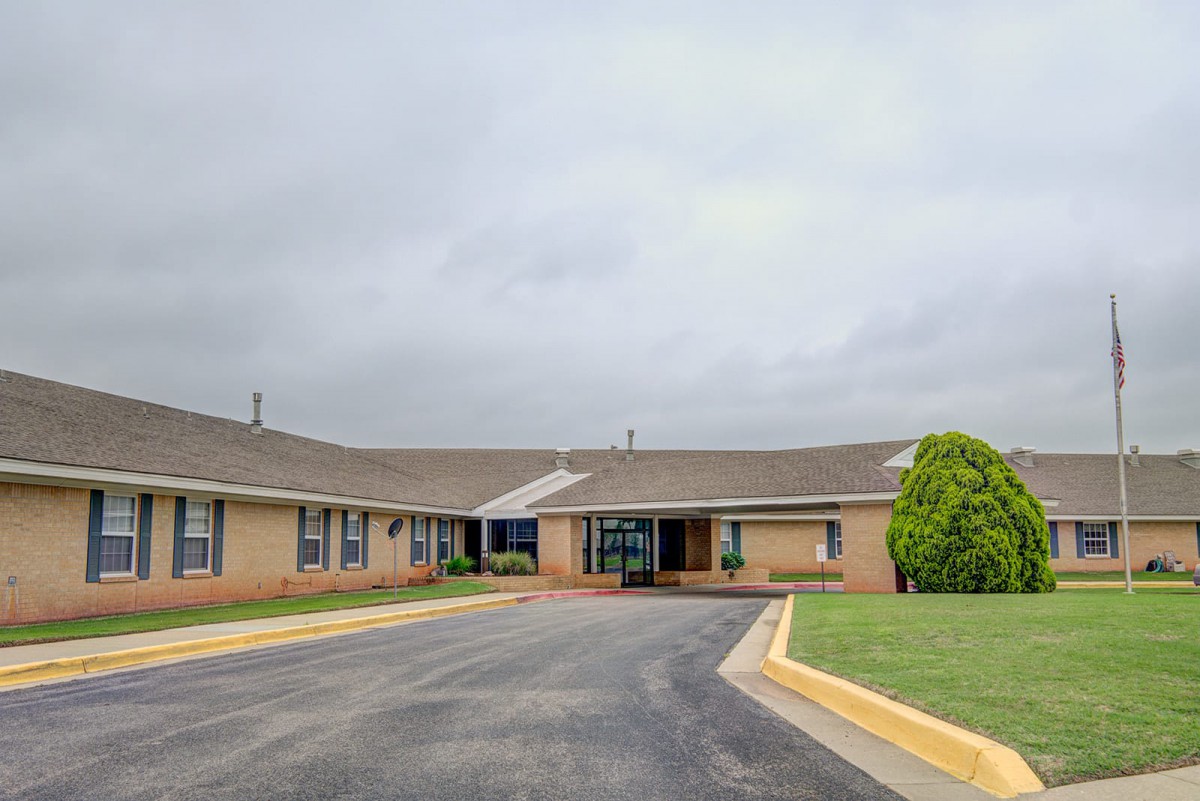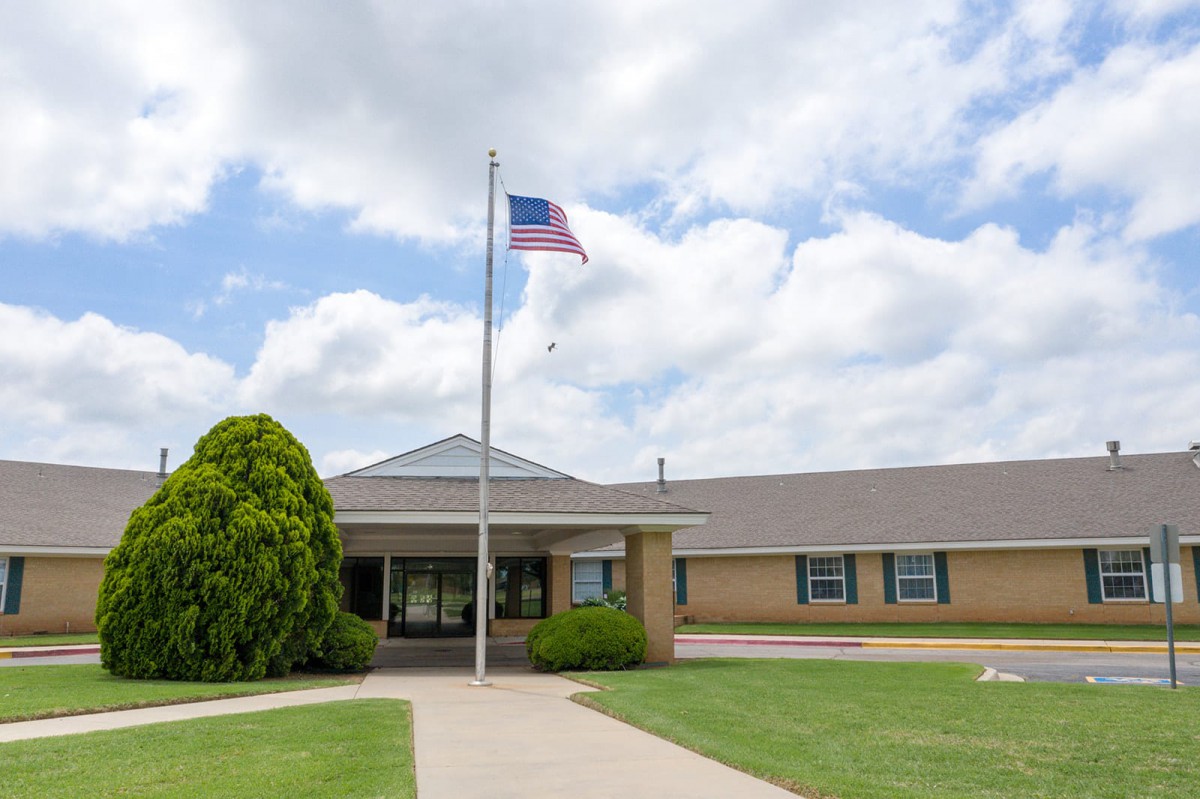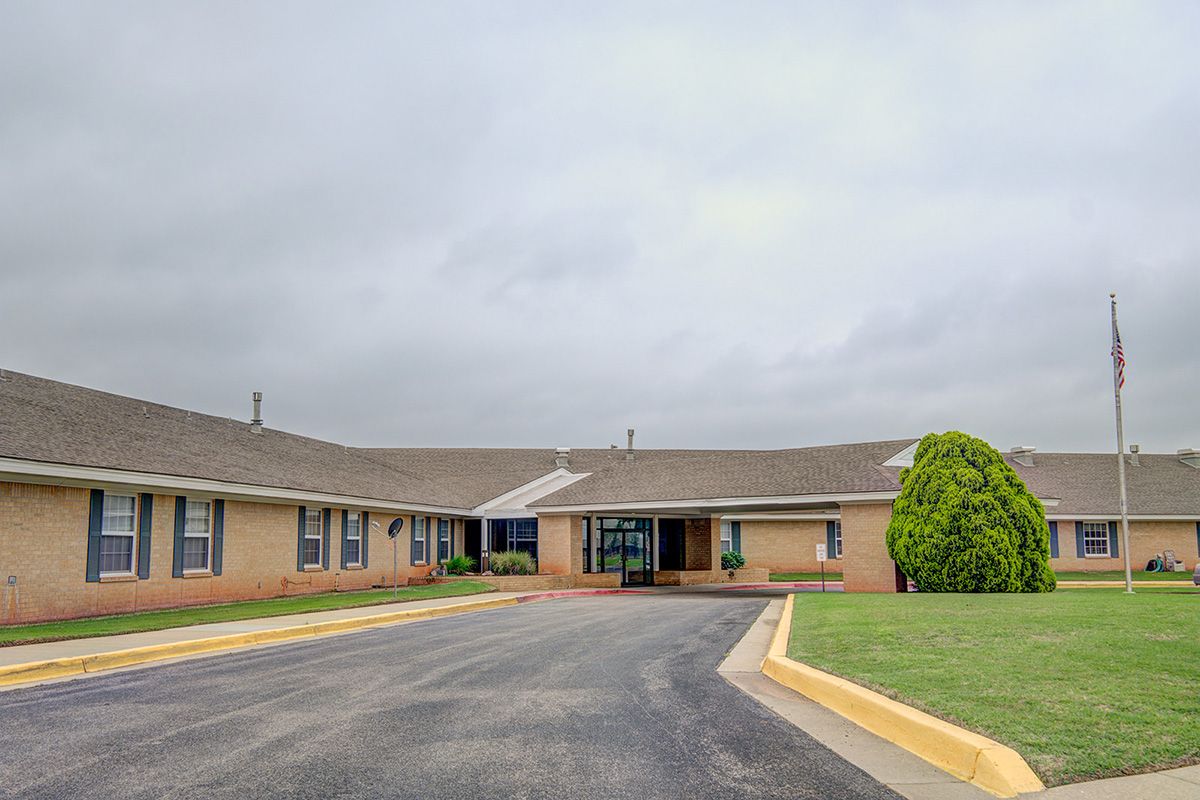
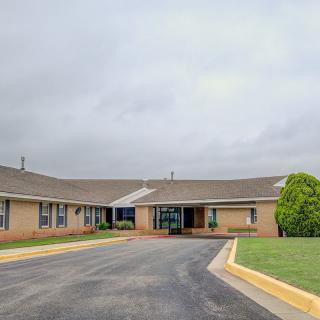
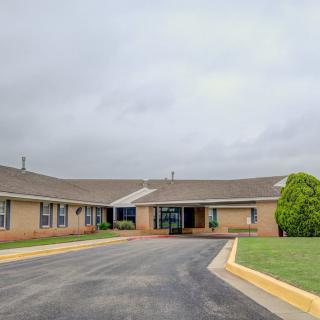
3200 Hayes Ave, Clinton, OK 73601
To contact a resident: (580) 323-0990
For more information about senior living options: (866) 208-4318
Homestead of Clinton Costs & Pricing
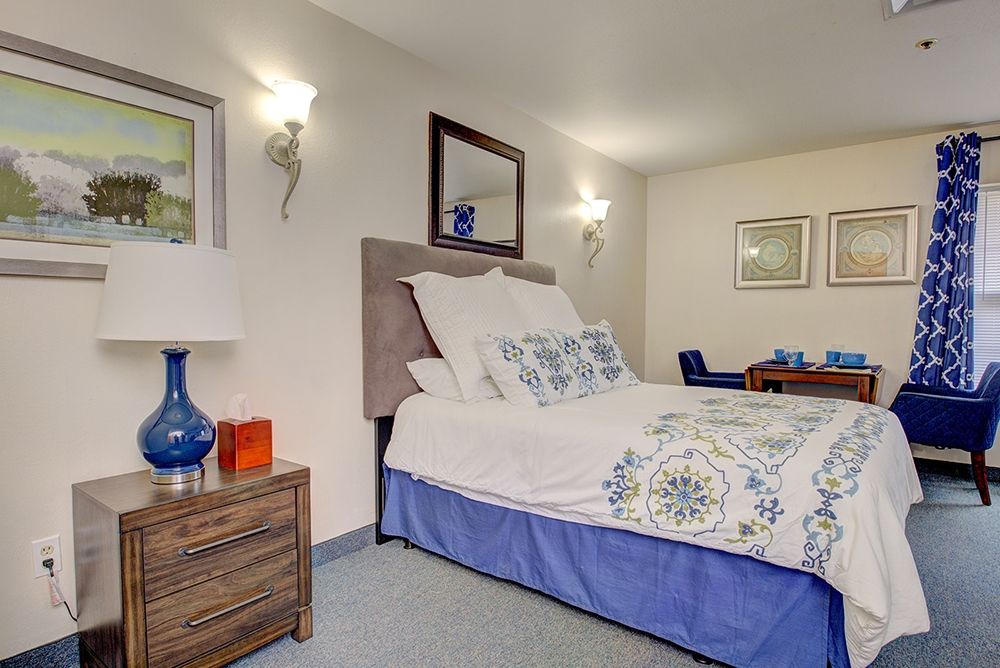
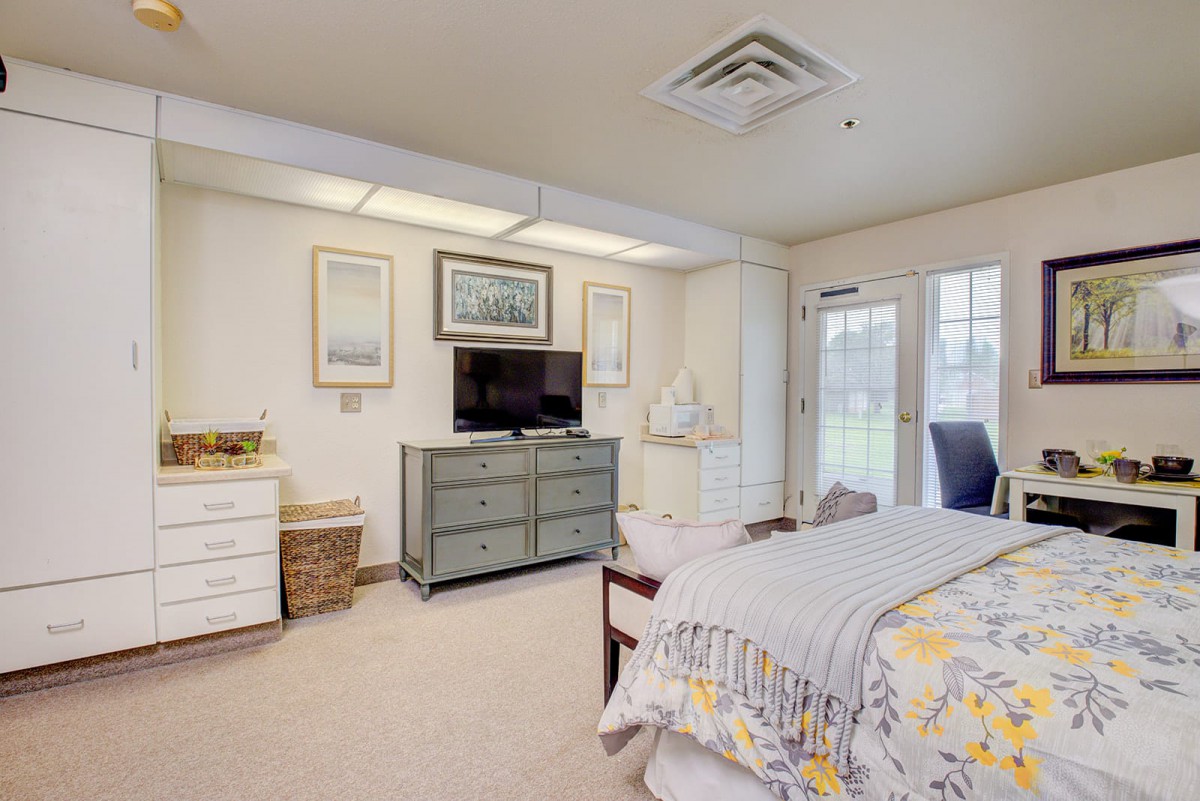
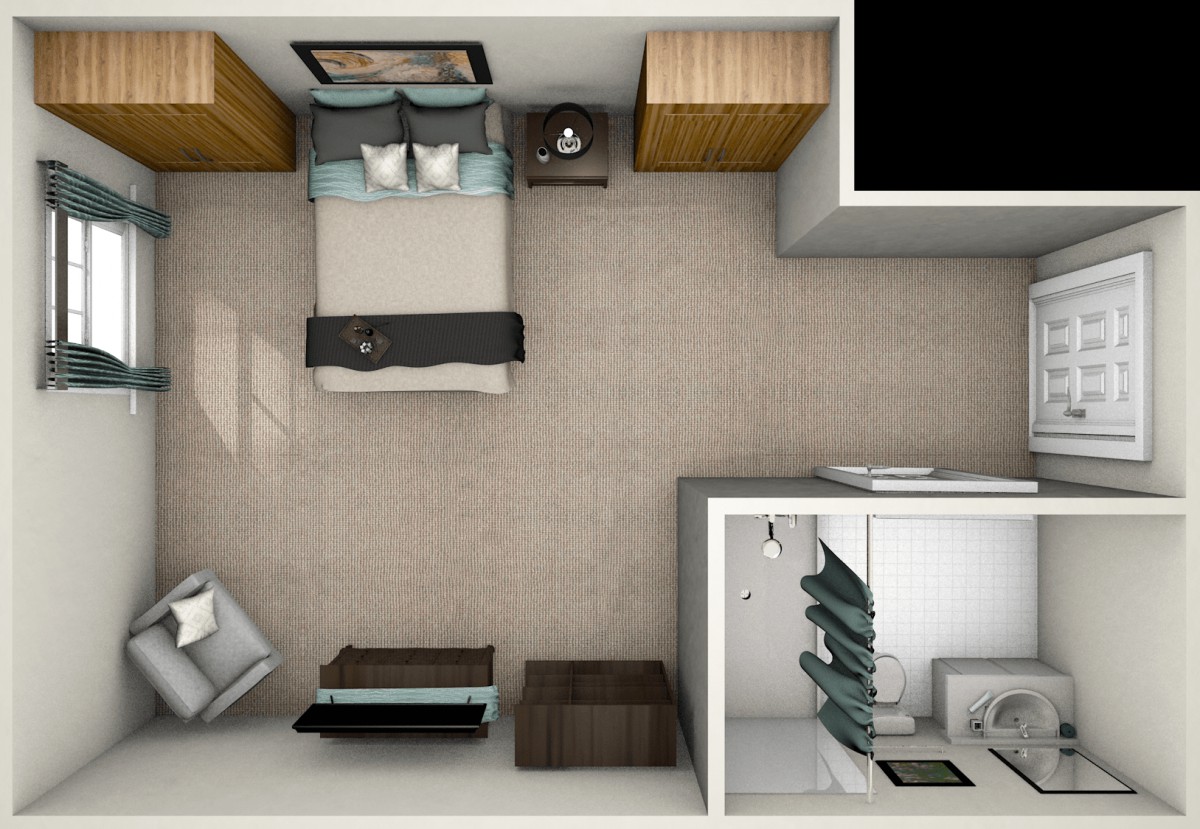
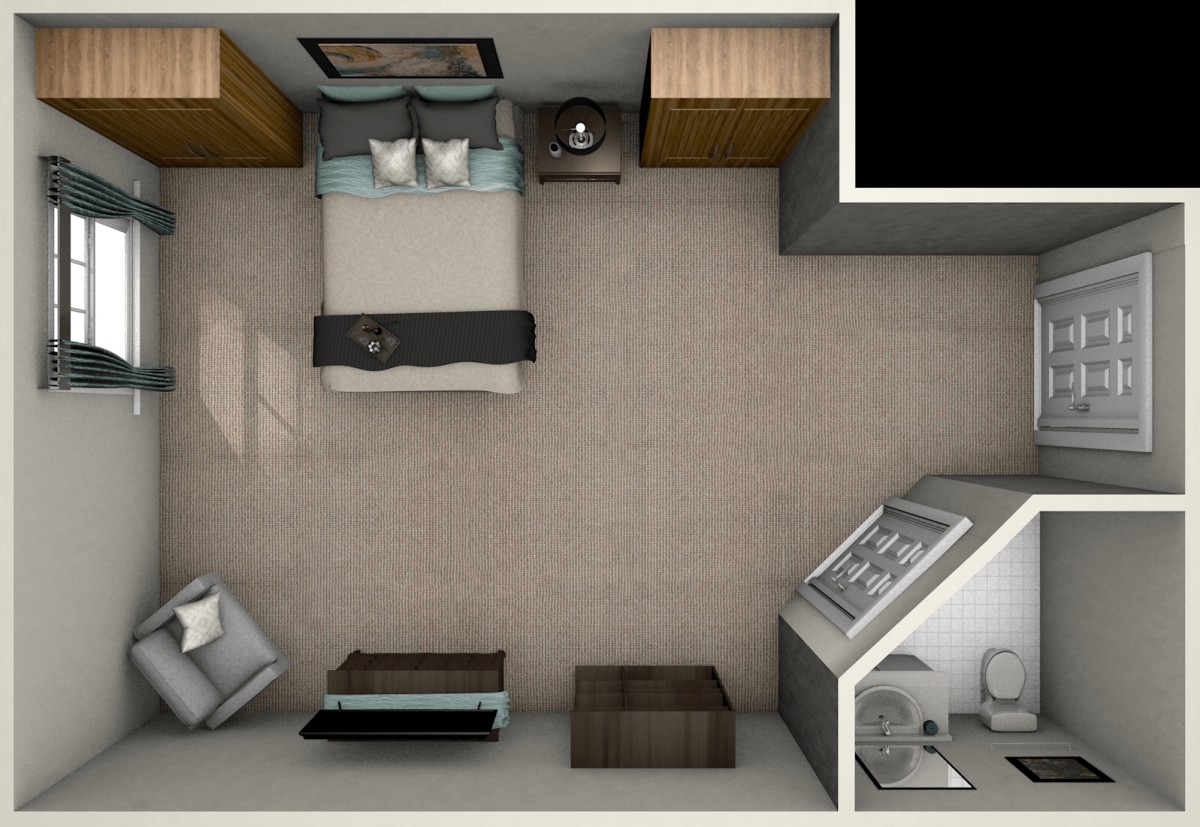
Homestead of Clinton offers competitively priced accommodations that stand out in both Washita County and the broader context of Oklahoma's senior living market. With semi-private rooms available for $1,950 per month, Homestead aligns closely with the county's average while significantly undercutting the state average of $4,053. Studio apartments are priced at $2,350, which is slightly below Washita County's average of $2,545 and considerably more affordable than Oklahoma's statewide average of $3,629. These pricing structures not only reflect a commitment to providing accessible care but also position Homestead of Clinton as an attractive option for families seeking quality senior living solutions without compromising on affordability.
| Floor plans | Homestead of Clinton | Washita County | Oklahoma |
|---|---|---|---|
| Semi-Private | $1,950 | $1,950 | $4,053 |
| Studio | $2,350 | $2,545 | $3,629 |
Overall Review of Homestead of Clinton
Pros
 The staff and residents are amazing.
- The facility feels like a home away from home and is very welcoming.
- The place smells pleasant and is well maintained.
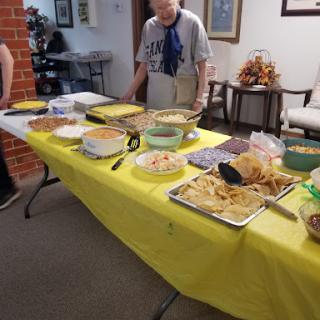
- The food is amazing and the atmosphere makes residents feel at home.
- The staff are friendly, smiling, and easy to communicate with; the overall experience is outstanding.
- Angelwood is an immaculate facility with caring staff, a strong sense of community, and plenty of engaging activities.
- Care at Angelwood is excellent and compassionate, and families are very happy with their loved ones' care.
Cons
 The reviewer was very disappointed with a friend's care, noting swollen legs, inadequate bathing, and belongings left in trash bags.
 - The reviewer reported not being paid for shifts, lacking a W-2, and described management as untrustworthy and abusive.
- The reviewer pointed out that the facility did not have a locked memory care unit, which was needed for their dad.
- The reviewer observed repeated electrical outages during the resident’s stay.
- The reviewer described the overall experience as disappointing.
Review
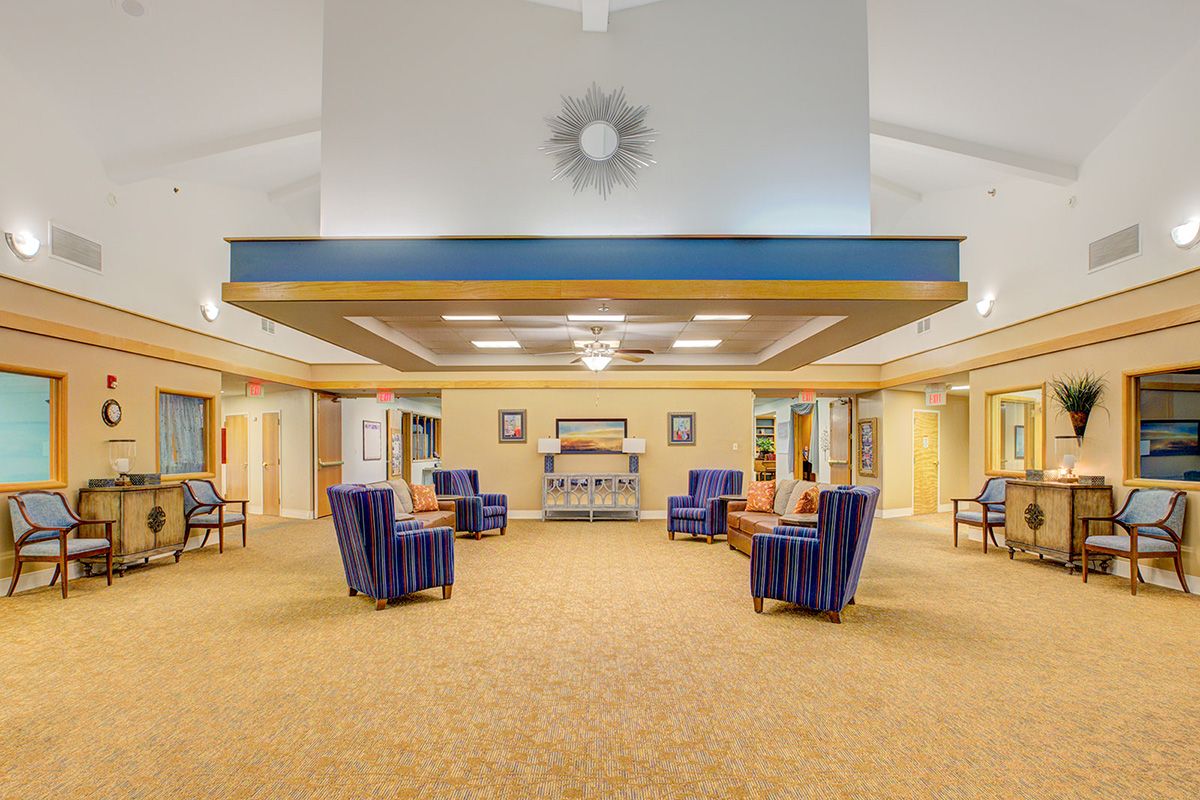
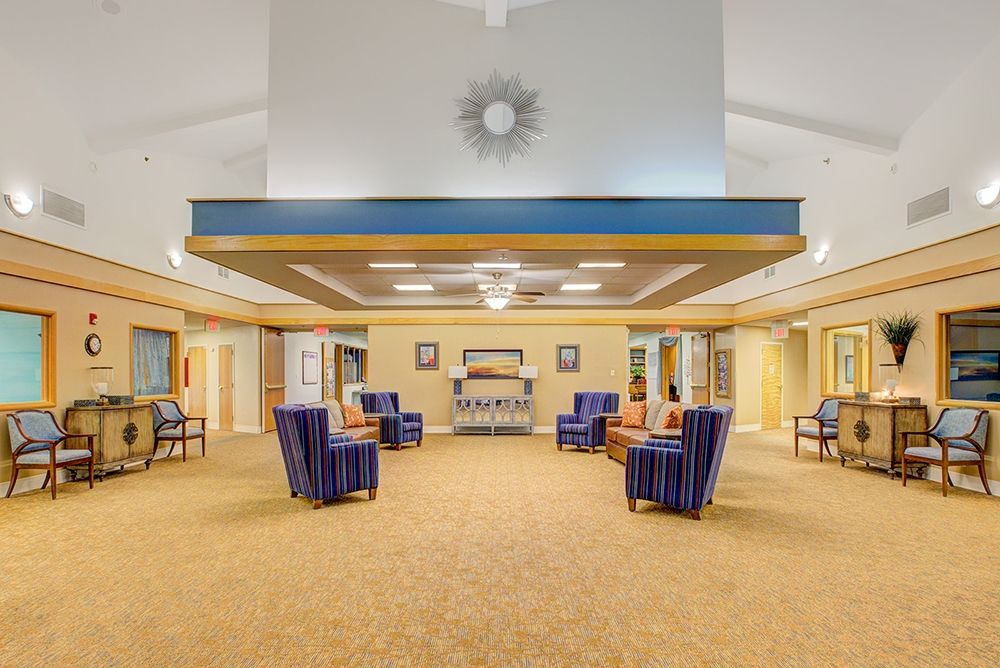
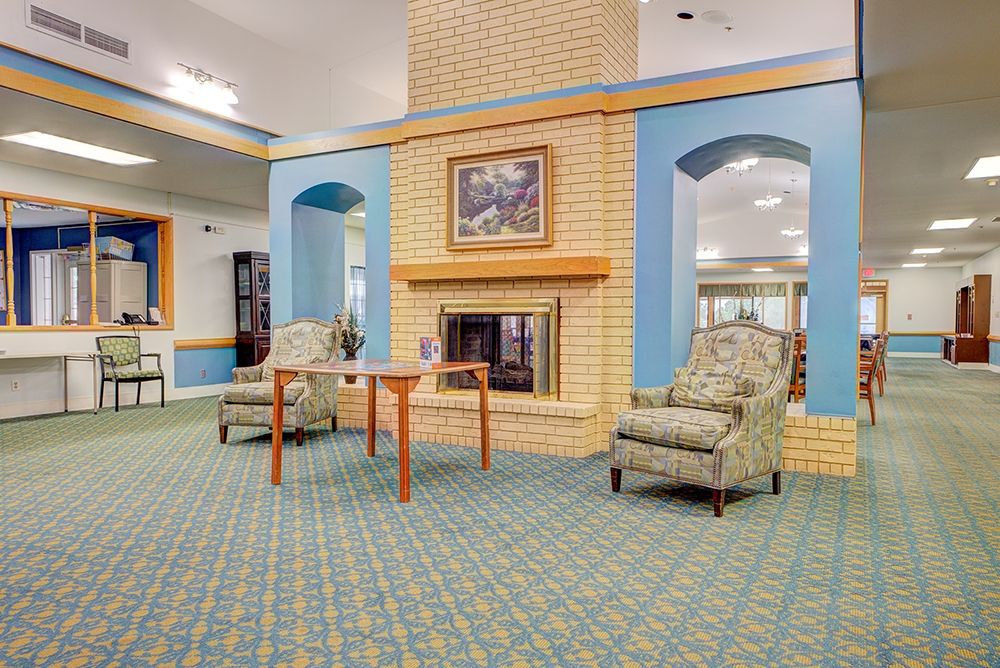
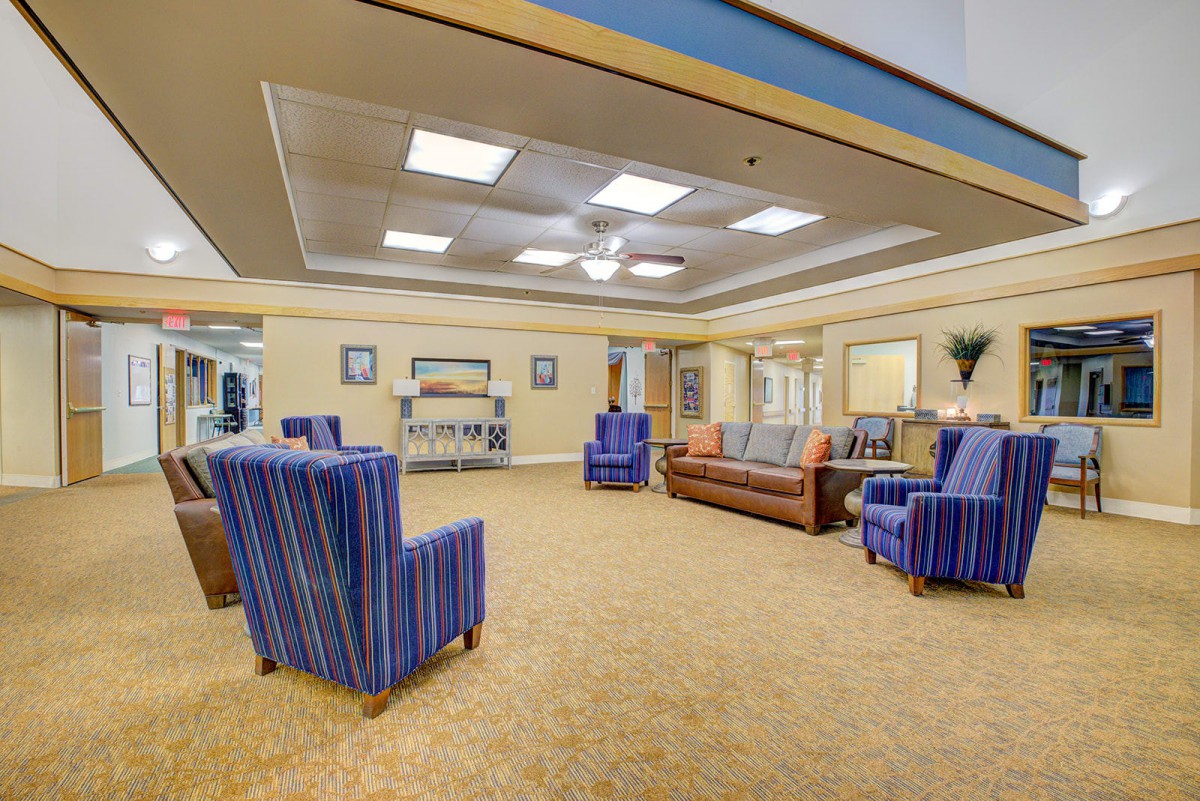
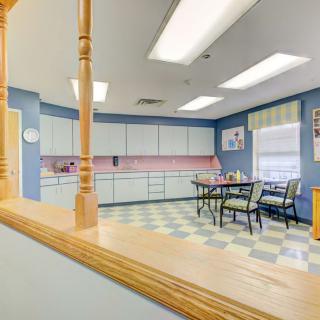
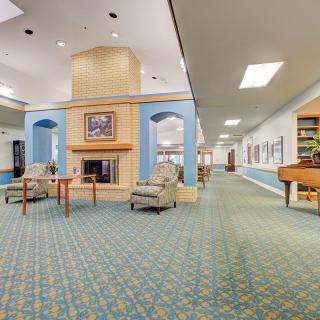
Homestead of Clinton is best suited for seniors who want a warm, home-like assisted living experience with consistently friendly staff, engaging daily activities, and a clean, odor-free environment. It works well for residents who value personal touches, such as family-style events, accessible managers, and a facility that feels more like a welcoming community than a clinical setting. Families prioritizing strong social programming, dependable meals, and a spirit of genuine care will find this community aligns with those expectations. It is especially appealing for residents who do not require a locked memory-care unit but still need regular assistance with daily living tasks and companionship to stay socially engaged.
Those considering alternatives should note a few clear caveats. For families managing memory impairment at a level that requires secure, locked dementia care, the absence of a dedicated memory-care unit is a meaningful gap. In addition, one troubling incident cited a resident not being bathed adequately and belongings mishandled during an earlier transition, underscoring the importance of stringent oversight and clear communication about care routines. Another line of concern centers on non-clinical operational issues raised by former staff, pointing to potential inconsistencies in payroll and administration. For families with high sensitivity to flawless day-to-day oversight or to systemic reliability, exploring other communities with explicit memory-care safeguards and a track record of airtight administrative processes is prudent.
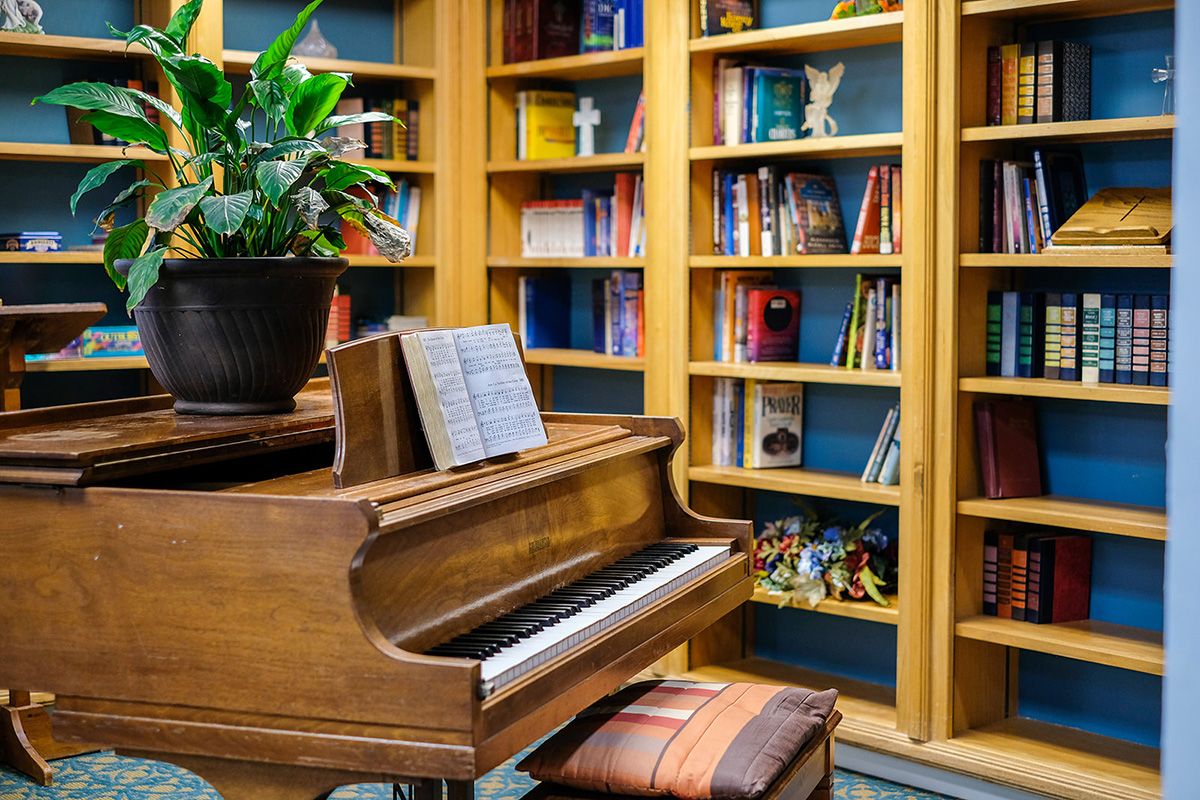
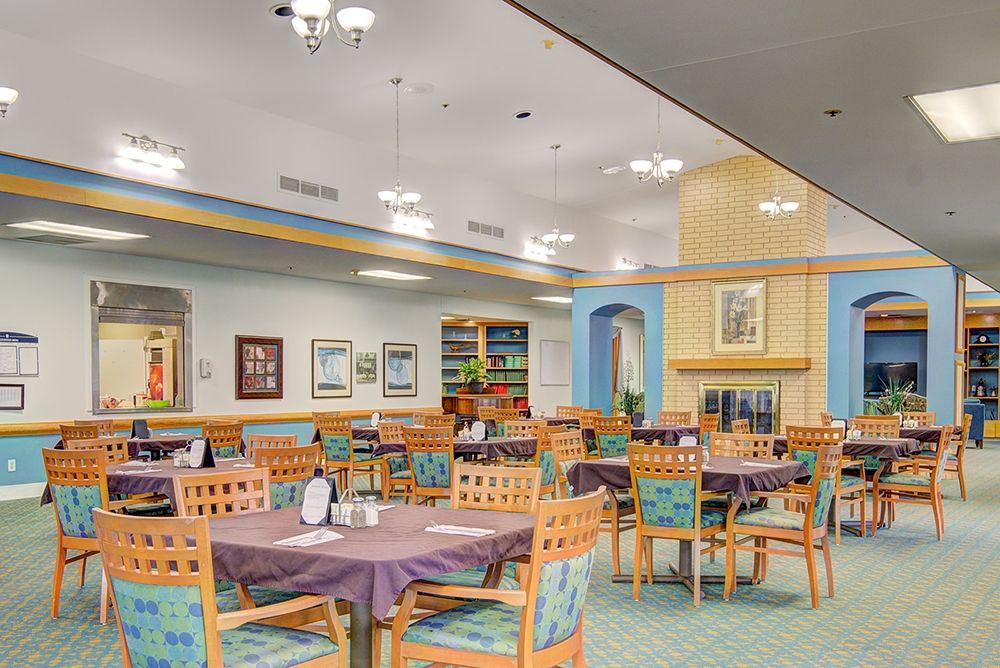
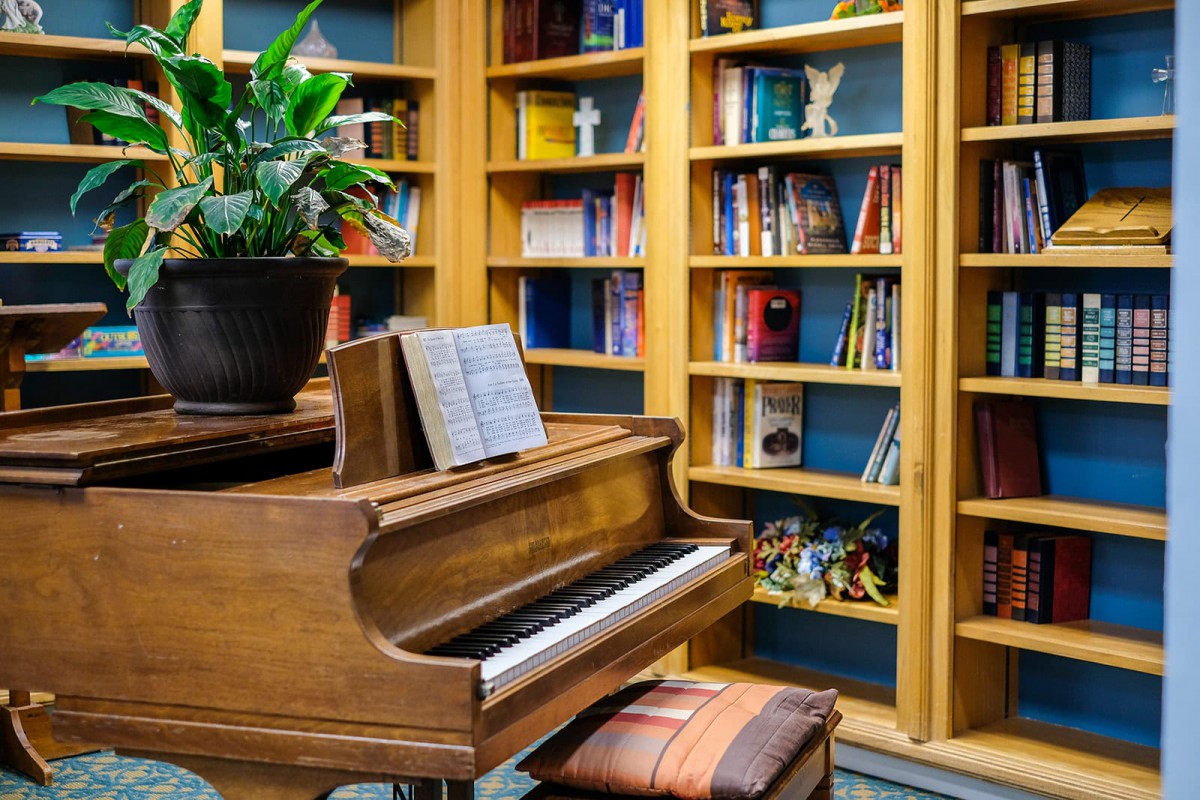
The strongest advantages revolve around the lived experience inside the walls. The environment is frequently described as welcoming and “home-like,” with staff described as friendly, attentive, and reliably positive. The facility tends to smell fresh rather than medicated or stale, a detail that repeatedly signals good housekeeping and a culture that prioritizes resident comfort. Food receives consistent praise, and the calendar of activities, ranging from social gatherings to hands-on crafts and personal care moments like nails and beading, helps residents stay engaged. There is a palpable sense of community during family nights and informal interactions, which translates into residents appearing content, well cared for, and connected to others.
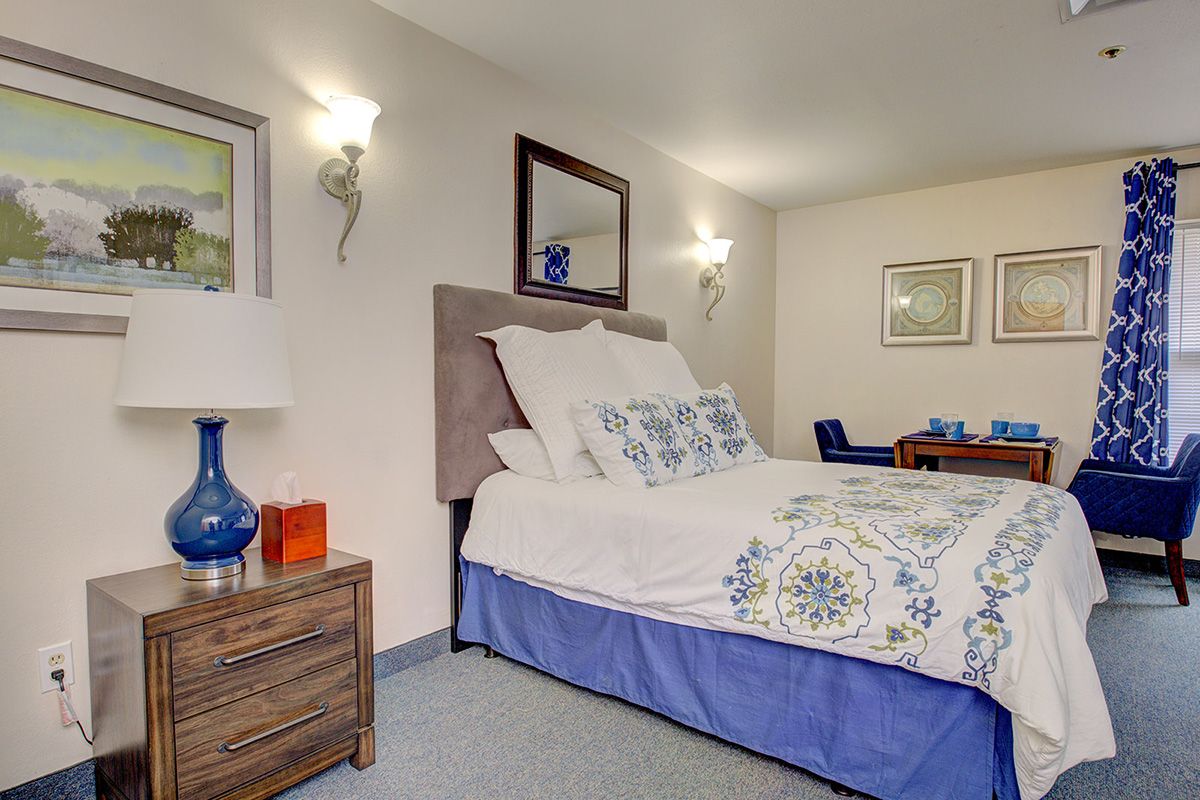
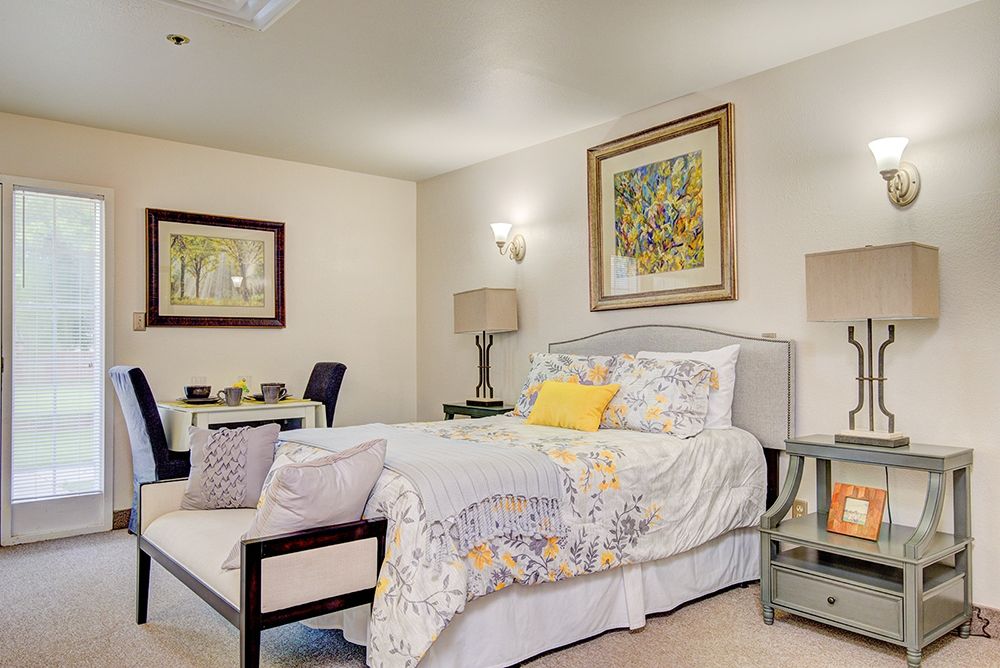
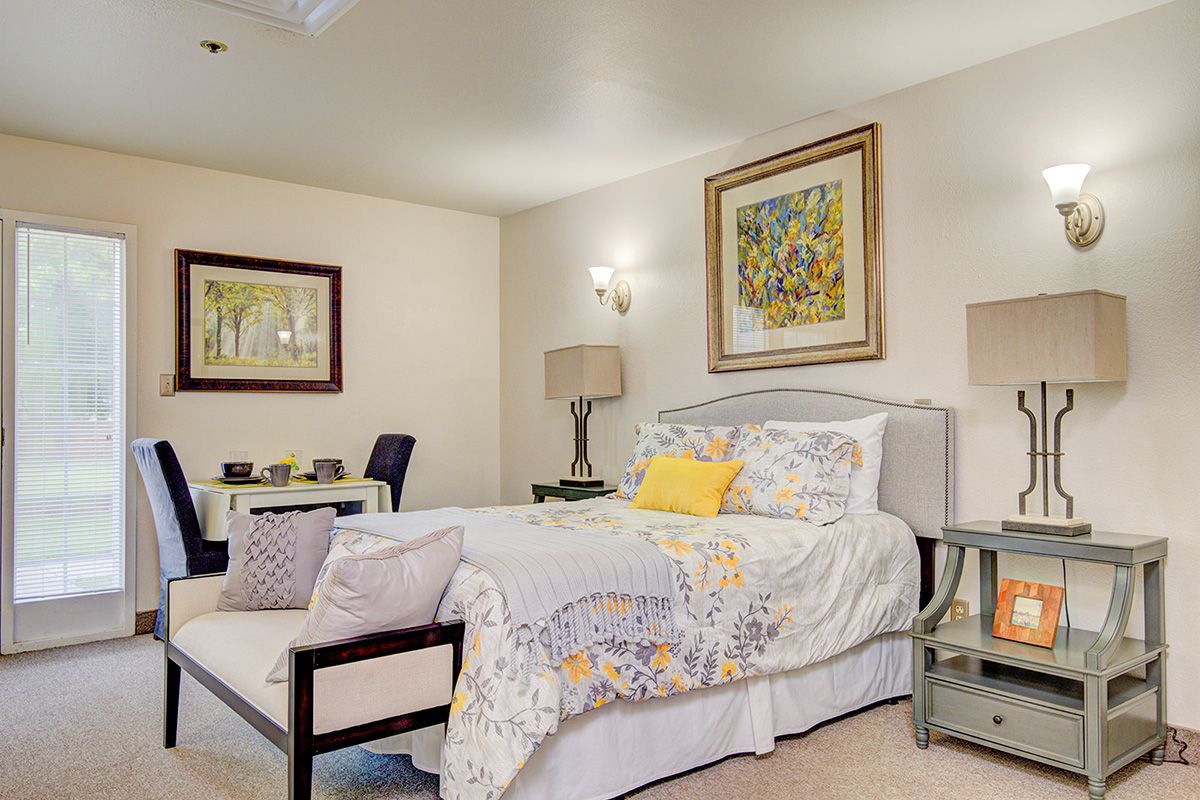
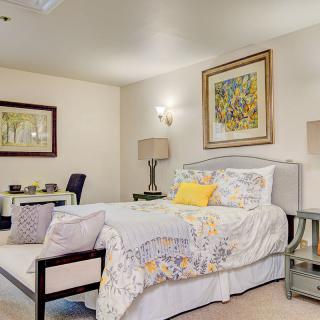
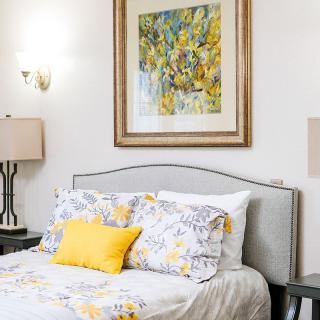
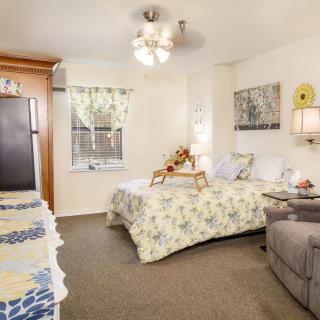
Operational strengths also show up in how the team communicates and manages daily life. Managers and caregivers who are approachable and willing to coordinate with families contribute to smoother transitions and ongoing care planning. The building and rooms tend to be well maintained, with residents able to personalize spaces with familiar mementos and photos, reinforcing a sense of continuity with home. Even in scenarios where storms disrupt electricity, backup systems help maintain comfortable conditions, reflecting a preparedness that adds a layer of reassurance for families who worry about weather-related interruptions.
Clinically, the care level appears solid for typical assisted-living needs: assistance with mobility, daily routines, and timely support with meals and activities. Yet the absence of a dedicated memory-care wing means families must weigh this option against nearby communities that offer secured dementia programming if memory issues are central to the decision. The standout positives, staff warmth, cleanliness, and an engaged activity slate, offset many inconveniences, but the documented lapses in a specific resident’s care and the HR-related concerns cited by former staff cannot be dismissed. Prospective families should probe into staffing ratios, care supervision, and incident-response protocols to ensure that the quality of care remains consistent day to day.
Bottom line: Homestead of Clinton stands out as a practical, well-regarded choice for families seeking a welcoming, active, and clean environment with genuinely caring staff. It is a particularly compelling fit for residents who do not require locked memory care and who thrive in a social, home-like setting with reliable daily routines and strong family engagement. For those with advanced memory needs, or for families prioritizing absolute assurance in administrative stability and flawless episodic care, exploring alternatives with explicit memory-care options and documented incident-management records is advisable. Careful due diligence, meeting the caregiving team, reviewing care plans, and observing a trial period if possible, will ensure the choice aligns with both safety and quality expectations.
 45 resident community capacity
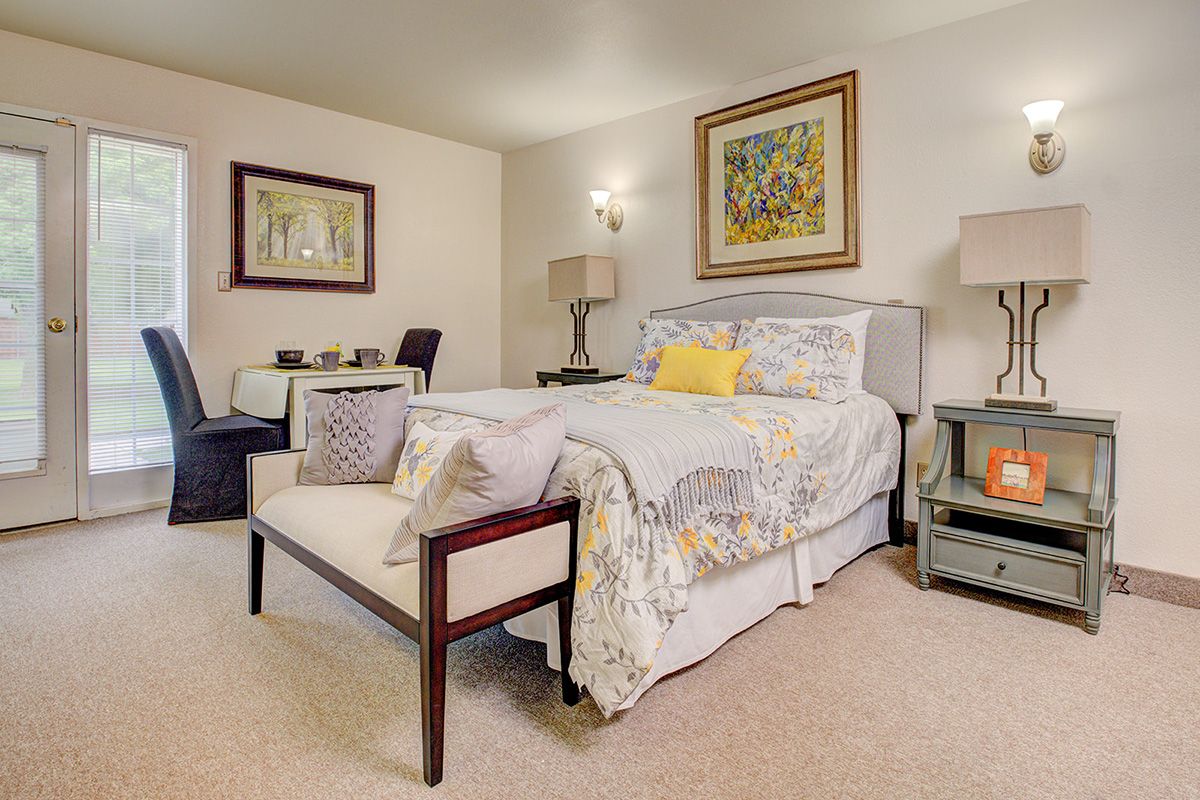
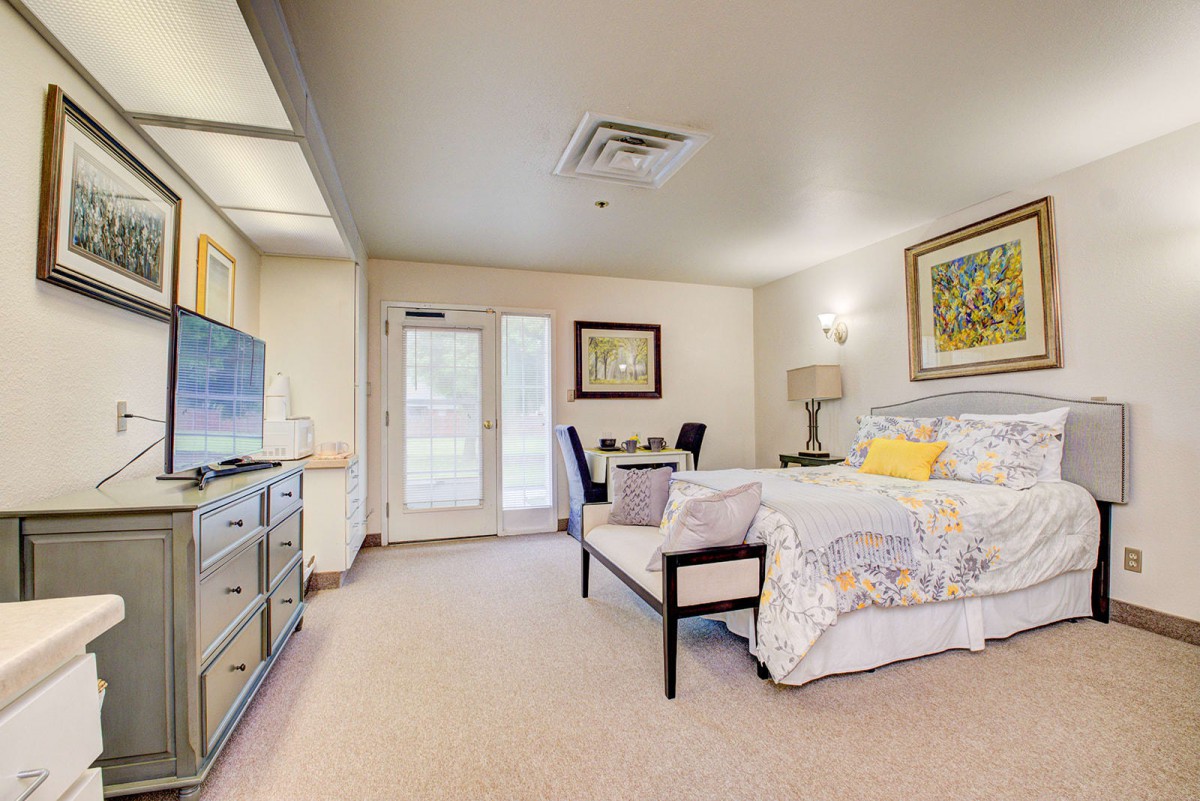
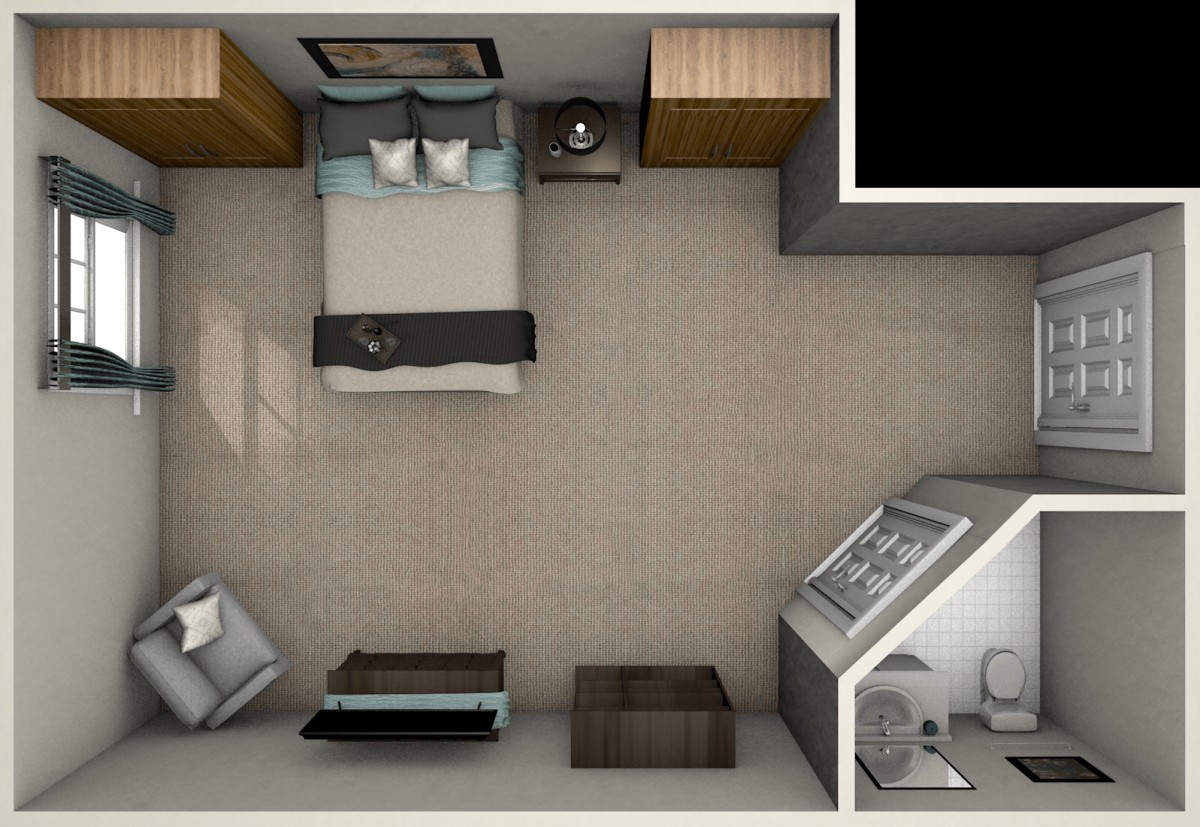
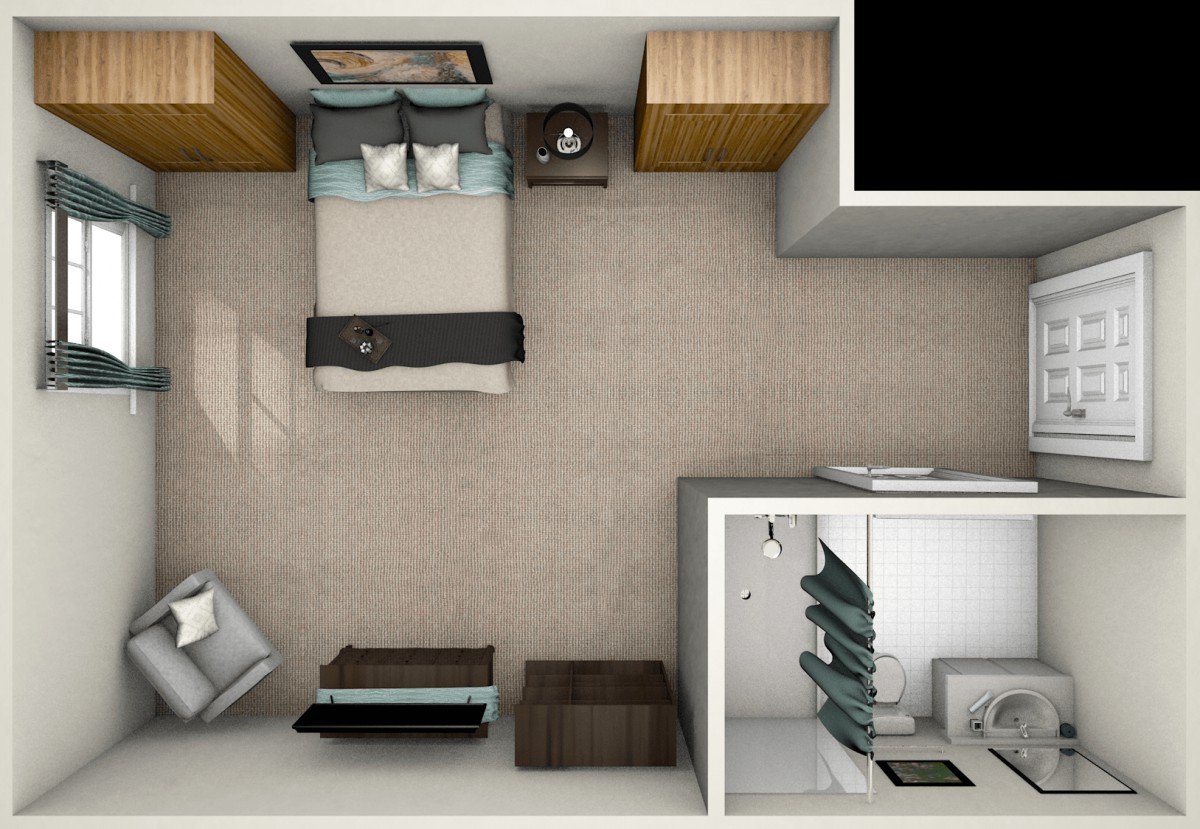
 Studio apartments
 Assisted Living
 Skilled Nursing Facility
 Cats allowed
 Dogs allowed
 Activities off-site
 Air-conditioning
 Bath tubs
 Beautician on-site
 Cable or satellite TV
 Devotional services off-site
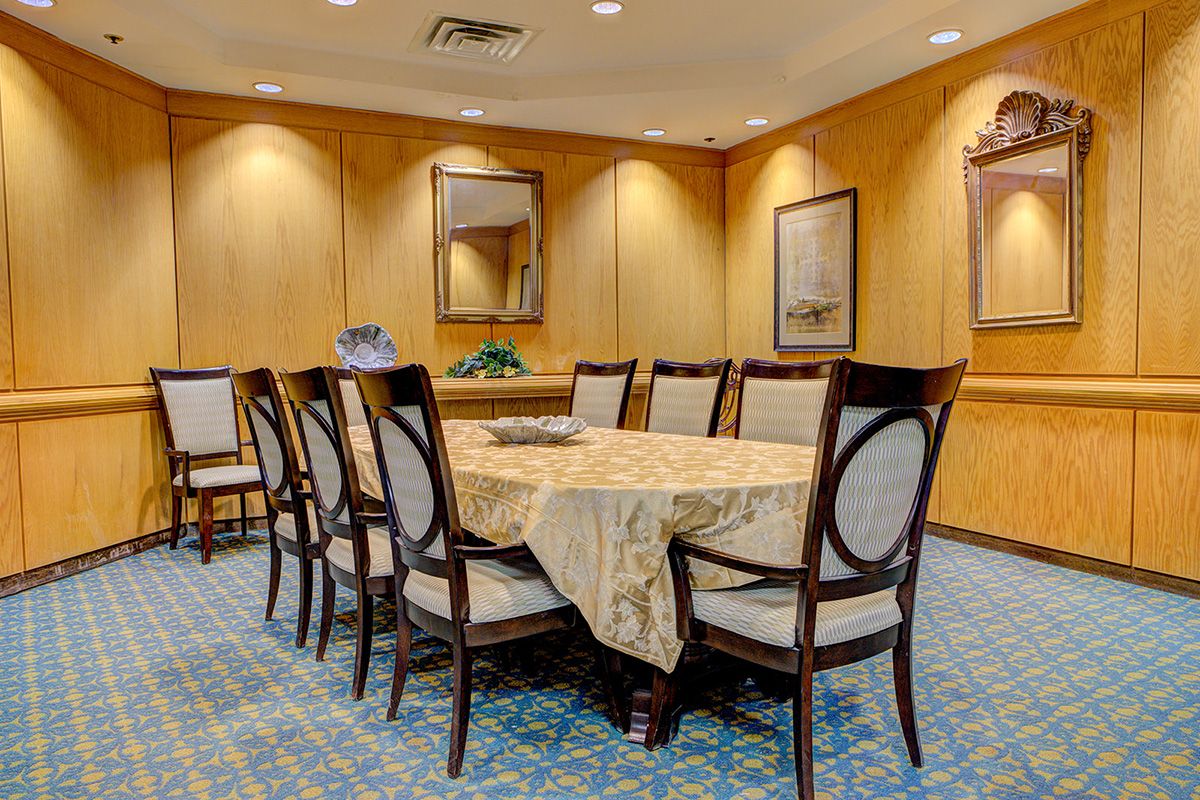
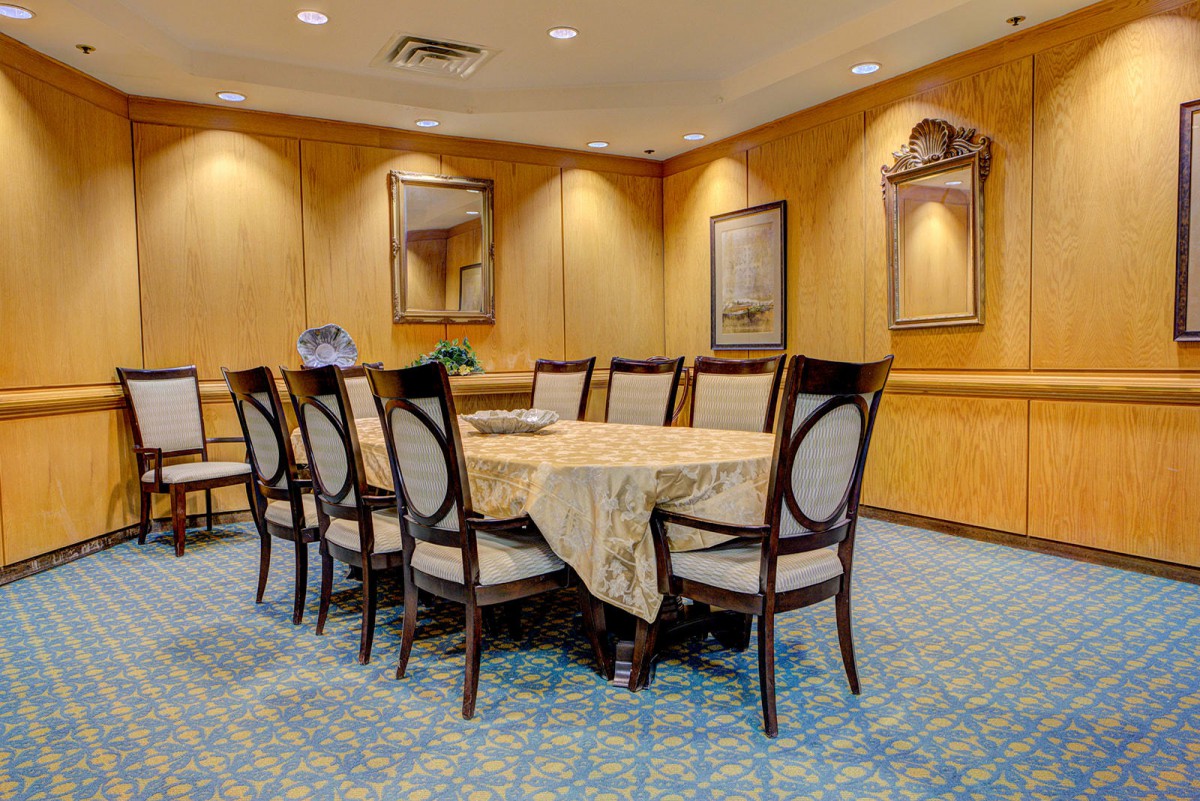
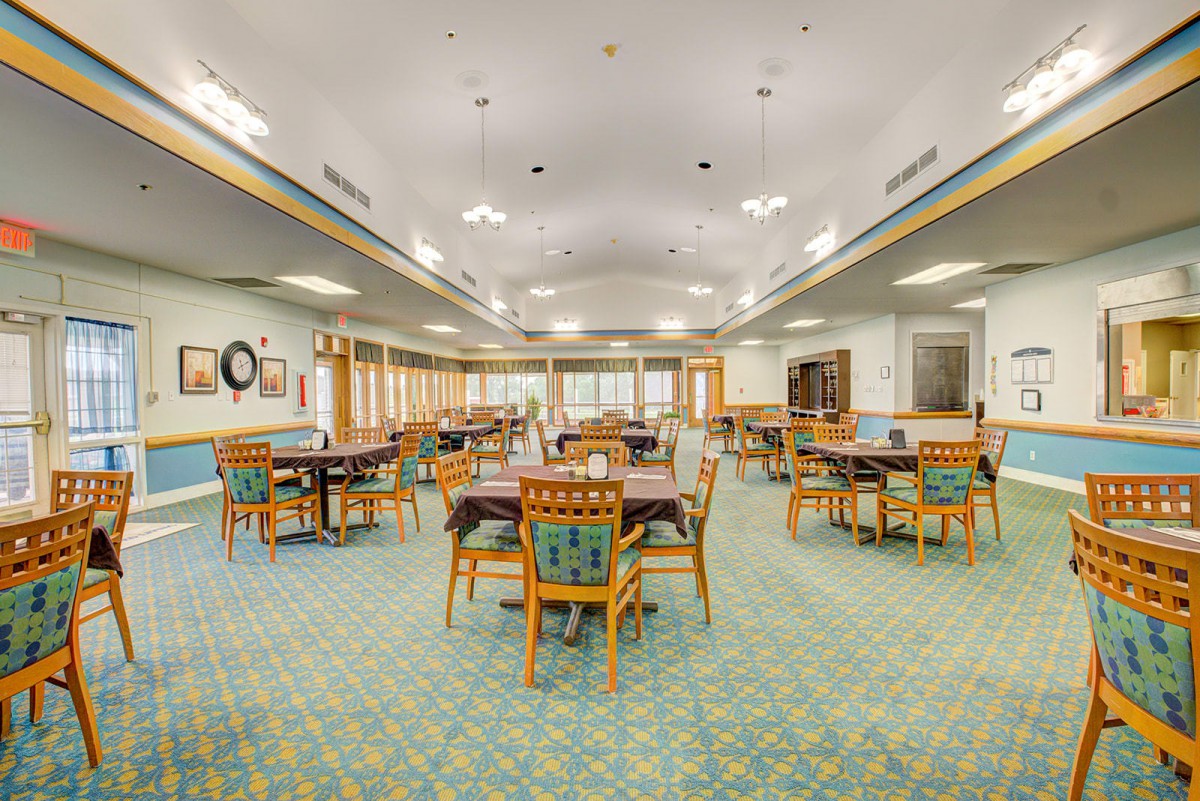
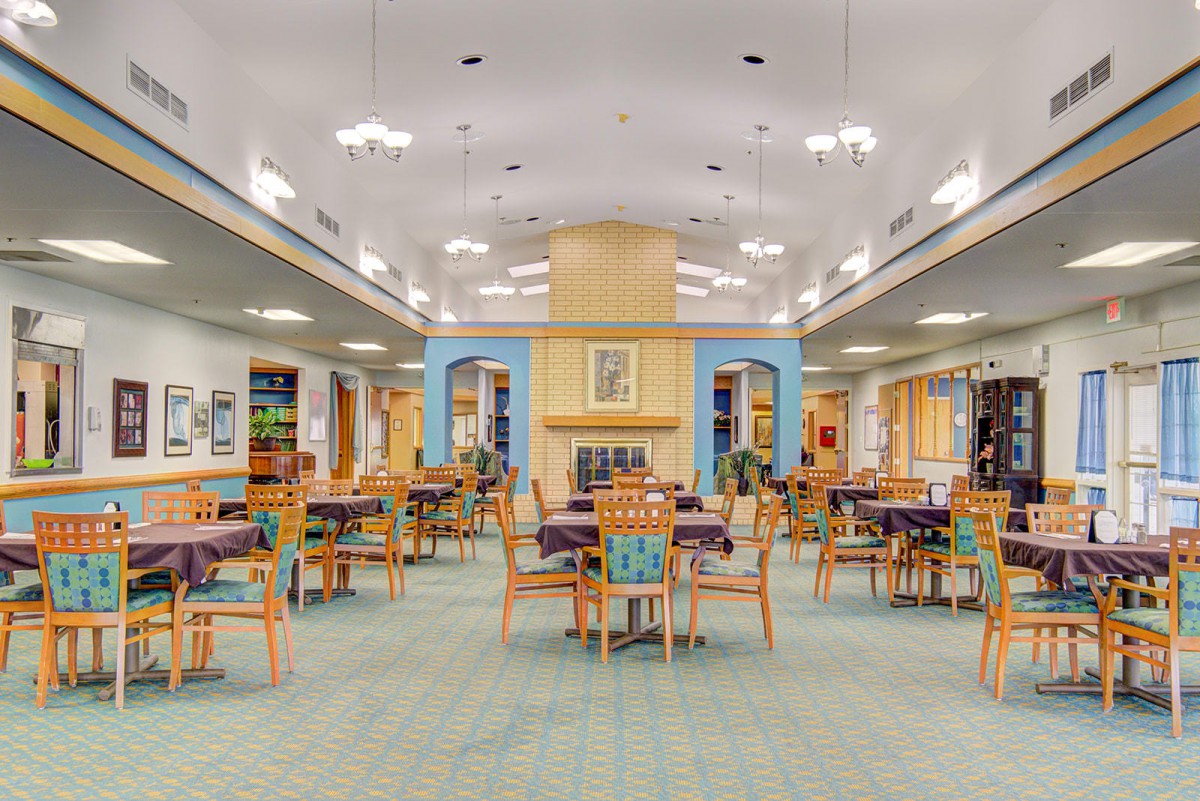
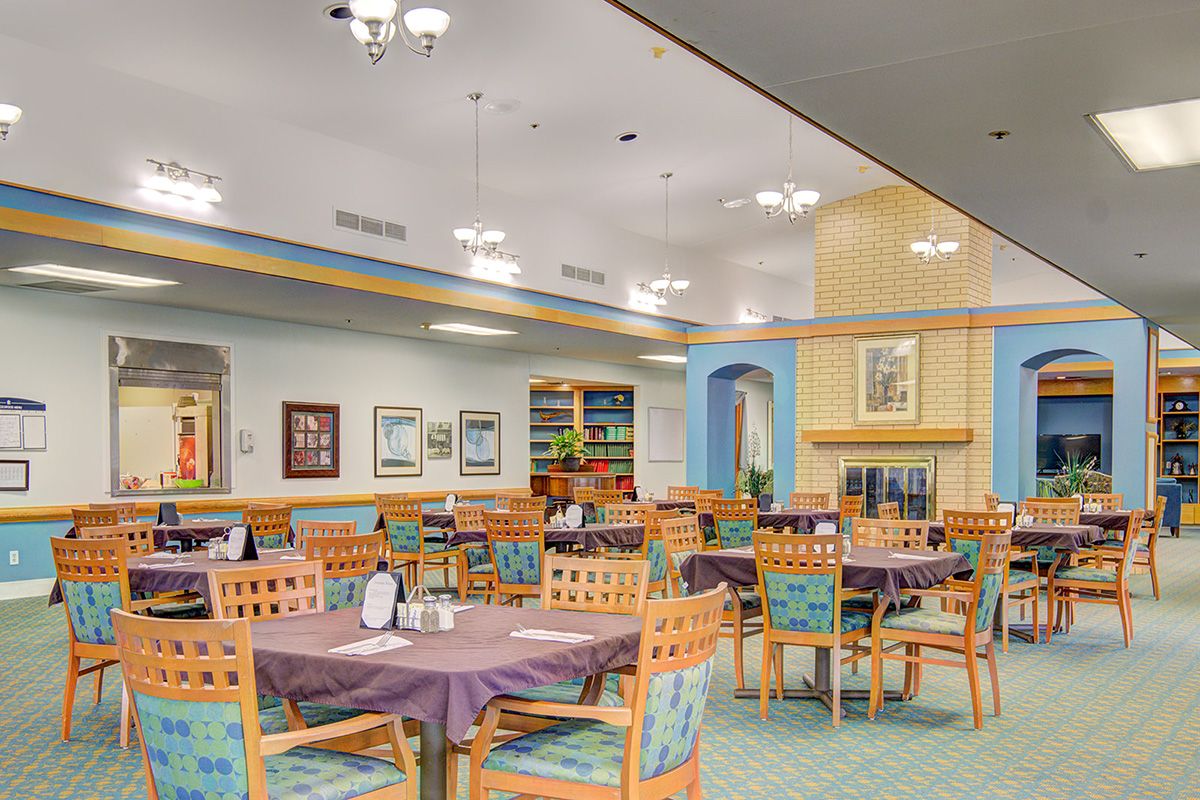
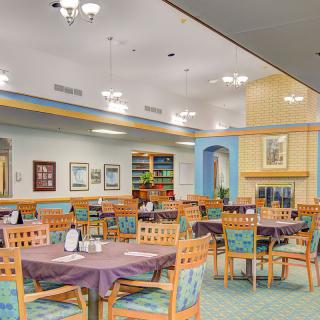
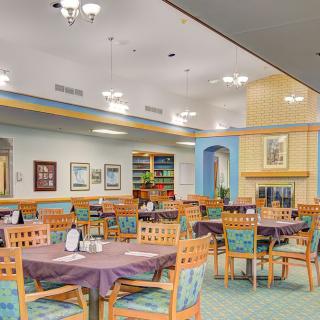
 Dining room
 Financing advice
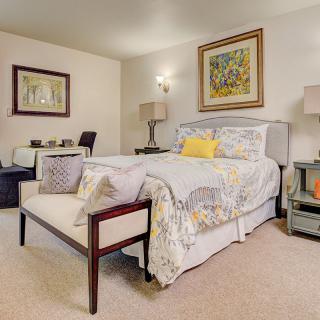
 Fully furnished
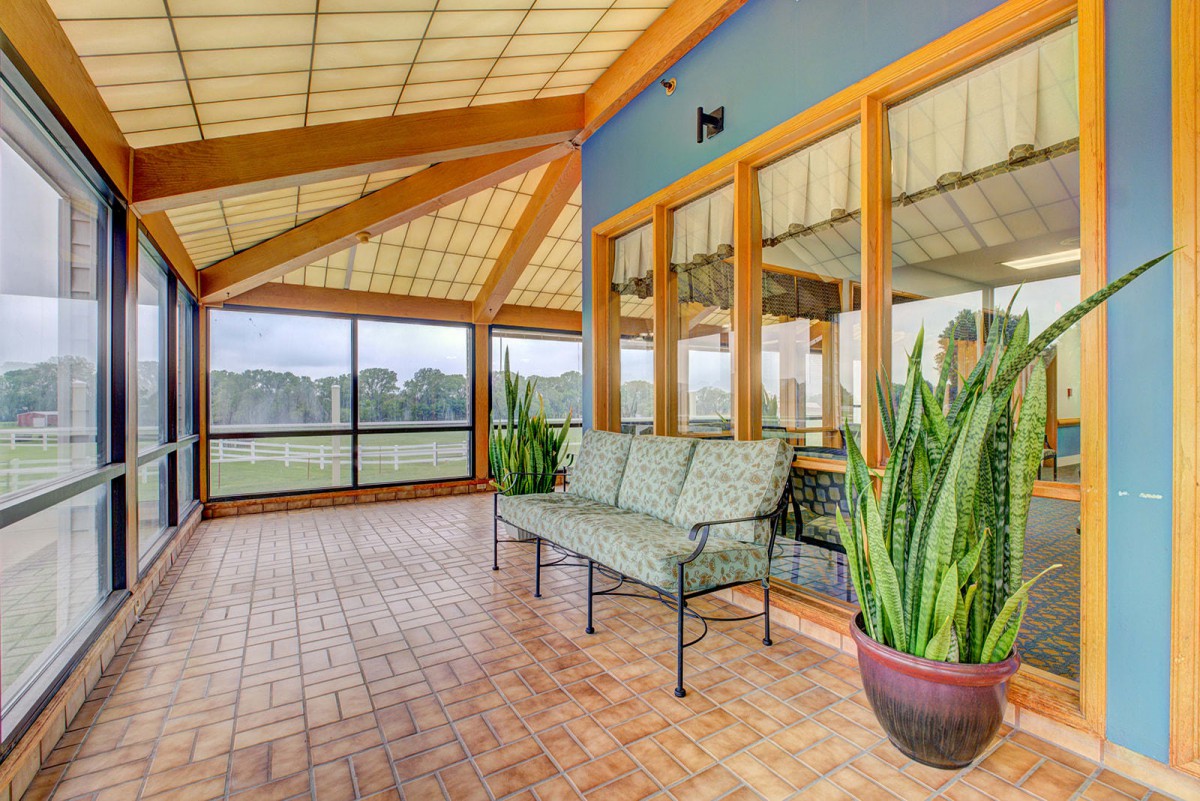
 Garden
 Ground floor units
 Guest parking
 Housekeeping services
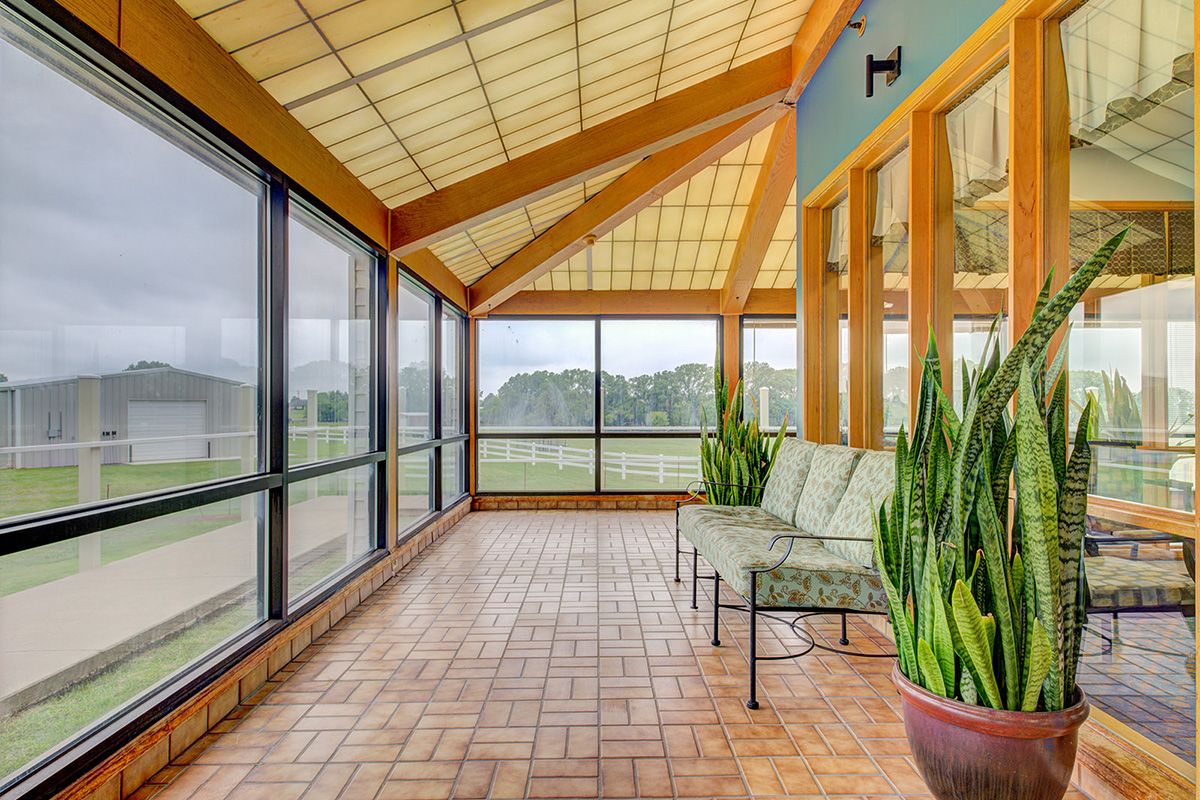
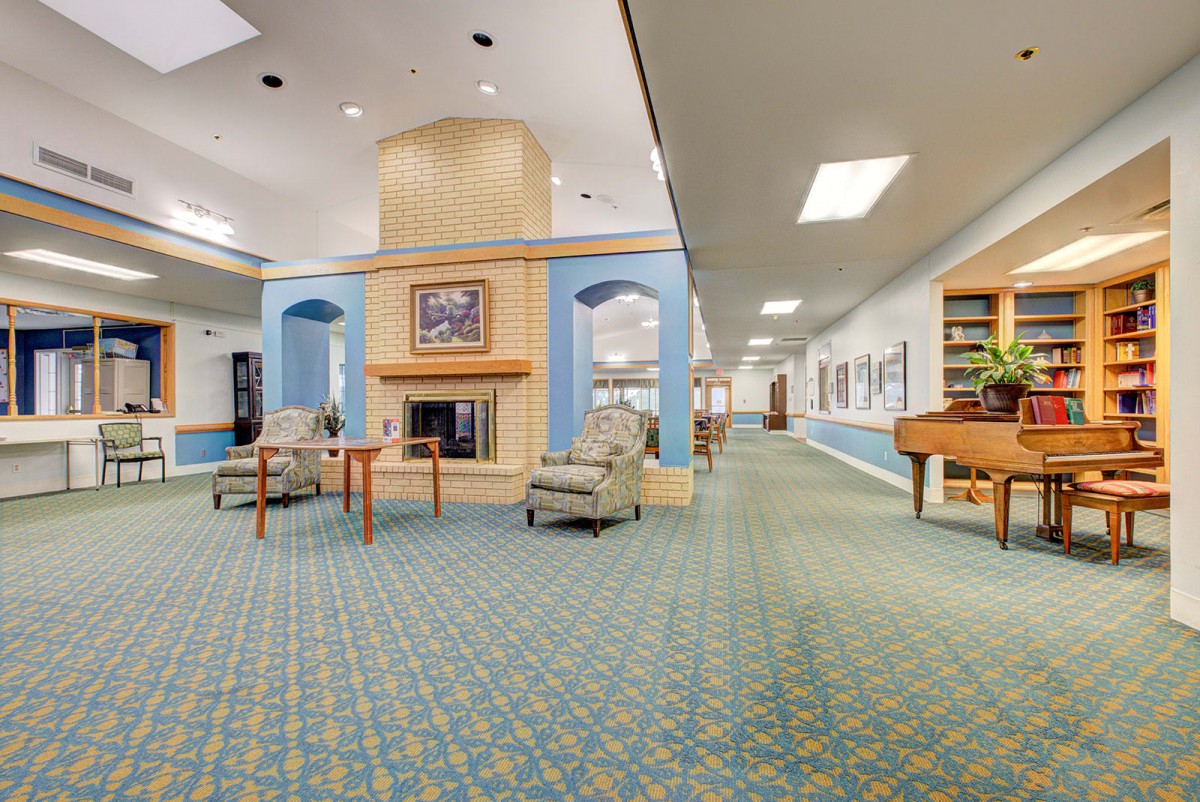
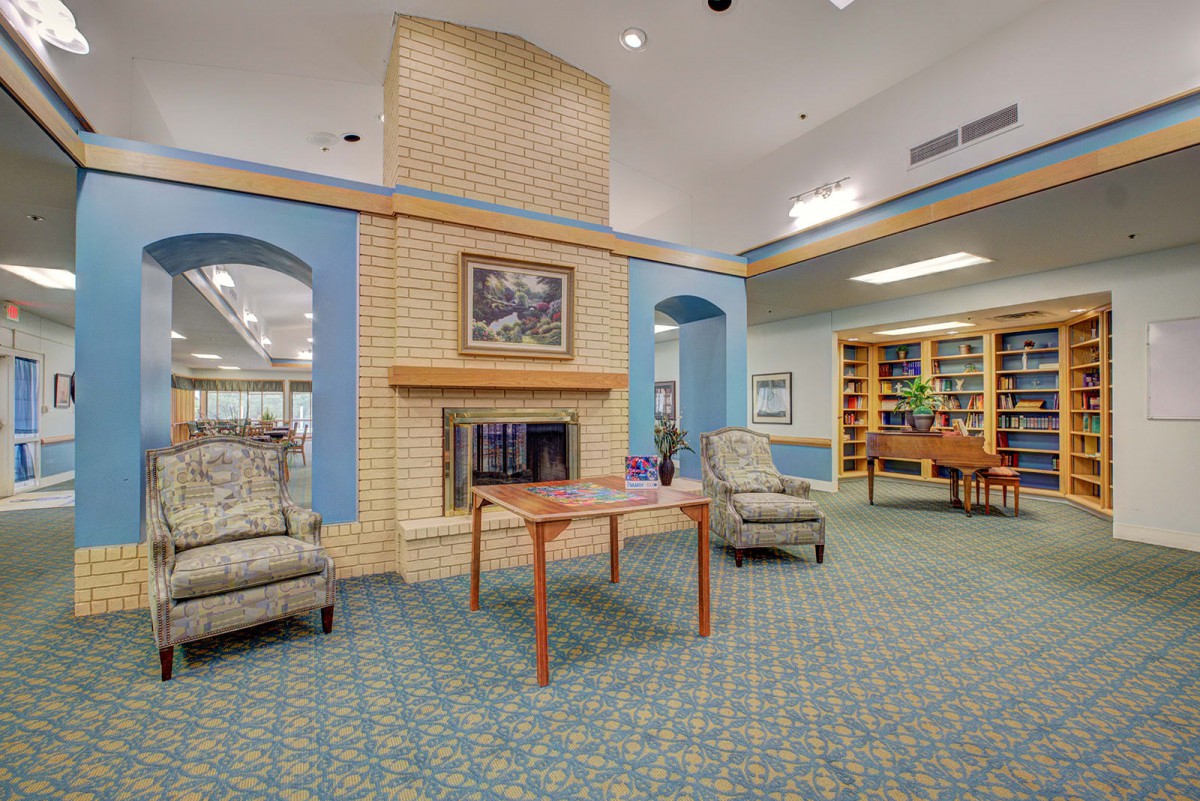
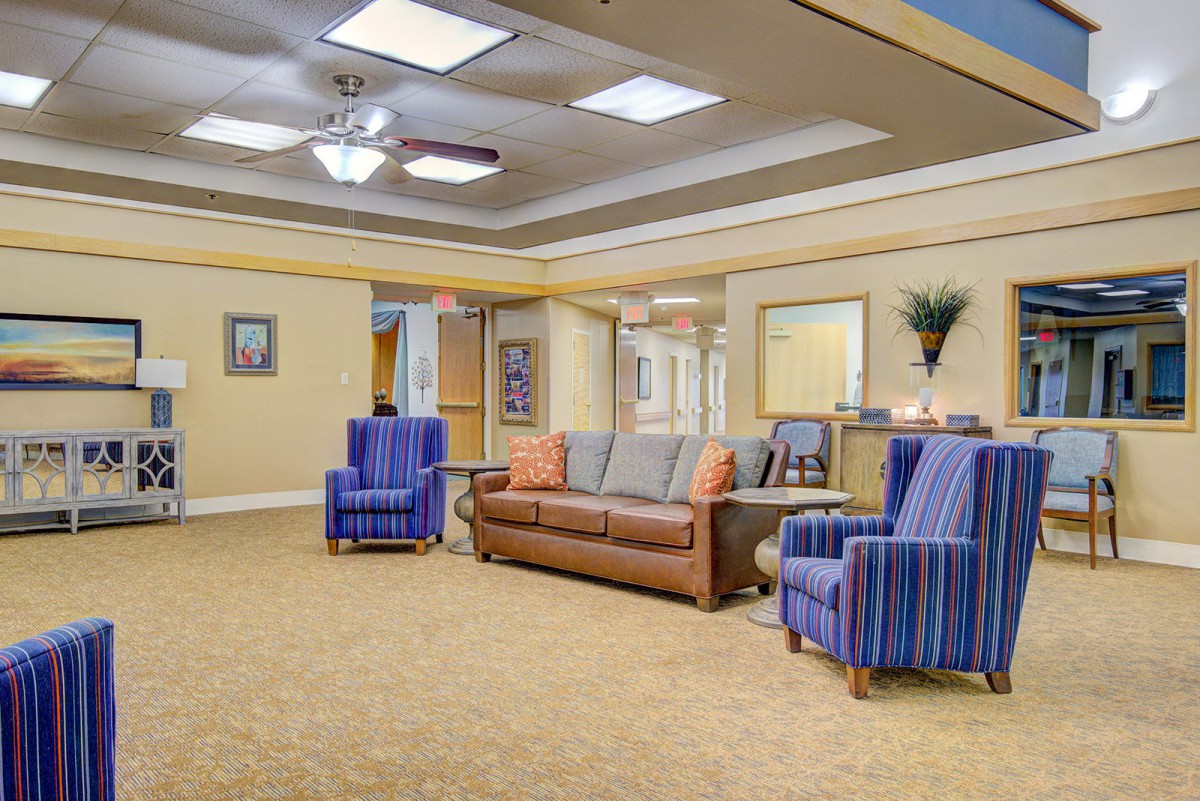
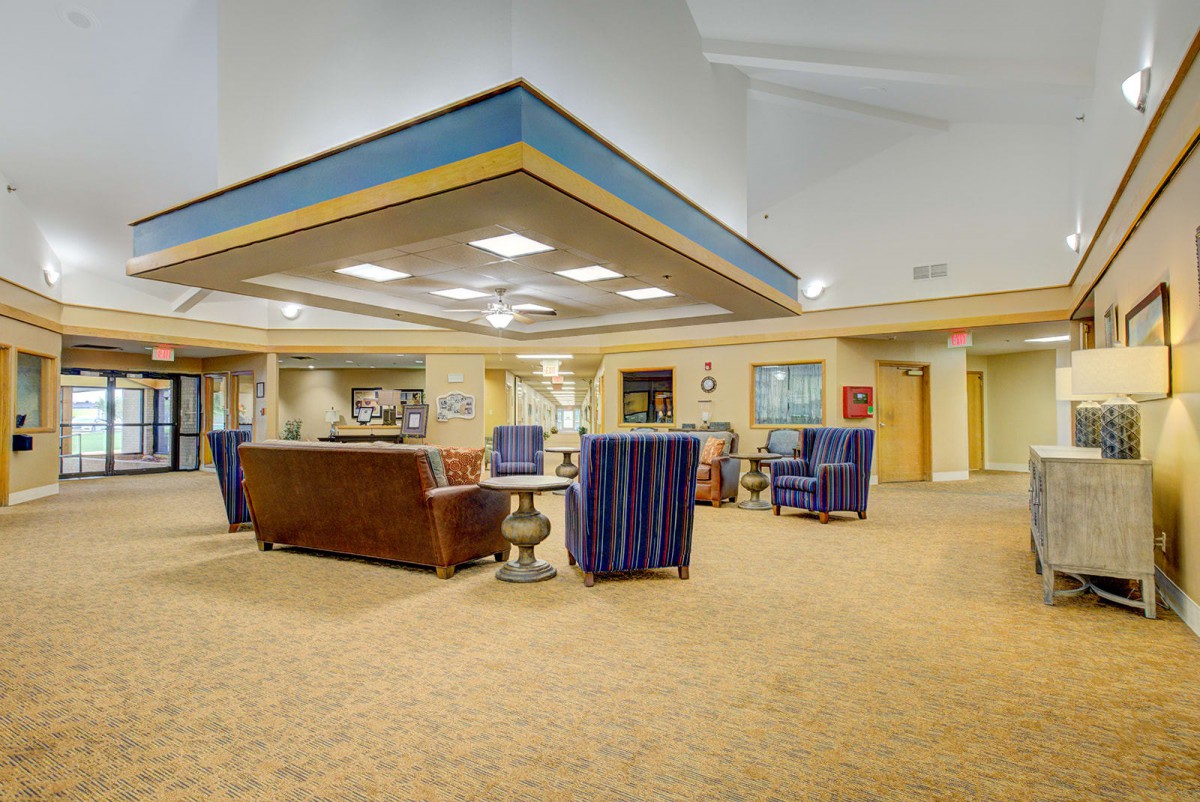
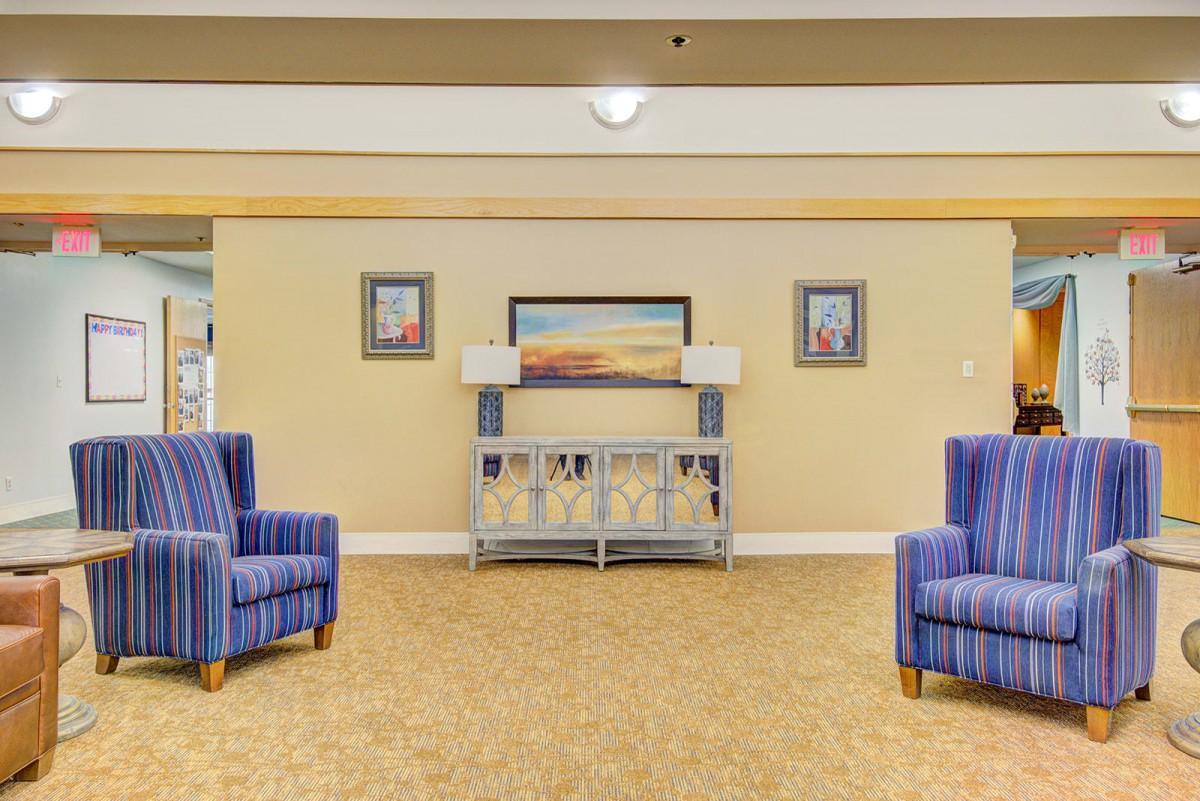
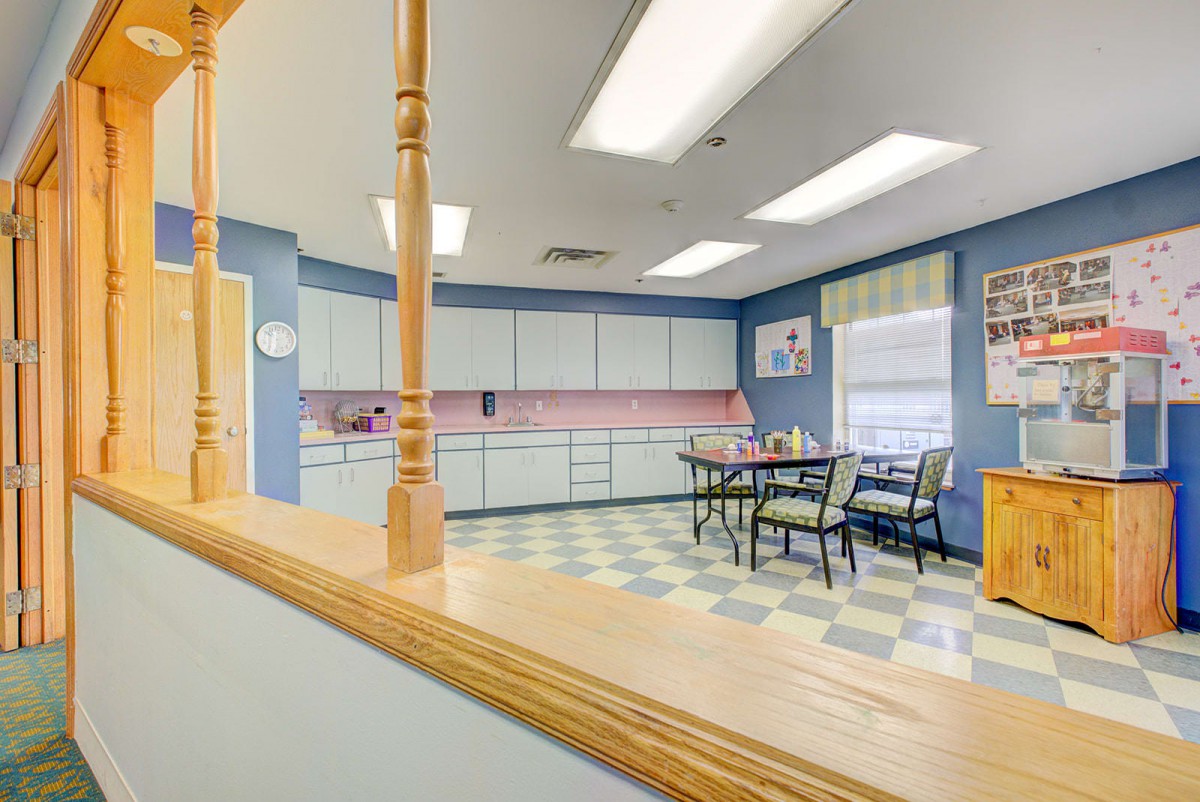
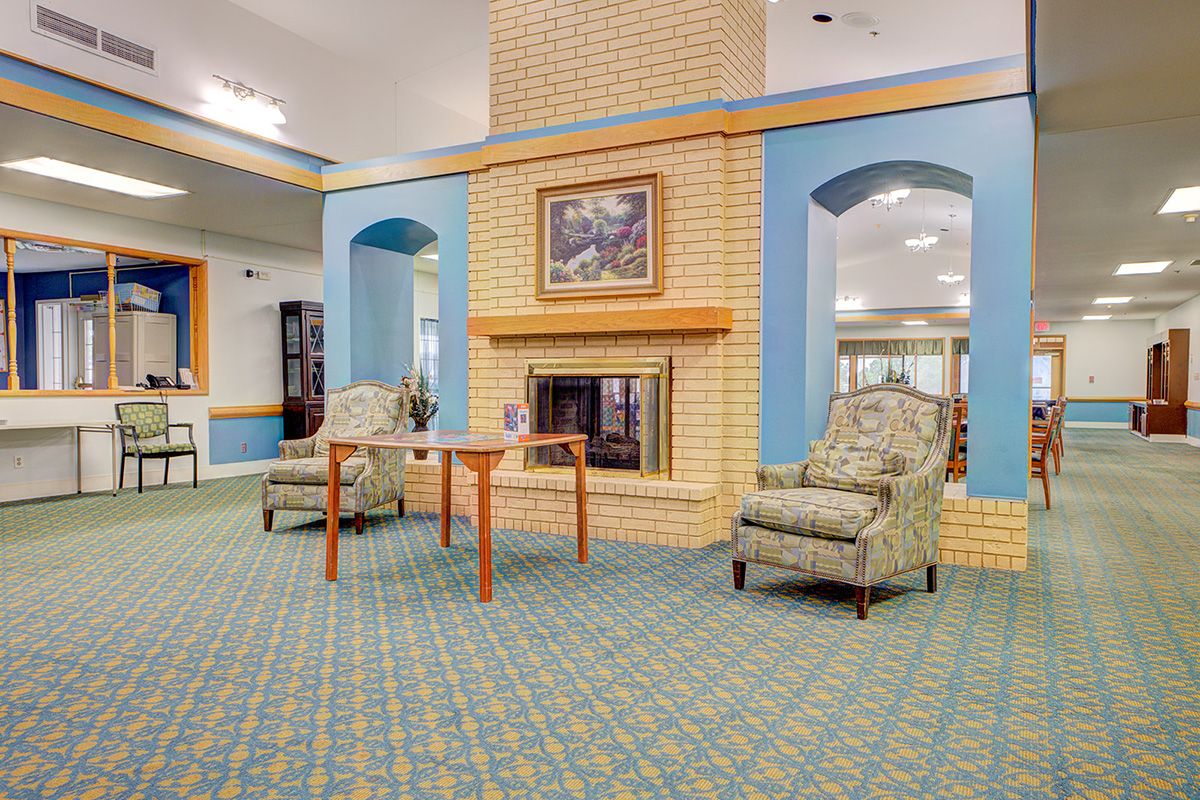
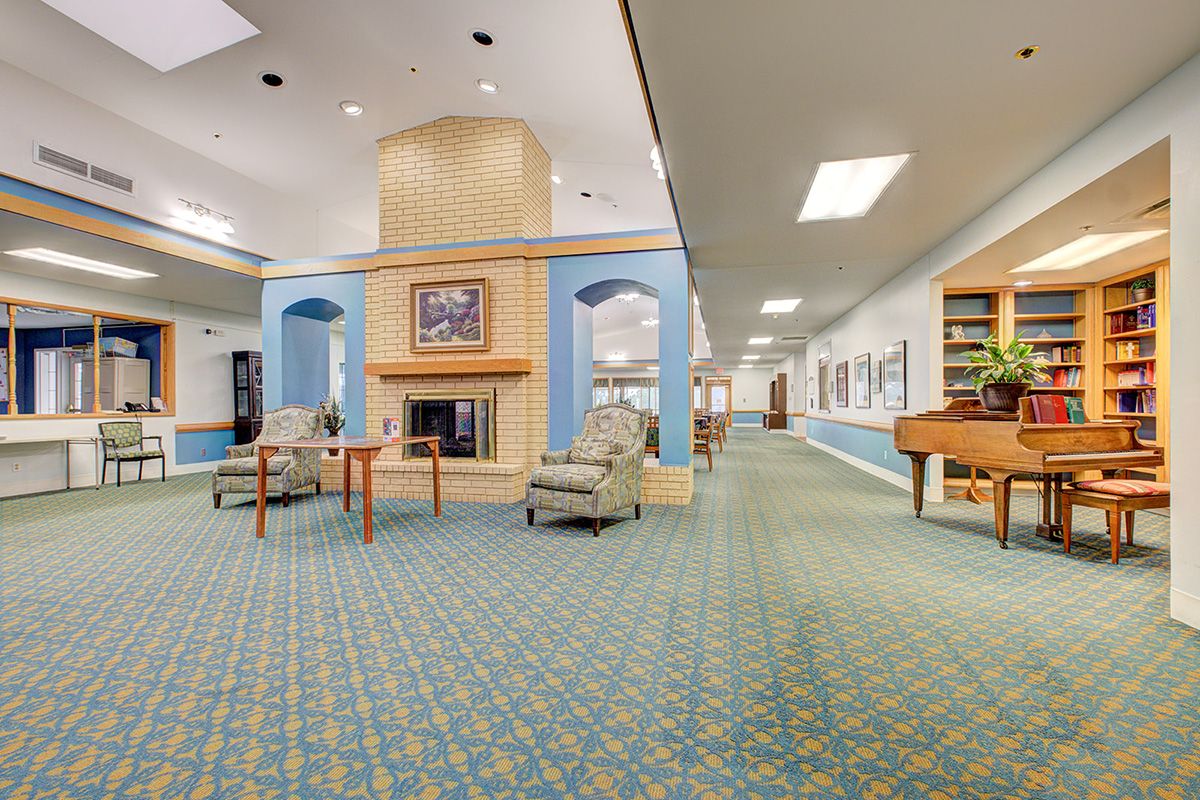
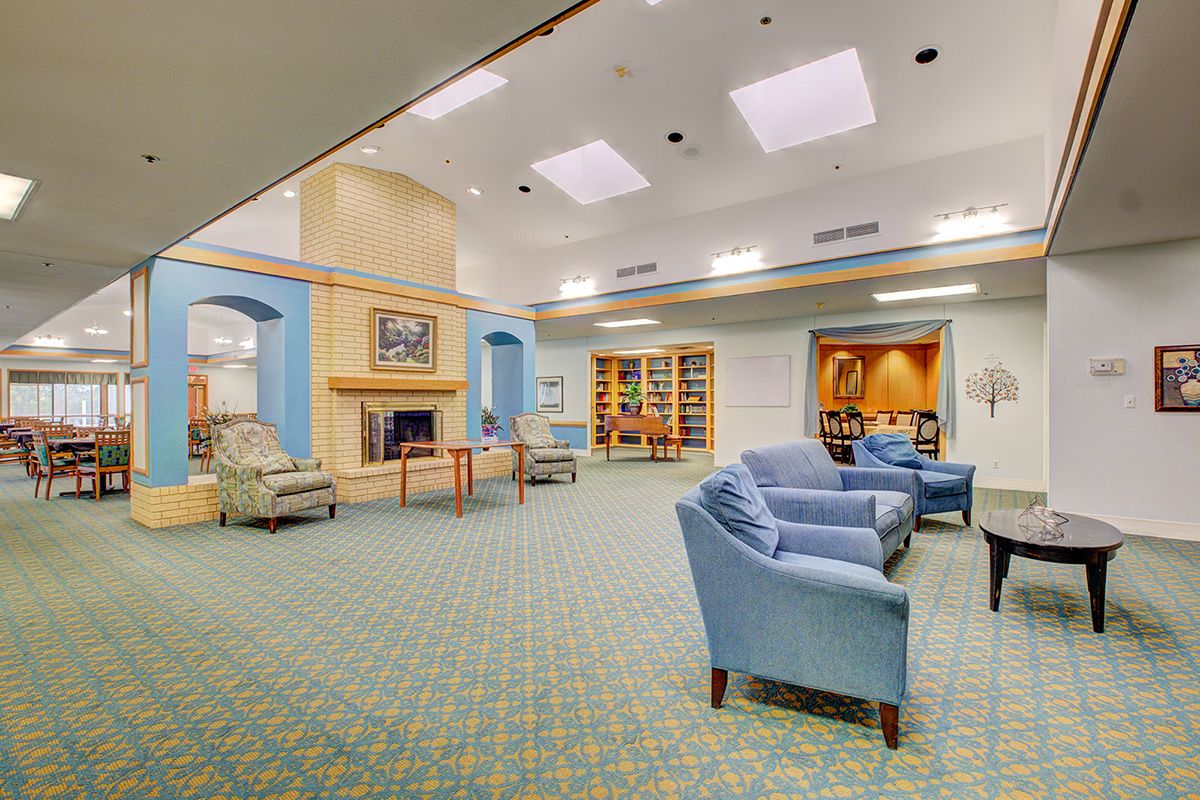
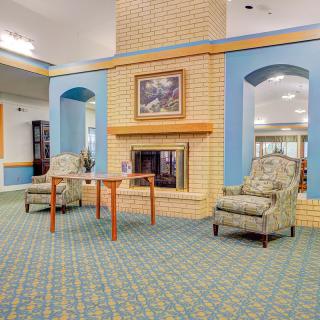
 Indoor common areas
 Kitchenette
 Laundry
 Move-in coordination
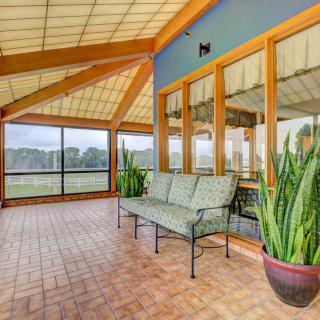
 Outdoor common areas
 Overnight guests
 Party space
 Respite or short term stays offered
 Telephone
 Wheelchair accessible showers
 Wi-Fi/high-speed internet available
 Transportation & parking
 24-hour call system
 Ambulatory care
 Assistance with bathing
 Assistance with dressing
 Assistance with transfers
 Diabetes diet
 Diabetic care
 High acuity care
 Hospice care
 Incontinence care
 Meal preparation and service
 Medication management
 Mental wellness program
 Physical therapy
 Special dietary restrictions
 Transportation arrangement (medical)
 Arts and crafts
 Bible study group
 Book club
 Cooking club
 Day trips and outings
 Fitness programs
 Games
Games Happy hour
 Karaoke
 Live musical performances
 Stretching classes
 Walking club
 Wii bowling
 Wine tasting
 English





 How and When Medicaid May Cover Assisted Living Costs
 A Detailed Exploration of Assisted Living Medicaid Waivers Across the United States
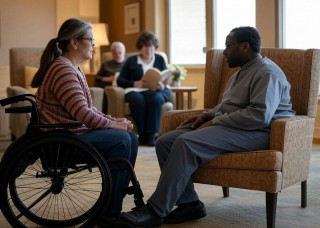 Comprehensive Residential Support and Assisted Living Solutions for Individuals with Disabilities