
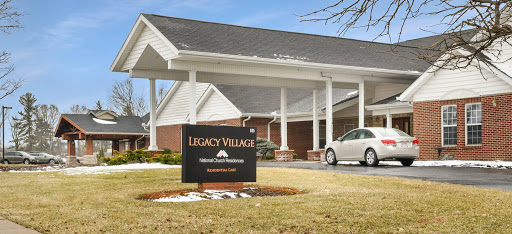




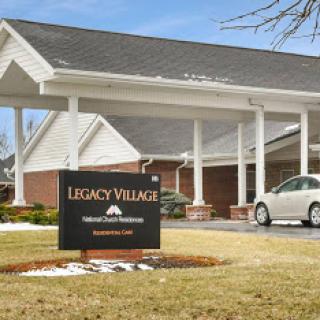


695 Wycliffe Dr, Xenia, OH 45385
To contact a resident: (937) 372-0359
For more information about senior living options: (866) 208-4318
Legacy Village Costs & Pricing
At Legacy Village, the monthly costs for various living arrangements present a competitive option compared to both Greene County and the broader Ohio region. For instance, a two-bedroom unit is priced at $1,074, significantly lower than the county average of $3,327 and the state average of $3,501. Studio apartments at Legacy Village are offered at $3,840, which is slightly below Greene County's rate of $4,173 but higher than Ohio's average of $3,727. Meanwhile, one-bedroom apartments are available for $4,270 - again outpacing both county and state figures at $5,172 and $3,712 respectively. Overall, these rates highlight Legacy Village as an affordable yet desirable choice within its market area.
| Floor plans | Legacy Village | Greene County | Ohio |
|---|---|---|---|
| 2 Bedrooms | $1,074 | $3,327 | $3,501 |
| Studio | $3,840 | $4,173 | $3,727 |
| 1 Bedroom | $4,270 | $5,172 | $3,712 |
Overall Review of Legacy Village
Pros
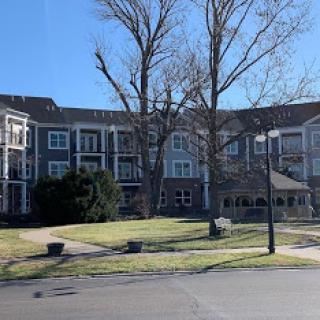
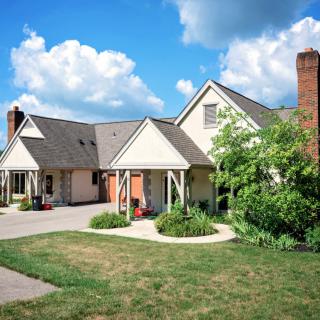
 Legacy Village is absolutely beautiful and feels like home from the moment one arrives.
- The staff are incredibly attentive and compassionate, going above and beyond to meet residents' needs.
- Legacy Village is highly recommended for families seeking care for their loved ones.
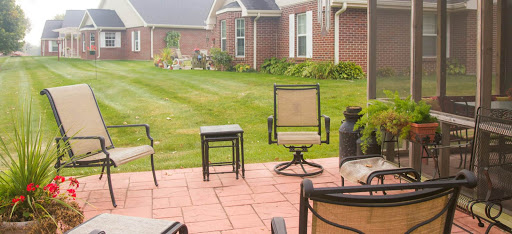
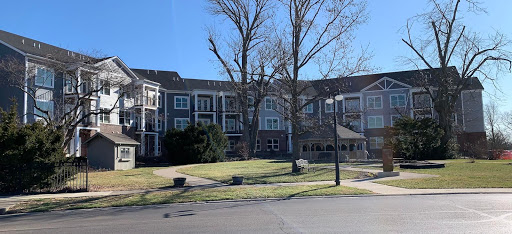
- The facility is clean and well-kept, with a peaceful atmosphere and beautiful grounds.
- The staff are friendly and attentive, consistently meeting residents' needs.
- Legacy Village is the only place many families would trust for a loved one, due to excellent care and compassion.
- The smaller size of the facility allows more personal attention from the staff.
- The staff have long tenures, helping families know who is caring for their loved ones.
- Legacy Village is a blessing and is highly recommended by families.
- Legacy Village is a beautiful facility where love is felt and staff show genuine care.
Cons
 Legacy Village refused to take care of her when mom got sick, claiming they didn't have the staff on hand.
- The purchase of the residence was a rip-off, with nearly $800 a month in condo fees and no delivery on the "all stages of life" premise.
- It took nearly three years for them to sell the place at a prorated amount originally paid.
- Legacy Village did not provide rehab or skilled nursing services as advertised and would not take mom back after hospital stays.
- After hospital stays, they always had some reason why she couldn't move back.
- One reviewer called the place awful.
- The mom's only complaint was the food, with the meat usually being tough.
Review
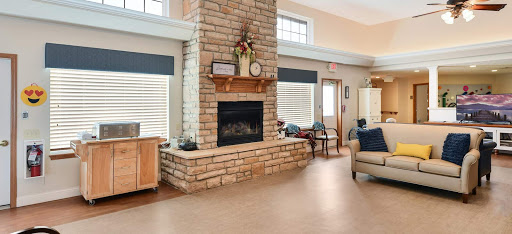
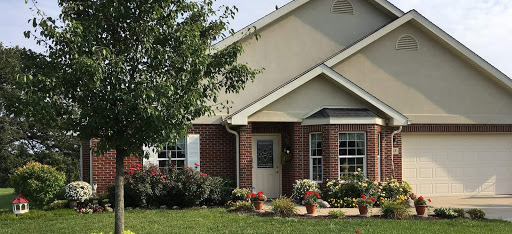
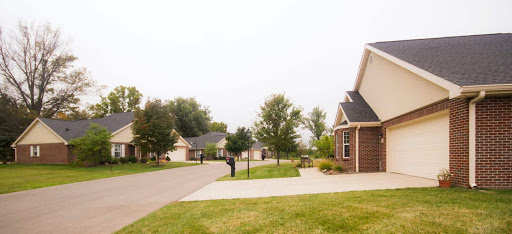
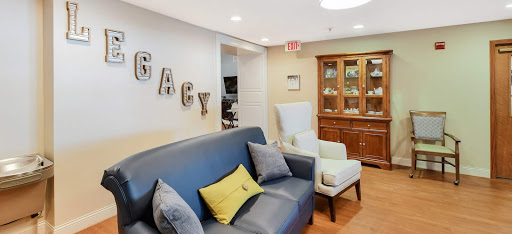
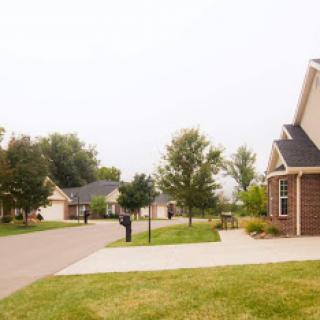
Legacy Village in Xenia, OH, is best suited for seniors who prize a warm, intimate atmosphere where staff know residents well, and where independent living sits alongside on-site options for assisted living and rehab. The community’s smaller footprint, well-kept grounds, and a home-like feel make it ideal for residents who respond positively to personal attention and steady, long-tenured staff. Families seeking a neighborhood vibe, clear relationships with caregivers, and a place that rewards consistency over flash will find this campus compelling. The setting also appeals to those who appreciate options, free-standing homes or duplexes, plus on-site activity spaces, without sacrificing a sense of rural calm just outside town.
Those weighing alternatives should consider who may not thrive here. If the priority is a robust, guaranteed continuum of care with reliable post-acute rehab or skilled nursing on site regardless of circumstance, other communities may be better fits. A few reviews raise caution about the ability to deliver comprehensive care when a loved one’s needs spike, especially after hospitalization, and suggest that “all stages of life” promises may not always materialize in practice. Prospective residents who require strong, immediate access to skilled nursing or who fear gaps in care after illness should compare options carefully and verify exact care commitments before choosing Legacy Village.
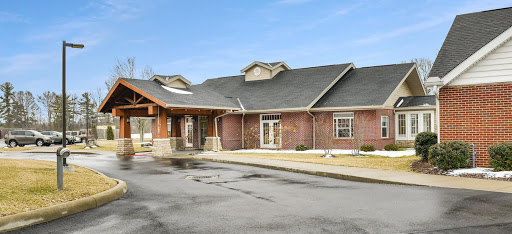
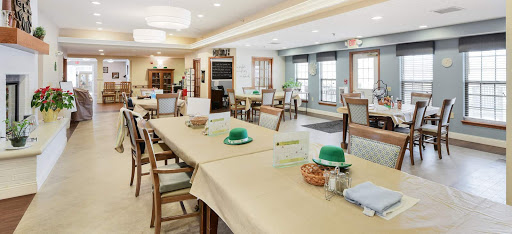
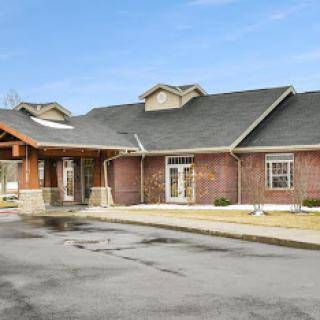
The strongest positives reinforce the advisory view: beauty, cleanliness, and a serene, welcoming environment are consistently highlighted. The campus feels like home from the moment of arrival, with a peaceful atmosphere, well-kept grounds, and a clear sense that the staff genuinely cares. The staff is described as attentive, compassionate, and stable, many have spent a decade or more on site, which translates into relationships, familiarity, and a dependable routine for residents. For independent living, the availability of standalone and duplex homes, along with on-site amenities such as a clubhouse and a library, adds practical value and preserves a feeling of independence within a supportive framework.
However, the major caveats cluster around the care continuum. While assisted living exists with meals and day-to-day support, reviews repeatedly flag the risk that emergencies or longer-term rehabilitation may not be reliably available on campus. The discrepancy between advertised “all stages of life” care and actual capability in a pinch is the kind of concern families should validate upfront. Add a pension of financial realities, some reports mention condo-fee costs and questions about what those fees cover, and there is a concrete need to scrutinize contracts, transition plans, and written guarantees before committing. In short, the pros of culture, staff devotion, and environment are real; the cons center on uncertainty when medical needs escalate.
To move forward confidently, prospective residents should pursue a proactive evaluation. Schedule candid conversations with the leadership about post-acute rehab guarantees, in-house skilled nursing capacity, and how transitions between independent living, assisted living, and rehab are managed. Tour multiple resident rooms, inspect dining quality specifically for the independent versus assisted living tracks, and ask current residents or families about meal consistency and overall satisfaction with care when complications arise. Obtain a detailed breakdown of what condo or harbor fees cover, and obtain written assurances about timelines and availability of services during care transitions. If possible, request case studies or references from families who faced health declines and observe how the community handled those moments.
In sum, Legacy Village offers a distinctly personal, well-managed, and aesthetically pleasing environment that rewards long-standing staff relationships and intimate community dynamics. It is a strong choice for seniors who anticipate remaining largely independent but want ready access to on-site support and a familiar care team should needs shift gradually. The decisive caveat is the commitment to care, families must verify that the level of post-hospital rehab and skilled nursing support will genuinely align with expectations if a serious illness or injury occurs. For those who can anchor their decision to a hopeful, gradual care trajectory and who prize warmth and continuity, Legacy Village stands as a prudent, well-regarded option in the region. For others with higher, more immediate care demands, exploring on-site comprehensive care-focused communities will provide the necessary peace of mind.
 Assisted Living
 Independent Living
 Memory Care
 Cats allowed
 Dogs allowed
 Activities off-site
 Beautician on-site
 Devotional services off-site
 Indoor common areas
 Respite or short term stays offered
 James M Cox Dayton International (23 miles away)
 Ambulatory care
 Diabetic care
 Incontinence care
 Medication management
 Meals provided




 Dementia-Related Hallucinations: Causes, Experiences, and Practical Approaches
 Illuminating Insights About Alzheimer's Disease: Ten Crucial Realities
 A Thorough Discussion of Medications Potentially Linked to Dementia Risk