


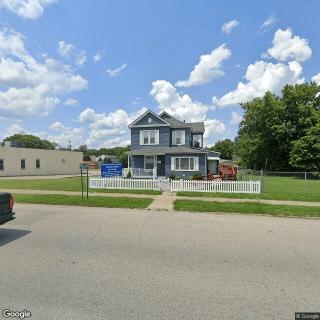
7743 County Road 1, South Point, OH 45680
For more information about senior living options: (866) 208-4318
Overall Review of Heartland Of Riverview
Pros
 The staff are always willing to help family and residents and are prompt.
- The facility has multiple types of staff, including rehabilitation, nurses, aides, dietary, and administration.
- There does not seem to be a staffing shortage at this facility.
- There are many activities available for residents.
- The facility has security systems on the doors, wifi, and a beauty parlor.
Cons
 The facility was overcrowded.
- The resident felt like she wasn’t anything better than a number.
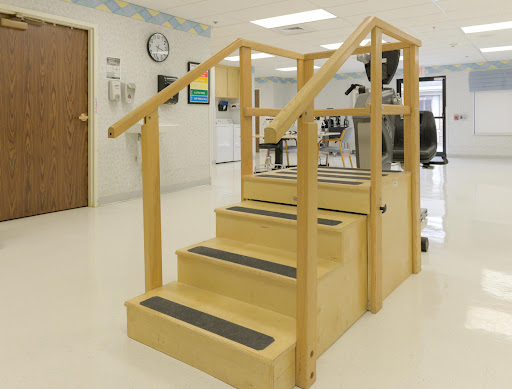
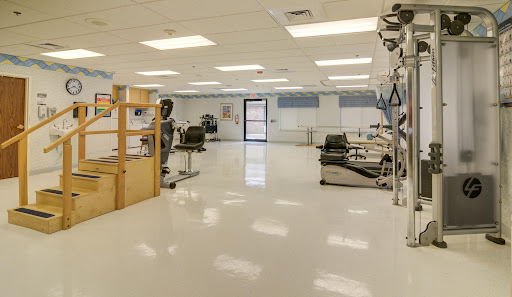
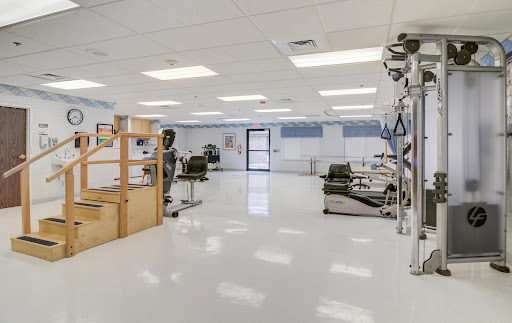
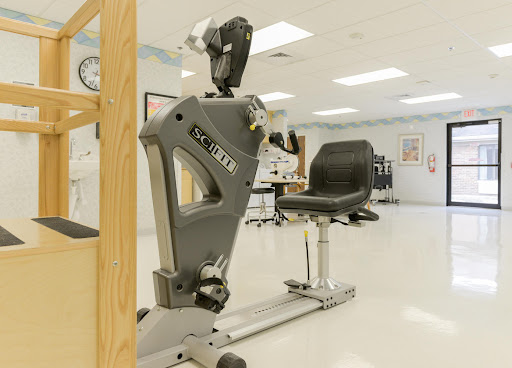
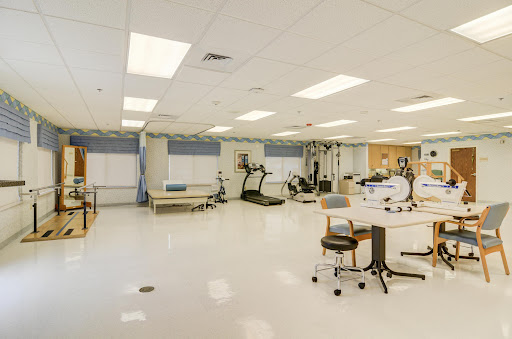
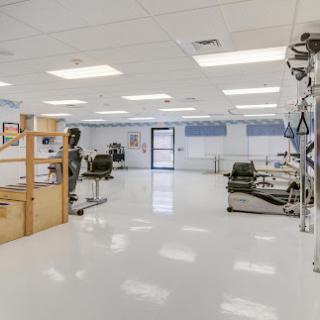
- It felt more like a hospital setting than a home.
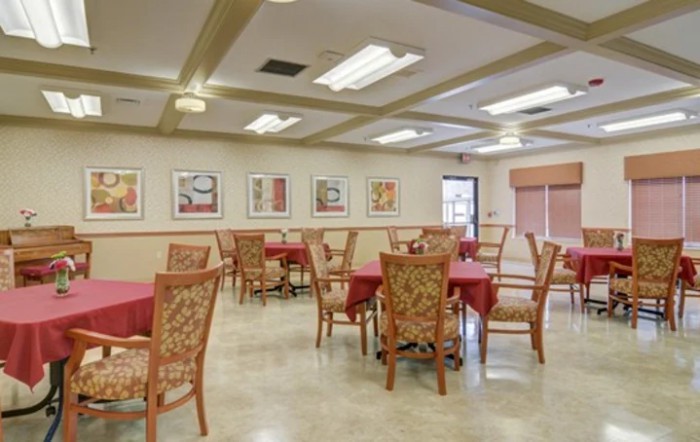
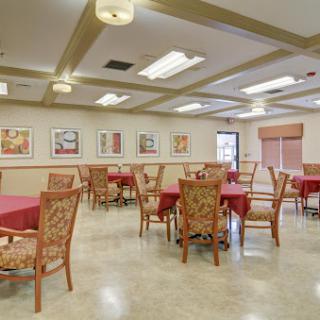
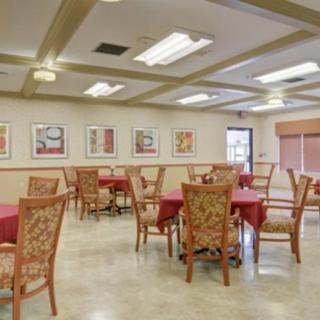
- The place was dark and gloomy.
- The rooms were co-habited, limiting space for family visitation.
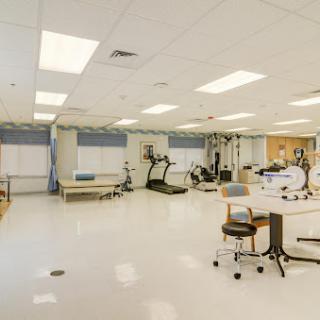
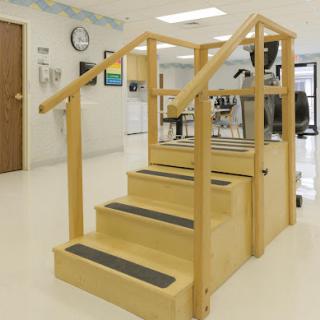
- The care appeared to be focused mainly on physical therapy, with little other activity.
- The rooms and overall ambiance needed to be cleaned up and made more home-like.
Review
Heartland of Riverview in South Point, OH is best suited for seniors who need structured post-acute rehabilitation and value a robust, multidisciplinary care team. The community shines for stroke or surgery recovery where physical, occupational, and nursing support are central to daily life. For families seeking a place with an active activity calendar, strong security features, and on-site services, this facility delivers a practical, rehab-forward environment. It is less well-matched, however, for those who prize privacy, a home-like ambiance, or a quiet, intimate living atmosphere over clinical efficiency and program intensity.
Given that context, it’s important to note who should consider alternatives. If private rooms, a bright, homey setting, and easier family visitation spaces are non-negotiables, Heartland of Riverview may feel crowded and clinical. For residents who will require long-term residence with a more homelike vibe, or for those prioritizing memory-care design and atmosphere, other communities with smaller footprints, private accommodations, and more domestic décor will likely be a better fit. Families planning around a long horizon rather than a brief rehab stint should weigh these ambiance and privacy considerations carefully.
On the upside, the staff complement is a real strength. The facility touts a diverse team, rehabilitation specialists, nurses, aides, dietary professionals, and administrative staff, working in concert to push therapy goals forward. Reported responsiveness and willingness to assist both residents and family members contribute to a sense of reliability in daily operations. The rehab focus is not merely routine; therapists and clinical staff are integrated into the resident’s routine, shaping a predictable structure that can accelerate recovery when activities and therapy are aligned with medical goals. This is complemented by practical amenities that support daily living.
Yet the core drawbacks cannot be dismissed. The environment can feel overcrowded, and the overall atmosphere has been described as hospital-like and dark, rather than warm or inviting. Shared rooms compound the sense of crowding and limit private space for family visits, which can strain communication and emotional comfort during recovery. Even with strong staff engagement, the institutional feel and restricted visitation dynamics may weigh on someone seeking a more intimate, home-like experience or a setting that prioritizes social ease and psychological well-being alongside clinical care.
Those are not trivial trade-offs. The substantial rehab resources and available activities offset some concerns for families whose primary objective is recovery and functional improvement after a hospitalization. The ability to access a broad spectrum of services under one roof, the presence of security systems, and conveniences such as on-site beauty services and reliable Wi-Fi support practical daily life and ongoing morale. However, the same strengths highlight the contrast with what some residents and families want from senior living: privacy, spacious, private rooms, and a calm, residential ambiance. The decision hinges on whether optimizing rehab potential outweighs the value placed on a more homey, private-feeling setting.
When evaluating Heartland of Riverview, consider an actionable plan: tour the community with an eye for room configurations and privacy options, ask specifically about any private-room alternatives or transitional arrangements, and observe how therapy sessions are scheduled within daily routines. Inquire about visitation policies in practice, not just on paper, and assess whether the family can comfortably participate in an environment that feels clinical or more like a home. For those where rehab momentum and a capable care team are the top priorities, this option deserves serious consideration; for others, a facility with private rooms and a more residential feel may be the smarter long-term choice.
 100 resident community capacity
 Assisted Living
 Skilled Nursing Facility
 Activities on-site
 Air-conditioning
 Beauty salon
 Cable or satellite TV
 Computer center
 Devotional services off-site
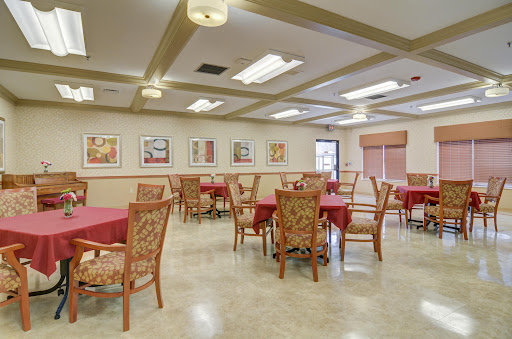
 Dining room
 Fitness room
 Fully furnished
 Gaming room
 Garden
 Housekeeping services
 Indoor common areas
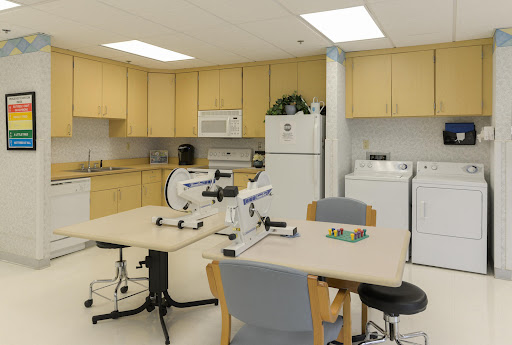
 Kitchenette
 Move-in coordination
 Outdoor space
 Private bathrooms
 Restaurant-style dining
 Small library
 Telephone
 Wellness center
 Wi-Fi/high-speed internet available
 Tri-State Walker-Long (3 miles away)
 Community operated transportation
 12-16 hour nursing
 24-hour call system
 Ambulatory care
 Assistance with bathing
 Assistance with dressing
 Assistance with transfers
 Diabetes diet
 Diabetic care
 Medication management
 Mental wellness program
 Special dietary restrictions
 Concierge services
 Planned day trips


 Assisted Living and Memory Care: Understanding Their Core Differences
 Beyond the Bingo Hall: 50+ Enriching Activities for Seniors in Assisted Living
 Understanding the Distinctions: Assisted Living and Memory Care Explained